Bobbin winder not spinning: what stops it and how to fix it
If your bobbin winder isn’t spinning or engaging, first check if the winder lever clicks and locks in place. If it does but the bobbin slips, inspect the winder tire wear or tension. Thread catching issues usually mean inspecting the thread path and tension discs.
On this page (8 sections)
- The short version
- Why the winder won't engage or click over and how the lever/latch should feel
- Why the spindle spins but the bobbin slips - tire wear, wrong bobbin, and spring tension
- Why thread won't catch or winds unevenly - thread path, tension disc, and starting wrap
- How to inspect and replace a bobbin winder tire or check the belt on older machines
- When it's technique or speed vs. a part that needs cleaning, adjusting, or replacing
- Sewing machine bobbin winder not working: step-by-step checks before repair
- Still wondering?
Part of our guide on adjusting feed pressure
Key figures
- Lever engagement
- Clicks or not
- Winder tire wear
- Causes slipping
- Thread tension discs
- Manage thread grip
- Bobbin size
- Must match machine
- Cleaning frequency
- Every 6 months
- Winder speed
- Moderate, not fast
The short version
- Check if the bobbin winder lever clicks and locks to engage the winder
- Inspect the bobbin winder tire for wear or hardening causing slipping
- Ensure the thread is correctly placed through the tension disc and path
- Clean lint and dust from the bobbin winder area to prevent jams
- Replace worn or broken parts only after ruling out technique errors
Why the winder won't engage or click over and how the lever/latch should feel
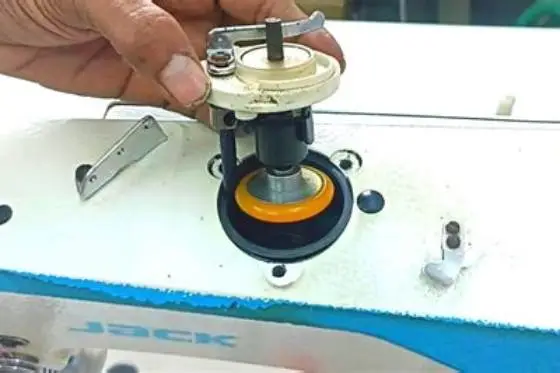
The bobbin winder lever or latch should move smoothly and click into position. If it doesn’t click or feels loose, the winder won’t engage the drive mechanism.
Engagement means a small click or resistance when you push the lever fully to the bobbin winding position. If this doesn’t happen, the internal catch or lever mechanism may be stuck or broken.
Try moving the lever firmly but gently. You’ll feel a definite stop or a click when it engages. If there is no click, the lever might need cleaning, adjustment, or repair.
This lever usually disengages the needle’s drive and engages the bobbin winder spindle. Without the click and lock, the machine won’t transfer motion to the winder. We cover why machine makes loud noise in its own article.
Sometimes the lever feels like it moves freely but doesn’t lock firmly. This means it may be worn inside or the catch spring is weak. You can test this by gently pushing the lever and feeling if it resists moving back without forcing it.
If the lever partially clicks but doesn’t stay locked, the bobbin winder won’t get power. Check the lever pivot and latch for dirt or rust. Lubricate with machine oil sparingly and move the lever several times to see if it improves.
Some machines use a small plastic or metal catch inside the lever that can break or slip out of place. If you hear a faint rattle inside the machine when moving the lever, this is a sign. Opening the bobbin winder cover reveals if the catch is intact or needs replacement. For the detail, see our notes on how to wind a bobbin.
Why the spindle spins but the bobbin slips - tire wear, wrong bobbin, and spring tension
If the bobbin winder spindle turns but the bobbin doesn’t wind thread tightly, the tire that grips the bobbin may be worn or hardened. This tire is usually a small rubber ring around the spindle.
A worn tire loses grip and lets the bobbin slip, causing loose or uneven winding. Replace the tire if it looks shiny, cracked, or flattened.
Using the wrong bobbin type or size also causes slipping. Bobbins must match your machine’s specifications exactly. Even small differences in diameter or flange shape prevent proper grip. If that sounds like your situation, read up on verifying threading order and bobbin next.
The spring that presses the bobbin against the tire can lose tension over time. If the spring is too loose, the bobbin won’t grip and will slip. This requires spring replacement or adjustment.
A quick test for tire grip is to try winding with a new bobbin and fresh thread. If the bobbin still slips, the tire is almost certainly worn. Bobbin tires can harden with age, losing their rubbery grip even if they look fine.
Springs that press the bobbin against the tire can sometimes be adjusted. Use small needle-nose pliers to gently increase tension if the spring is loose. Don’t over-tighten, or the bobbin won’t spin freely and may cause jamming. The other half of this decision is light not working sewing machine.
Wrong bobbin size issues appear as wobbling or uneven rotation during winding. If you see the bobbin tilting or slipping, swap it for the exact model recommended in your machine manual. Even the same brand’s different models aren’t interchangeable.
| Tire Condition | Effect on Bobbin Winding | Action Needed |
|---|---|---|
| Good rubber tire | Firm grip, smooth winding | No action |
| Hardened or cracked tire | Slipping bobbin, uneven wind | Replace tire |
| Missing tire | Bobbin spins freely, no winding | Install new tire |
Why thread won't catch or winds unevenly - thread path, tension disc, and starting wrap
Thread not catching or winding unevenly often comes from incorrect threading around the tension disc. The disc controls thread tension to keep winding uniform.
Lint or dust in the tension disc slot can block thread movement causing slack or tight spots. Clean the tension disc carefully with a soft brush or compressed air.
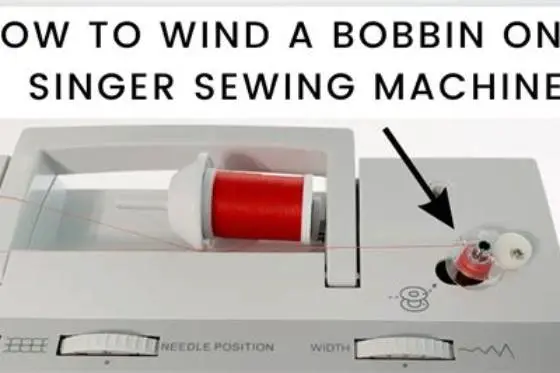
Start the thread with 2-3 wraps around the bobbin before engaging the winder lever. This helps the thread catch firmly and prevents slipping at the start.
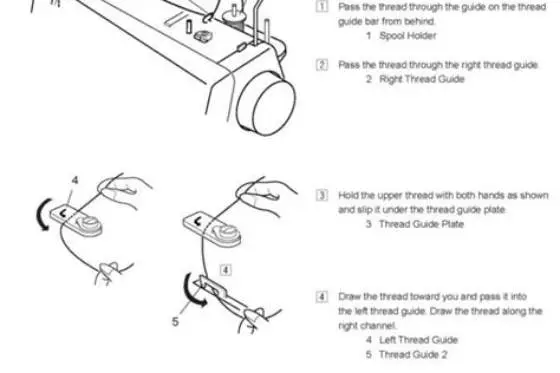
If the thread is too loose on the bobbin or not properly guided, the winding will be irregular. Follow your machine’s manual for the exact thread path.
Lint buildup inside the tension disc slot can be invisible but cause thread catch issues. Use a bright flashlight to check the slot and clean with a fine needle or toothpick.
Thread that’s too thick or too slippery can cause uneven winding. Use thread types recommended for your machine and bobbin size. Polyester thread often winds smoother than cotton on some machines.
If the bobbin thread isn’t anchored before winding, the first layers will be loose and uneven. Hold the thread tail with your finger until a few wraps form, then let go and start the motor or foot pedal.
A precise test sequence separates lever, tire, and thread faults to fix your bobbin winder before replacing parts or hiring help.
How to inspect and replace a bobbin winder tire or check the belt on older machines
Inspect the bobbin winder tire by removing the bobbin and spinning the spindle by hand. Feel for smooth rubber contact or any slipping.
If the tire looks shiny, cracked, or hard, it needs replacement. Remove the old tire by sliding it off or carefully cutting it with a craft knife.
Old sewing machines often use a belt to transfer motor power to the bobbin winder. Check if this belt is broken, stretched, or missing if the winder won’t spin at all.
Replacing the bobbin winder belt requires matching the exact length and width to the original. Consult your machine’s manual or a sewing parts supplier.
- Unplug the machine and remove the bobbin
- Spin the winder spindle by hand to check tire grip
- Remove the winder cover or housing if needed
- Slide off or cut the worn tire
- Install a new tire of the correct size and rubber hardness
- Reassemble and test the winder function
When it's technique or speed vs. a part that needs cleaning, adjusting, or replacing
Sometimes bobbin winder problems are due to user technique rather than machine faults. Winding too fast overloads the mechanism and causes slipping or uneven winding.
Try winding at a moderate speed. Many machines recommend only 60 to 100 revolutions per minute for winding bobbins.
Make sure the bobbin winder lever is fully engaged as you start winding. Half engagement causes slipping or uneven wrapping.
Cleaning lint and dust from the bobbin winder parts every 6 months prevents build-up that blocks smooth operation.
If cleaning and slowing the winding speed don’t help, then parts like the tire, spring, or lever may need repair or replacement.
Sewing machine bobbin winder not working: step-by-step checks before repair
Start by checking if the bobbin winder lever clicks and locks firmly in place. No click means the winder won’t engage.
Next, spin the bobbin winder spindle by hand without thread. If it slips on the bobbin, inspect the tire condition.
Check the thread path including the tension disc for lint or incorrect threading that stops the thread from catching.
Clean all bobbin winder parts carefully, remove lint, and re-thread with proper tension and 2-3 starting wraps.
If the winder still fails, inspect the belt (older machines), the spring tension, and consider replacing worn parts.
- Push the bobbin winder lever fully and listen for a click
- Remove the bobbin and spin the spindle by hand to check for slipping
- Clean the thread tension disc and thread path
- Re-thread the bobbin winder with correct technique and wraps
- Check belt condition and spring tension if present
- Replace worn or broken parts as identified
Still wondering?
Can a bobbin winder tire be cleaned instead of replaced?
Cleaning may remove surface dirt but won’t restore grip if the tire is hardened or cracked. Replacement is needed if the tire shows wear signs.
Why does the bobbin winder stop spinning partway?
This can happen if the spring tension weakens or if thread tension is inconsistent, causing the bobbin to slip or the winder to disengage.
Is it okay to wind bobbins with the needle in place?
Most machines require disengaging or stopping the needle when winding bobbins to avoid damage. Check your machine’s manual.
How often should I clean my bobbin winder area?
Clean the bobbin winder parts approximately every 6 months or sooner if you notice lint buildup or winding issues.
Can the wrong bobbin size cause the winder not to work?
Yes, bobbins that don’t fit precisely can slip or jam, preventing the winder from working properly.