How to Sew Darts in a Dress That Lie Flat and Fit
To sew darts in a dress, fold the fabric on the centre line and stitch wide end to point. Sew off the fold, knot the tails and press the dart.
On this page (8 sections)
- The short version
- How to sew darts in a dress: the short version
- Marking: where each dart starts and ends
- Dart types: bust, waist, French and contour
- Stitching: from the wide end to a smooth point
- Pressing: the step that makes the dart disappear
- Fitting and fixing: darts that pucker, point or pull
- Still wondering?
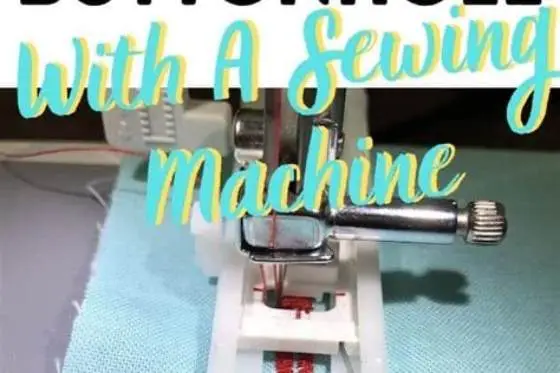
Part of our guide on sewing buttonholes on a sewing machine
Key figures
- Stitch length
- 2.5 to 3 mm
- At the point
- 1 to 1.5 mm
- Dart point
- Stops before the apex
- Needle, medium fabric
- 80/12 universal
- Thread
- 50 wt all-purpose
- Press bust darts
- Downward
The short version
- Mark all three points on the wrong side before you lift the pattern.
- Stitch wide end to point, shorten to 1 to 1.5 mm in the last 1/2 inch, and tie off instead of backstitching.
- Pin through both leg marks at once so the fold cannot shift.
- Press over a ham so the shaping stays round.
- Baste and try on before final stitching when the fit is in doubt.
How to sew darts in a dress: the short version
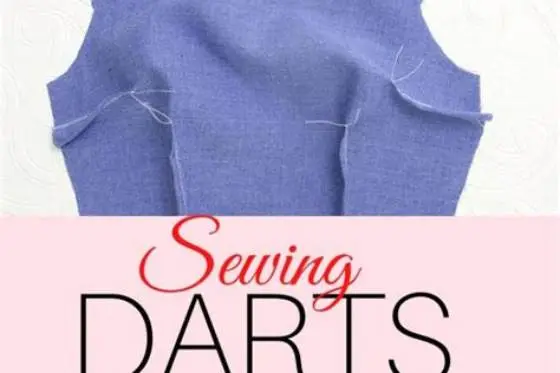
A dart is a stitched fold that takes in fullness so flat fabric curves around a body. In a dress, darts shape the bust, waist and back without adding a seam. Six moves make up the whole job: mark, fold, pin, stitch, tie off and press. Get the marking right and the rest follows. Rush it and the dart points the wrong way, no matter how neat the stitching looks.
Gather matching thread, pins, a marking tool and an iron. For most dress fabrics, from cotton lawn to light wool, a universal needle in size 80/12 and 50 wt all-purpose thread suit the job. Heavier cloth may need a 90/14 needle, and silk calls for a finer 70/10.
Work on the wrong side of the fabric, and sew every dart before you join the seams it crosses. Iron each dart as soon as it is stitched, while the fabric is still flat. Most of the time goes to pressing, not stitching, so keep the iron hot and the board clear. Keep a scrap of the same fabric beside the machine to test the stitch length first.
- Transfer the dart marks to the wrong side of the fabric.
- Bring the two leg marks together with the fabric folded right sides in.
- Pin across the fold, then pin along the stitching line.
- Stitch from the wide end to the point, shortening the stitch as you near the tip.
- Leave long thread tails and knot them after sewing off the fold.
- Finish by pressing the dart flat, then toward the centre or down.
Marking: where each dart starts and ends
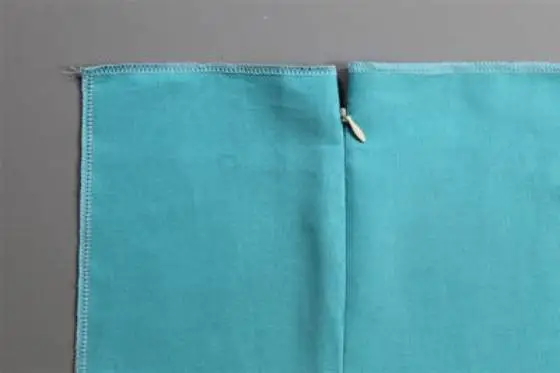
Every dart has three marks: two legs where it meets the seam edge and one point where it ends. Marking takes minutes. Transfer all three while the pattern is still pinned to the fabric, using tailor's chalk, a water-soluble pen or tailor's tacks. Use a ruler to join each leg mark to the point. Mark on the wrong side, since marks on the right side can show through light fabric. For the detail, see our notes on how to sew an invisible zipper.
The point matters more than the legs. Stop the point 1/2 to 1 inch (1.3 to 2.5 cm) before the fullest part of the curve. That gap lets the fabric ease down instead of jutting into a cone. Sewing the point right on the bust apex is the usual cause of a dart that sticks out. If the pattern point lands on the apex, shorten the dart by that much and redraw the lines.
Chalk suits dark fabric and brushes away. Water-soluble pens suit light fabric and vanish with a damp cloth. Test the pen on a scrap first, since some pens leave a faint line on silk. Tailor's tacks, loops of thread through pattern and fabric, suit cloth that marks badly, such as velvet or loosely woven wool. Pick the method your fabric forgives, and mark both sides of the dress the same way so the darts match.

8 PCS Chalk Pencils for Sewing
Puts your dart legs and point on the fabric in blue, white, red or pink, then the water-soluble wax marks come straight out with water so nothing shows through the finished dress.
Dart types: bust, waist, French and contour
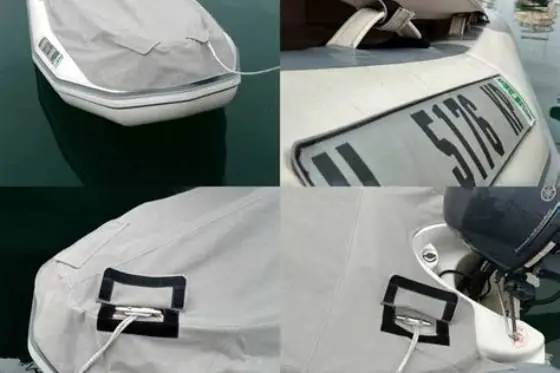
Most dresses use one of four dart shapes, and each one shapes a different curve. Four shapes cover most dresses. Bust darts run from the side seam toward the bust and give the bodice its curve. Waist darts run straight up and down on the front or back and take in the waist. Both are single-pointed, with a wide end at a seam and one point inside the garment. It helps to understand boat cover with vents before going further.
French darts start low on the side seam, near the hip, and angle up toward the bust. One long line shapes bust and waist together and suits a larger bust. Contour darts, also called double-pointed darts, are widest at the waist and taper to a point at each end. They shape one-piece dresses where bodice and skirt are cut together.
Sewing steps stay the same for all four, but the pressing differs. French darts need a ham for pressing, since a long curve flattens on a flat board. Stitch a contour dart as two single darts meeting at the middle. Begin at the widest point and sew to one tip, then return and sew to the other. Clip the centre of the fold first so the dart can curve.
| Dart | Where it runs | Shape | Best for |
|---|---|---|---|
| Bust dart | Side seam toward the bust | Single point | Fitted bodices |
| Waist dart | Straight up and down, front or back | Single point | Skirts and bodices |
| French dart | Low side seam angled to the bust | Long single point | Larger busts, fitted dresses |
| Contour dart | Through the waist, both directions | Double point | One-piece fitted dresses |
A dart that puckers was almost never stitched wrong: it was marked a half inch too long or locked with a backstitch at the tip.
Stitching: from the wide end to a smooth point
Start at the wide end, at the seam edge, and backstitch there to lock the thread. Keep a straight stitch of 2.5 to 3 mm for most dress fabric. Follow the marked line toward the point, keeping the fold even under the needle. Pause and check the line if the fabric starts to creep, since a leg that drifts makes the dart twist. That backstitch also anchors the dart where it meets the seam, and the joining seam locks it again when the pieces are sewn together. We cover prevent puckering on curved edges in its own article.
Shorten to a 1 to 1.5 mm stitch for the last 1/2 inch (1.3 cm). Short stitches lock the thread at the tip, so you do not need a backstitch there. Run the stitching right off the fold at the point, past the fabric edge, and leave thread tails about 4 inches (10 cm) long. Knot the two tails together close to the fabric, then trim them. Backstitch at the tip and the thread bunches into a pucker that pressing cannot fix.
With a curved dart, such as a French dart, sew slowly and ease the fabric around the curve without stretching it. Slow down at the curve. Leave the needle down when you lift the foot to turn the work. Should the machine pull the point into the needle plate, start the seam on a scrap of folded fabric. Test the whole sequence on a scrap dart first, in the same fabric.
Pressing: the step that makes the dart disappear
Press the dart flat as sewn first, with the fold to one side, to set the stitches into the fabric. Then press it in its final direction. Darts that run up and down go toward the centre front or centre back. Darts that run across go down. Do this before the dart is crossed by another seam, since a seam stitched over an unpressed dart locks the bulk in place. Before you commit to anything, it is worth looking at how to sew an elastic waistband.
Use a tailor's ham, a firmly stuffed curved cushion, under the dart so the shaping stays round. On a flat board, the curve the dart just made flattens, which defeats the point of sewing it. Set the iron to the heat your fabric allows, press with the tip of the iron, and lift rather than slide. Steam helps wool settle. Rolled towels stand in for a ham on a first dress, but a ham holds its shape better.
Check the right side after pressing. Look for a smooth curve with no ridge along the stitching line and no dimple at the tip. Iron again from the right side, with a press cloth between iron and fabric, if a faint ridge shows. Wool and heavy cotton may need the dart slashed open. Cut along the fold, stopping short of the point. Open the two sides with the iron after the cut.

Dritz 562 Wool Tailor's Ham
Gives your darts a curved surface to press over so the shaping stays round instead of being flattened onto the board — the 9.5 x 6.3 in wool form is made for moulding darts, sleeve caps and curved seams.
Fitting and fixing: darts that pucker, point or pull
Try the dress on with the darts pinned, not stitched, when the fit is in doubt. Pin the darts closed, put the dress on inside out, and look at where each point lands. Move a dart that points at the fullest part by shortening it or shifting it sideways. Pulling across the bust means the dart is usually too short or too narrow at the base. Lengthen it, or widen the legs by 1/8 inch (3 mm) at a time. Look at the height as well. Bust darts should sit level with the fullest part of the bust, with both darts at the same height.
Puckered points can be saved. Unpick the dart with a seam ripper, press flat, and restitch it with tiny stitches near the tip and tied tails. Redraw the line with a gentler taper first when it runs too steeply into the tip. Thick fabric may need the dart slashed open or shortened.
Uneven darts, one higher than the other, come from marks that did not match. Measure both sides from the same seam before you sew, and pin through both leg marks at once so the fold cannot shift. Measure twice, sew once. If one dart is already sewn wrong, unpick it and remark it from the good side. Two darts that match matter more than two darts that are perfect, since the eye catches the difference first.
Still wondering?
Can I sew darts without a pattern?
Yes, if you mark them on the body first. Put the dress on inside out, pinch out the fullness at the waist or bust, and pin the fold in place. Mark both legs and the point with chalk while the pins hold the fold. Take the dress off and join the marks with a ruler. Try the pinned dart on again before you stitch it, since a dart placed by eye often needs moving.
Should darts be pressed toward the centre or down?
Vertical toward the centre, horizontal down. Your pattern may say which way, and when it does, follow it.
Why does my dart point pucker?
Backstitching at the point is the usual cause, since it knots the thread where the fabric should lie flat. Pick the dart out, restitch it and tie the tails off by hand. Too sharp an angle into the point can cause the same pucker, so redraw it with a gentler taper.
Do knit dresses need darts?
Knits usually need no darts, since the stretch of the fabric shapes around the body on its own. Stable knits, such as ponte, may still take a short waist dart for a closer fit. A stretch stitch or a narrow zigzag suits knit, with a ballpoint needle so the stitches do not skip.
How long should a bust dart be?
Long enough to reach near the bust, but not onto it. Stop the point before the fullest part, so the fabric eases over the curve. Run it past the apex and the dart points outward like a cone, so shorten it and restitch.