How to sew a boat cover with vents and darts that fits long boats
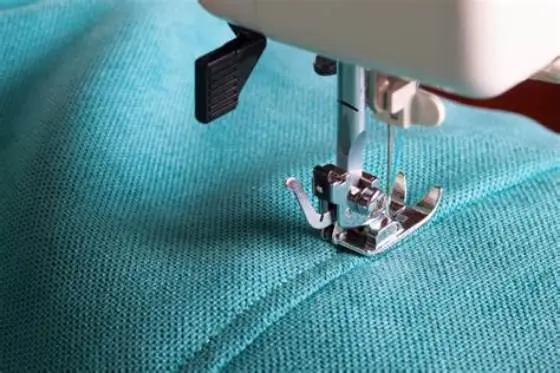
Sew a boat cover by measuring over the hull, cutting marine canvas with darts for shape, adding mesh vents for airflow, and joining long panels with double-stitched flat-felled seams. Use a heavy needle, UV polyester thread and a walking foot so seams hold under wind and sun.
On this page (8 sections)
- The short version
- How to sew boat cover that fits long boats: the full method
- Materials and tools: what holds up to sun, water and pull
- Measure and cut: how to get panels that actually fit
- Darts: how to sew shape into a flat cover
- Vents: how to sew in airflow without leaks
- Long seams and fitting: techniques for heavy fabric that stays tight
- Still wondering?
Part of our guide on getting enough presser foot lift
Key figures
- Fabric needed
- Measure bow-eye to transom over crown and beam over windshield, then add 10-15% for hems and darts; check supplier chart for your hull.
- Needle size
- 110/18 or 100/16 jeans; change when you see skipped stitches, burrs, or drag.
- Thread weight
- V-69 bonded polyester, UV-resistant
- Seam allowance
- 1 inch (2.5 cm)
- Vent size
- Follow vent maker sizing; two vents fore and aft commonly create cross-flow.
- Dart depth
- Pinch and chalk darts on the boat; depth and length set take-up—test and baste before sewing.
The short version
- Cut panels 4-6 inches long and wide for hems, seams and shrinkage before you trim to fit.
- Sew darts last after a basted fitting so shape matches the bow and windshield, not the table.
- Place two vents fore and aft to pull air through and stop mildew under the cover.
- Flat-fell every long seam and topstitch twice for strength on heavy canvas.
How to sew boat cover that fits long boats: the full method
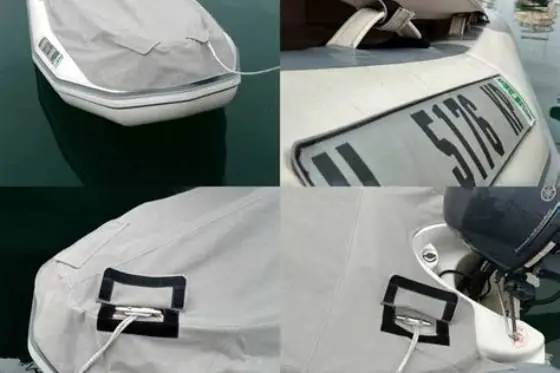
Measure bow-eye to transom over the crown and beam over the windshield, then add 10-15% for hems and darts. Consult your fabric or pattern supplier’s chart for yardage recommendations by hull type.
Sew the cover in this order: measure the hull, cut oversized panels, join long seams, fit the shell on the boat, mark darts and vents, sew shaping, then hem and add fasteners. This method saves fabric and improves fit.
A good cover sheds water, stays tight in wind, and breathes. It needs shaping darts at bow and corners, vents fore and aft for airflow, and flat-felled seams to spread load and resist wear. These features depend on your boat’s shape and environment.
Materials and tools: what holds up to sun, water and pull
A 110/18 jeans needle works for two layers of about 10 oz marine canvas but dulls quickly. Change the needle if stitches skip or fabric drags. Test on scraps to check needle sharpness. There is more on fabric for couch covers in a separate guide.
Fabric choice affects lifespan more than stitching. Solution-dyed acrylic like Sunbrella breathes and resists UV, while vinyl-coated polyester sheds water but traps heat. Acrylic suits trailered boats; coated polyester fits moored boats exposed to rain.
Use V-69 bonded polyester thread rated for UV resistance and strength. Avoid nylon thread that weakens in sun. Choose stainless snaps or corrosion-resistant fasteners. Thread and fastener quality affect durability.
- Marine canvas: solution-dyed acrylic 9-10 oz (285 gsm) for sun, vinyl-coated polyester 10-12 oz for rain
- Thread: V-69 bonded polyester, UV-resistant, 40 wt; avoid nylon thread
- Needles: 110/18 jeans or leather needles for heavy fabric; 100/16 for lighter fabrics
- Accessories: walking foot, Teflon foot, binder clips, double-sided basting tape
| Fabric | Water handling | UV life (typical) | Sewability at home |
|---|---|---|---|
| Solution-dyed acrylic 9 oz | Water-repellent, breathes | Approx. 5-7 years with covered storage; life varies by sun exposure and care | Easy with 110/18 needle |
| Vinyl-coated polyester 11 oz | Waterproof, traps moisture | Approx. 4-6 years under moderate sun | Requires Teflon foot, tends to stick |
| Cotton duck waxed 10 oz | Repels light rain only | Approx. 2-3 years outdoor use | Easy but heavy when wet |
- Acrylic breathes, reducing mildew risk
- Coated polyester waterproof but less breathable, hotter inside

Sissewpro 4oz UV Resistance Tex70 Bonded Polyester Thread 69 Heavy Duty
Keeps your boat-cover seams from rotting or snapping in sun and wind with V-69 210D Tex 70 UV-resistant bonded polyester built for long heavy-fabric runs.
Measure and cut: how to get panels that actually fit
Avoid tape measures that follow the rub rail’s curve, which can mislead. Measure length from bow eye to transom over the highest points, beam at widest spot over windshield, and height from rub rail to top of windshield or console. Add 10-15% for hems and darts.
Sketch the boat’s hull as a rectangle with bow taper. Mark interruptions like windshield, cleats, and rails. These become seam or dart locations. Cut panels slightly larger than your hull and shape them during fitting.
Align fabric grain so the warp runs bow to stern. This keeps long seams from sagging. Allow at least 1 inch (2.5 cm) seam allowance and 2-3 inches (5-7.5 cm) hem allowance. You can trim excess but cannot add fabric later.
- Park boat level, cover off. Measure bow to transom over highest point and record.
- Measure beam at windshield’s widest point and height from rub rail to console top.
- Add 10-15% extra fabric to length and width for seams, darts, and shaping.
- Mark panel outlines on fabric with chalk, align grain bow to stern, cut with sharp shears without stretching fabric.
A flat cover without darts and vents will balloon, trap damp air and tear at the first tow.
Darts: how to sew shape into a flat cover
Mark darts directly on the boat during fitting. Drape the sewn shell over the hull, smooth toward the bow, and look for bubbles at corners and windshield edges. Pinch these bubbles into folds that lie flat. Chalk both sides of each fold to mark darts.
Dart size depends on your boat’s shape. Pinch and chalk darts to control fullness. Deeper or longer darts reduce fabric bagging but may cause puckering. Test darts by basting before sewing permanently.
Sew darts from the wide end toward the point, tying off without backstitching over the tip. Press darts to shed water: toward the stern on bow darts, toward the bow on transom darts. Darts turn flat fabric into a 3-D shape that fits the hull’s curves.
- Bow darts: two near stem; depth and length depend on hull shape
- Windshield darts: one each side where cover climbs the glass
- Transom corners: short darts to square stern without gathering
Vents: how to sew in airflow without leaks
Vent size and count depend on cover volume and climate. Two vents, placed fore and aft high on the cover, often create cross-flow that reduces condensation and mildew. Follow vent manufacturer sizing and installation guidelines for best results.
Cut vent holes slightly smaller than vent flanges. For acrylic canvas, bind raw edges with bias tape or a sewn ring to prevent fraying. For coated polyester, heat-seal edges with a hot knife before binding. Proper edge sealing supports vent durability.
Sew vent bases to the cover and a backing patch of the same fabric using UV-resistant thread and reinforcement patches. Stitch twice around the flange to spread wind load and prevent tearing. Test vent attachment by tugging before final hemming.
- Mark vent centers at about one-third and two-thirds along the cover length, near the crown centerline.
- Cut vent holes smaller than flange size and bind edges with bias tape.
- Center vent flange, add a fabric backing patch underneath, and clip in place.
- Stitch two rings around flange, seal screw holes with marine sealant to prevent leaks.
Long seams and fitting: techniques for heavy fabric that stays tight
Flat-felled seams spread load over two stitch lines and are stronger than plain seams. Strength depends on fabric, thread, and stitch length. Fold the seam, sew one line, then fold and sew again. This also hides raw edges to prevent fraying.
Skipped stitches and creeping layers signal feed problems. Use a walking foot to move top and bottom layers evenly. Double-sided basting tape holds seams without pins that leave holes. Sew at a longer stitch length to avoid perforating canvas.
Fit the cover on the boat inside out. Clip hems to the rub rail every 30 cm (about 12 inches). Pull hem until the cover just touches the rail without drum-tight stretch. Mark hem line with chalk, trim excess, then sew a 1.5 inch hem with elastic or drawcord inside. Add snaps after hemming.
- Stitch length: 6-8 stitches per inch (3-4 mm) on canvas; longer stitches reduce fabric weakening
- Seam type: flat-felled seams on center panels; double-stitched plain seams on sides
- Adjust top thread tension slightly lower on thick seams; test on scraps
- Hem finish: double-fold 1 inch fold; leave openings for drawcord or elastic
Still wondering?
Can I sew a boat cover on a regular home machine?
You can if the machine has a strong motor, you use a 110/18 needle, V-69 thread, and a walking foot. Hand-crank over thick seams or layers of four or more. If the machine stalls or skips, use a heavy-duty or sailmaker machine.
How much extra fabric should I buy for darts and hems?
Add 10-15% extra fabric to your measured yardage to allow for darts, hems, and seams. This extra also covers fitting errors and pattern shaping. Consult your fabric supplier’s chart for specific recommendations.
Do I need vents if the fabric is breathable?
Yes. Even breathable acrylic fabrics trap damp air under a tight cover. Two vents placed fore and aft create cross airflow that reduces mildew. Without vents, moisture accumulates and can damage the boat.
What stitch should I use for long heavy seams?
Use a straight stitch at 6-8 stitches per inch. Sew flat-felled seams with two rows of stitches and topstitch both sides about 1/8 inch from the fold. Avoid zigzag stitches for structural seams.
How tight should the final cover fit?
The cover should be tight enough to avoid flapping at towing speeds but loose enough to slide a flat hand under the hem at the rub rail. Over-tight covers strain snaps and fabric. A little slack with a drawcord holds better than drum-tight tension.