Which sewing machines need oil and which must stay dry
Only oil if your manual shows oil points. Most vintage and mechanical machines need one drop of clear sewing machine oil at the hook race and wick points. Most modern computerized and embroidery machines are sealed and must stay dry. Oil in the wrong spot gums tension discs and boards.
On this page (8 sections)
- The short version
- Check: does your machine need oil at all
- Oil: what to use and what never to use
- Prep: clean first, then oil, with power off
- How to oil a sewing machine: where one drop goes and where oil hurts
- Amount: how much is enough and how to wick and test
- Schedule: how often to oil and what dry vs over-oiled sounds like
- Still wondering?
Part of our guide on sewing machine skipping stitches
Key figures
- Needs oil
- Vintage/mechanical with wicks
- Stays dry
- Sealed computerized/embroidery
- Right oil
- Clear sewing machine oil
- Dose per point
- One small drop
- Frequency
- Every 8-12 hours sewing
- Test after
- 30 sec on scrap
The short version
- Check the manual first: no oil page means no oil until the maker confirms it.
- Use only clear sewing machine oil, never 3-in-1, WD-40, or cooking oil.
- Clean lint before you oil, with power off and needle and plate removed.
- One drop at the hook race is enough; wick excess and test on scrap.
- If it squeals after cleaning on a sealed machine, it needs service, not oil.
Check: does your machine need oil at all
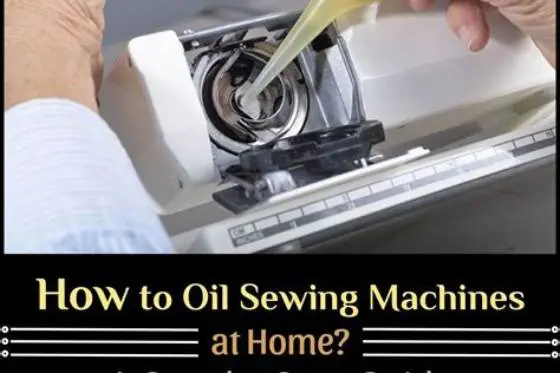
Your manual decides it. If the maker says oil, you oil. If the book says do not oil or calls the machine self-lubricating, sealed, or maintenance-free, you stay dry. That wording matters. Most modern computerized machines, many mid-range Brother and Janome models, and almost all embroidery-only machines are sealed. Vintage all-metal mechanicals, straight-stitch classics, and many heavy-duty mechanicals expect oil. Check the oiling page first. No page means no oil unless support confirms it.
Look for physical clues too. A mechanical that wants oil often shows visible oil wicks or felt pads around the hook race. You may see a tiny hole or a red dot near the needle bar, bobbin case, or handwheel. That marks an oil point. A sealed machine hides those marks. You will see plastic gears, a circuit board, and a closed motor housing instead. You will not see wicks. Still unsure? Call the maker with model and serial. That one check saves a gummed board.
A dry mechanical tells you by sound and feel. It gets louder, a little squeaky at the hook, and the handwheel feels tight. Stitches may skip as friction builds. That is different from a sealed machine that squeals after lint cleaning. That squeal is often lint on the hook or a timing issue, not thirst. Oil will not fix a burr or a bent needle. Use the Sewing Machine Doctor on this site to click the noisy spot and rule out lint, needle, or timing before you add anything. You will know which fix to try first.
Oil: what to use and what never to use
Use only clear sewing machine oil in a 1-2 oz bottle with a precision tip. It is a light, refined mineral oil that stays thin, does not gum, and wicks into the hook race without staining. The spec you need is simple: labelled sewing machine oil, clear and low-viscosity, with no additives. One small bottle lasts a couple of years for home use. Keep it capped and upright. That is the whole shelf you need. It helps to understand sewing tension issues before going further.
Never use 3-in-1 household oil, gun oil, WD-40, silicone spray, or cooking oil. The blue-can 3-in-1 and gun oils leave residue that thickens with lint. WD-40 is a solvent, not a lubricant, and it strips what is there. Cooking oil goes rancid and varnishes the hook. White lithium and Teflon sprays also attract lint and coat sensors. If the label does not say sewing machine oil, do not use it. The wrong oil costs more than the right one.
If you inherited a machine with old brown oil, do not add fresh oil on top. Old oil turns to varnish. Clean the bobbin area first, then add one fresh drop. If the machine sat for years, a service clean beats dripping more oil. Wrong oil or too much oil makes a sticky thread nest and a sluggish feed. Right oil in the right spot makes the hook whisper. You will feel it at the handwheel right away.
| Product | Use on home machines | Why / why not |
|---|---|---|
| Clear sewing machine oil | Yes | Thin, non-gumming, wicks into hook race |
| 3-in-1 household / gun oil | No | Leaves residue, thickens with lint |
| WD-40 | No | Solvent that strips lubricant |
| Cooking / olive oil | No | Goes rancid, gums hook |
| Silicone / Teflon spray | No | Coats sensors, attracts lint |
- clear oil stays thin and clean
- precision tip stops over-oiling
- household oils gum and attract lint
- sprays coat electronics

OAIEGSD 1oz Fine Light Sewing Machine Oil and Lubricant with Applicator
Quiets your hook race and bobbin area with one clear low-viscosity drop that won't stain fabric, and the 1 oz bottle with 1.5 inch precision tip puts it exactly where needed.
Prep: clean first, then oil, with power off
Prep stops two common mistakes: oiling over lint and oiling while the machine can move. Unplug the machine. Not just off, unplugged. Remove the needle, presser foot, bobbin, and bobbin case. Remove the needle plate. You need a clear view of the hook race and feed dogs. Put the parts in a small tray so nothing rolls. Good light helps. You will see lint you missed before. For the detail, see our notes on how to clean a sewing machine.
Clean before you oil. Use a small lint brush and a dry microfiber swab. Lift lint from the feed dogs, hook race, and under the needle plate. Do not use compressed air. It drives lint deeper into boards and motors. Do not use water or alcohol on the hook. If you see thick brown residue, that is old oil. Wipe it gently, do not scrape. A clean hook drinks one drop. A linty hook makes paste.
Set a scrap of muslin ready for the test run. Have one lint-free swab or folded muslin corner to wick excess. Keep the oil bottle upright and closed until the moment you need it. Work on a stable table at waist height. You want steady hands. One drop needs a steady hand.
- Unplug the machine and switch it off at the wall.
- Remove needle, presser foot, bobbin, bobbin case, and needle plate.
- Brush lint from hook race, feed dogs, and under plate; pick out threads with tweezers.
- Wipe hook race with dry swab; leave it dry and lint-free.
- Keep oil capped until you are at the oiling step; set scrap fabric nearby.
- Wash hands so oil does not carry lint back in.
One drop in the right place quiets a noisy hook; one drop in the wrong place ruins tension discs for weeks.
How to oil a sewing machine: where one drop goes and where oil hurts
On a machine that needs oil, you oil only the points your manual marks. For most manuals that means one drop at the hook race and, if shown, one drop at each marked wick. The hook race is the shiny ring the bobbin case or hook sits in. Put one drop where the hook rotates, then turn the handwheel slowly toward you to spread it. If your diagram shows a needle bar wick or a handwheel hole, give each one drop only. That is it. Before you commit to anything, it is worth looking at loud noise sewing machine.
Stay away from places that must stay dry. Do not oil tension discs, thread guides, belts, rubber feed dog parts, or any electronics. Oil on tension discs causes slipping and uneven tension you cannot dial out. Oil on belts makes them slip and squeal. Oil near a circuit board or motor can creep and damage it. If you cannot see metal-on-metal movement, do not oil it. When in doubt, leave it dry.
You will know you hit the right spot because the handwheel turns smoother and the hook looks wet, not dripping. If oil pools, you used too much. Wipe it. If the manual shows no points, close the machine and sew. A sealed machine that is noisy after cleaning needs lint removal, a new 80/12 needle, or service, not oil. The Sewing Machine Doctor helps you click the exact area and pick the next fix.
- Oil: hook race - one drop where hook turns, rotate handwheel to spread
- Oil if marked: needle bar wick, handwheel oil hole - one drop each
- Do not oil: tension discs, thread path, belts, feed dog motor, boards, display
Amount: how much is enough and how to wick and test
Think in drops, not squeezes. One drop per point is enough. A drop is about the size of a pin head. If your bottle has a long tip, touch the tip near the metal and let one drop fall. Do not flood. Flooded oil sprays onto fabric and drags lint into a paste. Less is more here. You can always add one more drop later. You cannot easily remove a flood. It helps to understand testing power source before going further.
Wick excess right away. After you turn the handwheel a few times, press a dry swab or muslin corner into the hook race to pick up the extra. Wipe the needle plate and bobbin case lightly. Leave a faint film, not a puddle. Check the needle bar too if you oiled it. No oil should run. If you see a run, you left too much. Wipe again. This step protects your next project from spots.
Test-sew on scrap before your project. Put in a fresh 80/12 needle, re-thread with presser foot up, and sew 30 seconds on folded muslin at medium speed. Look for spots, listen for quiet, feel for smooth feed. If the scrap shows oil dots, sew a little longer on scrap and re-wipe. If the squeak stays, stop. More oil will not fix it. Clean again or book service. A good test tells you in under a minute.
- Add one drop to hook race, rotate handwheel 4-5 turns toward you.
- Wick excess with dry swab; leave a light film only.
- Reassemble bobbin case, plate, foot, and new needle.
- Re-thread with foot up; sew 30 seconds on muslin.
- Check scrap for spots and listen; wipe once more if needed.
Schedule: how often to oil and what dry vs over-oiled sounds like
For a mechanical that needs oil, a simple schedule works. Oil after every 8-12 hours of sewing or after a big linty project like quilting cotton or fleece. If you sew an hour a week, that is about once a month. If you sew daily, check weekly. Always clean lint first, then oil. Frequency depends on dust, fabric lint, and speed. Heavy, linty fabrics need cleaning more often, not more oil.
Learn the sound. A dry hook is louder and a bit scratchy, with a tight handwheel. It may skip or feel draggy. An over-oiled machine is quiet but messy. You will see oil spots on scrap, thread nests that feel slick, and lint clumping into paste in the hook race. Over-oiling also attracts more lint, so the machine gets dirty faster. If you see spots or paste, wipe out excess and sew longer on scrap. Do not add more.
Sealed, self-lubricating machines do not join this schedule. You clean them, you do not oil them. If a sealed machine gets noisy, change the needle, re-thread with foot up, clean lint, and try the right bobbin. If noise stays, it needs service. A good rule of thumb: clean often, oil only when the manual says so, and never oil to chase a noise you have not cleaned for. That habit keeps both types happy.
- Needs oil soon: louder hook, tight handwheel, light squeak that eases with one drop
- Over-oiled: spots on fabric, slick nests, lint paste in hook race
- Sealed machine: no routine oil; clean lint, new needle, then service if noise stays
Still wondering?
Can I use 3-in-1 oil or WD-40 in a pinch?
No. Both leave residue or strip lubricant and attract lint. They can gum the hook and coat sensors. Wait for clear sewing machine oil. It is the only oil made to stay thin in a linty hook race.
My manual says do not oil. Should I still add a drop to the hook?
No. Sealed machines use grease or permanent wicks and have electronics near the hook. Oil can creep onto boards and belts. Clean lint, change the needle, and re-thread with the foot up. If it still squeals, book service.
How do I know I used too much oil?
You will see dots on scrap, feel a slick thread nest, or find lint paste in the hook race. Wipe the race with a dry swab, sew 30 seconds on muslin, and check again. Repeat until the scrap stays clean.
Where exactly is the hook race?
It is the polished metal ring under the needle plate where the bobbin case or hook sits and turns. Your manual marks it with an oil drop icon. Add one drop there, turn the handwheel toward you, then wick excess.
How often should I oil a vintage mechanical?
After 8 to 12 hours of sewing or after a dusty, linty project. Always clean lint first. If you sew little, monthly is plenty. If you sew daily, check weekly. One drop per marked point each time.