Lint nests under the needle plate: what to clean and what not to oil
Clean lint nests under the needle plate by turning off the machine, removing the needle, foot, and plate, then brushing or vacuuming lint especially from the bobbin case and feed dogs. Avoid compressed air and oil only when your machine requires it, usually just one drop on the hook race.
On this page (9 sections)
- The short version
- Tools safe to use and what never to use
- How to power off, remove needle, foot and needle plate
- Where lint hides along the thread path
- How to brush and vacuum lint out and when to lift out the bobbin case
- Which machines need oil, where one drop goes, and which modern machines must stay dry
- How often to clean
- How to reassemble, rethread and run a stitch test to confirm lint removal
- Still wondering?
Part of our guide on best online sewing classes for beginners
Key figures
- Lint spots
- bobbin case, feed dogs, tension discs
- Oil drops
- usually 1 drop on hook race
- Needle size
- match needle to your fabric and thread
- Cleaning frequency
- check manual, clean when lint appears
- Compressed air
- never use
The short version
- Lint gathers in the bobbin case, hook race, feed dogs, and tension discs along the thread path.
- Remove needle, foot, and needle plate before cleaning to access lint nests safely.
- Use a soft brush and a low-suction vacuum to clear lint; never use compressed air or water.
- Oil only if your machine needs it, applying one drop on the hook race if required.
- Run a stitch test after cleaning to confirm smooth stitching before sewing.
Tools safe to use and what never to use
Use a small soft brush and a vacuum on low suction with a brush attachment to remove lint from your machine’s interior. These tools clear debris without pushing lint deeper.
Avoid compressed air. It forces lint and dust deeper into delicate parts, causing damage or rust. Do not use water or household oils, as they attract dust and cause gumming.
Only use sewing machine oil if your manual says to. Household oils or WD-40 can harm your machine.
- Safe tools - soft brush, vacuum on low suction with brush attachment
- Unsafe tools - compressed air, water, household oils
- Oil - use only sewing machine oil if manual allows
How to power off, remove needle, foot and needle plate
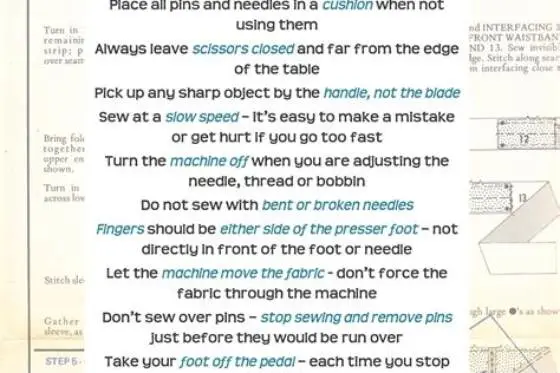
Turn off and unplug your sewing machine to prevent accidental starts. Lower the needle until the tip is visible but not piercing fabric. We go through safety rules for sewing step by step elsewhere on the site.
Loosen the needle clamp screw and slide the needle downward to remove it. Detach the presser foot using its release lever or by loosening the screw, depending on your model.
Use the correct screwdriver to unscrew the needle plate screws and lift the plate off. This exposes the bobbin case, feed dogs, and hook race where lint nests.
Store screws in a small container to avoid losing them. Refer to your manual for specific screw locations and parts removal instructions. We go through sewing machine oiling step by step elsewhere on the site.
- Turn off and unplug the machine
- Lower needle and loosen clamp to remove needle
- Remove presser foot by release lever or screw
- Unscrew needle plate and lift it off to expose lint areas
Where lint hides along the thread path
Lint mostly collects in the bobbin case, hook race, feed dogs, and tension discs under the needle plate. These parts rub against thread and fabric, shedding fibers.
Tension discs trap fine lint that can affect thread tension, causing skipped stitches or thread bunching. You can see lint by gently lifting the thread path cover or tension discs if your machine allows.
Lint in these areas restricts thread movement and causes jams, so clean them carefully. We cover how to thread a sewing machine in its own article.
- Bobbin case - lint builds around thread take-up
- Hook race - needs cleaning and lubrication if manual says
- Feed dogs - fibers collect around teeth
- Tension discs - collect lint affecting tension

Follow the actual thread path under your machine needle plate to clean lint nests without causing damage or adding unnecessary oil.
How to brush and vacuum lint out and when to lift out the bobbin case
Use a small, soft brush to sweep lint from the bobbin case, feed dogs, hook race, and tension discs. Vacuum with low suction and a brush attachment to remove loose fibers without pushing lint deeper.
Remove the bobbin case only if your manual shows it is removable and you see lint inside. Machines with fixed bobbin cases require careful cleaning around the case without forcing removal.
Lift out the bobbin case gently if removable; it should come out smoothly. Cleaning inside prevents thread jams. It helps to understand how to sew a zipper before going further.
Do not disassemble tension discs. Clean them by brushing lint away gently without prying them apart to avoid damage.
- Brush lint from bobbin case, feed dogs, hook race and tension discs
- Vacuum with brush attachment on low suction
- Remove bobbin case only if manual says it’s removable and lint is inside
- Check feed dogs for trapped fuzz
Which machines need oil, where one drop goes, and which modern machines must stay dry
Refer to your manual to know if your machine needs oil. Many modern machines have sealed bearings and do not require oiling. Adding oil where not needed causes dust buildup and damage.
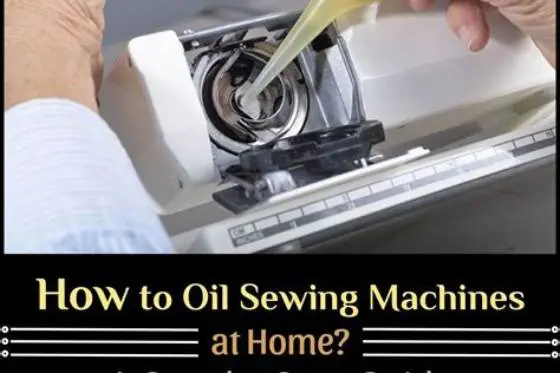
If oiling is required, use only sewing machine oil. Older mechanical or vintage machines usually need one drop on the hook race, the rotating part around the bobbin.
Apply oil only on points your manual specifies. Too much oil stains thread and fabric and causes gumming. Use an oiler for precise drops.
After oiling, wipe excess oil from surfaces to prevent it from staining fabric during sewing. Test stitch on scrap fabric to check for oil stains.
| Machine type | Oil needed? | Oil location if yes |
|---|---|---|
| Vintage mechanical | Yes, per manual | One drop on hook race |
| Modern computerized | No, keep dry | No oiling needed |
| Industrial machines | Yes, per manual | Multiple points per manual |

Singer All Purpose Sewing Machine Oil
No information if the oil is 100% pure sewing machine oil as required.
How often to clean
Follow your machine’s manual for cleaning intervals. Clean whenever you see lint buildup under the needle plate or if stitching shows problems.
For lint-heavy projects like quilting or embroidery, cleaning after a few hours of use helps avoid jams. Light sewing means less frequent cleaning.
Heavy or fuzzy fabrics shed more fibers. Check feed dogs and bobbin areas often and clean when you spot lint.
Adjust cleaning frequency based on your projects, fabric, and thread. When in doubt, inspect and clean regularly to keep stitching smooth.
- Inspect after large projects or when lint is visible
- Clean more often for lint-heavy work
- Adjust by fabric type and thread weight
- Follow your manual’s recommended schedule
How to reassemble, rethread and run a stitch test to confirm lint removal
Replace the needle plate and tighten screws firmly. Reattach the presser foot. Insert a new needle sized for your fabric and thread; for example, sizes range from 70/10 for lightweight to 100/16 for heavy fabrics.
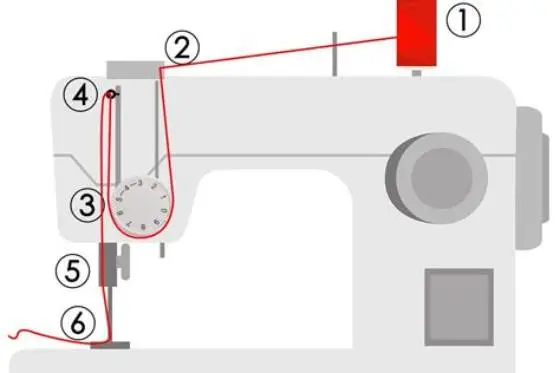
Rethread the upper thread with the presser foot raised to seat thread properly in the tension discs. Place the bobbin in correctly with the thread feeding the right direction.
Run a stitch test on scrap fabric using your usual settings. Check for even, smooth stitches and listen for any odd sounds.
If stitches are uneven or thread nests appear, clean again or seek professional help. Persistent jams might mean mechanical issues beyond lint.
- Replace needle plate and tighten screws
- Attach presser foot
- Insert new needle matching your fabric and thread
- Rethread upper thread with presser foot up
- Insert bobbin correctly
- Run stitch test on scrap fabric
Still wondering?
Can I use compressed air to clean my sewing machine?
No. Compressed air pushes lint and dust deeper into delicate parts, causing damage. Use a soft brush and a low-suction vacuum with a brush attachment instead.
How do I know if my machine needs oil?
Check your manual. Vintage mechanical machines usually need a drop of oil on the hook race. Modern machines often have sealed parts and do not require oil.
How often should I clean lint from my machine?
Clean when lint is visible or after large projects. Lint-heavy sewing like quilting needs more frequent cleaning. Adjust based on your fabric and thread. Follow your manual’s advice.
Is removing the bobbin case necessary for cleaning?
Remove the bobbin case only if your manual says it’s removable and you see lint inside. If it’s fixed, clean around it carefully without forcing removal.
How do I clean tension discs safely?
Do not disassemble the tension discs. Use a small soft brush to gently remove lint without prying them apart to avoid damage.