Which stitch to use when your fabric stretches, frays or puckers
Use a straight stitch for stable woven fabrics; switch to zigzag or stretch stitches for knits or elastic seams to avoid popping and puckering. Overcast stitches stop fraying on woven edges. Adjust stitch length, width, and tension on a scrap before sewing your project.
On this page (8 sections)
- The short version
- Straight stitch: when it holds and why it pops on knits
- Zigzag vs overcast/overedge for fraying wovens and seam finishing
- Stretch stitches (tricot, lightning, triple straight) for knits and elastic seams
- Basting, blind-hem and buttonhole stitches and when to use each
- Stitch length, width and tension tweaks and how to test on a scrap first
- Types of sewing machine stitches and when to use them
- Still wondering?
Part of our guide on beginner sewing courses
Key figures
- Straight stitch max stretch
- 5% stretch
- Zigzag stitch width
- 1.5-5 mm
- Stretch stitch type
- tricot, lightning
- Typical stitch length
- 2.5-3 mm
- Needle size for knits
- 75/11-80/12
- Overcast stitch use
- woven edges
- Basting stitch length
- 5-7 mm
The short version
- Straight stitch holds firm on stable woven fabrics but can pop on knits.
- Zigzag and overcast stitches prevent fraying on woven edges differently.
- Stretch stitches like tricot and triple straight work best for knits and elastic.
- Basting, blind-hem, and buttonhole stitches each serve distinct temporary or decorative roles.
- Testing stitch settings on fabric scraps avoids puckering and tension issues.
Straight stitch: when it holds and why it pops on knits
Straight stitch is the classic, single-line stitch that sews fabrics securely when they don’t stretch much. It usually stretches up to 5% without breaking. This makes it great for woven fabrics like cotton or linen that stay firm under tension.
However, on knit or stretchy fabrics, straight stitches often pop because the fabric stretches more than the stitch can handle. When you press or wear the garment, the stitches break or the seam puckers. This happens because straight stitches don’t have built-in elasticity.
To avoid popping, switch to stretch stitches or zigzag on knit fabrics. You’ll know straight stitch failed if you see broken threads or puckering exactly where the fabric stretches. Try a test seam on scrap knit fabric to check if the stitches hold before using straight stitch.
Zigzag vs overcast/overedge for fraying wovens and seam finishing
Woven fabrics tend to fray on cut edges, which makes seam finishing essential. Zigzag and overcast stitches both prevent fraying but work differently. Zigzag stitch forms a side-to-side pattern that covers the raw edge and allows some stretch. If that sounds like your situation, read up on getting a professional pant finish next.
Overcast or overedge stitches, typically done by sergers, wrap thread around the edge tightly and give a cleaner finish for woven fabrics that do not stretch. Overedge stitches use multiple threads and cut the excess fabric as they sew, trimming and finishing the edge in one pass.
Zigzag is convenient on a standard machine and suits home sewists for light to medium-weight wovens. Overcasting works best for heavy fraying fabrics or when a professional look is needed. Test both on scrap to see which edge finish suits your fabric and project durability needs.
| Feature | Zigzag Stitch | Overcast/Overedge Stitch |
|---|---|---|
| Machine type | Standard sewing machine | Specialty serger or overlocker |
| Edge coverage | Covers raw edge with side-to-side stitches | Wraps thread tightly around edge |
| Fabric suitability | Light to medium woven | Heavy fraying wovens |
| Finish look | Moderate neatness | Professional, trimmed edge |
| Stretch allowance | Some stretch | Minimal stretch, strong finish |
Stretch stitches (tricot, lightning, triple straight) for knits and elastic seams
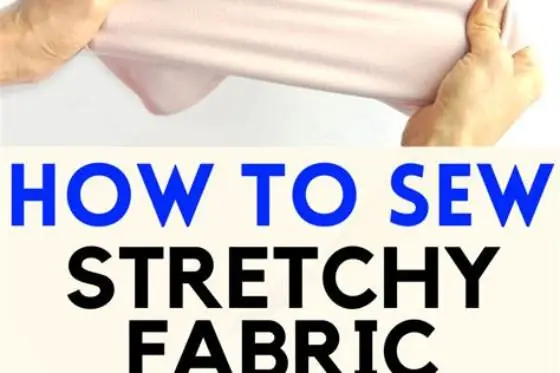
Stretch stitches are designed to hold seams on knit and elastic fabrics that stretch beyond 5%. The common ones include tricot stitch, lightning stitch, and triple straight stitch. These stitches create extra loops or multiple passes to allow fabric stretch without popping. If that sounds like your situation, read up on how to sew stretch fabric with a regular sewing machine next.
Tricot stitch forms a zigzag with a straight stitch base, ideal for activewear and swimwear. Lightning stitch looks like a lightning bolt and offers moderate stretch. Triple straight stitch repeats each stitch thrice for strength and flexibility on heavy knits.
Adjust the stitch length and width according to your fabric’s stretch level. Use a ballpoint needle sized 75/11 or 80/12 to avoid damaging knit fibers. Test these stitches on knit scraps under stress to ensure they hold without puckering or breaking.
| Stitch Type | Appearance | Best for | Stretch Capability |
|---|---|---|---|
| Tricot | Zigzag with straight base | Activewear, swimwear | High stretch |
| Lightning | Sharp zigzag | Moderate stretch knits | Medium stretch |
| Triple Straight | Three straight stitches per pass | Heavy knits, elastic seams | Strong and flexible |
This guide shows exactly when straight stitch fails and which alternative stitch prevents fabric damage and messy seams.
Basting, blind-hem and buttonhole stitches and when to use each
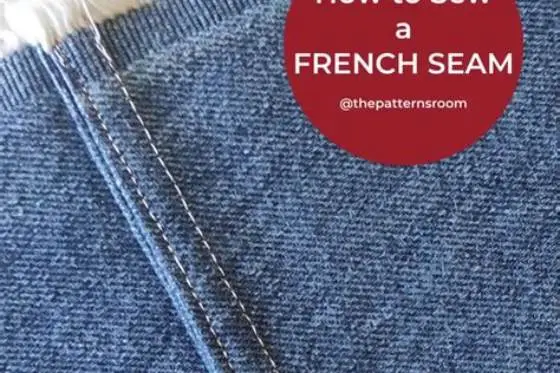
Basting stitches are long, loose stitches used to temporarily hold fabric layers in place. They’re easy to remove and perfect for fitting your project before final stitching or for delicate fabric control. The other half of this decision is French seam technique.
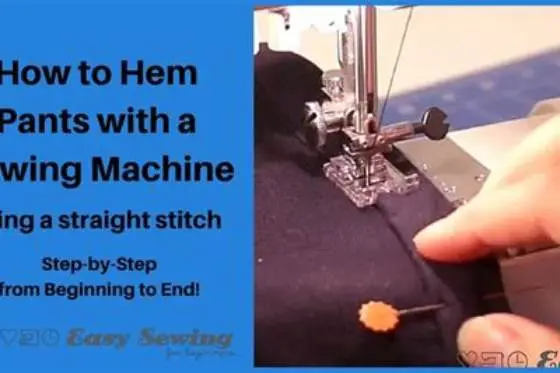
Blind-hem stitches hide the hem thread on the right side of the fabric for a nearly invisible finish. They work well on medium to heavy woven fabrics where a neat hem is essential, like skirts or pants. The stitch length is short, and machine settings allow minimal thread catch on the fabric face.
Buttonhole stitches secure buttonholes with dense, reinforced stitching. They prevent fabric fraying around the hole and strengthen the area for repeated button use. Most machines have a buttonhole setting to automate this, but precise fabric stabilizing is necessary to avoid puckering.
- Basting: Temporary hold, long stitches, easy removal
- Blind-hem: Nearly invisible hem finish, short stitch length
- Buttonhole: Reinforced hole stitching, prevents fraying, machine preset
Stitch length, width and tension tweaks and how to test on a scrap first
Adjusting stitch length and width is key to perfect sewing. Longer stitches (4-5 mm) suit basting or delicate fabrics, while shorter stitches (2-3 mm) are stronger for seams. Wider zigzags give more edge coverage, narrow ones less stretch.
Tension controls thread tightness; too high causes puckering, too low creates loose loops. The correct tension varies by fabric and thread weight. Use a test scrap of your fabric to sew sample stitches and check for puckering, thread loops, or loose stitches.
Raise the presser foot before threading to avoid thread nests and check bobbin winding. Repeat adjustments in small increments, and note settings that work. This is the best way to ensure your seam will hold and look good, avoiding wasted fabric.
- Cut a scrap piece of fabric matching your project.
- Set stitch type, length, and width on your machine.
- Sew a test seam along the scrap's edge.
- Check both fabric sides for puckering or loops.
- Adjust tension or stitch settings and retest until perfect.
Types of sewing machine stitches and when to use them
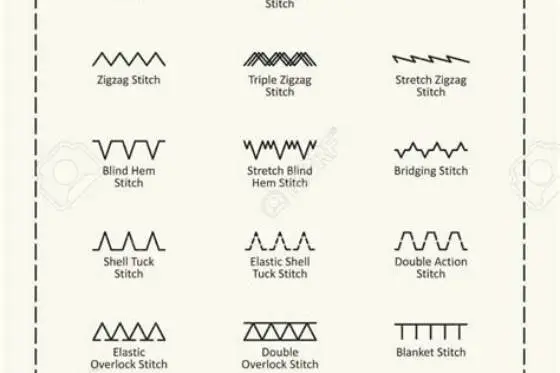
Choosing the right stitch depends on fabric type and sewing purpose. Straight stitches hold firm on stable woven fabrics but fail on stretches. Zigzag stitches help finish edges and add stretch on knits.
Stretch stitches like tricot or triple straight keep seams strong when fabric stretches repeatedly. Overcast stitches finish raw edges cleanly on wovens but don’t stretch. Basting holds fabric temporarily, blind-hem hides hems, and buttonhole stitches prepare openings.
Always test your chosen stitch on fabric scraps to avoid puckering or seam failure. If seams pop or edges fray, switch stitches accordingly. Stitch length, width, and tension adjustments are essential to match your fabric’s behavior.
Decorative stitches add style and function beyond basic seams. Common types include scallops, shells, and feather stitches. Use them to embellish hems, collars, or pockets. Decorative stitches require careful tension and test sewing to avoid puckering or thread breakage.
For heavy fabrics like denim or canvas, use strong stitches such as triple straight or reinforced zigzag. These stitches add durability to stress points like crotches or elbows. Adjust stitch length to about 3 mm to prevent fabric damage while ensuring seam strength.
Matching thread type also matters. Polyester thread suits most fabrics with some stretch, while cotton thread fits natural fibers with less stretch. Using the wrong thread can cause seams to pop or look uneven. Test thread and stitch combos on fabric scraps before final sewing.
| Stitch Type | Best Fabric Type | Purpose | Signs You Need to Switch |
|---|---|---|---|
| Straight | Stable woven | Seams | Seams pop or pucker on stretch fabrics |
| Zigzag | Wovens & knits | Edge finishing & stretch | Fraying edges or seams breaking |
| Stretch stitches | Knits & elastic | Stretch seams | Seams pop or lose shape |
| Overcast | Wovens | Raw edge finishing | Fraying persists after zigzag |
| Basting | All | Temporary hold | Final stitching needed |
| Blind-hem | Wovens | Invisible hems | Hem thread visible |
| Buttonhole | All with buttons | Buttonholes | Holes fray or enlarge |
Still wondering?
Why do straight stitches pop on knit fabrics?
Straight stitches can’t stretch beyond about 5%, so when a knit fabric stretches more, the stitches break. Use stretch stitches for knits.
Can I use zigzag stitching to finish all fabric edges?
Zigzag works well on light to medium woven fabrics but may not prevent heavy fraying. Overcast stitches or sergers provide stronger edge finishing.
How do I know if my tension is too tight or loose?
If fabric puckers or the bobbin thread shows on top, tension is too tight. Loose loops on the fabric’s underside mean tension is too loose. Test and adjust on scraps.
What needle size should I use for stretchy fabrics?
Use ballpoint needles sized 75/11 or 80/12 for knits and stretchy fabrics to avoid snagging fibers.
When should I use basting stitches versus permanent stitches?
Use basting to temporarily hold fabric for fitting or control, then remove before sewing permanent seams.