How to sew stretch fabric on a regular machine without skipped stitches
Use a zigzag or stretch stitch, set tension slightly lower, choose a ballpoint needle size 75/11 or 80/12, and stabilize fabric to sew stretch fabric on a regular machine without skipped stitches.
On this page (8 sections)
- The short version
- Which stitch types on regular machines work for stretch fabric
- How to adjust tension and stitch length for stretch fabric
- Needle types suitable for stretch fabric on a standard machine
- Techniques to prevent fabric puckering and stretching while sewing
- How to troubleshoot common problems like thread breaks and skipped stitches
- How to sew stretch fabric with a regular sewing machine
- Still wondering?
Part of our guide on threading and winding for beginners
Key figures
- Needle size
- 75/11 or 80/12
- Tension setting
- Lower than normal
- Stitch length
- 2.5–3 mm
- Stitch type
- Zigzag or stretch
- Thread weight
- 50 wt polyester
- Presser foot pressure
- Medium to low
The short version
- Zigzag or stretch stitches prevent skipped stitches on stretch fabric.
- Lower tension and medium stitch length reduce puckering.
- Ballpoint needles penetrate knit fibers without damage.
- Use tissue or stabilizer under fabric to avoid stretching.
- Re-thread with presser foot up before blaming tension or thread.
Which stitch types on regular machines work for stretch fabric
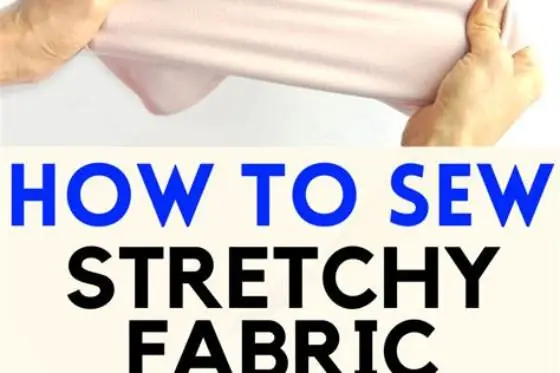
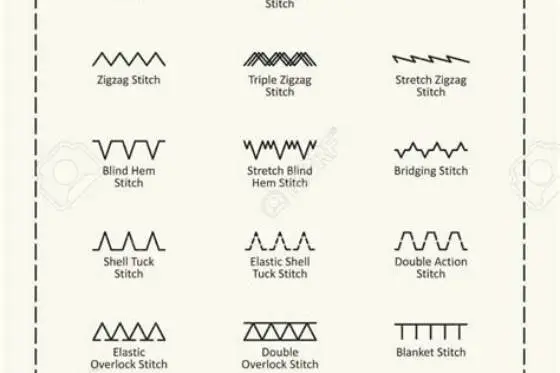
Zigzag stitch is your first choice for sewing stretch fabric on a regular machine because it allows the fabric to stretch without breaking the thread. This stitch width is usually set between 1.5 and 3 mm depending on fabric stretchiness.
Stretch stitches, if your machine has them, mimic the zigzag but with more elasticity. They produce a slight wave or triple stretch stitch that flexes well with the fabric.
Straight stitches generally cause skipped stitches or thread breaks on stretch fabrics unless the fabric has very little stretch or is stabilized. Avoid straight stitch for seams that must stretch.
Use your machine's stitch selector to pick zigzag or stretch stitch, and test on a scrap of your fabric first to find the right width and length. The other half of this decision is types of sewing machine stitches and when to use them.
| Stitch type | Elasticity | Thread break risk | Best use |
|---|---|---|---|
| Zigzag | Good | Low | All stretch seams |
| Stretch stitch | Excellent | Very low | Highly stretchy fabrics |
| Straight stitch | None | High | Non-stretch fabrics or stabilized areas |
How to adjust tension and stitch length for stretch fabric
Set your machine’s tension slightly lower than usual because stretch fabric offers less resistance against the needle and can pull thread tight, causing puckering or skipped stitches.
Lower tension settings vary by machine but start 1-2 numbers below the normal tension for woven fabric.
Stitch length should be longer than usual, typically 2.5 to 3 mm, to allow the fabric to move without bunching up. The other half of this decision is essential beginner sewing advice.
If the stitch length is too short, the fabric puckers and the seam becomes stiff, defeating the purpose of stretch fabric.
Always test tension and stitch length on a piece of scrap fabric and observe if the seam stretches without breaking or puckering.
If you set the tension too low, the thread loops on the underside of the fabric, causing loose, messy stitches that can catch or snag. Watch for loops appearing below the fabric as a sign to increase tension slightly. It helps to understand sewing machine pant hems before going further.
Some machines allow adjusting upper and lower tension separately. If so, try lowering upper tension first. If puckering persists, adjust bobbin tension carefully, but only if you know how. Testing on scraps is the best way to find the balance.
If your fabric is very stretchy, lengthen the stitch slightly more than usual, up to 3.5 mm. This prevents the fabric from bunching and keeps seams flexible. Short stitches on stretch fabric make seams stiff and prone to breaking when worn.
| Setting | Woven Fabric | Stretch Fabric |
|---|---|---|
| Tension | 4-5 (normal scale) | 2-3 (lower) |
| Stitch length (mm) | 2 - 2.5 | 2.5 - 3 |
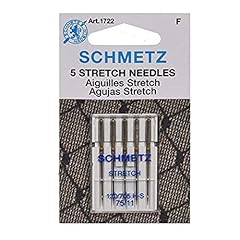
SCHMETZ Stretch 130/705 H-S 75/11 Needles Art. 1722
Sews stretch and highly elastic knits on your regular machine without skipped stitches using the correct 75/11 stretch needle with medium ball point.
Needle types suitable for stretch fabric on a standard machine
Ballpoint needles have a rounded tip that pushes aside fabric fibers rather than cutting them, preventing runs or holes in knits and stretch fabrics.
Choose needle sizes 75/11 or 80/12 depending on fabric weight; lighter weight fabrics need 75/11, medium to heavier knits need 80/12.
Stretch needles are similar to ballpoint but have a specially shaped eye and scarf to reduce skipped stitches on very stretchy fabrics.
Replace needles often when sewing stretch fabrics, typically after 8 hours of use, because a dull needle increases skipped stitches and fabric damage.
| Needle type | Tip shape | Recommended size | Best for |
|---|---|---|---|
| Ballpoint | Rounded | 75/11 | Light to medium stretch knits |
| Ballpoint | Rounded | 80/12 | Medium to heavy stretch fabrics |
| Stretch needle | Special eye & scarf | 75/11 - 80/12 | Highly elastic fabrics |
Adjust stitch type, tension, and needle on your regular machine to sew stretch fabric without puckers or skipped stitches.
Techniques to prevent fabric puckering and stretching while sewing
Stabilize the fabric by placing tissue paper or water-soluble stabilizer underneath the stretch fabric while sewing to reduce stretching and puckering. Remove after stitching.
Use your machine’s presser foot pressure adjustment to lower pressure slightly; too much pressure stretches the fabric as you sew.
Avoid pulling or pushing the fabric; guide it gently. Let the feed dogs pull the fabric through steadily.
Sew slowly and evenly. Speeding up increases the chance of puckers and skipped stitches.
If seams stretch out, consider using a walking foot to feed multiple fabric layers evenly without stretching.
If you notice your fabric is still stretching out of shape, try using a lightweight fusible interfacing on the wrong side of the fabric before sewing. This adds stability without bulk and stops the fabric from distorting.
Another trick is to use a twin needle for hemming stretch fabrics. It creates two parallel rows of stitching with a zigzag underneath, allowing the seam to stretch without breaking. This gives a professional finish on hems and cuffs.
Pin your fabric carefully, placing pins perpendicular to the seam line. Avoid pulling pins through the fabric, which can stretch or damage it. Use fine, sharp pins designed for knits to keep fabric flat and stable as you sew.
- Stabilize fabric under presser foot with tissue.
- Lower presser foot pressure to medium or low.
- Guide fabric gently without pulling or pushing.
- Sew slowly and consistently to avoid puckers.
- Use walking foot for bulky or multiple layers.
How to troubleshoot common problems like thread breaks and skipped stitches
Thread breaks usually happen when the needle is dull, the thread tension is too high, or the thread is old or weak. Replace the needle first, then re-thread the machine with the presser foot raised.
Skipped stitches often mean the needle is not suitable for stretch fabric or is bent. Switch to a ballpoint or stretch needle and check needle alignment.
Bobbin thread tension can also cause skipped stitches; check by holding the bobbin thread and seeing if it pulls easily but doesn’t unwind loose.
Lint buildup can cause thread to snag or tension problems. Clean lint from the machine, especially around the bobbin case, before sewing.
If problems persist, take the machine to a qualified repair shop for tension recalibration and servicing.
- Replace needle with ballpoint/stretch needle.
- Raise presser foot and re-thread upper and bobbin thread.
- Check bobbin tension by pulling bobbin thread gently.
- Clean lint from bobbin area and feed dogs.
- Test sew on scrap fabric and observe results.
How to sew stretch fabric with a regular sewing machine
Start by selecting a zigzag or stretch stitch on your machine, setting stitch width to about 2 mm and length to 2.5–3 mm.
Install a ballpoint needle size 75/11 or 80/12 and thread the machine with good-quality 50 wt polyester thread.
Adjust the tension dial 1-2 numbers lower than you use for woven fabric and reduce presser foot pressure slightly if your machine allows.
Place tissue paper or stabilizer under the fabric to prevent stretching and keep seams smooth.
Sew slowly and evenly without pulling the fabric, guiding it gently, and test seam stretch on scrap fabric before starting your project.
If your machine has a differential feed option, set it to a ratio above 1 to slightly gather the fabric as it feeds. This helps prevent stretching and puckering, especially on very stretchy fabrics like jersey or spandex blends.
When sewing curves on stretch fabric, sew slowly and use plenty of pins or clips to stabilize the fabric. Stretch fabrics can distort easily on curves, so taking care here prevents wavy seams and puckers.
After sewing, finish seam edges with a zigzag or overlock stitch to prevent fraying. Stretch fabrics can run if edges are left raw, and finishing keeps your garment durable and neat.
- Choose zigzag or stretch stitch and set length to 2.5–3 mm.
- Insert ballpoint needle (75/11 or 80/12) and thread machine with polyester thread.
- Lower tension 1-2 numbers and reduce presser foot pressure.
- Place tissue stabilizer under fabric to prevent puckering.
- Sew slowly, guide fabric gently, and test on scrap.
Still wondering?
Can I use regular polyester thread for stretch fabric?
Yes, 50 wt polyester thread works well for stretch fabric because it has some give and strong durability.
Why does my stretch fabric pucker when I sew?
Puckering happens when tension is too high, stitch length too short, or fabric is stretched while sewing. Adjust tension and stabilize fabric to fix this.
Is it necessary to buy a stretch needle?
Not always. Ballpoint needles often suffice for stretch fabrics, but stretch needles reduce skipped stitches on very stretchy knits.
How do I know if my tension is set right for stretch fabric?
Sew a seam on fabric scrap: if the seam lies flat and stretches without thread breaking or puckering, tension is right.
What if my machine skips stitches even after adjustments?
Try replacing the needle, re-threading with presser foot up, and cleaning lint. Persistent issues may need professional service.