How to hem dress, knit, or denim pants with a sewing machine
Use your sewing machine with a straight or blind hem stitch, adjusting needle and thread to the pant fabric (denim, knit, or dress pants) after preparing the hem with proper pressing and measuring. This ensures an even, durable hem.
On this page (8 sections)
Part of our guide on threading and winding for beginners
Key figures
- Common needle size
- 80/12 EU/US
- Thread weight
- 50 wt
- Typical hem allowances
- 1-2 inches
- Blind hem stitch length
- 2.5 mm
- Straight stitch length
- 2.5 mm
The short version
- Prepare pants by ironing and measuring before cutting.
- Choose stitch type based on fabric: straight for denim, blind hem for dress pants, stretch stitch for knits.
- Use appropriate needle size and thread weight for fabric type.
- Press hems well for neat finishes and ease of sewing.
- Check hem length several times before final stitching.
How to prepare pants for hemming
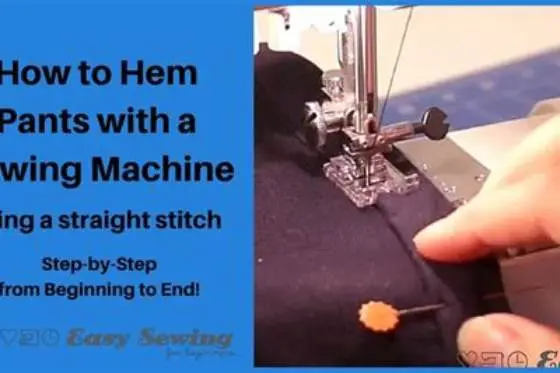
Start by putting on the pants and marking where you want the hem to fall. Use pins or tailor’s chalk to mark the length while standing to get an accurate fit. Ideally, the hem allowance should be between 1 and 2 inches (2.5 to 5 cm), depending on fabric weight and style.
Next, remove the pants and lay them flat. Fold the fabric to the marked length, then press the fold firmly with an iron using the setting suitable for your fabric: higher heat for denim, lower for knits. Pressing creates a crisp edge to sew against and prevents fabric shifting.
Finish by pinning or clipping the hem in place all around, keeping the fabric smooth and even. Check that both pant legs match in length by measuring with a ruler or tape measure. This preparation is the foundation for a balanced, professional hem.
Machine stitch types for hems
Choose the stitch that suits your fabric. For woven dress pants, a straight stitch with a length of about 2.5 mm works well to secure the hem cleanly. For denim, use a heavy-duty needle with a straight stitch or double topstitch for durability. There is more on matching pattern to bust size in a separate guide.
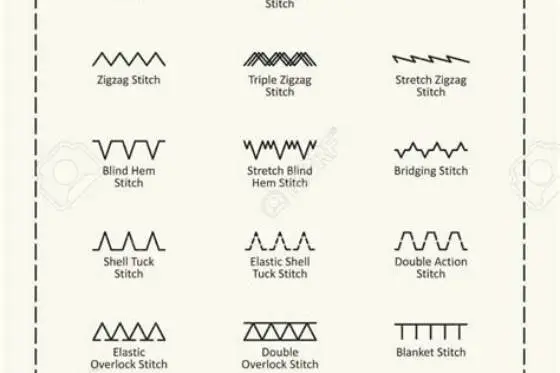
Knit fabrics require a stretch stitch or a narrow zigzag stitch to allow the hem to stretch without breaking the thread. Most home machines offer a blind hem stitch, which hides the thread on the right side and is popular for dress pants.
Adjust stitch tension and length to match your fabric’s thickness and elasticity. Test on a scrap piece to avoid puckering or skipped stitches, which are common when settings don’t match fabric properties.
| Fabric | Stitch Type | Stitch Length | Needle Type |
|---|---|---|---|
| Dress Pants (Woven) | Straight Stitch or Blind Hem | 2.5 mm | Universal 80/12 |
| Denim | Straight Stitch or Double Topstitch | 2.5-3 mm | Denim/Jeans Needle 100/16 |
| Knits | Stretch Stitch or Narrow Zigzag | 1.5-2 mm | Ballpoint Needle 80/12 |

SCHMETZ Jersey Ball Point Sewing Machine Needles
Keeps your knit pants from snagging or skipping while hemming with the rounded 80/12 ball point that slides between stretch fibers.
Hemming dress pants vs jeans vs knits
Dress pants require a smooth, nearly invisible hem. Fold the fabric twice to enclose the raw edge, then use a blind hem stitch to catch only a few threads on the outer fabric. This keeps the hem discreet and professional. There is more on sewing machine stitch types in a separate guide.
Jeans need a sturdier hem with a heavier needle and thread. Fold once or twice as preferred, often 1.5 inches (4 cm) wide, and stitch with heavy-duty thread. A topstitch line with a denim needle keeps the hem strong and resists wear.
Knits need flexibility. Fold once or twice, depending on fabric weight, and sew with a stretch stitch. Avoid straight stitching alone, which breaks when the fabric stretches. A ballpoint needle prevents damage to knit fibers.
Each fabric type demands a different approach to folding, stitching, and needle choice. This tailored process ensures the hem lasts and looks right. It helps to understand safe cleaning steps for machines before going further.
Clear, step-by-step hemming methods tailored to dress pants, denim, and knits ensure your pants fit perfectly using your sewing machine.
Using a blind hem stitch
The blind hem stitch hides thread on the pant’s face. Fold the hem with a slight roll so just a few fabric threads catch the needle when sewing. Set your machine to the blind hem setting, usually a combination of straight and zigzag stitches.
Adjust stitch width to barely catch the fabric outside the hem fold. A test on scrap fabric helps perfect tension and width. The stitch should be strong but invisible when the pant hangs.
Carefully guide the hem under the presser foot so the zigzag just touches the outer fabric threads. Press the finished hem flat. Proper use of the blind hem stitch produces a clean, tailored finish.
- Fold and press the hem with a small roll to expose edge.
- Set machine to blind hem stitch and adjust stitch width.
- Pin or clip hem to maintain fold shape.
- Sew slowly, guiding fabric to catch minimal threads.
- Press hem flat after sewing.
Tools and settings needed
You need pins or clips to hold hems, a tape measure or ruler for accuracy, and an iron for pressing. Use a sewing machine with adjustable stitch type, length, and tension.
Select thread close to your pant color. Polyester thread around 50 weight is durable for most hems. Match needle size and type to fabric: universal 80/12 for dress pants, denim 100/16 for jeans, ballpoint 80/12 for knits.
Set stitch length to 2.5 mm for straight stitches; adjust for stretch stitch or blind hem stitch as per fabric. Test all settings on fabric scraps for best results before hemming pants.
- Pins or clips– hold hem securely
- Tape measure– ensure even length
- Iron– press folds crisp
- Sewing machine– adjustable stitch options
- Thread– polyester 50 wt matching fabric
- Needles– universal 80/12, denim 100/16, ballpoint 80/12
Tips for even hems
Measure both pant legs multiple times before cutting or sewing. Use a ruler or hem gauge to keep lengths consistent. Mark the hemline clearly with chalk or fabric pen.
Pin evenly spaced along the hemline, about 1-2 inches (2.5-5 cm) apart, and press the hem flat after pinning to reduce shifting during sewing.
Sew slowly, guiding fabric steadily. After sewing one leg, compare both legs by holding them side-by-side. Make small adjustments on the second leg if needed.
Iron the completed hems flat and try the pants on to verify length and fit. Adjust if the hem feels heavy or the fabric puckers, which indicates tension or stitch length needs adjusting.
- Mark desired hem length on both legs.
- Use pins every 1-2 inches to secure hem.
- Press hem fold before sewing.
- Sew slowly, checking length as you go.
- Compare legs side-by-side after sewing.
Still wondering?
Can I use the same needle for all pant fabrics?
No. Use a universal needle (80/12) for woven dress pants, a denim needle (100/16) for jeans, and a ballpoint needle (80/12) for knits. This prevents fabric damage and ensures stitch quality.
How much fabric should I allow for hemming pants?
Hem allowances typically range from 1 to 2 inches (2.5 to 5 cm). Heavier fabrics like denim need more allowance; lighter fabrics may need less. Always measure on yourself to decide.
Is a blind hem stitch necessary for all hems?
No. Blind hem stitches work best for dress pants to hide hems. For jeans, straight or topstitching is stronger. Knits benefit from stretch stitches rather than blind hems.
What thread should I use for hemming different fabrics?
Use polyester thread around 50 weight. It’s strong and slightly elastic, fitting most fabrics including denims and knits. Match thread color to fabric for an invisible finish.
How do I avoid puckering when hemming knits?
Use a ballpoint needle and a stretch stitch or narrow zigzag stitch. Reduce thread tension and sew slowly. Press the hem gently with a low heat iron after sewing.
Can I hem pants without a sewing machine?
Yes, but a machine stitch is more durable and professional. Hand sewing takes longer and may not stretch with fabric. A sewing machine provides consistent, strong hems.