Handwheel won't turn? How to free a jammed sewing machine safely
Unplug the machine, set the needle to the highest position, do not force the handwheel. Cut jammed threads and remove any stuck fabric or bobbin case. Rock the handwheel gently by hand to free it without bending the needle or damaging timing.
On this page (9 sections)
- The short version
- Why the handwheel locks: common causes
- What to do first: power off and needle position
- How to rock and free the handwheel without bending the needle
- When and where to cut thread and remove fabric, needle, and bobbin case
- How to clear thread from under the throat plate, feed dogs and hook
- How to test handwheel movement, rethread and sew a test seam before resuming
- Sewing Machine Doctor: how it helps with handwheel jams
- Still wondering?
Part of our guide on stitches skipping on machine
Key figures
- Needle position
- Highest point
- Handwheel force
- Never forced
- Thread weight
- 50 wt recommended
- Needle size
- 80/12 EU/US
- Power status
- Unplugged
- Rocking force
- Gentle hand pressure
- Jam clearing steps
- 5-step sequence
The short version
- Always power off before working on a jammed handwheel to avoid injury or damage.
- Never force the handwheel; gentle rocking reveals where the jam is.
- Cut thread jams before trying to turn the wheel to prevent needle bending.
- Clear thread nests around the bobbin case, feed dogs, and under the throat plate.
- Test handwheel rotation and sew a trial seam before resuming your project.
Why the handwheel locks: common causes
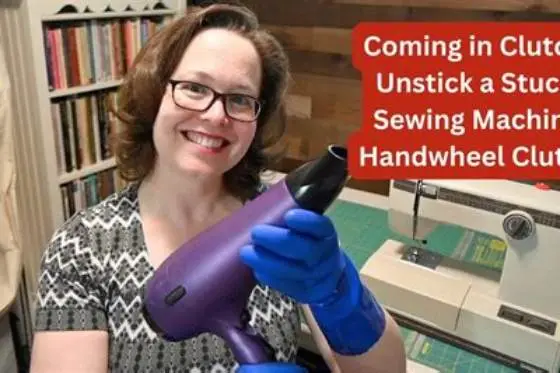
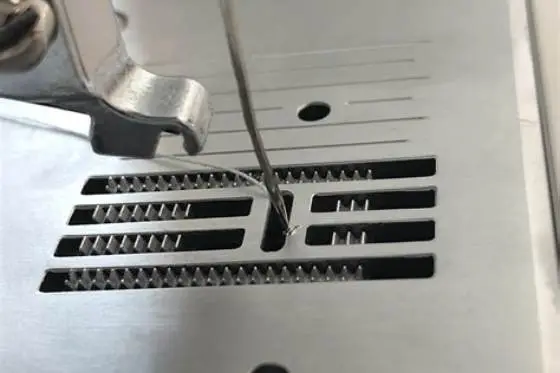
A typically stuck handwheel usually results from a thread nest catching under the bobbin case or feed dogs. These nests form when thread tangles during sewing or rethreading.
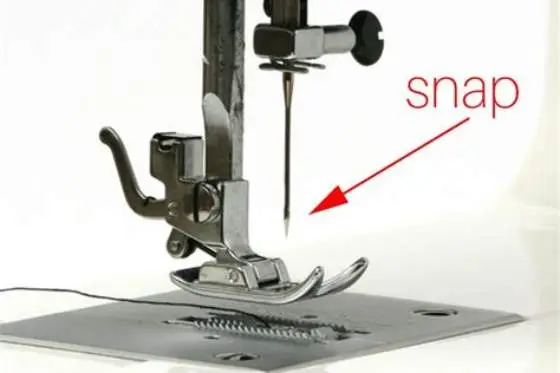
Another frequent culprit is the needle catching the throat plate or fabric caught under it. This physically blocks the handwheel's rotation and risks bending the needle.
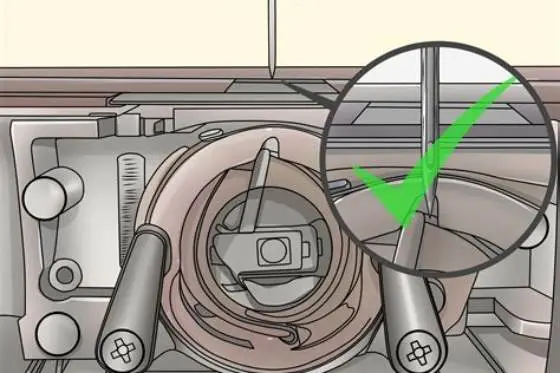
A jammed bobbin case or hook mechanism can also lock the handwheel. Lint or debris buildup inside the bobbin area can seize the moving parts causing a freeze.
Sometimes the handwheel locks because the machine's timing is off. Timing means the needle and hook move in sync to catch the thread loop. If timing slips, the needle can hit the bobbin or throat plate, jamming the wheel. Before you commit to anything, it is worth looking at sewing timing off.
Handwheel jams also happen when the needle is bent or dull. A bent needle hits parts it shouldn’t. Using the wrong needle for fabric thickness can cause bending and jams quickly.
Thread type affects jams too. Thick or slippery thread tangles more easily. Using thread too thick for the machine or incorrect threading can cause nests that lock the handwheel. Check thread compatibility if jams happen often.
- Thread nest: tangled thread under bobbin case or feed dogs
- Needle catch: needle stuck in throat plate or fabric
- Bobbin case jam: lint or debris blocking rotation
What to do first: power off and needle position
Always unplug the machine before attempting any jam clearance to avoid electrical shock or injury from sudden motor starts. We go through sewing needle breaking step by step elsewhere on the site.
Set the needle to the highest position using the handwheel or needle up/down button if available. This ensures the needle is clear of the throat plate and fabric.
Never force the handwheel against resistance. Forcing risks bending the needle or throwing the machine's timing off, which causes costly repairs.
Sometimes the needle won't move to the highest position if the handwheel is jammed. In that case, do not force it; freeing the jam is the priority before repositioning the needle. We cover sewing machine needle hitting the plate in its own article.
If your machine has a needle up/down button, use it rather than trying to turn the handwheel. The button moves the needle safely without risking further jams.
If unplugging the machine doesn’t stop the motor immediately, be ready to hold the handwheel gently as it stops to avoid sudden jerks damaging the needle or timing.
- Power off: unplug machine before touching jam
- Needle position: highest point to avoid damage
- Handwheel: do not force or twist forcefully
How to rock and free the handwheel without bending the needle
Apply gentle back-and-forth pressure on the handwheel by hand. Rocking small amounts reveals if the jam point shifts. Stop if resistance increases sharply.
If rocking moves the wheel, stop and inspect the jam area to remove caught threads or fabric. Avoid sudden or high force; the needle is vulnerable.
Once the jam loosens and the wheel rotates smoothly, test turning by hand several full revolutions to confirm complete clearance.
Use both hands when rocking the handwheel if possible. One hand holds the wheel, the other steadies the machine body to prevent any twisting or shaking that could dislodge parts.
If the handwheel moves only a tiny bit and then stops, stop rocking immediately. Check for thread or fabric caught inside. Trying to force past this point risks breaking the needle or bending the hook.
Try rocking at different angles if your machine allows. Slightly shifting the handwheel’s position can help dislodge stubborn jams without force.
- Hold handwheel and gently rock it back and forth.
- Stop rocking immediately if needle or parts feel forced.
- Look under throat plate and bobbin area for caught threads.
- Carefully cut any visible thread jams.
- Repeat rocking until handwheel moves freely.

Eptchn Premium Sewing Scissors
Cuts the jammed thread locking your handwheel with razor-sharp stainless blades and pointed tips that reach tight corners without nicking the machine.
A step-by-step hands-off force method to safely free a jammed sewing machine handwheel without damaging your needle or timing.
When and where to cut thread and remove fabric, needle, and bobbin case
Cut jammed threads only when the handwheel moves, so you don't create new tangles. Use small scissors or snips suitable for sewing tasks.
If fabric is stuck under the needle or throat plate, carefully lift or slide it out without forcing the needle.
Remove the bobbin case if your machine design allows it. This gives better access to thread nests or lint jams inside the hook area.
After removing the bobbin case, clean lint and check for thread caught around the hook mechanism.
- Cut threads when handwheel moves slightly
- Remove stuck fabric gently, needle up
- Take out bobbin case to clear deeper jams
- Clean lint inside hook area when accessible
How to clear thread from under the throat plate, feed dogs and hook
Remove the throat plate screws to lift it off carefully. Thread nests often get caught under this metal plate near the feed dogs, the toothed pieces moving fabric.
Use tweezers or a small brush to remove tangled thread and lint from the feed dogs, hook race, and surrounding areas.
A lint brush or compressed air (low pressure) helps clear dust but avoid blowing thread deeper inside.
Regular cleaning prevents jams and keeps your handwheel turning smoothly.
- Unplug machine and remove throat plate screws.
- Lift throat plate and inspect for thread nests.
- Use tweezers or brush to clear feed dogs and hook.
- Reassemble plate securely before testing handwheel.
How to test handwheel movement, rethread and sew a test seam before resuming
After clearing jams, turn the handwheel by hand through at least two full revolutions. It should move smoothly without catching or resistance.
Rethread the upper thread and reinsert the bobbin following your machine's manual. Make sure the presser foot is up during threading to avoid tension issues.
Sew a test seam on scrap fabric matching your project’s material. Watch for skipped stitches, thread nests or tension problems indicating incomplete jam clearance.
If the handwheel sticks again or the test seam fails, repeat clearance steps or seek service to avoid permanent damage.
- Manually turn handwheel 2+ full turns, smooth movement needed.
- Rethread machine with presser foot raised.
- Sew test seam on similar scrap fabric.
- Check stitching for skipped or uneven stitches.
- Repeat jam clearing if needed or call service.
Sewing Machine Doctor: how it helps with handwheel jams
The Sewing Machine Doctor is an interactive online tool that lets you click on your machine’s jam location in 3D. It guides you step-by-step to identify and fix issues like a jammed handwheel.
It shows common jam spots such as the bobbin case, feed dogs and needle plate with precise fixes. This tool helps home sewists solve jams without guesswork or risking damage.
Use it before calling a shop to reduce frustration and save repair cost. Enter your machine brand and model for customized help.
This tool complements the jam clearance steps here and is the one physical thing I’d recommend for persistent jams.
Still wondering?
Can forcing the handwheel fix a jam?
No, forcing the handwheel risks bending the needle or damaging sewing machine timing, leading to costly repairs. Gentle rocking and clearing jams first is essential.
How often should I clean under the throat plate?
Cleaning under the throat plate every 5-10 hours of sewing prevents thread nests and lint buildup that jam the handwheel and affect stitch quality.
What needle size works best to avoid jams?
Needle size 80/12 EU/US suits most medium-weight fabrics and reduces the chance of needle breakage and jams. Use the needle size recommended for your fabric.
Why does the handwheel sometimes lock during sewing?
A thread nest, fabric caught under the needle, or a bobbin case jam typically locks the handwheel mid-sew. Interrupting the stitch cycle or improper threading often causes this.
When should I call a service shop for a jammed handwheel?
If you clear threads, rock the handwheel gently, and it still won’t turn smoothly or the needle bends, professional servicing is needed to check timing and internal parts.