Why canvas jams a home machine and what gets it through
To learn how to sew canvas on a home sewing machine, match needle system, thread weight, and feed to your exact canvas. Use a jeans/denim needle if your manual lists it, a slightly heavier thread, longer stitches, and slow even feeding. See Testing before you cut your project.
On this page (9 sections)
- The short version
- Limits: what weight and layers a home machine can handle and when to stop
- Needles: which system and size to use for canvas and when to change it
- Thread: which weight and type feeds without nests or tension problems
- Settings: stitch length, tension, pressure and feed for canvas
- Bulk: how to use a walking foot, hand-turn, and grade seams
- Testing: how to check scrap and spot a stall before damage
- Steps: how to sew canvas on a home machine start to finish
- Still wondering?
Part of our guide on best sewing machine for upholstery
Key figures
- Needle size
- 100/16 to 110/18
- Thread weight
- 40 wt or heavier
- Stitch length
- 3-4 mm
- Common max layers
- 2-3 layers, varies by machine
- Presser foot pressure
- Reduced if adjustable
- Walking foot
- Recommended for multiple layers
The short version
- Check your needle system and pick a size for your canvas weight, then test on scrap.
- Use polyester thread your machine can tension well and wind an extra bobbin for big projects.
- Lengthen stitches so thick layers feed without bunching or jamming.
- Manage pressure and bulk with the tools your machine actually has.
- Stop at the first sign of strain to protect the motor and needle.
Limits: what weight and layers a home machine can handle and when to stop
Many domestic machines struggle above ~10 oz canvas or more than 2 to 3 layers, but limits vary widely by motor power and throat space. Test on scrap and check your manual before you cut your project. A compact entry machine will stall sooner than a full-size model with a stronger motor.
You can tell a fixable issue from a true limit by watching three clues. Needle deflection shows as a bent tip or skipped stitches on straight seams. Feed dogs that polish the bottom layer without moving it mean the stack is too thick to grip.
Motor strain feels like heat, extra noise, and slowdown under load. If the motor hums, the handwheel resists, or stitch length shortens on its own, stop. That is the machine telling you to sew fewer layers or switch to a heavy-duty machine.
Needles: which system and size to use for canvas and when to change it
Most home machines take the 130/705 H system, so check your manual before you buy needles. Some older Singer models use 15x1, and the wrong system will not seat right. A needle that sits high can hit the bobbin case and break. It helps to understand machine for vinyl upholstery before going further.
Use 100/16 for lighter canvas and step up to 110/18 for heavier weights or 3+ layers. Test on scrap as sizing varies by brand and holes from a larger needle stay visible. If stitches skip or the needle bends, replace it right away.
Change the needle after about 6 to 8 hours of canvas sewing, or sooner if you hit a pin or thick seam. You will hear a dull thud instead of a clean pop when it enters. Run your fingertip lightly across the point, a sharp needle catches slightly and a dull one slides smooth.
- strong penetration
- less needle breakage
- may leave bigger holes
- not for delicate fabrics
Thread: which weight and type feeds without nests or tension problems
Polyester handles the abrasion of canvas better than cotton and feeds with fewer tangles. For most home machines, Tex 40 gives you strength without fighting the tension discs. Heavier threads need a larger eye and careful tension, and not every home machine can manage them. People in this spot often ask about best industrial sewing machine for canvas as well.
Tex 70 is thicker and fills the bobbin faster than Tex 40, so wind an extra bobbin before starting a large project. Wind slowly with even tension on the spool so the bobbin fills smoothly. If your manual does not list Tex 70 as compatible, stay with Tex 40 to avoid nests.
Thread the machine with the presser foot up so the thread seats in the discs. Pair Tex 70 with a 110/18 eye or the thread can shred and snap. Test the balance on scrap until stitches lock in the middle of the layers.
- strong and smooth feed
- resists abrasion
- may require tension tuning
Canvas often jams home sewing machines because of wrong needles and settings; using heavy-duty needles, thread, and feed adjustments prevents this.
Settings: stitch length, tension, pressure and feed for canvas
Longer stitches feed thick layers better than short ones. Set a length around 3 to 4 mm for canvas and test on your scrap stack. Short stitches bunch the fabric and can jam under the foot. For the detail, see our notes on feeding thick seams without shifting.
If your machine has adjustable presser-foot pressure, reduce it one to two notches from your normal setting for canvas. If it has no adjustment, use a walking foot and sew slower with light hand guidance. Consult your manual for your scale, since dials vary by brand.
Clean the feed dogs and raise them fully so they grip the bottom layer. Start at your machine's normal tension and adjust in small increments on scrap until stitches lock in the middle. Avoid touching bobbin tension unless your manual instructs you to, and retest after each tweak.
Machines with no pressure dial or feed-dog control still sew canvas, just slower. Support the fabric weight so it does not drag, and let the feed dogs pull. If loops show on the bottom, increase top tension slightly in small increments and retest on scrap. People in this spot often ask about how to sew a boat cover as well.
Bulk: how to use a walking foot, hand-turn, and grade seams
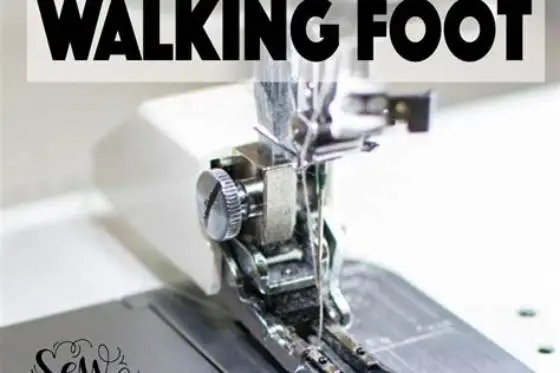
A walking foot moves the top layer with the feed dogs, so canvas does not slip or skip. It helps most when you join two or more layers or sew long straight seams. If you do not have one, go slower and support the weight so it does not pull.
Grade seam allowances by trimming inner layers slightly shorter than outer layers to reduce bulk. Press seams open where you can, or pound thick intersections with a rubber mallet to flatten them. At bulky intersections, flatten with a mallet or press, and hand-turn the wheel slowly if the stack is too thick for the feed dogs to grip.
Hand-turning keeps you safe on thick stacks and protects the needle. Turn the handwheel toward you, one stitch at a time, with the presser foot down. Use the foot pedal only on flat sections, keep fingers clear of the needle, and stop if you feel hard resistance or see the needle flex.
- even feeding
- reduces needle breakage
- adds machine noise
- may require setup time
Testing: how to check scrap and spot a stall before damage
If you want to know how to sew canvas on a home sewing machine, start with testing on scrap canvas. Use a piece that matches your project’s weight and layer count. Stitch a short seam and check for even stitches and smooth feeding on both sides.
Listen for any unusual sounds while sewing. A motor straining, a needle hesitating, or a burning smell means stop immediately. Check needle size, thread path, and tension. Clean lint from feed dogs and the bobbin area before trying again.
If loops appear on the bottom thread, increase the top tension slightly in small steps and test again on scrap. Persistent problems after these adjustments mean your setup has reached its limit. Reduce layers, split your project, or use a heavy-duty machine.
- Thread machine with heavy-duty needle and thread.
- Set stitch length to 3-4 mm, reduce presser foot pressure.
- Sew slowly on scrap canvas layers matching your project.
- Check for smooth feeding and no skipped stitches.
- Adjust tension if needed and retest.
- Stop if the motor struggles or needle bends.
Steps: how to sew canvas on a home machine start to finish
You will get the best result when needle, thread, length, and feed work together. Set up once on scrap, then sew the project without chasing settings mid-seam. Slow, steady feeding beats forcing the fabric.
Keep extra bobbins wound and a fresh needle ready for thick sections. Press and grade as you go so bulk does not build at intersections. Stop early if the machine labors, it saves needles and timing.
If your machine has no pressure control, rely on a walking foot and hand-turning. Guide the canvas lightly and let the feed dogs do the work. That light touch prevents deflection and broken needles.
- Check manual for needle system, pressure control, and thread range your machine supports.
- Install a fresh denim needle, thread with foot up, and wind an extra bobbin slowly and evenly.
- Set stitch length around 3 to 4 mm and reduce pressure a notch or fit a walking foot.
- Sew a test stack on scrap and tune top tension in small steps until stitches lock mid-layer.
- Grade and press seam allowances and flatten bulky intersections before topstitching.
- Sew the project slowly, hand-turning the wheel toward you over thick spots and supporting the weight.
- Stop if the needle flexes or the motor strains, then reduce layers or switch machines.
Home machines handle canvas well if you pick the right needle, thread, and adjust settings; otherwise, jams and skipped stitches will slow you down.
Still wondering?
Can I sew heavy canvas like duck cloth on a standard home sewing machine?
Many home machines struggle above ~10 oz or more than 2 to 3 layers, but limits vary by motor and throat space. Test your exact weight and layers on scrap and check your manual. For heavier stacks, sew fewer layers at once or use a heavy-duty machine.
How do I know if my walking foot fits my machine?
Check your brand and model manual for compatible walking foot attachments. Many machines accept universal low-shank feet, but some need a brand-specific foot. Test the fit or ask a dealer before you sew canvas.
What signs show my thread tension is wrong for canvas?
Look for loops on the bottom, puckering on top, or thread breakage. Increase or decrease top tension slightly and retest on scrap until stitches lock in the middle. Leave bobbin tension alone unless your manual says to adjust it.
How often should I change needles when sewing canvas?
Plan on a fresh needle after about 6 to 8 hours of canvas sewing, or sooner if you hit a pin, hear a dull thud, or see skipped stitches. A sharp needle pierces, a dull one pushes and snags.
Is it possible to sew canvas without a walking foot?
Yes, but feeding stays even with a walking foot. Without one, reduce pressure if you can, sew slower, support the fabric weight, and hand-turn over thick seams to avoid skips.