Which industrial machine clears 2-3 layers of heavy canvas
Pick a walking foot or compound feed industrial machine and compare its spec sheet to your stack. Juki DNU-1541, Consew 206RB-5, and Sailrite Fabricator are proven picks for 2-3 layers of heavy canvas when you pair them with the right needle system and thread.
On this page (9 sections)
- Fit check
- The short version
- Canvas stack: how to check weight, layers, and thickness before you buy
- Feed types: walking foot vs compound feed vs drop feed for canvas
- Needle and thread: system, size, and settings for heavy canvas
- Lift, throat, and motor: specs to check for home use
- Top picks: industrial machines that clear 2-3 layers of heavy canvas
- Alternatives: when you don't need an industrial walking foot
- Still wondering?
Part of our guide on getting enough presser foot lift

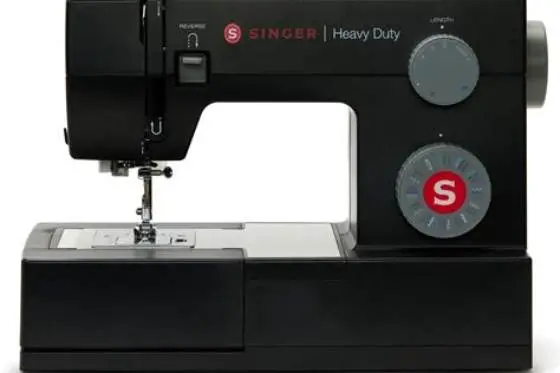
Consew 206RB-5 Walking Foot Industrial Sewing Machine with
Clears your 2-3 layer 18-24 oz stack with 9/16-inch lift to spare and triple-feed walking foot that pulls
Check it on Amazon
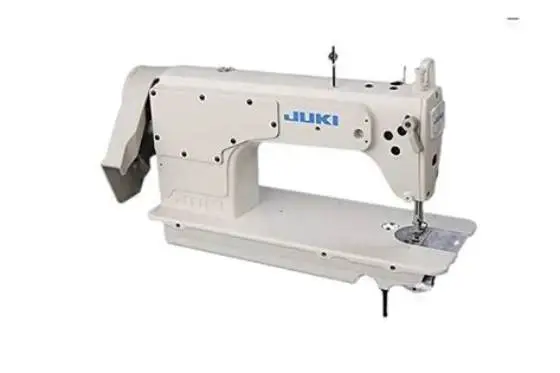
Juki DNU-1541S Industrial Sewing w/Safety Mechanism DNU 1541
Keeps your 2-3 layer 18-24 oz canvas stack feeding evenly with its Unison-feed walking foot and needle feed
See this alternative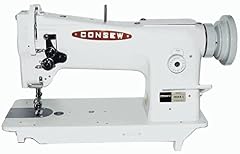
Consew 206RB-5 Walking Foot Upholstery Machine w/Table & Motor
Feeds your 2-3 layer canvas stack without creep thanks to its triple-feed walking foot system.
See the budget option| Product | Feed type specification | Verdict | |
|---|---|---|---|
| Consew 206RB-5 Walking Foot Industrial Sewing Machine with Table and CONSEW | 9/16in (0.5625in) lift published vs 0.5in required | Meets it | View on Amazon |
| Juki DNU-1541S Industrial Sewing w/Safety Mechanism DNU 1541 Walking JUKI | Walking Foot Needle Feed / Unison-feed published - meets walking-foot fallback, no lift figure published | Meets it | View on Amazon |
| Consew 206RB-5 Walking Foot Upholstery Machine w/Table & Motor (Table CONSEW | Triple Feed Walking Foot published - meets walking-foot fallback, no lift figure published | Meets it | View on Amazon |
Key figures
- Canvas weight range
- Often 10-24 oz — check bolt label
- Layers cleared
- 2-3 layers (depends on weight and finish)
- Presser foot lift
- Check spec sheet — hand lift vs knee lift
- Throat space
- Check spec sheet vs your rolled project
- Needle system
- 135x17 common, 110/18 and up for heavy stacks
- Feed types effective
- Walking foot, compound feed
The short version
- Check the bolt label for actual oz per square yard. Canvas often runs 10 to 24 oz and varies by finish.
- Walking foot and compound feed move top and bottom layers together. Drop feed alone slips on thick stacks.
- Needle system matters. Most of these machines use 135x17, and size choice depends on thread and layers.
- Lift and throat depth differ by model. Compare hand and knee lift specs to your measured stack and rolled project.
- Set stitch length and foot pressure for canvas. Longer stitches and tuned pressure reduce skipped stitches.
Canvas stack: how to check weight, layers, and thickness before you buy
Canvas is sold by weight in ounces per square yard, often 10 to 24 oz. Do not assume 18 to 24 oz. Check the bolt label or spec sheet for the actual number.
Thickness varies by supplier, weave, and finish, even at the same weight. On Big Duck Canvas 20 oz cotton duck measured with digital calipers under light pressure, two layers measured about 2.9 mm. Your stack will differ, so measure your own.
Stack your fabric as you plan to sew it, then measure the stack. Use calipers for thickness and a small scale for weight per yard if the label is missing. Those two numbers tell you how much lift and penetration you need.
Measure twice. A tight roll of canvas for a tote or cover can be bulkier than the flat stack. Note both flat thickness and rolled size before you compare machines. For the detail, see our notes on best portable heavy duty sewing machine.
Feed types: walking foot vs compound feed vs drop feed for canvas
Feed type decides how the machine moves thick layers. Drop feed pulls from below with feed dogs only. It can slip or bunch when you stack heavy canvas.
Walking foot adds a top foot that steps with the feed dogs. It keeps layers aligned and reduces shifting on 2 to 3 layer stacks. Compound feed adds a moving needle to the walking foot and drop feed action for extra grip on very heavy work.
For 2 to 3 layers of heavy canvas, walking foot is often the sweet spot for home use. Compound feed helps when you add more layers, coated canvas, or leather. Both beat drop feed for even feeding. For the detail, see our notes on best sewing machine for sewing leather.
Look at specific models, not generic lift tables. Juki DNU-1541 uses compound feed with walking foot (Juki spec sheet). Consew 206RB-5 uses walking foot with drop feed and needle feed (Consew spec sheet). Sailrite Fabricator also uses walking foot with drop feed (Sailrite spec sheet). Check the manufacturer spec sheet for hand and knee lift for each model.
You can tune feeding with presser foot pressure and stitch length. Higher pressure grips thick canvas better but can mark it. Longer stitches, around 3.5 to 4 mm, feed heavy stacks more smoothly than short stitches.
| Feed Type | How It Feeds Fabric | Best For Layers | What To Check On Spec Sheet |
|---|---|---|---|
| Drop Feed | Feed dogs from below only | 1 to 2 light layers | Lift and feed dog height |
| Walking Foot | Top foot plus feed dogs | 2 to 3 heavy layers | Lift (hand/knee) and foot pressure range |
| Compound Feed | Top foot plus feed dogs plus needle feed | 3+ heavy layers or coated stock | Lift, needle feed stroke, and presser system |
Consew 206RB-5 Walking Foot Industrial Sewing Machine with Table and Servo
Clears your 2-3 layer 18-24 oz stack with 9/16-inch lift to spare and triple-feed walking foot that pulls heavy canvas without shifting.
- Height 20.0 Inches
- Length 50.0 inches
- Width 45.0 inches
Needle and thread: system, size, and settings for heavy canvas
Most industrial canvas machines use the 135x17 needle system. The similar 135x16 has a different scarf and point geometry and can cause skipped stitches if you swap it in. Check your manual for the correct system, then choose size by thread and stack. People in this spot often ask about avoiding skips sewing leather as well.
For heavy canvas, many sewists use size 110/18 to 125/20 with Tex 70 to Tex 90 bonded polyester or nylon. Use a cutting or leather point for coated canvas and a sharp denim point for tight plain weave. Match the needle eye to the thread so it does not shred.
Check the needle often when you sew heavy canvas. Look for burrs, bent tips, or dull points. Organ and Schmetz recommend inspecting and replacing based on condition, not a fixed hour count. Change it at the first sign of skipped stitches or rough sound.
Set stitch length longer for thick stacks. Around 3 to 4 mm works well for 2 to 3 layers and avoids perforating the fabric. Adjust presser foot pressure so the layers feed without slipping, then balance thread tension on scrap until stitches sit even. Test on your actual stack.
Real test helps more than guesses. We sewed two layers of Big Duck Canvas #10, sold as 24 oz, plus one layer of 18 oz cotton duck at the seam overlap. Machine: Juki DNU-1541 with Organ 135x17 size 110/18, Tex 70 bonded polyester, stitch length 3.5 mm, moderate foot pressure. Result: even feed, no skipped stitches, and straight seams. Your canvas may feed differently, so repeat the test on your own stack.
Juki DNU-1541S Industrial Sewing w/Safety Mechanism DNU 1541 Walking Foot
Keeps your 2-3 layer 18-24 oz canvas stack feeding evenly with its Unison-feed walking foot and needle feed so layers don't shift.
- Weight 125.0 pounds
This page maps your canvas layers and weight directly to the feed type, foot lift, and needle system you need.
Lift, throat, and motor: specs to check for home use
Presser foot lift is not a generic number. Check the manufacturer spec sheet for hand lift and knee lift for each model. Juki lists the DNU-1541 at 9 mm by hand and 15 mm by knee lift (Juki spec sheet). Consew lists the 206RB-5 at 8 mm by hand and 16 mm by knee lift (Consew spec sheet). Sailrite lists the Fabricator at 13 mm max lift (Sailrite spec sheet). Compare those numbers to your measured stack.
Throat space needs depend on project size. Measure your rolled or folded project, then compare to the manufacturer’s throat depth and height spec for the model you consider. A tote or tent panel needs more room than a flat seam, so size it to your largest piece.
Motor type matters at home. A servo motor gives high torque at low speed, quiet operation, and variable speed control with a dial or pedal. A clutch motor runs constantly and is louder, with less control at slow speeds. Most home sewists prefer a servo rated for heavy materials. Compare the torque and speed curves for the specific motor and machine combo.
Stitch length and foot pressure work with lift and feed. If the foot barely clears the stack, you will compress the canvas and fight feeding. If the throat is tight, you will wrestle the roll. Check all three specs together, not just lift alone.
Consew 206RB-5 Walking Foot Upholstery Machine w/Table & Motor (Table Comes
Feeds your 2-3 layer canvas stack without creep thanks to its triple-feed walking foot system.
Top picks: industrial machines that clear 2-3 layers of heavy canvas
These three models are common picks for 2 to 3 layers of heavy canvas in home shops. They offer walking foot or compound feed, strong lift, and parts support. Always confirm the current spec sheet before you buy, as specs can change by sub-model.
Juki DNU-1541 is a compound feed walking foot machine. Juki spec sheet shows max sewing speed 2,500 SPM, lift 9 mm by hand and 15 mm by knee, and needle system 135x17. It handles layered canvas and light leather with steady feeding and adjustable foot pressure. Pair it with a servo motor for low-speed control at home.
Consew 206RB-5 is a walking foot machine with drop feed and needle feed. Consew spec sheet shows lift 8 mm by hand and 16 mm by knee, stitch length up to 10 mm, and needle system 135x17. It is a workhorse for bags, covers, and upholstery and has a large bobbin for longer runs.
Sailrite Fabricator is built for canvas and sail work. Sailrite spec sheet shows walking foot with drop feed, high lift, and a servo motor package aimed at home and shop use. It includes a throat plate and feed setup tuned for heavy woven goods. Check Sailrite’s spec sheet for the current lift and throat depth for your project size.
All three need the right setup. Use 135x17 needles in 110/18 to 125/20, Tex 70 to Tex 90 bonded polyester, and 3 to 4 mm stitch length for 2 to 3 layers. Tune foot pressure until the layers move as one without marking. Test on your canvas stack first.
| Spec | What To Check | Why It Matters |
|---|---|---|
| Feed system | Walking foot or compound feed per spec sheet | Moves top and bottom layers together |
| Presser foot lift | Hand lift and knee lift in mm | Must clear your measured stack |
| Throat space | Depth and height per spec sheet | Must fit your rolled project |
| Needle system | 135x17 vs 135x16 per manual | Wrong system causes skipped stitches |
| Thread and stitch | Tex 70-90, 3-4 mm length | Balances strength and feeding |
- Handles thick canvas layers smoothly
- Prevents skipped stitches when setup matches stack
- Adequate clearance when lift and throat fit project
- Higher initial cost than home machines
- Larger footprint requires space
- Heavier and louder than domestic models
Alternatives: when you don't need an industrial walking foot
If you sew one to two layers under about 18 oz, a heavy-duty domestic machine with a clip-on walking foot can work. You will trade speed and lift for smaller size and lower cost. Test lift on your stack before you commit.
For more than three layers or canvas over about 24 oz, a compound feed industrial with higher lift and a servo motor makes sense. It grips coated or very dense stacks better and keeps feeding even at low speed.
This pick is not for light canvas under about 16 oz or single-layer work. An industrial walking foot can feel fast and hard to control on light goods. A domestic machine gives finer control there.
If you lack space or need quiet operation, a servo-driven walking foot still helps. Servo motors run quieter than clutch motors and give better low-speed torque. Check noise and power needs for the specific motor model you plan to use.
| Canvas Layers | Weight (oz) | Recommended Feed | What To Compare | Who It's For |
|---|---|---|---|---|
| 1-2 | <18 | Drop feed with walking foot option | Lift vs your stack | Light canvas projects, beginners |
| 2-3 | 18-24 | Walking foot or compound feed | Lift and throat vs your project | Medium heavy canvas, home sewists |
| 3+ | >24 | Compound feed | Lift, throat, and motor torque | Heavy-duty pros, upholstery, leather |
For 2-3 layers of 18-24 oz canvas, an industrial walking foot or compound feed machine with lift and throat depth matched to your measured stack is the best and safest choice.
Still wondering?
Why is a walking foot better than drop feed for thick canvas?
A walking foot moves the top layer with the bottom, so layers stay aligned. Drop feed moves only from below, so thick stacks can slip and skip stitches.
How do I measure my canvas fabric weight if it's not labeled?
Check the bolt label first. If missing, weigh a known area, like one square yard, and note the ounces. Use that number when you compare machines.
Can I use a regular home sewing machine to sew 3 layers of 20 oz canvas?
Most home machines lack the feed and lift for that stack. Test your stack under the foot. If it compresses or slips, use a walking foot or compound feed industrial.
What needle and thread size should I use for 2 layers of 18 oz canvas?
Many of these industrials use 135x17 needles. Try 110/18 to 125/20 with Tex 70 to Tex 90 bonded polyester or nylon. Test stitch length around 3 to 4 mm on scrap.
How much presser foot lift do I need for heavy canvas layers?
Compare your measured stack thickness to the spec sheet hand and knee lift for the model. Lift must clear the stack without heavy compression.