Best Seam Ripper: Slim Tips and Grips That Spare Fabric
The best seam ripper for most home sewists is the Clover White Ergonomic, because its slim tip slips under single stitches and its rounded handle keeps the cut on the thread. Dense stitches need that fine tip, and long seams suit a larger rounded grip.
On this page (9 sections)
- Fit check
- The short version
- Best seam ripper: tip, blade and grip decide the cut
- Clover White Ergonomic: the pick for precise everyday unpicking
- Dritz Seam-Fix: the runner-up that clears cut threads
- Dritz 5101: the upgrade grip for long seams
- Unpicking without holes: the safe method, stitch by stitch
- When to replace a ripper: dull blades tear, sharp blades cut
- Still wondering?
Part of our guide on reviews of fabric scissors

Clover White Ergonomic Seam Ripper
Gives you a 5 in slim-tipped ripper so your fingers sit clear of the blade while you unpick long seams
Check it on Amazon
Dritz 665 Seam-Fix Seam Ripper
Clears the cut threads off your project as you rip, thanks to the rubber tip, and the large size keeps your
See this alternative
Dritz 5101 Ergonomic Large Seam Ripper
The rounded ergonomic grip eases hand fatigue on long unpicking sessions, with a safety ball on the ground
See the heavy-duty one| Product | rippers in pack | Verdict | |
|---|---|---|---|
| Clover White Ergonomic Seam Ripper Clover | 5 in stated on the listing vs 4 in needed | Meets it | View on Amazon |
| Dritz 665 Seam-Fix Seam Ripper Dritz | only the 7.75 in package length is published; no tool length stated, so the at-least-1-ripper fallback is used: 1 | Meets it | View on Amazon |
| Dritz 5101 Ergonomic Large Seam Ripper Dritz | only the 7.75 in package length is published; no tool length stated, so the at-least-1-ripper fallback is used: 1 | Meets it | View on Amazon |
Key figures
- Tip
- slim, sharp point
- Blade
- short curved edge
- Guard
- ball on short prong
- Grip
- rounded, non-slip
- Method
- cut every 3rd-4th stitch
- Replace when
- blade snags or drags
The short version
- A slim tip slips under one stitch without forcing the weave.
- Hold the ripper like a pencil, with fingers behind the blade.
- Work one side of the seam, then pull thread from the back.
- A large rounded grip suits long seams and tired hands.
- Cap the blade after use so the edge stays keen in the box.
Best seam ripper: tip, blade and grip decide the cut
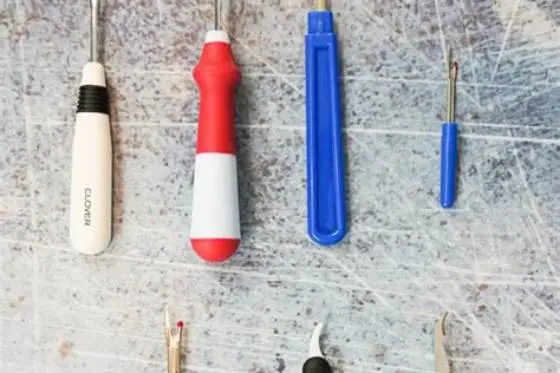
One small place. A seam ripper cuts thread there, and nowhere else. The sharp point slides under a single stitch and lifts it clear of the fabric surface. The blade sits in the fork. Thread meets the curved edge there and parts cleanly as you draw the tool forward.
Tip shape decides it. Entry stays clean with a fine point. A slim tip enters dense stitching without shoving yarns aside. Thick tips force entry. Cloth can come with them.
The short prong carries a safety ball on many designs. That ball guard rides against the fabric and stops the point from diving. Keep the ball on the cloth and the blade stays at thread level.
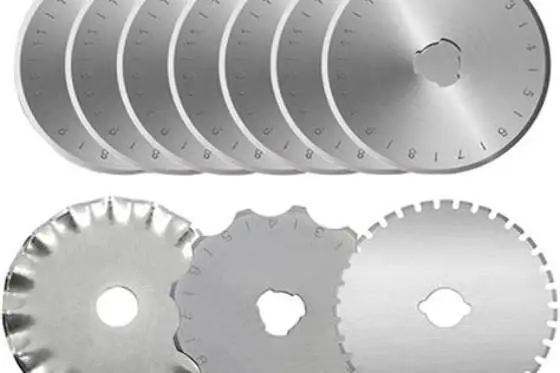
Grip decides control. Long seams expose a poor handle fast. A rounded handle rests in the palm with fingers relaxed. A thin stick handle cramps the hand, and a cramped hand pushes too hard. Before you commit to anything, it is worth looking at replacing worn cutter blades.
Size names on listings need care. Small rippers suit fine work and travel kits. Large rippers suit hems, denim and long seams. Handle length matters more than blade size for most sewists. Judge each listing by tip, guard and grip before you judge it by color. Those three details predict clean work better than any brand name.
- Slim tip: lifts one stitch in dense or fine sewing.
- Curved blade: cuts thread inside the fork, away from cloth.
- Ball guard: rides on fabric and limits point depth.
- Rounded grip: keeps the hand relaxed on long seams.
- Cap or cover: protects fingers and blade in the sewing box.
Clover White Ergonomic: the pick for precise everyday unpicking
This pick uses a slim tip made to slip under threads. That point suits everything. Basting, seams and buttonholes all open cleanly. Force stays tiny. Tight stitching opens without a shove.
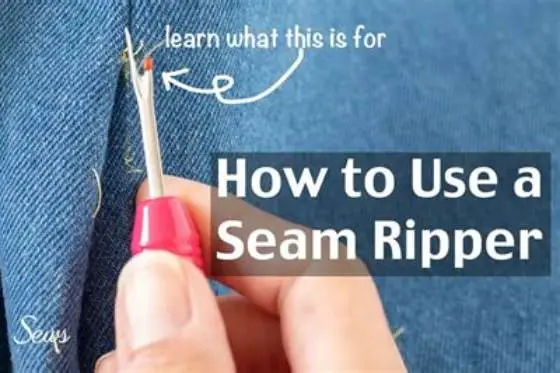
Handle shape matters next. Comfort keeps the point steady. The handle is rounded. A cap covers the blade for storage. Relaxed grips help. Longer seams and hems feel easier. Before you commit to anything, it is worth looking at how to use a seam ripper.
Sharpness protects fabric. Strength never will. A keen blade parts thread at a touch, so the point never wanders. Dull blades drag, and drag is where holes begin.
One limit comes with the slim design. A fine point can bend if you lever with it sideways. Lift thread straight and let the edge do the cutting.
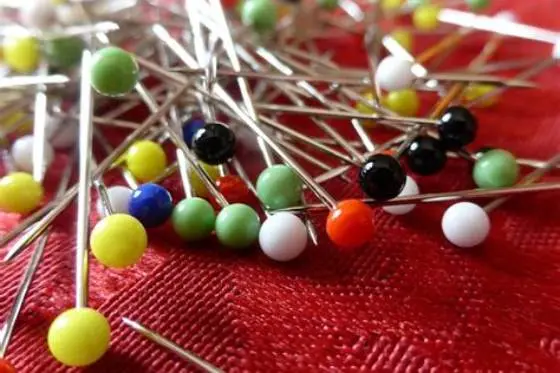
Buttonholes show why a slim tip earns its place. Dense satin stitch leaves little room under each thread. A fine point enters without spreading the stitching. Dense stitching like this is where a fine point earns its keep. Cap the blade after use so the fine edge stays keen in the box. Work slowly and watch the stitch line as you go. Steady hands make clean cuts. It helps to understand glass head pins for delicate fabrics before going further.
| Compare | Clover White Ergonomic | Dritz Seam-Fix | Dritz 5101 |
|---|---|---|---|
| Tip | slim point | standard point | fine blade |
| Handle | rounded | full handle | large rounded grip |
| Extra | cap | rubber thread tip | palm grip |
| Best use | precise unpicking | clearing cut threads | long seams, tired hands |
- slim tip enters dense stitches
- rounded grip stays comfortable
- cap keeps the edge covered
- fine point bends if levered
- no ball guard, so the point needs watching on fine cloth
Clover White Ergonomic Seam Ripper
Gives you a 5 in slim-tipped ripper so your fingers sit clear of the blade while you unpick long seams without snicking the fabric.
- Size 1
- Height 7.53 inches
- Length 1.91 inches
Dritz Seam-Fix: the runner-up that clears cut threads
Cut threads linger. They cause the second half of the work. Loose ends tangle. They hide in seams and pull at fresh stitches nearby. This design adds a rubber tip that grabs and removes cut threads.
Cleanup becomes one motion. The rubber end does the gathering work. Cut a short run of stitches, then rub the tip along the seam. Loose threads lift away instead of scattering across the work.
Size helps here. A full grip steadies the cleanup motion. A bigger handle steadies the blade on longer seams too. Judge fit by hand. Size choices feel different in every palm. The other half of this decision is quilting clips for thick layers.
Know the trade before you choose it. The blade stays plain on this style, so fine work needs extra care. Fine work differs. Dense stitching still favors a slimmer tip.
Embroidery cleanup benefits from the rubber end. Cut threads hide in dense stitching and pile. Rubbing lifts the ends without picking at each one. Work gently so the pile stays unmarked. Clearing threads as you go keeps the stitch line easy to see. Resewing then starts on clean fabric.
- rubber tip clears loose threads
- full grip steadies the cut
- one tool cuts and cleans
- blade details not stated
- less precise in dense stitches
Dritz 665 Seam-Fix Seam Ripper
Clears the cut threads off your project as you rip, thanks to the rubber tip, and the large size keeps your hand well back from the blade.
- Weight 0.71 oz
- Width 3.0 inches
- Height 7.75 inches
Unpicking cuts fabric for one reason: a blunt or forced blade wanders off the thread and into the weave beside it.
Dritz 5101: the upgrade grip for long seams
Hands tire fast. Long sessions punish a pinching grip within minutes. This model uses a large rounded handle shaped to fit the hand. Palms carry tools well. Fingers stay relaxed through long seams.
Read blade claims plainly. Marketing words never cut thread. Judge any ripper on scrap stitching before it touches a garment; a sharp edge parts thread at a touch. Sharpness fades anyway, so watch for the first sign of drag.
Fabric protection comes from control at the tip. Keep the point shallow. Watch the stitch line as you cut. A large grip gives more control on folded denim, though the blade itself is the same thin steel as any ripper.
Size trades against finesse here. A large ripper struggles to isolate one stitch in fine, dense sewing. Many sewists keep this grip for hems and denim, plus a slim ripper for detail.
Denim hems test grip and blade together. Thick folded layers need steady pressure control. A palm grip keeps the point on the stitch line. Stop and inspect the stitch line if thread starts to drag. Steady hands matter most on thick folded hems. Comfort matters most when a whole garment needs taking apart.
- large grip suits long sessions
- palm grip steadies long seams
- grip gives control on folded denim
- harder to isolate one fine stitch
- plain tip needs care on fine cloth
Dritz 5101 Ergonomic Large Seam Ripper
The rounded ergonomic grip eases hand fatigue on long unpicking sessions, with a safety ball on the ground blade protecting the fabric as the point travels the seam.
- Size 1-Pack
- Weight 1.4 oz
- Height 0.85 inches
Unpicking without holes: the safe method, stitch by stitch
Speed causes damage. Most holes start with hurry, not tools. Sliding a ripper down a seam slices thread fast, yet one slip cuts cloth. The slower method below keeps every cut on thread alone.
One side only. Work the seam from that side throughout. Slip the point under a stitch and push until thread meets the blade. Repeat on every third or fourth stitch, not on each one.
Turn the work over. A cut run releases from the back. Pull the loose thread from the other side in one piece. Long thread runs leave fewer ends to pick out by hand.
Buttonholes need stops. Each end wants a pin barrier first. Push a pin across the end of the buttonhole before you cut. The pin blocks the blade from running past the stitching.
Backstitching needs patient handling at seam ends. Dense lock stitches resist a quick pull. Cut those stitches one by one at the start. The rest of the seam then opens with the spaced method. Good light matters here, since thread and yarn look alike in shadow. Slow work here saves a patch or a remake later on.
- Lay the seam flat on a firm surface in good light.
- Slide the point under one stitch with the ball on the fabric.
- Push gently until the curved blade cuts the thread.
- Skip three stitches, then cut again along the seam.
- Turn the work over and pull the loose thread free.
- Pick out remaining ends with tweezers or fingertips.
When to replace a ripper: dull blades tear, sharp blades cut
Blades blunt. Normal use dulls them, and replacement costs very little. Dull edges snag. Thread drags instead of parting cleanly. Snagging pulls fabric yarns and leaves fuzzy damage behind.
Watch for drag during normal work. Sharp rippers cut cleanly. No pulling at the seam. Force means finished. Retire the tool.
Storage extends blade life. Jobs end, and edges rest safely. Keep the cap on after each use, or park the ripper in a closed case away from pins, scissors and hard tools. Loose blades dull against hard tools and find fingers in the box.
Keep two ripper sizes in the sewing box if you unpick seams, hems or buttonholes on most projects you sew. A slim ripper handles fine stitches and buttonholes with control. A second size handles hems and repairs at the other end of the kit.
Two rippers cost less than one ruined garment. Keep the slim tool for fine work near the machine. Keep the large grip with hems and repair jobs. Label caps so the right tool comes to hand fast. Sharp tools protect fabric better than any careful intention. Retire a ripper the week it starts to snag.
Start with a slim tipped ripper you can hold lightly, and add a large grip when unpicking runs long.
Still wondering?
Which side of the seam should I unpick from?
Pick one side. Choose the side where stitches show most clearly. Cut spaced stitches along that side, leaving gaps between cuts. Turn the work over and pull the thread from the other side in long pieces.
What does the small ball on a seam ripper do?
The ball sits on the short prong of the fork. It acts as a depth stop against the cloth. No ball? Slow down. Use a shallower angle and lighter touch.
Can a seam ripper open a buttonhole safely?
Yes, with a stop in place first. Push a pin across each end of the buttonhole, then cut from the center toward the pin. The pin blocks the blade from slicing past the buttonhole stitching.
How do I know my seam ripper is dull?
A dull ripper snags and drags instead of parting thread cleanly. Sharp cuts at a touch. Replace the tool at the first sign of snagging, before force turns cuts into holes.