Why zigzag skips on bumpy fabric and which foot feeds it
Zigzag skips on bumpy fabric when uneven layers feed at different speeds or the needle swing is wider than the opening in the foot. Start with a fresh needle and a full rethread. Then use an open-toe or walking foot whose opening clears your stitch width.
On this page (9 sections)
- Fit check
- The short version
- Zigzag foot for bumpy fabric: why stitches skip here first
- Brother open toe walking foot: the pick for visible, even feeding
- Even feed walking foot: the runner-up for quilt seams and knits
- Non-stick zigzag foot: the pick for vinyl, coated cloth and other sticky surfaces
- Needle and stitch choices for terry, boucle and thick knits
- Foot problem or machine problem: signs that separate them
- Still wondering?
Part of our guide on best online sewing classes for beginners

TISEKER Non-Stick Zigzag Teflon Presser Foot
Your zigzag can run out to a full 7 mm without the needle clipping the foot, and the non-stick sole slides
Check it on Amazon
LEPU SA188 Open Toe Quilting Walking Foot Fit Low Shank Sewing
Clears a 7 mm stitch width and drives top and bottom layers at the same speed, so a wide zigzag on velvet
See this alternative
Bequilter #SA188 Open Toe Walking Foot with W/Guide for
Gives a 7 mm opening so a full-width zigzag passes under the foot, with the open toe keeping the needle line
See the budget option| Product | zigzag clearance (mm) | Verdict | |
|---|---|---|---|
| TISEKER Non-Stick Zigzag Teflon Presser Foot TISEKER | Listing states the needle slot takes stitches up to 7 mm wide, against a 5 mm minimum. | Meets it | View on Amazon |
| LEPU SA188 Open Toe Quilting Walking Foot Fit Low Shank Sewing LEPU | Bullet states it fits machines with max 7 mm stitch width, over the 5 mm minimum. | Meets it | View on Amazon |
| Bequilter #SA188 Open Toe Walking Foot with W/Guide for Quilting and Bequilter | Foot is listed at 7 mm size, against a 5 mm minimum. | Meets it | View on Amazon |
| Distinctive Even Feed Walking Sewing Machine Presser Foot Distinctive | Only colour, size name and unit count published; no mm figure for the needle slot. | Not published | View on Amazon |
Key figures
- First fix
- new needle, rethread
- Foot check
- opening clears width
- Even feed
- top and bottom together
- Knit needle
- ballpoint or stretch
- Woven needle
- universal, fresh
- Test
- scrap sandwich first
The short version
- Change the needle and rethread with the foot up before buying anything.
- Compare stitch width with the foot opening; the needle must clear it.
- Even-feed feet move top and bottom layers together over bumps.
- Open toes show the stitch line on terry, boucle and quilt seams.
- Test every change on a scrap sandwich first.
Zigzag foot for bumpy fabric: why stitches skip here first
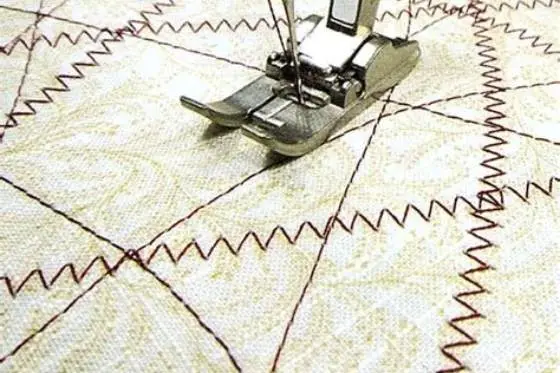
Skips start with feeding. The surface rises and falls. Loops, ribs and batting pass under the foot in waves. Layers drift apart. The needle then meets fabric at the wrong moment.
Width causes the second failure. A zigzag needle swings side to side with every stitch. Width beats clearance. Stitches crowd, deflect or drop out at the edges of the swing.
Free fixes come before new feet. Fit a fresh needle in the right type for the fabric. Rethread fully, foot up. Thread must seat deep in the tension discs.
Check the bobbin next. Use the bobbin type your manual names for the machine. Brush out lint. Packed lint lifts fabric and spoils feeding at the dogs. For the detail, see our notes on paper for sewing patterns.
Fabric support changes feeding too. Heavy quilts drag off the table edge and pull layers sideways. Support the bulk on the table or your lap so the foot feeds cloth instead of fighting gravity on every seam.
Clean feeding shows at once. Stitches land evenly on both swing edges. Layers exit together without creep. That result means the fix worked. Work through the free checks in order before buying anything. The standard snap-on zigzag foot that ships with most machines suits flat cloth; its opening only needs to clear your widest swing. Shank type decides fit. Low shank feet snap onto a short adapter, high shank feet use a taller bar, and slant shank feet angle forward. Match the listing to your manual.
- Fresh needle: bent or dull points deflect on bumps.
- Foot up rethread: thread must seat in the tension discs.
- Right bobbin: wrong bobbins feed thread unevenly.
- Lint out: packed lint lifts cloth off the feed dogs.
- Width check: needle swing must clear the foot opening.
Brother open toe walking foot: the pick for visible, even feeding
Visibility solves half the problem on texture. Open toes stay clear. You watch each swing land on the line. Satin stitch and decorative zigzag stay on line over terry loops. There is more on sewing machine stitch types in a separate guide.
Even feed solves the other half. Walking feet grip above. Feed dogs move cloth below at the same time. Layers travel together. Bumps pass without shoving one layer ahead.
Fit decides whether this pick suits your machine. Open-toe walking feet exist for most major brands, including Brother, Janome and Juki. Match the shank type and bobbin style to your machine using the listing and your manual. Check shank type and model fit in the listing before you order.
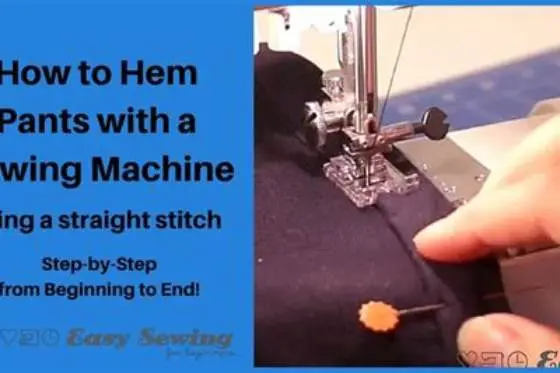
Width still needs a manual check. Turn the handwheel slowly with your widest zigzag set. The needle must pass through the opening with clearance on both sides, every swing. It helps to understand how to hem pants with a sewing machine before going further.
Presser foot pressure plays a part. Too much pressure can stretch knits and stall thick stacks, while too little lets layers slip and wander off line. Check the manual for the pressure dial location, then test each change on a scrap sandwich before sewing the garment.
Guide bars help on long seams. A quilting guide keeps rows spaced without marking every line. Fit the guide before the seam starts. Test spacing on scrap first.
| Compare | Open toe walking pick | Even feed runner-up | Non-stick zigzag budget |
|---|---|---|---|
| Feeding | top and bottom together | top and bottom together | feed dogs only |
| Visibility | open toe, clear view | standard toe | standard toe |
| Best use | texture plus wide zigzag | quilt seams, thick knits | utility zigzag, sticky cloth |
| Check first | model fit, width clearance | shank and bobbin type | width clearance |
- clear view of the stitch line
- even feed over bumps
- made for layered sewing
- fit is model specific
- bulkier than a snap-on foot
TISEKER Non-Stick Zigzag Teflon Presser Foot
Your zigzag can run out to a full 7 mm without the needle clipping the foot, and the non-stick sole slides across textured cloth instead of dragging and skipping.
- Size Small
Even feed walking foot: the runner-up for quilt seams and knits
Layer shift ruins quilt seams quietly. Tops creep ahead. Bottoms lag behind on long seams. Even feed matches speeds. Seams then meet where they should.
Thick knits benefit in the same way. Sweatshirt fleece and quilted jersey compress under a flat foot. Even feeding keeps the stack moving without stretching the top layer out of shape.
Fitting rules matter more than brand names. Listings for low-shank even feed feet name top-loading bobbin machines. Confirm your shank and bobbin style against the listing and your manual.
Zigzag width needs care with any walking foot. The foot opening and feed mechanism limit how wide you can swing safely. Test by handwheel first, then on a scrap sandwich at slow speed.
Stitch width interacts with texture. Wide swings land on loop tops and valley floors in turn, while narrower widths sit more evenly across rough surfaces. Reduce width first when skips cluster at the swing edges.
Speed control helps at crossings. Slow to a crawl over thick joins. Let the feed dogs pull the stack through. Rushing invites deflection and skipped stitches. Confirm the fit on scrap before sewing at speed.
- stops layer creep on seams
- handles thick stacks calmly
- fits many low-shank machines
- less stitch visibility
- width limits vary by model
LEPU SA188 Open Toe Quilting Walking Foot Fit Low Shank Sewing Machines
Clears a 7 mm stitch width and drives top and bottom layers at the same speed, so a wide zigzag on velvet, fleece or knit keeps its spacing instead of bunching.
- Size 7mm
Bumpy cloth lifts and tilts under a flat foot, so the needle lands late, early or not at all in the stitch.
Non-stick zigzag foot: the pick for vinyl, coated cloth and other sticky surfaces
Some fabrics stick instead of feeding. Sticky cloth drags. Vinyl and coated fabrics cling to metal soles. Non-stick soles glide. Feed dogs do the moving below.
Utility zigzag is the home ground here. Edge finishing, applique tacking and seam neatening need modest widths. A simple snap-on foot handles that work without even-feed bulk.
Bumps still test a plain foot. Without top feeding, thick crossings can stall or shift. Slow down at crossings, keep the work level with the needle plate, and let the feed dogs pull.
Keep expectations honest. This foot solves drag, not layer shift. Quilt sandwiches and lofty seams still feed better under an even feed foot.
Thread choice can mimic foot trouble. Thick or rough thread drags through loops and bumps, so match thread weight to needle size and fabric before testing. Test the exact thread on scrap before blaming the foot.
Sole condition matters too. Scratched soles drag on coated cloth. Wipe the sole clean after sticky fabrics. Replace a rough foot rather than fighting it. Simple feet fail simply. Drag shows as stalled feeding. Shift shows as wandering seams. Each symptom points to its own fix.
- glides over sticky surfaces
- simple snap-on fitting
- good for utility widths
- no top feeding for layers
- bumps can still stall
Bequilter #SA188 Open Toe Walking Foot with W/Guide for Quilting and Sewing
Gives a 7 mm opening so a full-width zigzag passes under the foot, with the open toe keeping the needle line visible on bumpy cloth.
- Size 7mm
Needle and stitch choices for terry, boucle and thick knits
Needle point shape matters on loops. Knits are loops, not crossed yarns. Ballpoints slip between loops. Yarns stay whole instead of pierced. Maker charts put terry and boucle around 90/14 to 100/16, and sweatshirt fleece around 80/12 to 90/14. Zigzag stitch length around 2.0 to 3.0 mm suits most textured seams; lengthen within that range if stitches crowd.
Elastic knits ask for more help. Needle makers describe stretch needles with a special eye and scarf for elastic fabrics. That shape helps the hook catch the thread loop as fabric flexes.
Woven textures take a different point. Corduroy, seersucker and quilt cotton are woven cloth. A fresh universal needle in a size suited to the layers usually sews them cleanly.
Stitch length needs a scrap test. Medium lengths suit most textured seams. Lengthen slightly if stitches crowd on bumps, and shorten if the seam looks loose or grinny.
Seam direction matters on pile fabrics like terry and boucle, where the nap leans one way and lifts into the needle. Sewing against the nap lifts loops into the needle path. Test both directions on scrap and keep the smoother one.
Thread tension interacts with bumps. Loose tension loops on thick spots. Tight tension puckers thin spots. Balance tension on the scrap sandwich, not on flat cotton alone. A sewn sample settles the question: inspect both sides, adjust once, and repeat until the stitches match.
- Fit a fresh needle matched to knit or woven cloth.
- Rethread with the presser foot up, then lower the foot.
- Set a medium zigzag width that clears the foot opening.
- Sew a scrap sandwich at slow speed and inspect both sides.
- Adjust length or width once, then test the scrap again.
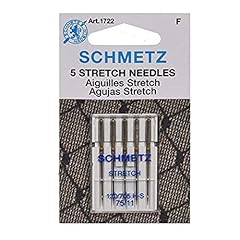
SCHMETZ Stretch 130/705 H-S 75/11 Needles Art. 1722
A stretch needle with a medium ball point and a matched eye and scarf, aimed squarely at the knits and elastic fabrics where your zigzag stitches skip.
Foot problem or machine problem: signs that separate them
Pattern of failure tells the story. Skips at crossings only? That points to layer movement, not timing. Skips on flat cotton too point back to needle, threading or bobbin setup.
Needle strikes leave clear evidence. Bent needles, broken points or marks on the foot mean width exceeded clearance. Stop at once, narrow the stitch, and fit a fresh needle.
Sound changes warn early. Popping, thumping or grinding over bumps means the stack is too thick or the needle is dull. Slow down, support the work, and change the needle.
Timing faults behave differently. With timing faults, plain fabric skips too, even with correct setup. That repair belongs in a service shop, since timing needs gauges and covers removed.
Keep a simple test log. Note needle, foot, width and length for each scrap result. One variable at a time finds the fix fastest, while guessing in batches hides which change actually worked on the scrap.
Document the winning setup. Tape the scrap to your notes with settings written on it. Future projects on similar cloth start from evidence. Memory alone repeats old mistakes. Trust the scrap result. Flat tests flatter every setup. Bumpy scraps tell the truth. Some machines cannot take a walking foot at all. Pin or baste layers closely, lengthen the stitch, and sew slowly with the work supported level.
Fix needle and threading first, then feed bumps with an even-feed foot that clears your zigzag width.
Still wondering?
Can a walking foot sew zigzag stitches?
Many walking feet sew zigzag within the width their opening allows. Check the listing and your manual for stated compatibility. Turn the handwheel slowly at your chosen width and confirm the needle clears the foot on both sides.
Why does zigzag skip only at seam crossings?
Crossings stack extra layers under one side of the foot. The foot tilts, feeding stumbles, and the needle deflects. Slow down, keep the stack level, and consider an even feed foot for thick crossings.
Which needle suits sweatshirt fleece?
Sweatshirt fleece is a knit, so start with a ballpoint or jersey needle in a size suited to the thickness. If stitches still skip and the fleece has elastic content, try a stretch needle on a scrap first.
How wide can I set zigzag with an open toe foot?
Set width by clearance, not by hope. The needle swing must stay inside the foot opening with room to spare. Test the widest setting by handwheel, then sew a scrap before the garment.