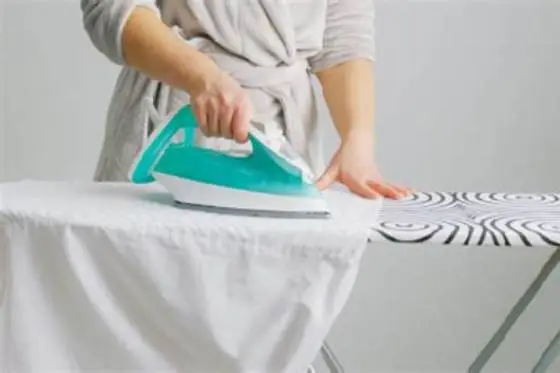
Iron-Off vs Air-Fade Fabric Pens: Which Mark Vanishes Safely?
Iron off fabric marking pen vs air fade comes down to control. A heat pen stays visible until you press it, so you choose when it goes. An air pen fades on its own, so sew before it goes.
On this page (8 sections)
- The short version
- Iron Off Fabric Marking Pen vs Air Fade: The Short Answer
- How Each Pen Works: Heat, Air and Ink
- How Long Marks Last: Timing That Catches Sewists Out
- What Goes Wrong: Ghost Marks, Cold Returns and Set Marks
- Choosing by Fabric and Project: A Practical Test First
- Removing Marks Safely: Steps That Work in Order
- Still wondering?
Part of our guide on best sewing table
Key figures
- Heat removal
- Iron or steam at fabric-safe heat
- Air fade time
- Hours to days, varies by brand
- Cold return
- Heat marks can return in cold
- Ironing air marks
- Heat can set air marks
- Scrap test
- Test every pen on scrap first
The short version
- Heat pens give you control over timing, and they suit slow work on cotton.
- Air pens need no iron, but the mark may fade before you finish sewing.
- Test every pen on a scrap of your exact fabric first.
- Never iron over an air-fade mark unless the maker says you can.
- Wash a finished piece to remove heat-pen residue fully.
Iron Off Fabric Marking Pen vs Air Fade: The Short Answer

Choose a heat pen when you want the mark to stay put. You mark the line, sew at your own pace, then press the mark away when the work is done. That control suits quilting lines, darts and long seams. It also suits cotton and linen, which take a hot iron well. Keep the pen for marks that sit inside a seam or under stitching.
Pick an air pen when heat is the risk. Silk, rayon and many synthetics scorch, shine or melt under a hot iron, so a pen that needs no heat is safer there. You mark, sew soon, and let air do the removal. That plan suits a quick hem, a small embroidery motif and a fitting mark. It does not suit a project that will sit for a week.
Both pens fail when they meet the wrong job. A heat pen fails on a coat that will travel in winter, because cold can bring the mark back. An air pen fails on a large quilt top, because the first lines fade before the last lines are sewn. Match the pen to the fabric and the time you have, and the mark will serve you.
- Heat pen: mark stays until you press it away.
- Air pen: mark fades on its own, with no iron.
- Scrap test: check removal on your exact fabric first.
How Each Pen Works: Heat, Air and Ink
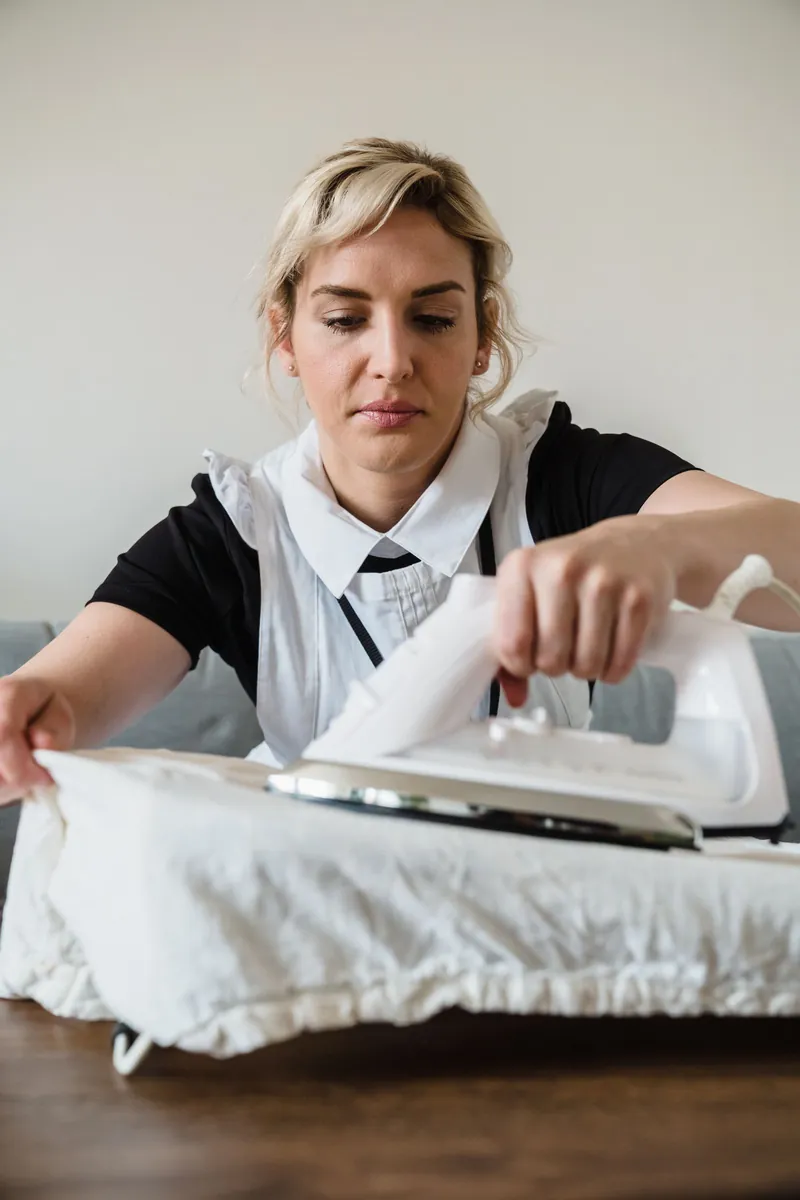
Heat pens use ink that turns clear when it gets hot. The colour does not wash out at that point. It becomes invisible while the ink stays in the fibres. A press with an iron, or a puff of steam, makes the line vanish from sight. Washing with soap removes the ink itself, which is the step that stops it coming back. We cover will your fabric hold the transfer in its own article.
Air pens use ink that breaks down as air reaches it. The line starts strong, then grows pale, then goes. Humidity, warmth and air flow change the pace, so the same pen fades faster on a warm day than in a cool room. Water also removes most air inks at once, which gives you a fast fix when a line is wrong.
Some pens sold for paper use the same heat trick. Pilot Frixion pens are the common example, and their maker did not design them for fabric. Sewists use them widely, yet the ink is a gel ink with a heat-reactive part, so residue can stay behind. Pens made for fabric are the safer choice for a visible part of a garment. Clover, Dritz and Sewline sell air-erasable pens made for fabric, and several sewing brands sell heat-erasable pens made for fabric.
| Feature | Heat-erasable pen | Air-erasable pen |
|---|---|---|
| Removal | Iron or steam | Air, or water at once |
| Timing control | You choose the moment | Air chooses the moment |
| Main risk | Mark returns in cold | Mark fades too soon |
| Best fabric | Cotton, linen, denim | Silk, rayon, heat-shy fabric |
| Final clean | Wash with soap | Water or time |

Madam Sew Heat Erasable Fabric Marking Pens for Sewing and Quilting
Same iron-away behaviour with a 0.7 mm tip for finer lines, though the set carries only 4 refills instead of 8.
How Long Marks Last: Timing That Catches Sewists Out
Timing is where most marking mistakes happen. A heat mark lasts as long as you keep heat away from it. You can mark a quilt top on Monday and sew it on Friday, and the lines will still be there. That long life is the main reason quilters reach for a heat pen. Just keep the iron off the marked cloth until you are ready. People in this spot often ask about paint pens for fabric use as well.
Air marks live on a clock you cannot pause. Fade times range from a day or two to a couple of weeks depending on brand and conditions. Humidity, warmth and ink amount change the result, so no air pen gives one fixed time for every fabric and every room. Read your own pen label, then plan around the short end of its range.
Work in small batches when you use an air pen. Mark one block, sew that block, then mark the next. A large embroidery design may need re-marking halfway through, which wastes time and risks a line in the wrong place. A heat pen suits the opposite plan, where you mark everything first and sew in any order. Choose the pen that fits your working speed, not the pen you happen to own.
- Heat mark: lasts until heat touches it.
- Air mark: fades in hours or days, by brand and room.
- Large job: mark in small batches with an air pen.

LEONIS Disappearing Ink Fabric Marking Pen Pink 5 Count Pack [ 78009 ]
Marks fade on their own in 1 to 10 days depending on temperature and humidity, so heat-sensitive fabric never touches an iron, and the fine tip draws 500 m of lines.
A mark that vanishes on command sounds perfect until cold brings it back.
What Goes Wrong: Ghost Marks, Cold Returns and Set Marks
A ghost mark is a faint pale line left after the colour has gone. It shows most on dark fabric, and it shows when a pen is pressed hard or drawn over the same line twice. Light pressure gives a clear line with less ink to leave behind. A scrap test shows ghosting before it can spoil a front panel. Wash the scrap and look again in daylight. If that sounds like your situation, read up on essential sewing tools for beginners next.
Cold can bring a heat mark back. The ink turns clear with heat, yet the ink stays in the cloth until it is washed out. Cold air can turn that hidden ink visible again. Sewists have seen lines return after a quilt spent time in a cold car. Cold, even a chilly car or an unheated room, can bring heat-pen marks back. Wash the finished piece with soap to remove the ink for good.
Ironing an air mark can set it. Heat can fix some air inks in place, so the line that would have faded now stays. The same warning applies to water-soluble pens, where heat before washing can set the mark. Remove air marks with water or time before you press the seam. Check the label on your pen, because brands differ on this point.
Choosing by Fabric and Project: A Practical Test First
Start with the fabric, not the pen. Cotton, linen and denim take heat well, so a heat pen is a sound pick there. Silk, rayon, nylon and spandex blends need care, because a hot iron can shine, warp or melt them. Wool needs a press cloth and a gentle setting, so test the pen and the heat together. When in doubt, pick the pen that needs no heat at all. If neither pen fits, tailor chalk marks the line and brushes away, while a water-soluble pen washes out. It helps to understand how to iron clothes before going further.
Match the pen to the life of the project. A quilt that will be posted, stored in a cold room or worn outdoors needs marks that wash out fully. A dress for a warm climate faces less cold risk, yet washing still removes the residue. An item for a child, or one that will be washed often, suits a pen whose marks wash out with plain water. Think past the sewing table to where the finished piece will live. For a child item, pick a water-soluble pen or tailor chalk, wash the piece before use, and keep marks inside seams when you can.
Run the scrap test in four short steps. Mark a scrap of the exact fabric, on the right side and the wrong side. Remove the mark the way the pen needs, by heat or by air and water. Wash the scrap with soap and dry it as you will dry the finished piece. Chill the scrap in a cold place for an hour, then look for any line that has returned.
- Mark a scrap of your exact fabric, front and back.
- Remove the mark by heat, or by air and water.
- Wash the scrap with soap and dry it as normal.
- Chill the scrap for an hour, then check for a returned line.
- stays visible until you press it
- suits slow quilting work
- clear lines on cotton and linen
- mark can return in cold
- needs washing to remove ink fully
- wrong for heat-shy fabric
Removing Marks Safely: Steps That Work in Order
Remove heat marks with the iron set for the fabric. Press the marked area with steam or dry heat, as the fabric care label allows. Lift the iron and look: the line should be gone. A second pass helps a stubborn line, yet pressing hard or holding the iron still can scorch cotton or shine wool. Use a press cloth on wool, silk and dark fabric.
Remove air marks with time, water or both. Leave the piece flat in moving air and let the line fade. A damp cloth wipes most air inks away at once, and a full wash removes them fully. Do not iron the piece first, because heat can set the mark. Wash before you press the seams for the last time, and the lines will not survive the wash.
Finish every marked project with a wash when the fabric allows it. Washing takes out heat-pen residue that pressing only hides, and it takes out air-pen ink that time only faded. Check the care label first, and use a mild soap. Dry the piece flat or as the label says, then look once more in good light before you call the work done.
Heat pens win for slow work on heat-safe fabric; air pens win for quick work on delicate fabric.
Still wondering?
Can I use a heat-erasable pen on dark fabric?
You can, but mark lightly on dark fabric. Heat ink can leave a pale ghost line on dark cloth, and the line shows more when you press hard. Press the mark away, then wash the piece and check it in daylight.
How long do air-erasable pen marks last?
It varies by brand, fabric, warmth and humidity. Some pens state about 48 to 72 hours, and some state up to 14 days. Plan around the short end of your pen label range, and mark in small batches so no line fades before you sew it.
Do I need to wash a quilt after marking it with a heat pen?
Washing with soap removes the ink itself, while pressing only hides it. Wash the finished quilt when the care label allows it, then dry it as the label says. Check the quilt in good light before you store it or post it.
What should I do if an air mark fades before I finish?
Mark the next small part again, lightly, and sew it at once. Work in small batches from then on, so each line is sewn while it is still clear.
Which pen is best for quilting?
A heat pen suits most quilting, because the lines stay visible through slow, careful stitching on cotton. An air pen suits a small quilt block you will finish in a day. For a quilt that will travel or sit in cold storage, wash the finished quilt to remove all ink.