Which sewing tools you need for your first project and what can wait
For essential sewing tools for beginners for a first straight seam, start with a flexible measuring tape, fabric-only scissors, and pins or clips. Add needle and thread matched to your fabric and machine manual. For one straight seam on medium woven cotton this kit lets you measure, cut, hold, and stitch. Buy the rest later.
On this page (6 sections)
Part of our guide on best sewing table
Key figures
- Measuring tape
- Usually 60 in (150 cm), flexible, dual inches/cm — check label
- Fabric scissors
- Most find 8–9 in shears comfy — pick length that fits your hand
- Pins or clips
- Small pack, a few dozen fine pins or clips is enough
- Thread weight
- All-purpose polyester, commonly 40–50 wt — match to fabric
- Needle size
- 80/12 for medium cotton; 70/10 light, 90/14 heavy — per manual
- Seam ripper
- Can wait for project two
The short version
- A flexible tape, fabric-only scissors, a small pack of pins or clips, and matched needle and thread cover your first straight seam.
- Helpers like seam rippers, rotary cutters, and fabric markers can wait until project two.
- Match needle size and thread weight to fabric weight using your machine manual and thread chart.
- Test scissors, pins, and tape in store for clean cuts, smooth glide, and clear markings.
- Start with a budget trio of scissors, tape, and pins if you can buy only three items.
Minimum kit: what you need for your first straight seam
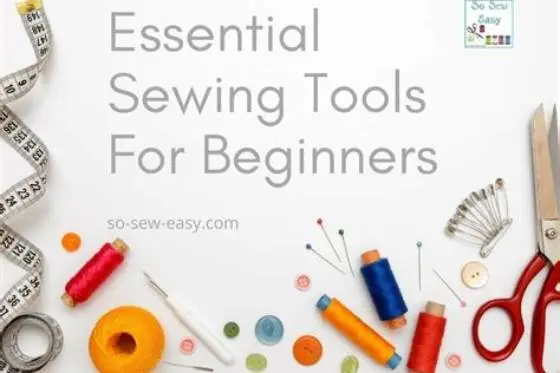
Start with a flexible measuring tape, usually 60 inches (150 cm) long, because it curves around fabric and bodies. Look for clear marks in both inches and centimeters, so you can follow any pattern without converting. If the tape lists only one unit, skip it and pick one showing both.
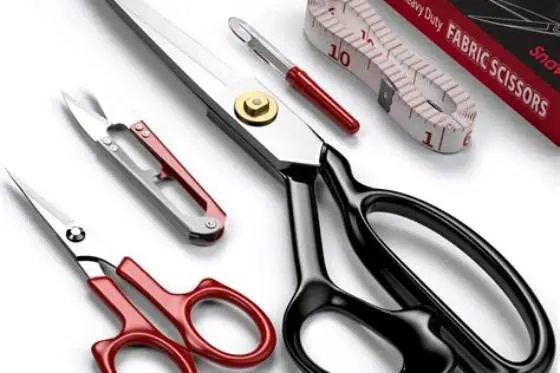
Most beginners find 8–9 inch fabric shears comfortable for straight cuts, so choose a length fitting your hand and check manufacturer spec. Keep these scissors for fabric only, because paper and plastic dull the edge fast and leave jagged edges. A sharp, stainless blade cuts without dragging, so your seam line stays true.
A small pack of fine pins, a few dozen, is enough for a first straight-seam project and keeps layers from shifting. You can also use fabric clips, which hold without making holes and suit delicate or thick layers. Pick pins or clips based on your fabric, and test pins slide smooth and clips snap firm.
Needle size depends on fabric and thread, so match them together and check your machine manual. For medium-weight woven cotton with all-purpose polyester thread (commonly 40–50 wt), 80/12 universal is a common starting point per most machine manuals. Use 70/10 for lightweight fabrics and 90/14 for heavier weaves, and change needle when you change weight. People in this spot often ask about sewing scissors as well.
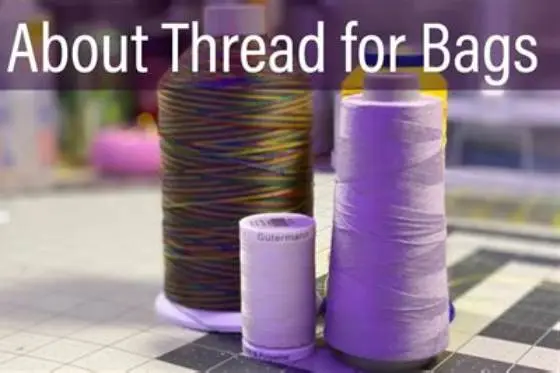
All-purpose polyester, usually labeled 40–50 wt, suits medium cotton and resists breaking under machine tension. Match thread weight to needle and fabric using thread manufacturer chart, so stitch forms clean. If you sew by hand, you can add a thimble and conditioner later, but you don't need them for machine straight seams.
| Priority | Buy now | Why now |
|---|---|---|
| 1 — Must have | Flexible tape, fabric shears, pins or clips | You can't measure, cut, or hold a seam without them |
| 2 — Match to fabric | Needles + all-purpose polyester thread (40–50 wt) | Wrong pairing causes skipped stitches and puckering |
| 3 — Can wait | Seam ripper, chalk, rotary cutter, gauge | Useful later for curves, fixes, and hems |
Wait list: tools you can skip until project two
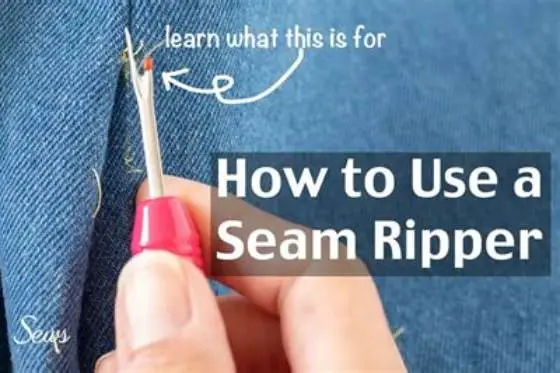
A seam ripper saves time when you undo stitches, but you can work without it on simple straight seams. Small sharp scissors let you snip a bad stitch, so you can wait to buy a dedicated ripper. Add one when you start sewing curves or fixing errors often.
A rotary cutter and mat cut fast on curves and layers, but they cost more and need storage space. Your fabric scissors handle straight edges fine for project one, so you can delay this pair. Buy them when you cut many pattern pieces or slippery fabric. Before you commit to anything, it is worth looking at how to use a seam ripper.
Fabric markers and tailor's chalk mark darts and curves, yet pins and tape guide straight seams well enough at first. You can mark with a sliver of soap in a pinch, but skip permanent pens staining fabric. Get chalk or washable markers before your first shaped project.
Pressing matters, but you don't need a new iron or board for straight seams. Your household iron presses seams flat if you use right heat for cotton. Hand sewing needs more extras, like a thimble to protect your finger and wax to stop tangles. Machine sewing skips both, so match extras to how you sew.
| Tool | Function | Why it can wait |
|---|---|---|
| Seam ripper | Undo stitches | Small scissors handle rare fixes on straight seams |
| Rotary cutter + mat | Fast, precise cutting | Scissors work fine for straight edges |
| Fabric markers / chalk | Mark sewing lines | Pins and tape guide straight seams |
| Pressing tools | Set seams flat | Household iron does job initially |
| Sewing gauge | Measure hems | Ruler or tape works early on |
Budget: how to choose scissors, pins and tape without overspending
If you can buy only three items, get fabric scissors, a flexible tape, and pins or clips first. Borrow needles and thread matching your fabric from a kit, or buy a small spool. This trio lets you measure, cut, and hold a straight seam without extra cost. We go through best thread for bags step by step elsewhere on the site.
Expect about $8–$15 for a basic tape and pin pack, $12–$25 for entry fabric shears, and $3–$6 for all-purpose polyester thread. A starter bundle under $30 covers project one, while $40–$60 adds a seam ripper, chalk, and better shears. Skip rotary cutter, mat, and specialty needles until project two to stay under budget.
Test scissors by cutting a single layer of cotton on the bias and check for clean edges without fray. Blades should close smooth with no gap at tip, and handles should fit fingers without pinching. Flex tape and check numbers stay clear at 1/8 inch marks and don't peel.
Slide a pin through cotton, it should glide without snagging or leaving a large hole. Pick glass or plastic heads not melting when you press near them. For clips, snap one on two layers of denim and tug, it should hold without slipping. If that sounds like your situation, read up on best adjustable dress form next.
Machine sewers should spend more on needles and thread matching manual, not on a thimble. Hand sewers should add a thimble and small wax block sooner, since finger protection matters. Check both machine manual and thread chart before you buy, so weight and size line up.
| Feature | Pins | Clips |
|---|---|---|
| Price | Low | Moderate |
| Fabric holes | Possible | None |
| Suitability for thick layers | Medium | Excellent |
| Reusability | Limited | Good |
| Holding strength | Strong | Moderate |
Substitutes: why household tools cause bad cuts and stitch problems
Kitchen or paper scissors dull on fabric and pull weave instead of cutting it. Edge turns ragged, so seam allowance wobbles and finished piece puckers. Keep fabric shears separate and cut only fabric to keep edge true.
Safety pins and paperclips don't hold layers flat and bend under presser foot. They can snag fabric, bend needles, and jam machine, so use fine sewing pins or clips instead.
Cheap or household string breaks, sheds lint, and throws off tension, which causes skipped stitches and jams. All-purpose polyester in 40–50 wt runs smooth and holds, so stitches stay even. Check spool for even winding and no fuzz before you buy.
A ruler or folded paper can't curve, so lengths and seam allowances end up short or long. A flexible tape follows curves and stays accurate, so garments fit as planned.
Ballpoint pens and permanent markers stain and won't wash out, which ruins light cotton. Use washable chalk or skip marking on straight seams and guide with pins. That's the fix saving fabric.
Still wondering?
Can I use regular scissors instead of fabric scissors?
Regular scissors dull fast on fabric and leave jagged edges, so seams pucker. Choose shears labeled for fabric, 8–9 inches for most hands, and check manufacturer spec for sharp stainless blades.
Do I need a seam ripper for my first sewing project?
You can wait. Small sharp scissors handle rare fixes on straight seams. Add a ripper when you sew curves or rip often.
Are fabric clips better than pins for beginners?
Both work. Pins hold thin fabric firm but can leave holes in knits. Clips avoid holes and grip thick layers, but cost more and hold less firm on very thin fabric. Pick based on fabric.
What thread type should I buy first?
All-purpose polyester, commonly 40–50 wt, suits medium woven cotton. Match thread weight to needle and fabric using thread chart and your machine manual. Use lighter thread with 70/10 and heavier with 90/14.
Can I mark fabric with pencil or pen instead of tailor's chalk?
No. Pencils and permanent pens stain and won't wash out. Use washable chalk or markers, or skip marking on straight seams and guide with pins and tape.