Will acrylic paint pens stay on fabric after washing?
You can use paint pens on fabric, but their marks usually need heat-setting or a fabric medium to stay after washing, especially on cotton. True fabric paint pens hold best without cracking or fading. Synthetic fabrics reduce bleed but affect adhesion differently.
On this page (8 sections)
- The short version
- Can you use paint pens on fabric?
- Acrylic vs Posca vs fabric paint pens: what stays after washing?
- Why regular acrylic cracks, fades or washes out without fabric medium or heat-setting
- How fabric type changes bleed and adhesion
- How to heat-set and wash to keep the design from fading
- When to use fabric paint pens instead and when regular or spray paint fails
- Still wondering?
Part of our guide on fabric markers for black fabric
Key figures
- Heat-setting temperature
- Varies by pen and fabric
- Typical wash cycles
- Depends on fabric and care
- Fabric paint pen durability
- Generally higher than acrylic pens
- Regular acrylic pen durability
- Generally lower than fabric paint pens
- Cotton fabric bleed
- Usually higher than synthetics
- Synthetic fabric bleed
- Usually lower than cotton
The short version
- True fabric paint pens resist washing better than regular acrylic or Posca-type pens.
- Heat-setting stops acrylic paint pens from cracking, fading, or washing out.
- Cotton and canvas fabrics absorb paint differently, affecting bleed and durability.
- Synthetics lower bleed but may need different pens or additives for adhesion.
- Regular acrylic pens without fabric medium usually fail washing fast.
Can you use paint pens on fabric?
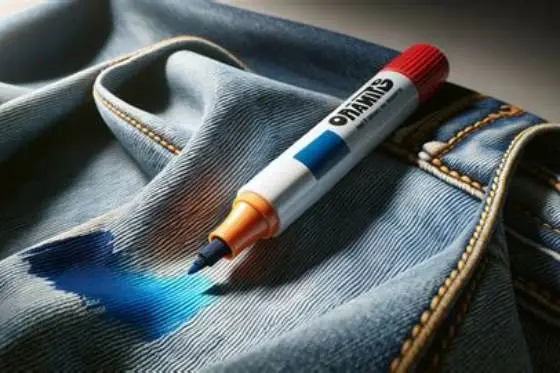
Yes, you can use paint pens on fabric, but how long the design lasts depends on the pen type, fabric, and treatment after painting. True fabric paint pens are designed for fabric and usually last through washing better than standard acrylic paint pens.
Regular acrylic paint pens can crack or fade without using a fabric medium or heat-setting. If you paint on cotton, expect more bleeding and fading without proper sealing. Synthetic fabrics like polyester reduce bleeding but may resist paint adhesion unless you use the right products.
Check the product label on your paint pens for fabric suitability and instructions. Testing on a small fabric piece is wise before committing to a project.
A tote you wash weekly needs heat-setting, a wall hanging you never wash does not. Fading or cracking often appears after several washes, so test your painted fabric by washing it as you normally would to evaluate durability. Rub the dry mark with a damp cloth to check for color transfer; any transfer means more setting or sealing is needed. We cover softness and cracking concerns in its own article.
Coverage varies widely by tip size, brand, and fabric. Buy extra pens and test on scrap fabric to estimate how much paint you’ll need for your design.
Acrylic vs Posca vs fabric paint pens: what stays after washing?
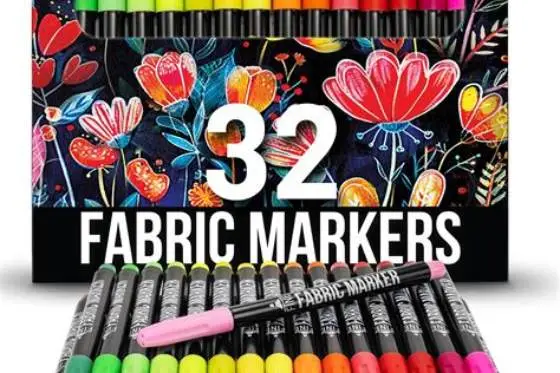
True fabric paint pens often use acrylic-based paint blended with additives for flexibility and adhesion. They generally resist washing, cracking, and fading better than pure acrylic or Posca pens.
Posca-type pens are acrylic but have a water-based pigment that behaves differently on fabric. They can bleed or fade without treatment but give vibrant colors and smooth flow for detailed work. The other half of this decision is how to make fabric paint permanent.
Regular acrylic paint pens dry hard on fabric, which means they crack or peel after repeated washing. Adding fabric medium or heat-setting improves their performance but not as well as fabric-specific pens.
Pick Posca-type pens for crisp detail on light cotton you won’t wash often. You’ll get solid coverage in one pass on white or cream, but need two thin coats on navy or black. Skip them for a kid’s daily tee and you’ll see a soft halo bleed after the first warm wash. That halo means pigment sat on top instead of bonding, so it lifts.
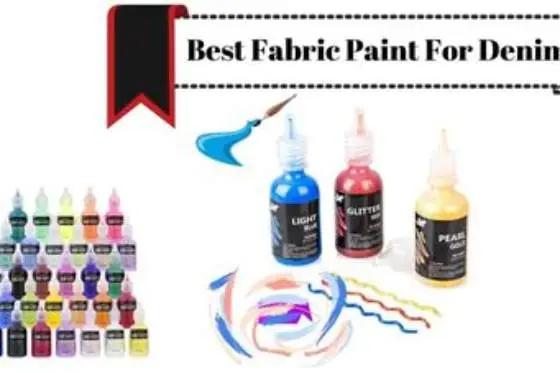
Fabric paint pens stay flexible longer when heat-set and washed carefully. Acrylic pens tend to crack sooner. Stretch the fabric cuff after it dries to check flexibility. If cracks appear, switch pens or add fabric medium before painting. If that sounds like your situation, read up on best fabric paint for denim next.
| Feature | True Fabric Paint Pens | Posca-type Acrylic Pens | Regular Acrylic Pens |
|---|---|---|---|
| Wash resistance | Higher | Medium | Lower |
| Crack resistance | Higher | Medium | Lower |
| Bleed tendency | Medium | Higher | Medium |
| Color vibrancy | High | High | High |
| Need heat-setting? | Recommended | Usually needed | Usually needed |
- Fabric paint pens: great wash durability
- Posca pens: vibrant colors, easy to use
- Regular acrylic: cracks and fades
- Posca pens: bleed without setting

BEAUTURAL 1800 Watts Steam Iron with Digital LCD Screen
No temperature or heat setting details for fabric pen instructions are published.
Why regular acrylic cracks, fades or washes out without fabric medium or heat-setting
Regular acrylic paint becomes stiff when dry, making it prone to cracking on flexible fabric. Washing stresses the paint layer further, causing flaking or fading. Without fabric medium to keep paint flexible, cracks appear after a few washes.
Heat-setting uses dry heat to bond paint to fabric fibers, reducing wash-out and fading by locking pigment in place. The exact temperature and time vary by product and fabric. Follow the pen’s instructions carefully to avoid damaging fabric.
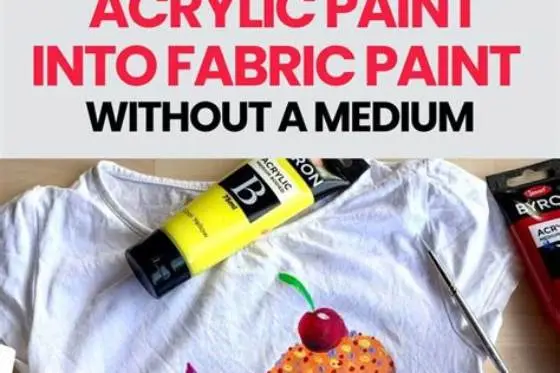
Fabric medium mixed with acrylic paint improves flexibility and adhesion. It is useful if you want to use regular acrylic paint pens on fabric and want the design to last through washing.
Not all paint pens stay on fabric after washing; heat-setting and fabric type decide if your design lasts.
How fabric type changes bleed and adhesion
Cotton and canvas are porous natural fibers that absorb paint, causing more bleeding but helping adhesion once dry. Paint may spread beyond your line if the fabric isn’t pre-washed or tightly woven.
Synthetic fabrics like polyester are less porous, so paint beads on the surface and bleeds less. However, this reduces adhesion since paint can’t sink into fibers, making designs easier to wash out unless paint is specially formulated or heat-set.
Blends combine properties and often require testing. Fabrics with finishes, like water repellents, can repel paint and may need pretreatment or suitable paint formulations.
Pre-washing can reduce bleeding by removing finishes or starch, but the effect varies by fabric. Test a dot on washed and unwashed fabric scraps to see which works better.
Tighter weaves generally bleed less than loose weaves, but test your specific fabric to be sure.
Synthetics often require lower heat for heat-setting than cotton. Follow both the pen’s instructions and the fabric’s care label. Test heat on a hidden area to avoid damage.
| Fabric Type | Porosity | Bleed Risk | Adhesion | Recommended Pen Type |
|---|---|---|---|---|
| Cotton | High | Higher | High | Fabric paint / acrylic + medium |
| Canvas | High | Medium | High | Fabric paint pens |
| Polyester | Low | Lower | Medium-low | Fabric paint with good adhesion |
| Blends | Medium | Medium | Medium | Test first |
How to heat-set and wash to keep the design from fading
After painting, wait until the paint is fully dry, usually 24 hours. Heat-setting requirements vary by product and fabric. Follow the specific pen’s instructions and the fabric care label. Commonly, covering the painted area with a clean cloth and applying an iron on the cotton setting works well, but test on scrap fabric first to avoid scorching.
Some fabric paint pens specify oven curing at low temperatures. Follow the manufacturer’s instructions carefully if you use this method.
Wash the painted fabric inside out in cold water on a gentle cycle to protect the paint. Avoid bleach and harsh detergents. Hang dry or tumble dry on low heat to reduce wear on the paint.
Repeated washing will eventually degrade any paint, but proper heat-setting can extend the design’s life significantly. How long depends on the fabric, paint, and care.
- Let painted fabric dry completely, about 24 hours.
- Cover the painted area with a clean cloth.
- Apply heat as directed by the pen and fabric labels, usually with an iron or oven.
- Wash inside out in cold water gently.
- Avoid bleach and dry on low heat or hang dry.
When to use fabric paint pens instead and when regular or spray paint fails
Use fabric paint pens when you need precision, bright colors, and durability on fabric, especially cotton or blends. They stay flexible and resist washing and cracking.
Regular acrylic paint pens can work for non-washable projects or those with heat-setting and fabric medium. They usually fail on stretchy or synthetic fabrics without preparation.
Spray paint rarely bonds well to fabric unless specially formulated. It tends to crack, peel, or fade quickly. Fabric paint pens or brushed fabric paints give better control and longer-lasting results for wearable or washable items.
If your project needs frequent washing or stretch, fabric paint pens are best. For decoration only or non-washable items, acrylic pens can suffice.
- Fabric paint pens: durable, flexible, washable
- Regular acrylic: easy to find, colorful
- Regular acrylic: cracks, fades, not stretchable
- Spray paint: poor fabric adhesion, cracks
Still wondering?
Can I use regular acrylic paint pens on polyester fabric?
Polyester’s low porosity reduces paint adhesion, so regular acrylic paint pens often wash out or peel. Use fabric paint pens designed for synthetics or add fabric medium and heat-set carefully for better results.
Does heat-setting damage delicate fabrics?
Heat-setting temperatures vary by product and fabric. High heat can scorch delicate fabrics like silk or melt synthetic fibers. Test on a scrap and follow fabric care labels for safe heat settings.
How can I test if my painted fabric design will last washing?
Test a swatch painted with your chosen pen and fabric. Wash it as you normally would, using mild detergent and cold water. After drying, rub the painted area with a damp cloth to check for color transfer or fading. Adjust your process based on the results.
Can I mix fabric medium with paint pen ink?
Mixing fabric medium directly with paint pen ink is usually not practical because pens contain ready-to-use paint. Instead, mix acrylic paint with fabric medium on a palette and apply with a brush or refillable pen for better control.
Why does my paint design crack after washing?
Cracking happens when paint dries stiff without enough flexibility. Heat-setting or using fabric paint pens designed for textiles helps prevent cracks. Adding fabric medium can also improve flexibility.