How to tell right from wrong side of fabric before cutting
Look for the selvage edge, print clarity, and weave texture to identify the fabric’s right side. Often, the right side has smoother selvage holes, sharper print, and a more defined weave. For napped or pile fabrics, the right side usually has a distinct texture or nap direction.
On this page (8 sections)
- The short version
- What right side vs wrong side means for sewing and why it matters
- How to tell by selvage - smooth vs rough holes and edge finish
- How to tell by print, color and weave texture on woven fabrics
- How to tell on fleece, napped and pile fabrics
- What to do when both sides look the same and how to mark the wrong side
- How to tell right side of fabric using the query “how to tell the right side of fabric”
- Still wondering?
Part of our guide on fabric for hot humid weather
Key figures
- Selvage hole size
- smaller on right side
- Print clarity
- sharper on right side
- Pile nap direction
- usually downward
- Knits stretch
- same side both
- Marking tool
- chalk or washable pen
The short version
- Selvage holes: smoother on right side, rougher on wrong
- Prints appear sharper and more vibrant on right side
- Woven fabric’s right side has more defined weave texture
- Napped fabrics show distinct nap direction on right side
- Mark wrong side when both sides look alike for accuracy
What right side vs wrong side means for sewing and why it matters
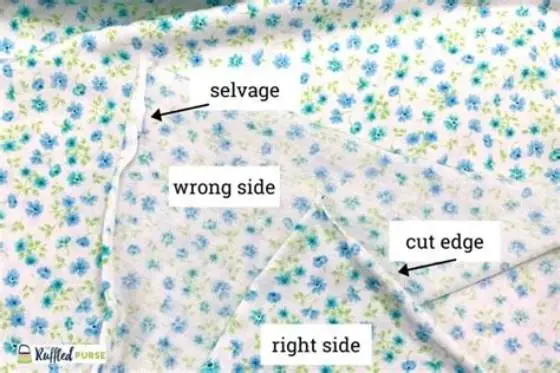
The right side of fabric is the intended face that shows the pattern, color, or finish. The wrong side is the back without the final design or texture. Knowing which is which is crucial because you cut, sew, and press the fabric based on the right side’s orientation.
Sewing with the wrong side out leads to dull results and mismatched seams. Patterns assume you work from the right side. Pressing on the wrong side can damage delicate fabrics or flatten textures. Correctly identifying sides prevents wasted cuts and frustration.
This distinction becomes more important on patterned, textured, or specialty fabrics like velvet or fleece. Beginners especially need to double-check to avoid costly mistakes. A few simple tests confirm the right side before you lay out and cut your pieces.
How to tell by selvage - smooth vs rough holes and edge finish
Selvage runs along the length of woven fabrics. Some woven selvages may show smaller, neater holes on the right side. The wrong side's holes can seem larger or fuzzier. This varies by mill and fabric type. Feel the selvage texture. The right side sometimes feels smoother, but this is not always reliable. For the detail, see our notes on matching drape versus structure needs.
Check the edge finish. An intact woven selvage often looks cleaner and less frayed on the right side. Some fabrics have print or color markings on the selvage that face the right side. This method only works on woven fabrics with uncut, unwashed selvages. Knits, or fabrics with cut or frayed selvages, do not follow these rules.
If the selvage is missing or damaged, try other tests. Check print clarity or color saturation if the fabric has a pattern. Feel the weave texture for differences. For solid woven fabrics that look the same on both sides, lift a yarn with a pin or use angled light to spot subtle sheen differences. On knits, identify the right side by the V-shaped knit face (knit side) versus the bumpier purl side (wrong side); selvage cues are unreliable on knits. Fold the fabric lengthwise and compare both sides for subtle distinctions.
How to tell by print, color and weave texture on woven fabrics
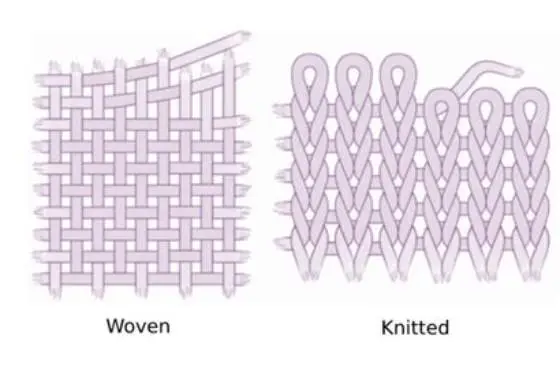
Printed fabrics usually show their right side as the one with the clearest, most vibrant print. Colors look sharper and edges crisper on the right side. The wrong side often appears faded or blurry because the dye or print doesn’t fully saturate the back. For the detail, see our notes on knit versus woven fabric.
Besides print, examine the weave texture. The right side often has a more pronounced weave pattern or a distinct finish. For example, twill’s diagonal ribs are more visible on the right side. Plain weaves might show slightly shinier threads or smoother texture on the right face.
Solid woven fabrics can be tricky when both sides look similar. Feel the fabric’s texture: the right side may be smoother or have a subtle sheen. Run your finger over the weave to feel for surface direction. When in doubt, use a marking pen on the wrong side before cutting.
Check selvage holes, print sharpness, and texture or nap direction before cutting to tell a fabric’s right side every time.
How to tell on fleece, napped and pile fabrics
Fleece, velvet, and other napped or pile fabrics have a fuzzy or raised surface on the right side. The nap lies in one direction, which you can detect by running your hand gently over the fabric. The right side feels smooth and soft when stroked one way, rough or dull the other.
Pile fabrics like velvet show better color depth and luster on the right side. The wrong side is usually dull, flat, and less soft. Fleece’s right side often has a tighter, less fuzzy surface, while the wrong side is fuzzier or shows backing knit.
Check the nap direction carefully because cutting pieces facing opposite ways causes color shading differences. Always lay out pattern pieces aligned with the nap for uniform look after sewing. If both sides appear similar, test by brushing or marking the wrong side.
What to do when both sides look the same and how to mark the wrong side
Some fabrics, especially certain knits and solids, have identical right and wrong sides, making identification tricky. When the print and texture offer no clues, you must mark the wrong side to avoid confusion later. Use tailor’s chalk or a washable fabric marking pen on the wrong side after confirming it by tests.
Mark several spots on the wrong side with small, discreet symbols or dots. Choose washable chalk or pens that vanish with water or heat, so marks don’t show in the finished project. Avoid permanent markers unless you plan hidden seams or linings.
If you’re unsure which side is right, pick one to be right side, mark the opposite side clearly, and sew accordingly. Keeping consistent orientation throughout cutting and sewing prevents misalignment. Marking also helps when cutting multiple identical pieces or working on complex projects.
How to tell right side of fabric using the query “how to tell the right side of fabric”
The query 'how to tell the right side of fabric' boils down to using three hands-on checks before cutting. First, check the selvage holes and edge finish: smaller, smoother holes and cleaner edges usually face the right side. Second, inspect print and color: the right side has sharper prints and more vibrant hues.
Third, feel the weave texture on woven fabrics or the nap direction on napped fabrics. The right side feels smoother or shows a clear nap direction. When the fabric is ambiguous, mark the wrong side with tailor’s chalk to keep track. This combination of checks ensures you identify the correct face before cutting.
Applying these tests each time saves fabric and frustration. It’s normal for some fabrics to resist visual clues, so touching and marking become essential. Trust your senses and mark early for consistent results across your project.
Marking the wrong side with tailor’s chalk is the best fail-safe for tricky fabrics.
Still wondering?
Can the right side of fabric change after washing?
Usually, the right side remains the same after washing. However, some fabrics may slightly fade or change texture, making the difference less obvious. Always check again after pre-washing before cutting.
How do I tell the right side on double-sided fabric?
Double-sided fabrics have two usable right sides. Choose the side you prefer and treat the other as wrong side for that project. Mark the wrong side to maintain consistency during sewing.
Is selvage edge useful for knit fabrics?
Selvage edges are less reliable on knits because of their stretch and construction. For knits, rely on print, texture, or pattern instructions instead.
Can I sew without knowing the right side?
You can sew, but seams may look uneven, and prints may not align. Knowing the right side ensures professional-looking results and accurate pattern placement.
What if the fabric is reversible?
Reversible fabrics have two right sides designed to look good both faces. Choose the side you want visible and mark the other side to avoid confusion.