Which fabric for clothes that drape vs bags that hold shape
For clothes that drape well, choose lightweight fabrics with some stretch and good flow, such as rayon or knit jersey. Bags that hold shape need heavier woven fabrics like canvas or upholstery fabric with minimal stretch. Fabric weight, weave, and fiber type all affect how fabric behaves in use.
On this page (8 sections)
- The short version
- Types of fabric and their uses
- Woven vs knit fabric and why it matters for drape, stretch and needles
- How weight and weave affect structure, sewing difficulty and durability
- Which fabrics suit clothing, quilting, bags/upholstery and embroidery and why
- Natural vs synthetic vs blend and how that changes breathability, stretch and care
- What goes wrong if you swap fabric types - puckering, stretching out, fraying, shrinkage
- Still wondering?
Part of our guide on fabric for hot humid weather
Key figures
- Common knit fabric weight
- 3-7 oz/sq yd
- Canvas fabric weight
- 8-14 oz/sq yd
- Usual needle size for light fabric
- 70/10
- Usual needle size for heavy fabric
- 90/14
- Typical thread weight
- 50 wt
- Shrinkage risks
- 5-10%
- Polyester stretch
- 10-30%
The short version
- Natural fibers breathe better but may wrinkle and shrink more.
- Knit fabrics stretch and drape, woven fabrics hold shape better.
- Heavier fabrics give structure but can be harder to sew and wear.
- Choosing the wrong fabric causes puckering, distortion, or poor durability.
- Match needle size and thread weight to fabric type for best results.
Types of fabric and their uses
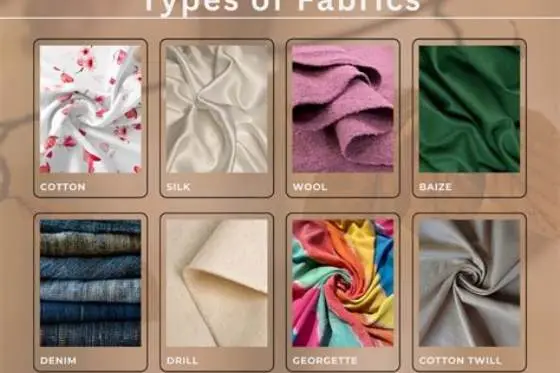
Choosing the right fabric depends on its intended use, such as clothes that drape or bags that hold shape. Types of fabric and their uses vary by fiber content, weave, and weight. Natural fibers like cotton and linen offer breathability but can shrink if not pre-shrunk. Always check the bolt label for fiber percentages and care instructions, and prewash a small swatch to test shrinkage.
Stretch depends on fabric construction and spandex content. Test stretch on a 4-inch swatch in both directions to understand how much the fabric yields. Knits generally stretch more than plain woven fabrics. A small amount of spandex adds modest stretch to wovens; knits with higher spandex stretch much more. Test recovery by stretching and releasing the fabric swatch.
Fabric weight influences drape and structure. Lightweight fabrics drape well and suit clothing, while heavier fabrics like canvas or upholstery hold shape, ideal for bags. Weight information may appear on the bolt label; handle swatches to judge feel and stiffness.
Sewing thick or bulky fabrics may require a longer stitch length and a walking foot. Seam allowances might need to be wider if the pattern allows. Always test on fabric scraps and consult your machine manual. Needle size and thread weight must match your machine and fabric type to avoid skipped stitches or damage. There is more on fabric best for doll making in a separate guide.
Woven vs knit fabric and why it matters for drape, stretch and needles
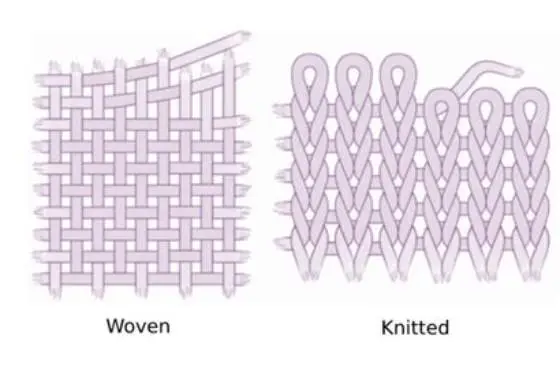
Woven fabrics interlace yarns at right angles, making stable fabric with little stretch unless it has spandex added. They hold their shape well for bags or structured clothes but usually drape less. Knits loop yarns together, creating stretchy fabric that hugs curves and drapes smoothly for garments like t-shirts or dresses.
Needle choice depends on fabric type. For woven fabrics, sharp needles (like 80/12 or 90/14) pierce the tight weave cleanly. For knit fabrics, ballpoint needles push yarn loops aside to avoid runs or holes. Using the wrong needle causes skipped stitches or fabric damage.
Stretch also depends on weave and fiber. A knit cotton jersey may have 10-30% stretch, while a plain woven cotton has 0-5%. If your project needs stretch, choose a knit or a woven with spandex. Otherwise, select woven fabric for structure. For the detail, see our notes on checking fabric stretch by hand.
Fabric stretch can come from fiber content or fabric construction. A woven fabric with spandex may stretch 10-20%, enough for fitted pants. A knit jersey with spandex can stretch over 50%, perfect for activewear. Test stretch in both directions before cutting.
Stretch recovery is the fabric’s ability to return to shape after stretching. Poor recovery causes saggy clothes or bags losing shape. Knits with good spandex content show 80-90% recovery, whereas natural fiber knits without spandex may only reach 50-60%.
| Aspect | Woven | Knit |
|---|---|---|
| Stretch | Low unless spandex | Medium to high |
| Drape | Moderate to stiff | Soft and flowing |
| Needle type | Sharp, 70/10 to 90/14 | Ballpoint, 75/11 to 90/14 |
| Best uses | Bags, upholstery, tailored clothes | T-shirts, dresses, stretch garments |
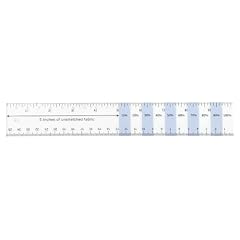
UPTTHOW Knit Fabric Stretch Ruler for Measuring Elasticity
Lets you check how much a knit will stretch before you cut, reading up to 100% so you can avoid puckering or a garment that bags out.
How weight and weave affect structure, sewing difficulty and durability
Fabric weight ranges from about 3 oz (85 g) per square yard for lightweight fabrics to over 14 oz (475 g) for heavy canvas or upholstery fabric. Heavier fabric holds form better, ideal for bags or structured garments. Lightweight fabric drapes better but can be fragile and harder to sew neatly.
Tight weaves like twill or canvas resist fraying and wear better, making them durable for bags or upholstery. Loose weaves like voile or linen breathe well but fray easily and need careful finishing. Choose fabric weight and weave based on the project’s need for strength or softness.
Sewing heavy fabric takes more effort. Use a strong needle like 90/14 or denim needle and polyester-wrapped thread of weight 50 to prevent breaks. Lightweight fabric calls for finer needles and thread to avoid holes or puckering.
Heavyweight fabrics often need adjusting sewing machine settings for even stitches. Increase stitch length to 3.0–3.5 mm and use a walking foot to feed thick layers evenly. This prevents skipped stitches or needle breakage.
Fabric thickness affects seam allowances. For bulky fabrics like upholstery, use wider seam allowances of 5/8 inch or more. This provides strength and room for adjustments, especially on curved seams.
- Heavy fabrics: thick canvas, denim, upholstery fabric
- Light fabrics: voile, lawn, chiffon
- Medium weight: quilting cotton, linen
- Tight weave: twill, satin; loose weave: gauze, muslin
Match fabric's weave, weight, stretch, and fiber to your project's needs to avoid sewing failures and get perfect drape or shape every time.
Which fabrics suit clothing, quilting, bags/upholstery and embroidery and why
Clothing needs breathable, comfortable fabrics that drape well or hold shape depending on style. Jersey knits or rayon offer soft drape, while cotton twill or linen suit structured shirts or pants. For quilting, cotton quilting fabric around 4-6 oz suits piecing and machine quilting with stable weave.
Bags and upholstery require heavy, durable fabrics like canvas, denim, or upholstery fabric with tight weaves and weight above 8 oz. This holds shape and withstands wear. Embroidery demands fabrics with smooth surfaces and stable weave like medium-weight cotton or linen to avoid distortion.
Choosing fabric without considering use leads to trouble: lightweight fabrics for bags fail under load, and heavy fabrics for clothing feel stiff and uncomfortable. Match fabric to the project for best durability and appearance.
For clothing needing both drape and structure, choose fabrics with medium weight and moderate stiffness. Linen blends or cotton sateen fit well. They shape the garment but still move with the body, avoiding stiffness or clinginess.
Embroidery also demands fabric stability under needle punctures. A tightly woven cotton duck or linen with an embroidery stabilizer helps keep stitches neat and prevents distortion during washing and wearing.
| Project | Recommended fabric type | Weight (oz/sq yd) |
|---|---|---|
| Clothing: drape | Rayon, jersey knit | 3-7 |
| Clothing: structure | Cotton twill, linen | 5-8 |
| Quilting | Cotton quilting fabric | 4-6 |
| Bags/upholstery | Canvas, denim, upholstery | 8-14 |
| Embroidery | Medium-weight cotton, linen | 4-6 |
Natural vs synthetic vs blend and how that changes breathability, stretch and care
Natural fibers such as cotton, linen, and wool breathe well and absorb moisture but shrink and wrinkle more. Synthetic fibers like polyester and nylon resist wrinkles and dry quickly but trap heat and can feel less comfortable. Blends mix the two fibers, offering balance in comfort, stretch, and ease of care.
Breathability is highest in natural fibers, making them better for summer clothing or quilts. Synthetic fabrics suit gear that needs frequent washing or moisture resistance, like bags or sportswear. Blends often add spandex for stretch and recovery, improving fit and durability.
Care differs: natural fibers often require gentle washing to avoid shrinkage, while synthetics handle machine washing. Always prewash fabric or test a swatch to check shrinkage and colorfastness before cutting your project.
- Natural fibers: breathable, shrink 5-10%, wrinkle easily
- Synthetic fibers: wrinkle-resistant, less breathable, quick dry
- Blends: balanced stretch, care, and comfort
What goes wrong if you swap fabric types - puckering, stretching out, fraying, shrinkage
Choosing the wrong fabric causes common problems: puckering occurs when a heavy thread is sewn on lightweight fabric or when stretch fabrics are sewn with woven settings. Stretching out happens if heavy, stable fabric is replaced by knit fabric that sags under weight.
Fraying increases with loose weaves or lightweight fabrics misused for bags or upholstery. Shrinkage surprises often occur when unwashed natural fibers are sewn into shape, resulting in misshapen garments or quilts after the first wash.
Avoid problems by matching fabric type, weight, and stretch to the project. Use the right needle and thread size, and always prewash fabric to anticipate shrinkage. A sewing gauge or ruler helps measure fabric stretch and recovery before cutting.
Still wondering?
Can I use knit fabric for bags?
Knit fabric usually stretches and lacks the structure needed for bags, leading to sagging and loss of shape. Heavy woven fabric suits bags better.
How to tell if fabric will shrink?
Natural fibers like cotton or linen shrink 5-10%, especially if unwashed. Prewash a fabric scrap and measure it before and after drying to test shrinkage.
What needle size is best for quilting cotton?
A sharp needle size 80/12 works well for medium-weight quilting cotton, providing clean stitches without holes or skipped stitches.
Why does my fabric pucker when sewing?
Puckering often comes from tension being too tight, wrong needle size, or sewing stretch fabric with a woven needle. Adjust tension and use the correct needle type.
Is polyester fabric breathable?
Polyester is less breathable than natural fibers and can trap heat, making it less comfortable for warm weather clothing but good for durable, washable items.