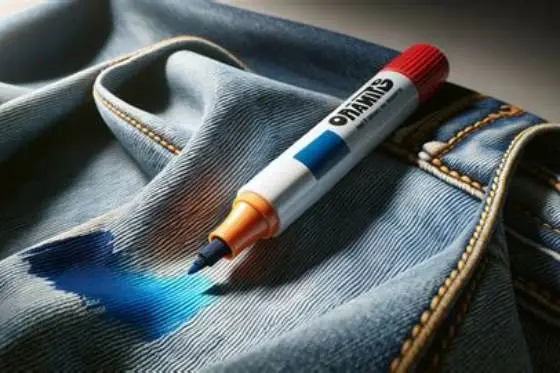
Fabric paint washing out? how long and hot to heat-set it
Make fabric paint permanent by letting it fully cure, then heat-setting it at the fabric’s hottest safe temperature. Use an iron, heat press, or dryer only if paint label allows. Acrylic without fabric medium will crack and wash out even with heat.
On this page (8 sections)
- The short version
- Heat and cure: how to lock colour in fabric paint
- Why heat-setting is needed and acrylic cracks without fabric medium
- How to heat-set with iron, dryer, or press without damage
- How long to cure paint before heat-setting and washing
- How to mix fabric medium with acrylic paint for flexibility
- How to wash painted fabric and test paint permanence
- Still wondering?
Part of our guide on choosing fabric marker tips
Key figures
- Cure before heat
- Follow paint label, often 24 hours or more
- Cure before wash
- Wait 48-72 hours after heat-setting
- Iron heat-set
- Heat at fabric-safe dry setting, time per paint label
- Dryer heat-set
- Use only if paint label allows, time and heat per label
- Press heat-set
- Follow paint and press instructions carefully
- Safe fabric heat
- Refer to fabric care label; test inside seam first
The short version
- Fabric paint needs both proper cure time and heat-setting; skipping either leads to washing out.
- Heat-set each painted area with an iron or press at the fabric’s hottest safe temperature, or use a dryer only if paint and fabric labels permit.
- Let paint cure fully before heat-setting. Cure times depend on paint type, fabric, and environment. Wait 48 to 72 hours after heat-setting before washing.
- Mix acrylic paint with fabric medium following the product label instructions for a flexible, washable finish.
Heat and cure: how to lock colour in fabric paint
Make fabric paint permanent by fully curing it, then heat-setting to bond paint to fabric fibres. This process suits cotton, blends, and synthetics. Air-dried paint alone softens and can lift when washed.
Permanent paint flexes with fabric because the binder cross-links and adheres firmly. Cure time varies by paint type, fabric, humidity, and paint thickness. Synthetics require lower heat to avoid damage.
Apply thin coats for better washfastness. Multiple thin layers cure and heat-set more evenly than thick ones. Puff or glitter paints may need longer cure and heat times and stay slightly raised by design.
Choose your heat-setting method based on fabric and paint label instructions. Cotton tolerates higher heat; synthetics need gentler temperatures. Some paints require heat to become washable; others may only air-cure to limited permanence. There is more on best fabric paint for denim in a separate guide.
Why heat-setting is needed and acrylic cracks without fabric medium
Fabric paint often requires heat-setting to fuse paint binders to fibres. Without heat, friction and detergents break paint down in few washes.
True fabric paint uses flexible binders designed for fabric. They remain soft and move with cotton after heat. Craft acrylic dries hard and brittle, cracking and flaking when stretched.
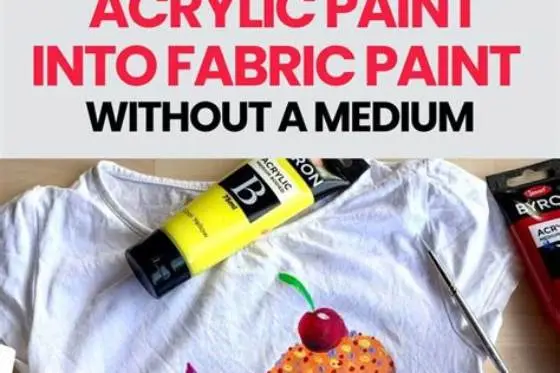
Acrylic paint on fabric isn’t washable without fabric medium. Heat won’t stop cracking or peeling if medium is missing. Fabric medium adds flexibility and wash resistance. You can test softness by touch after curing. If that sounds like your situation, read up on clothes ironing techniques next.
Always mix acrylic with fabric medium before painting. Heat alone doesn’t fix stiffness or cracking.
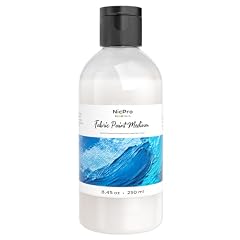
Nicpro 8.45oz Professional Effects Fabric Medium for Fabric Paint
Lets you turn the acrylics you already own into permanent, washable fabric paint that flexes with the fabric instead of cracking, mixed 1:1 as the label directs.
How to heat-set with iron, dryer, or press without damage
Heat-setting works when the painted area reaches activation temperature long enough without scorching. Use parchment or a thin cotton cloth to protect paint. Avoid steam and keep heat moving or timed carefully. Test on an inside seam first.
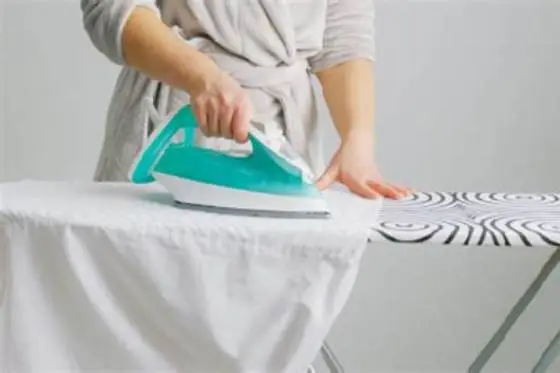
Set an iron to the hottest dry setting safe for your fabric. Cover paint with parchment or press cloth. Heat each painted spot for the time your paint label instructs. Lift between presses instead of sliding to avoid smudging. Let fabric cool before moving. Before you commit to anything, it is worth looking at acrylic paint fabric durability.
Some paints allow tumble drying for heat-setting. Use the highest dryer setting safe for your fabric and paint, per labels. Dryer heat is gentler than irons or presses and less reliable on thick paint. Use only if paint label permits.
Follow paint and heat press manufacturer instructions if using a heat press. Use the lowest effective heat for synthetics to prevent scorching or melting. Always test heat-setting on a fabric swatch before full application.
- Always check both fabric and paint labels for safe heat settings.
- Test heat-setting on an inconspicuous area before full application.
- Avoid steam, as moisture can weaken paint bonding.
- Let paint cure fully per label before heat-setting.
- Place parchment or press cloth over painted area on a hard, flat surface.
- Heat-set following your paint and fabric label instructions, avoiding steam.
- Let fabric cool completely before handling or washing.
| Method | Considerations | Best for |
|---|---|---|
| Iron (dry) | Use hottest dry setting safe for fabric; heat time per paint label; use parchment or press cloth | Small designs, cotton, controlled heat |
| Dryer (if paint label allows) | Use highest safe setting for fabric and paint; less precise heat | All-over prints, knits, gentle heat |
| Heat press | Follow paint and press instructions; reduce heat for synthetics | Even coverage, batch items |
- Iron: precise, reliable heat; good for small areas and cotton.
- Dryer: avoids scorching; good for knits if label allows.
- Iron: risk of scorching synthetics; can leave shine marks on dark cotton.
- Dryer: lower heat; uneven on thick paint; only for paints allowing tumble heat.
Most fabric paint fails not in the painting but in the critical hours after you think you are done.
How long to cure paint before heat-setting and washing
Curing means letting paint air-dry and chemically set before heat. Paint may feel dry quickly but still hold moisture. Heat too soon traps steam and weakens bonding. The other half of this decision is washing painted fabric tips.
Follow your paint label for cure time before heat-setting. This often means at least 24 hours or longer if thick coats, puff paints, cool or humid conditions, or specific paint requirements apply.
After heat-setting, wait again before washing. Many brands recommend waiting 48 to 72 hours. This lets the fused paint fully harden. Washing too soon causes fading or peeling.
Test cure by pressing masking tape firmly onto paint and peeling it off. If paint lifts, wait longer before heat-setting. This simple check can save your project.
How to mix fabric medium with acrylic paint for flexibility
Fabric medium softens craft acrylic to make it flexible and washable. It thins paint and preserves colour. Without it, acrylic paint stays stiff and cracks when fabric bends.
Mix fabric medium and acrylic following the product label instructions exactly. Ratios vary by brand; follow your medium’s label for best results.
Apply thin layers and let each dry before the next. Thin coats with medium wash better than one thick coat. Metallic or neon acrylics often need more medium to stay flexible.
Heat-set the mixed paint after the recommended cure time, using the process described above. Wait the full 48-72 hours after heat-setting before washing. Acrylic paint won’t be as soft as true fabric paint on drapey knits.
- Use measuring spoons to follow label ratios accurately.
- Mix only what you will use in one session; leftover mix thickens and loses flow.
- Label your mix ratio for consistent touch-ups.
How to wash painted fabric and test paint permanence
Wash painted fabric gently during the first few cycles. Turn items inside out. Use cold water and a mild detergent. Select a gentle cycle. Avoid fabric softeners and bleach during initial washes; they soften the paint film and reduce durability.
Air dry or tumble dry on low heat. After the first wash, higher dryer heat is acceptable once paint is fully heat-set. Hot water damages uncured paint edges more than warm dryer air. If fading occurs, switch to colder water for all future washes.
Test painted items before gifting or selling. Use a scrap piece or inside hem for testing to avoid damaging visible fabric. This verifies if your cure, heat-setting, or paint mix needs adjustment.
A reliable test shows no colour change after washing. If paint lifts, adjust one factor at a time: increase cure time, heat-set longer or hotter within fabric limits, or revise your paint mix with fabric medium. Retest after each change.
- Wait the post-heat wash wait indicated on your paint label before washing; if no time is listed, perform a tape and stretch test instead.
- Wash inside out on cold, gentle cycle with mild detergent.
- Air dry or tumble on low heat.
- Inspect paint edges and colour in bright light.
- Perform tape and stretch tests: tape should not lift colour, paint should flex without cracking.
- If tests pass, wash again with warm water. If colour holds after two washes, paint is set.
| Symptom after wash | Likely cause | Fix |
|---|---|---|
| Colour faded evenly | Insufficient heat-setting or too low heat | Increase heat-setting time or temperature within fabric label limits |
| Cracks along folds | No fabric medium or thick paint layer | Mix acrylic with fabric medium; apply thinner coats |
| Edges peeling | Insufficient cure before heat or washing | Extend cure time; heat-set again; wait before washing |
Heat combined with proper curing makes fabric paint washable. Acrylic paint requires fabric medium and the same process or it will crack and peel.
Still wondering?
Can I make fabric paint permanent without heat if I just wait longer?
Some brands claim permanence after air curing alone for 72 hours or more, but most paints still benefit from heat-setting. Without heat, paint stays softer and less durable. If heat isn’t possible, cure paint fully for at least 72 hours and wash cold on a gentle cycle.
What temperature should my iron be for fabric paint?
Set the iron to the hottest dry setting safe for your fabric. Check your fabric care label and paint instructions for recommended temperatures. Test heat on an inside seam before applying to painted areas. Use a parchment or press cloth and follow paint label heat time.
Can I use a hair dryer or steamer to heat-set?
Hair dryers do not reach temperatures high enough to fuse paint binders. Steam adds moisture that can weaken paint adhesion. Use a dry iron, heat press, or a hot tumble dryer only if your paint label permits heat-setting by dryer.
Why is my fabric paint still washing out after heat-setting?
Common causes include insufficient heat, too short heat time, or incomplete curing before heat. Thick paint layers, cold or damp environments, and ignoring label instructions also cause failure. Follow paint and fabric labels carefully, cure fully, heat-set at the highest safe temperature, and wait 48 to 72 hours before washing.
Do I need to wash fabric before painting?
Yes. Wash and dry fabric without fabric softener to remove finishes that block paint adhesion. Use warm water and mild detergent. Pre-shrink cotton fabrics if needed and press fabric smooth before painting to ensure good paint bonding.