Will acrylic paint stay on fabric after washing?
Plain acrylic paint usually cracks and peels after washing unless heat-set properly or mixed with a fabric medium. Acrylic plus fabric medium often lasts longer with less stiffness but still risks cracking. True fabric paint stays flexible and resists washout best due to its formulation for fabric fibers.
On this page (7 sections)
- The short version
- Will plain acrylic stay on fabric or wash out, crack and peel
- How acrylic+medium compares to true fabric paint for durability and hand-feel
- Difference between acrylic and fabric paint that matters on fabric
- How to heat-set acrylic on fabric so it survives washing and when it still fails
- Is acrylic paint good for fabric?
- Still wondering?
Part of our guide on best fabric paint markers
Key figures
- Plain acrylic wash durability
- Poor without heat-set
- Acrylic + medium wash durability
- Better but variable
- Fabric paint wash durability
- Good to excellent
- Heat-setting temperature
- Between 300-350°F
- Crack and peel risk
- High for plain acrylic
- Hand-feel stiffness
- Highest for plain acrylic
The short version
- Plain acrylic paint without medium often cracks and peels after washing.
- Adding fabric medium to acrylic paint improves flexibility and wash durability.
- True fabric paint is specially formulated to bond and flex with fabric.
- Heat-setting (ironing or oven) is essential to fix acrylic paint on fabric.
- Even with heat-setting, acrylic paint can still fail if fabric is stretched or washed harshly.
Will plain acrylic stay on fabric or wash out, crack and peel
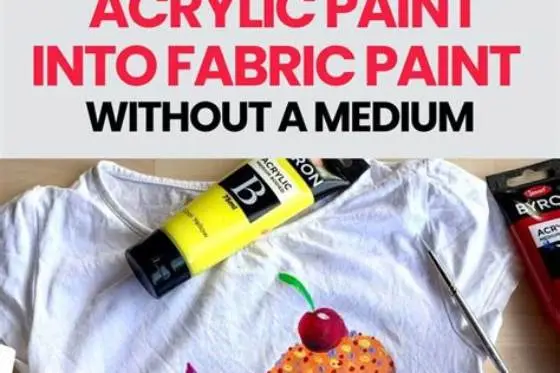
Plain acrylic paint does not bond well to fabric fibers on its own. It can wash out, crack, or peel especially when the fabric flexes or stretches during wear and laundering.
Wash tests show most plain acrylic paint cracks within two or three cold water washes without heat-setting. Washing at higher temperatures or drying with heat worsens cracking and peeling.
You can improve longevity slightly by heat-setting, but plain acrylic lacks the elasticity to move with fabric. Its rigidity causes the painted surface to break down over time.
Stretching the fabric after painting speeds up cracking. For example, painting a t-shirt sleeve then pulling it tight will crack the paint within a few wears. Check flexibility by bending the painted area sharply. If the paint flakes, it's not bonding well. Before you commit to anything, it is worth looking at how long and hot to heat-set.
Some fabrics hold acrylic paint better. Tight weaves like canvas or denim resist washout more than loose knits. Testing on a scrap piece helps. Paint a swatch, heat-set it, then wash a few times to see if it holds.
How acrylic+medium compares to true fabric paint for durability and hand-feel
Mixing acrylic paint with a fabric medium softens the paint film and improves adhesion to fabric fibers. This blend typically reduces stiffness and cracking compared to plain acrylic.
Fabric medium formulas add flexibility by slowing drying time and increasing paint elasticity. This helps the paint move with the fabric during washing and wear, reducing peel risk. People in this spot often ask about fabrics that wont peel after pressing as well.
True fabric paints are designed with binders that penetrate fibers for strong, flexible adhesion. They usually feel softer and stay vibrant longer through more wash cycles.
Comparing the three, acrylic plus medium offers a middle ground: improved durability, softer hand-feel, but usually not as flexible or durable as genuine fabric paint.
Fabric mediums vary; some add more softness, others improve color vibrancy. For instance, a medium that claims 'extreme flexibility' will keep paint softer but might slightly reduce opacity. Before you commit to anything, it is worth looking at can you use paint pens on fabric.
When you mix acrylic with fabric medium, use the manufacturer’s recommended ratio, often 2 parts paint to 1 part medium. Too much medium weakens color and adhesion, too little means more stiffness.
Acrylic plus medium still feels thicker than fabric paint. This matters for larger painted areas where stiffness is uncomfortable, such as sleeves or collars. Fabric paint remains softer and bends naturally with fabric.
| Property | Plain Acrylic | Acrylic + Fabric Medium | True Fabric Paint |
|---|---|---|---|
| Wash Durability | Poor | Moderate to Good | Good to Excellent |
| Crack/Peel Risk | High | Medium | Low |
| Flexibility | Low | Medium | High |
| Hand-Feel Stiffness | High | Medium | Low |
| Ease of Use | Easy | Requires mixing | Ready to use |
- Improves acrylic flexibility
- Reduces cracking and peeling
- Less stiff than plain acrylic
- Still less durable than fabric paint
- Requires accurate mixing ratio
- May alter paint color slightly

7 Artists Fabric Medium for Acrylic Paint 8.45 fl oz
Improves acrylic paint flexibility and wash durability on fabric with a 1:1 mixing ratio.
Difference between acrylic and fabric paint that matters on fabric
The critical difference lies in the binder used. Acrylic paint’s binder dries hard and inflexible, unsuitable for fabric stretch and bend. There is more on markers that stay opaque on black in a separate guide.
Fabric paints use binders that penetrate and bond with fabric fibers, creating a flexible, washable finish. This flexibility is key to avoiding cracking and peeling.
Pigment concentration in fabric paint is optimized for fabric, minimizing stiffness and improving color retention through washes.
Acrylic paint often lacks these qualities, so even with heat-setting, the bond is weaker and more prone to damage on fabric.
Another factor is how acrylic and fabric paints handle washing chemicals. Fabric paints resist detergents and bleaches better, so colors stay truer. Acrylic paint's binder can degrade faster, causing fading and flaking. This is especially true in hot or heavily soiled washes.
Acrylic paints also differ in pigment particle size and dispersion. Fabric paints use finer pigments that embed between fibers, improving softness and color brilliance. Acrylic pigments may sit more on the surface, increasing stiffness and reducing durability.
Test the paint on the exact fabric type to spot differences. For example, cotton blends often tolerate acrylic better than polyester. Still, fabric paints usually outperform acrylics on synthetic fabrics due to their specialized binders.
This guide compares acrylic paint, acrylic with medium, and fabric paint on fabric for cracking, peeling, stiffness, and wash survival.
How to heat-set acrylic on fabric so it survives washing and when it still fails
Heat-setting fixes acrylic paint onto fabric by melting or curing the binder. This usually requires ironing on the reverse side or placing fabric in a 300-350°F (150-175°C) oven for 3-5 minutes.
Use a clean cloth between the iron and fabric to prevent scorching. Avoid steam as moisture can weaken the bond.
Heat-setting improves wash resistance but does not fully prevent cracking if the paint remains inflexible or fabric stretches after painting.
Even well heat-set acrylic paint can fail with repeated wear, harsh detergents, or excessive stretching. Test a small swatch first.
- Let painted fabric dry at least 24 hours after painting.
- Place fabric on a flat, heat-safe surface.
- Set iron to medium-high (cotton setting) with no steam.
- Cover painted side with thin cloth or parchment paper.
- Iron each section for 3-4 minutes, moving steadily.
- Alternatively, place fabric in an oven at 325°F (160°C) for 4-5 minutes.
- Allow fabric to cool completely before washing.
Is acrylic paint good for fabric?
If you want paint that stays vivid and flexible on fabric, plain acrylic paint alone is a poor choice. It cracks and peels after washing unless heat-set and combined with fabric medium.
Adding fabric medium to acrylic paint improves durability and hand-feel, making it more suitable for fabric projects. However, it still falls short of dedicated fabric paints in long-term wear.
True fabric paints are formulated specifically for textile use, offering the best wash resistance and flexibility. They are the safest choice if durability and softness matter most.
You can use acrylic paint on fabric if you accept the trade-off of potential stiffness and cracking or plan for light use and careful washing.
Acrylic paint's pigment density can cause the fabric to stiffen where it’s applied thickly. Thin layers reduce stiffness but may require multiple coats for color coverage.
If you plan to paint items like tote bags or canvas shoes, acrylic with fabric medium is often good enough because these items endure less flexing than clothing.
For fabrics washed frequently, like t-shirts, acrylic-based paints even with medium risk dulling or cracking after many washes. True fabric paints retain color and flexibility longer under these conditions.
Consider the type of fabric and intended use. For decorative items or wall hangings rarely washed, acrylic paint with medium works fine. For activewear or items washed weekly, dedicated fabric paint is better.
Layer thickness matters. Thick acrylic layers crack more easily. Use thin coats with fabric medium to maintain some flexibility. Let each layer dry fully before applying the next to prevent cracking.
Expect some color change with acrylic on fabric after washing. Colors often dull or shift slightly, even with proper heat-setting. Fabric paints maintain more consistent color vibrancy after multiple washes.
Acrylic paint alone is not ideal for fabric; mixing with fabric medium or using fabric paint is necessary for durability.
Still wondering?
Can you use plain acrylic paint on clothing?
You can, but expect it to crack and peel after washing unless heat-set. Plain acrylic is stiff and doesn't bond well with fabric fibers, so it suits decorative items washed rarely.
How do I make acrylic paint softer on fabric?
Mix the acrylic paint with a fabric medium at the recommended ratio before painting. This adds flexibility and reduces stiffness and cracking on fabric.
Does heat-setting acrylic paint make it permanent on fabric?
Heat-setting improves wash resistance by curing the binder but does not guarantee permanence. The paint can still crack if the fabric stretches or is washed harshly.
Is fabric paint better than acrylic for fabric art?
Yes, fabric paint is designed to bond with fibers and remain flexible. It generally lasts longer and feels softer on fabric compared to acrylic paint.
What is the best way to wash fabric painted with acrylic?
Wash painted fabric inside out in cold water on a gentle cycle. Air dry or tumble dry low to reduce cracking and peeling.