Will all-purpose thread hold a bag, or do you need heavier
You're asking what is the best thread for bag making. All-purpose polyester holds lightweight totes under light loads. It snaps on heavy canvas, vinyl, or leather. You need heavier 30-69 Tex polyester or bonded nylon for those bags. Check the TDS breaking strength for your exact thread; strength varies by finish and test method.
On this page (8 sections)
- The short version
- When all-purpose polyester holds a bag seam and when it snaps
- Polyester vs bonded nylon for bags and what each does better
- Tex vs weight numbers and which weight suits canvas, vinyl, leather
- Needle size that pairs with each thread weight on a home machine
- Troubles with too heavy thread: tension, skipped stitches, needle burrs and fixes
- Seam construction and machine limits for heavy threads
- Still wondering?
Part of our guide on best sewing table
Key figures
- Recommended thread weight
- 30-69 Tex
- Needle sizes for heavy thread
- 90/14 to 100/16
- Thread types for bags
- Polyester, bonded nylon
- Common thread weight units
- Tex (g/km)
- Machine limits
- Home machines often feed up to about 50 Tex; heavier may need industrial or walking-foot machines
The short version
- Use heavier thread for canvas, vinyl, or leather bags to handle seam stress.
- Thread Tex measures grams per 1000 meters and indicates thickness; always check Tex on the spool.
- Needle size 90/14 or 100/16 suits heavier threads on home machines.
- Too-heavy thread can cause tension issues and skipped stitches if machine limits are exceeded.
- Bonded nylon thread offers better abrasion resistance than polyester for heavy-use bags.
When all-purpose polyester holds a bag seam and when it snaps
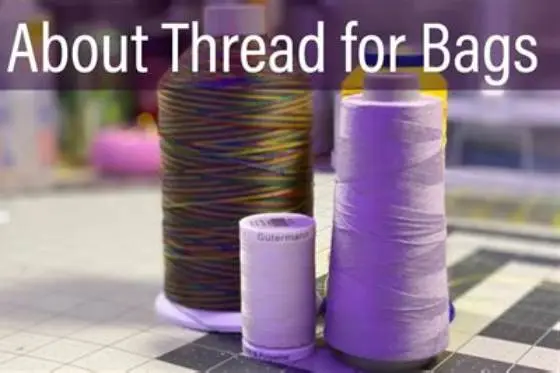
All-purpose polyester thread usually suits lightweight to medium fabrics with lower seam stress. Seam strength varies with fabric, seam type, and stitches per inch, so test on scrap.
If your bag fabric is light cotton or polyester and you keep loads moderate, all-purpose thread can work well. Heavy loads or thick fabrics need stronger thread.
Measure seam strength by sewing a sample seam and pulling it with a luggage scale. If the seam breaks below your expected load, upgrade thread weight or seam construction.
Light cotton totes under 10 pounds often hold fine with all-purpose polyester at 8 stitches per inch on a straight seam. Canvas or lined totes over 15 pounds pull harder on each stitch and snap that same thread where the handles meet the body. Try this check: sew a 4-inch test seam at your planned stitch length, hook a luggage scale to the handle, and pull slowly. If it pops under 20 pounds and you plan to carry books or groceries, move to 40 Tex and retest. It helps to understand compact sewing iron before going further.
Polyester vs bonded nylon for bags and what each does better
Polyester thread resists UV well and has low stretch, making it stable for many bag seams. It handles moderate abrasion but can fray on rough materials.
Bonded nylon has a polymer coating that improves abrasion resistance and reduces fraying. It suits heavy use, rough fabrics, and outdoor conditions.
Choose bonded nylon for leather or heavy vinyl bags that face high abrasion. Polyester is better for indoor or light-use bags and has easier machine handling. The other half of this decision is best machine for heavy materials.
Both are synthetic, but bonded nylon is stronger and smoother, which may reduce skipped stitches if your machine feeds it well. Polyester runs cooler and is less demanding on home machines.
For a practical test, rub a stitched scrap seam with denim to compare fuzzing and wear. Heavier threads often need longer stitch length (around 3.0 mm or more) to reduce heat and feed issues; test on layered scrap.
Sewing bonded nylon fast on vinyl may create heat spots or skipped stitches if stitch length is too short. Adjust stitch length and speed accordingly. If that sounds like your situation, read up on best needle for sewing felt next.
| Feature | Polyester | Bonded Nylon |
|---|---|---|
| Abrasion resistance | Moderate | High |
| UV resistance | Good | Moderate |
| Stretch | Low | Moderate |
| Suitability for heavy fabrics | Medium | High |
| Machine friendliness | Better for home machines | May require stronger needle and careful feeding |
Tex vs weight numbers and which weight suits canvas, vinyl, leather
Tex measures thread thickness by grams per 1000 meters; higher Tex means thicker and stronger thread. Weight numbers vary by brand and run inversely, so always check Tex printed on the spool.
Canvas bags typically use thread around 40-50 Tex, suitable for their fabric thickness and expected seam load. Vinyl and leather bags require 50-69 Tex for durability and seam strength.
Avoid too thin thread on thick fabric to prevent breakage. Too thick a thread might cause tension problems or skipped stitches if your machine cannot feed it properly. The other half of this decision is will your fabric hold the transfer.
Seam strength depends on fabric, seam construction, and stitches per inch. For example, double-stitched seams with 8 stitches per inch share loads better than single seams, but test your specific setup.
Some manufacturers provide breaking strength data per thread type. For instance, a 40 Tex polyester thread may have a single strand breaking strength around 6-7 pounds according to Coats data. Actual seam strength is lower due to stitching and fabric factors, so test your sewn seams.
Needle size that pairs with each thread weight on a home machine
Home machines usually handle needle sizes from 70/10 to 120/19, but bag fabrics and thread thickness narrow the options.
All-purpose thread (around 30-40 Tex) works with needle sizes 80/12 to 90/14 on lighter fabrics.
Heavier threads for bags (40-69 Tex) need needles sized 90/14 to 100/16 to avoid needle damage and skipped stitches.
Leather or vinyl often need 100/16 or leather needles with cutting points to pierce tough materials cleanly.
Using too small a needle with thick thread causes burrs, skipped stitches, and tension problems. Match needle size and point type to thread Tex and fabric thickness.
Test needle choice by sewing on scrap and examining stitches. A needle that pierces cleanly without cutting fibers or leaving large holes is ideal.
90/14 for 30 to 40 Tex feeds smooth on quilting cotton and light canvas without punching oversize holes. 100/16 for 46 to 69 Tex opens a channel big enough for the thicker thread to pass through vinyl or layered canvas. Run a quick check: sew 6 inches on four layers of your bag fabric, then look at the underside. Loops, shreds, or a popping sound mean the eye is too small, so step up one needle size and retest.
| Thread Tex | Recommended Needle Size (EU/US) | Fabric Type |
|---|---|---|
| 30-40 | 80/12 to 90/14 | Light to medium canvas |
| 40-50 | 90/14 | Heavy canvas |
| 50-69 | 90/14 to 100/16 | Vinyl, leather, heavy canvas |
Troubles with too heavy thread: tension, skipped stitches, needle burrs and fixes
Thread too thick for your needle or machine causes uneven tension. The top thread may bunch or the bobbin thread pulls tight, causing tangles under the fabric.
Skipped stitches increase as the heavy thread struggles through the needle eye and thick fabric layers. Needle tips can develop burrs from friction, worsening stitch quality.
Fix these issues by using a larger needle matched to your thread and fabric. Gradually reduce upper thread tension and test on scrap until stitches lie flat and knots form inside layers.
If problems continue, try thread lubricant or a walking foot to help feed thick materials and thread smoothly through your machine.
Home machines usually feed up to about 50 Tex well. If tension or feed problems persist above that, consider a heavy-duty or walking-foot machine for thicker threads.
Check your needle after sewing heavy thread. Run your fingertip down the tip; a burr feels like a tiny hook and causes skipped stitches and shredded threads. Replace needles regularly when sewing thick thread.
Seam construction and machine limits for heavy threads
Seam strength depends on more than thread. Use double-stitched seams with consistent stitches per inch (6-10 SPI) and adequate seam allowance for durable bags.
Using the same Tex thread in the bobbin as the top thread usually improves seam strength and reduces tension issues.
Home machines can usually handle thread up to about 50 Tex. Above that, machines may struggle with feeding and tension, causing skipped stitches or thread breaks.
For thick threads (over 50 Tex) and heavy fabrics like leather, industrial or walking-foot machines are recommended. They provide consistent feed and stronger needles.
Test your machine's capability on scrap with your chosen thread and fabric before starting your bag project to avoid surprises.
Two rows at 8 stitches per inch share load better than one row at 5, especially where straps pull straight up on the seam. Keep rows about 1/8 inch apart with at least 1/2 inch seam allowance so stitches don't tear out near the edge. For a quick math check, a 6-inch strap seam at 8 SPI gives 48 stitches per row. Two rows give you 96 points sharing the pull instead of 48.
Home machines handle 30 to 50 Tex on two to four layers of canvas without constant tension tweaks. Over 50 Tex or six layers often drags, so the feed stalls and stitches shorten or skip near thick seams. You'll hear a thud as the needle hits the stack and see uneven stitch length on top. Test it by sewing slowly over your thickest stack, if stitches skip or fray, drop one Tex size or use a walking foot.
Heavier thread matched to fabric and needle size works best for durable bag seams. Testing on your machine and fabric avoids surprises.
Still wondering?
Can I use all-purpose thread for a leather bag?
Leather bags usually need heavy bonded nylon thread (50-69 Tex) and a 100/16 or leather needle. All-purpose thread is too thin and may break under stress.
What happens if I use too heavy a thread on a home sewing machine?
Too heavy thread can cause tension problems, skipped stitches, and needle damage. Fix by using a larger needle, adjusting tension, or choosing a lighter thread.
Is polyester or nylon thread better for outdoor bags?
Polyester resists UV better, making it good for outdoor bags. Bonded nylon offers superior abrasion resistance for heavy or rough use.
How do I test if my thread and needle choice will hold my bag seams?
Sew a sample seam on your fabric, then pull it with a luggage scale until the thread breaks or fabric tears. Test up to your expected load.
What needle type is best for vinyl bags?
Use a 90/14 or 100/16 sharp needle or a leather needle with a cutting tip to pierce vinyl cleanly without snagging.