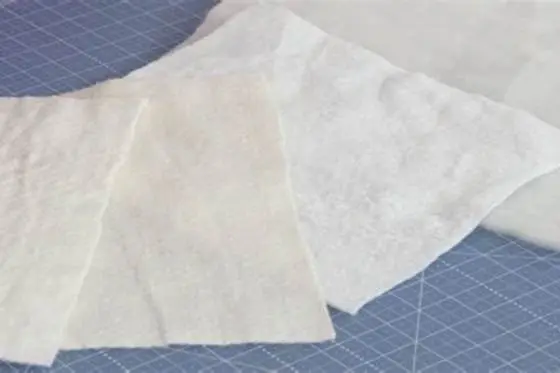
Which weight cotton thread for hand quilting won't knot or snap
Pick a 40 wt cotton hand-quilting thread for most mid-weight cotton sandwiches. You get clear stitch definition without heavy drag and good strength through batting. Check the thread maker’s chart for the matching Betweens needle and test on a scrap sandwich first.
On this page (9 sections)
- Fit check
- The short version
- Weight: what 28 wt vs 40 wt vs 50 wt means for visibility and hand feel
- Finish: cotton vs glazed cotton vs polyester for lint, knots and breakage
- Thread type: why all-purpose thread tangles and snaps in hand quilting
- Strands: when single vs double changes bulk, definition and knot risk
- Thickness: when heavy thread helps definition and when it drags
- Setup: how to match thread, needle and stitch length on your sandwich
- Still wondering?
Part of our guide on choosing features for quilting at home

Gutermann Hand Quilting Thread
Keeps your hand stitches from knotting and snapping with 40 wt waxed cotton that glides through cotton
Check it on Amazon
Gutermann Quilting Thread 220yd
Helps prevent tangling and snapping on your cotton quilt with wax-finish 100% cotton for hand quilting.
See this alternative
Gutermann Hand Quilting Waxed Sewing Thread 200m White 5709
Gives you tangle-resistant hand quilting with waxed 100% cotton that slides through cotton layers.
See the budget option| Product | thread weight in cotton (wt) | Verdict | |
|---|---|---|---|
| Gutermann Hand Quilting Thread Bella's Crafts | 40 wt (Thickness No. 65, 40 Weight) listed vs 40 wt needed - meets | Meets it | View on Amazon |
| Gutermann Quilting Thread 220yd Gütermann | 100% wax finish cotton For Hand Quilting listed vs cotton/glazed cotton limit - meets fallback | Meets it | View on Amazon |
| Gutermann Hand Quilting Waxed Sewing Thread 200m White 5709 Gütermann | 100% cotton waxed hand quilting listed vs cotton/glazed cotton limit - meets fallback | Meets it | View on Amazon |
Key figures
- Common thread weight
- 40 wt
- Needle for 40 wt (hand)
- Betweens 8 or 9 per maker chart; test on scrap
- Typical stitch length
- Varies by sandwich; many quilters try ~8 to 12 spi on mid-weight cotton + cotton batting — test first
- Single vs double strand
- Single for most quilting; double for bolder look with more bulk
- Glazed cotton effect
- Smoother glide; handle with light tension to avoid knots
The short version
- 40 wt cotton hits the sweet spot for visibility, strength and hand feel on mid-weight cotton sandwiches.
- Glazed cotton glides easier; plain cotton sheds more lint but feels less slippery as you stitch.
- Use one strand for most hand quilting; save two strands for bold, decorative lines where you accept extra bulk.
- Match a Betweens needle to the thread weight per the maker’s chart, then confirm the feel on scrap.
- Keep thread 18 to 24 inches, wax lightly only if the maker suggests it, and set stitch length on a scrap first.
Weight: what 28 wt vs 40 wt vs 50 wt means for visibility and hand feel
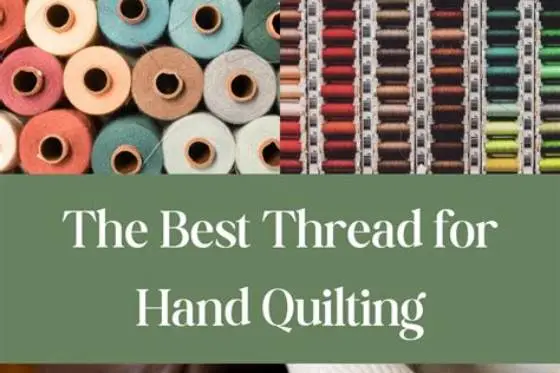
Thread weight tells you how thick the thread is. Lower numbers like 28 wt look thicker than 40 wt, and 50 wt looks finer still. That thickness changes how visible your stitches are and how the thread pulls through batting.
For 40 wt hand-quilting cotton, most makers suggest a Betweens size 8 or 9. Check the specific thread maker’s recommendation before you buy. Results vary with fabric, batting and your hand tension, so confirm on scrap.
Heavier 28 wt and perle cottons look bolder on plain fabrics. Finer 50 wt looks more subtle but can break more easily on dense sandwiches if tension runs tight. If you use 50 wt, try a finer Betweens size 9 to 10 per the brand chart and stitch with a light hand.
Finish: cotton vs glazed cotton vs polyester for lint, knots and breakage
Plain cotton hand-quilting thread has a soft, matte surface. It leaves a bit more lint around the needle and in the quilt layers. You get a steady grip as you pull each stitch, which many beginners like. The other half of this decision is best hand quilting needles.
Glazed cotton has a light coating that lets the needle glide with less drag on cotton batting. That coating helps your hand move smoothly. Pull hard or twist the thread and it can slip and knot faster, so keep tension light and avoid overhandling.
Polyester hand thread feels stronger and stretchier than cotton. It can build static on dry cotton quilts. That slick feel sometimes makes tension uneven, so stitches look less consistent on traditional cotton sandwiches.
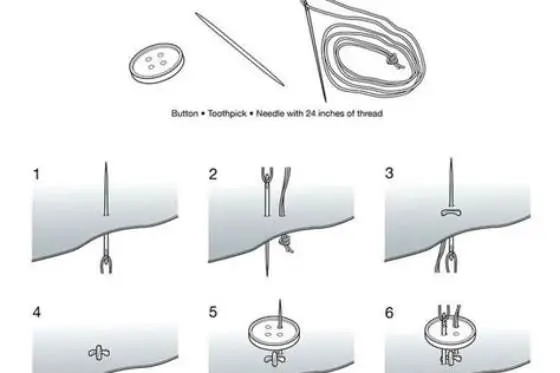
For a classic cotton quilt, quilters often pick plain or glazed cotton hand-quilting thread. Both sit well in cotton fabric and age well with washing. Choose based on how much glide you want and how you manage lint. We go through how to sew a button by hand step by step elsewhere on the site.
- Plain cotton: matte, a bit more lint, steady grip
- Glazed cotton: light coating, easier glide
- Polyester: stretchier, can feel slick and build static
Gutermann Hand Quilting Thread
Keeps your hand stitches from knotting and snapping with 40 wt waxed cotton that glides through cotton sandwiches.
- Weight 0.56 oz
- Size Standard
- Height 1.0 inches
Thread type: why all-purpose thread tangles and snaps in hand quilting
All-purpose thread is made for machine sewing. It is often finer and very smooth, sometimes a polyester blend. That smoothness makes it slip under hand tension and tangle as you rock the needle.
Hand quilting thread is spun for slow, repeated pulls through several layers. It has a slightly firmer twist and a finish that grips just enough. You feel more control with each stitch, and you break fewer lengths.
When you use all-purpose thread for hand quilting, you often get snags and mid-seam breaks. It lacks the tensile balance and coating that hand-quilting cottons provide for dense sandwiches. You also waste time rethreading. It helps to understand best quilting thread before going further.
Choose thread labeled for hand quilting. Look for 40 wt cotton or glazed cotton from a quilting brand. You will knot less and keep an even rhythm.
Gutermann Quilting Thread 220yd
Helps prevent tangling and snapping on your cotton quilt with wax-finish 100% cotton for hand quilting.
- Size 200 meters
- Height 1.09 inches
- Length 1.09 inches
This guide shows how thread weight, finish and strand count affect knots and snaps, with maker-chart needle matches and scrap tests.
Strands: when single vs double changes bulk, definition and knot risk
One strand gives you fine, low-bulk stitches. Your needle moves easily through the sandwich. You keep puckering low on light cottons.
Two strands look bolder and fill the stitch line. You add bulk in the layers and you handle more thread surface. That extra surface can catch and knot if your length runs long or your twist builds. We go through choosing insulation fabric for projects step by step elsewhere on the site.
Use one strand for most utility quilting and for dense piecing. Save two strands for big, decorative motifs where you want the line to pop. If you double, keep the length short and wax only if the maker says to.
You can tune definition without doubling. Try a slightly heavier 28 wt single strand for bold lines. You get visibility with less knot risk than two fine strands twisted together.
Gutermann Hand Quilting Waxed Sewing Thread 200m White 5709
Gives you tangle-resistant hand quilting with waxed 100% cotton that slides through cotton layers.
- Size 200m
- Weight 0.71 oz
Thickness: when heavy thread helps definition and when it drags
Heavy threads like 28 wt or cotton perle add visual weight. They pop on plain or large-scale prints. You see each stitch from across the room.
Heavier thread typically needs a larger hand needle, such as a Betweens 7, per the manufacturer’s chart. A small eye pinches the thread and shreds the coating. Check the chart for your exact brand and test the pull.
Thick thread also drags more through the sandwich. Your hand tires faster and the fabric can pucker if stitches sit close together. Try longer stitches with fewer per inch on scrap and see what your batting allows.
Skip heavy thread on very dense or delicate sandwiches. The bulk distorts seams and fights the needle. Use 40 wt there and let even spacing create the texture.
- Heavy thread pops on large, plain areas
- Needs larger Betweens per maker chart
- Longer stitches cut drag on thick batting
- Avoid on very dense or delicate sandwiches
Setup: how to match thread, needle and stitch length on your sandwich
Start with a 40 wt cotton hand-quilting thread for a mid-weight cotton top and cotton batting. Brands like YLI Hand Quilting, Gutermann Hand Quilting, and Aurifil 40 wt Cotton list Betweens sizes on their charts. Pick the size they list, often an 8 or 9, and buy a small pack to test.
Pair the thread with a Betweens or quilting needle in sizes 7 to 10. Betweens are short with a small eye for control. Use a thimble on your pushing finger and keep the needle perpendicular as you rock it.
Stitch length depends on your sandwich. With 40 wt on a mid-weight cotton plus cotton batting, many quilters aim for about 8 to 12 stitches per inch, per several maker guides, but adjust for batting loft and look. If you switch to 28 wt or perle, try fewer stitches per inch on scrap to cut drag.
Buy with care in mind. Plain cotton can shrink slightly and may bleed if not colorfast, so prewash darks and check the label. Glazed cotton often has a firmer hand and may soften after washing. For lint, pull a fresh 18 to 24 inch length, thread in the direction it comes off the spool, avoid twisting, and keep tension light.
- Pick 40 wt cotton hand-quilting thread from a quilting brand and note its chart.
- Match a Betweens size per that chart, often 8 or 9 for 40 wt.
- Cut 18 to 24 inches, thread as it comes off the spool, and condition only if the maker suggests it.
- Set stitch length on a scrap sandwich that mirrors your quilt and adjust.
- Quilt with light, even tension and replace the length before it frays.
Still wondering?
Can I use polyester thread for hand quilting cotton quilts?
You can, but polyester can feel slick and build static on cotton. For traditional cotton sandwiches, plain or glazed cotton hand-quilting thread usually gives more even tension and a classic look.
What causes thread knots when hand quilting?
Long lengths, tight tension, twisting as you stitch, and overhandling a coated thread all raise knot risk. Keep lengths 18 to 24 inches, pull with light tension, and don’t twist the needle.
Should I always use a double strand for stronger hand quilting stitches?
No. One strand is strong enough for most quilting when you use a hand-quilting cotton. Use two strands only when you want a very bold line and can accept extra bulk.
How do I know if my needle size matches my thread weight?
Check the thread maker’s chart. For example, many brands list Betweens 8 or 9 for 40 wt cotton and Betweens 7 for heavier 28 wt. If the thread shreds or drags, try the next size the chart lists and test on scrap.
Is glazed cotton better than regular cotton for hand quilting?
Glazed cotton glides with less drag, which helps on cotton batting. Plain cotton feels less slippery and sheds a bit more lint. Pick the feel you like and handle glazed thread with a lighter touch.