Which thread weight for machine quilting won't break or nest
A 50 wt cotton or cotton-wrapped polyester thread is best for domestic machine quilting. It balances strength and reduces lint, clearing tension and needle limits to avoid breakage and nests across common setups.
On this page (9 sections)
- Fit check
- The short version
- Which thread weight for machine quilting won't break or nest
- Difference between quilting thread and regular sewing thread
- Cotton vs polyester vs cotton-wrapped polyester for lint and strength
- What thread weight numbers mean for quilting
- Which weight and fiber for hand quilting, domestic machine, and longarm quilting
- How to match needle size and tension to thread weight to stop breakage and nests
- Still wondering?
Part of our guide on choosing features for quilting at home

Christa Quilts Piece and Quilt Neutrals Aurifil Thread Kit 12
Keeps your domestic machine tension smooth and lint low with 50 wt cotton across 12 neutral large spools for
Check it on Amazon
Connecting Threads White 100% Cotton Thread Spool
Handles your quilting tension and 80/12 needle cleanly with 50 wt low-lint cotton in a 1,200-yard white spool
See this alternative
Connecting Threads Cream 100% Cotton Thread Spool
Matches your machine's ideal tension with the same 50 wt low-lint cotton in a 1,200-yard cream spool for
See the heavy-duty one| Product | thread weight in wt | Verdict | |
|---|---|---|---|
| Christa Quilts Piece and Quilt Neutrals Aurifil Thread Kit 12 Large Aurifil | 50 wt (50 Weight) vs 50 wt required | Meets it | View on Amazon |
| Connecting Threads White 100% Cotton Thread Spool Connecting Threads | 50 wt (50-weight) vs 50 wt required | Meets it | View on Amazon |
| Connecting Threads Cream 100% Cotton Thread Spool Connecting Threads | 50 wt (50-weight) vs 50 wt required | Meets it | View on Amazon |
| Threadsmith - 50 WT Cotton Thread Set – 27 Spools, 100 Meters Each – Craft Bunch | 50 wt (50 WT) vs 50 wt required | Meets it | View on Amazon |
Key figures
- Common thread weight
- 40-60 wt
- Domestic machine ideal
- 50 wt
- Needle size range
- 80/12 to 90/14
- Fiber types
- Cotton, polyester, cotton-poly
- Lint risk
- Higher in cotton
- Breakage risk
- Higher with mismatch
The short version
- Thread weight numbers indicate thickness; lower = thicker.
- Cotton-wrapped polyester offers strength with less lint than pure cotton.
- Match needle size to thread weight to avoid breakage.
- Use 50 wt thread for most domestic machine quilting setups.
- Hand quilting needs thicker threads; longarm quilting favors thinner threads.
Which thread weight for machine quilting won't break or nest
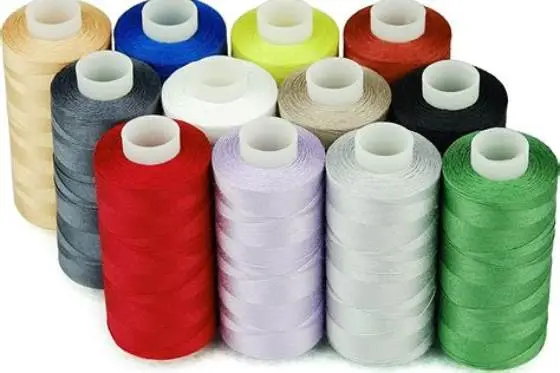
Machine quilting needs thread that passes smoothly through your needle and tension system. A 50 wt thread, meaning 50 weight, is thin enough to reduce bulk yet strong enough for most domestic machines. This weight balances tension demands and minimizes lint buildup which causes nests under the fabric. Thicker threads like 40 wt can cause tension stress and thread breakage, while thinner 60 wt threads risk breakage if your needle or tension isn't adjusted.
Thread weight depends on fiber type and quilting method. Cotton threads have more surface fibers creating lint. Cotton-wrapped polyester threads maintain a smooth surface with polyester strength inside, reducing lint. Using a 50 wt cotton-wrapped poly greatly cuts down on nests without sacrificing strength. This setup suits domestic quilting machines that run at typical speeds and tension ranges.
Longarm quilting often uses 60 wt threads to keep stitches fine and speed high but demands careful needle and tension tuning. Hand quilting uses thicker 30-40 wt threads for visible stitches and stronger pull. Matching your needle size and tension to thread weight is key: use a size 80/12 or 90/14 needle with 50 wt thread. This prevents tension pulling that leads to breakage and ensures the thread doesn’t nest under the fabric layers.
Difference between quilting thread and regular sewing thread
Quilting thread is specially designed for quilting’s unique demands. It is usually stronger and smoother than regular sewing thread. The finish is often polished or mercerized to reduce lint and enhance durability. Regular sewing thread, used for clothing or general sewing, often lacks this finish and may shed more lint or break under quilting tension.
The fiber content differs too. Quilting thread often uses premium cotton or cotton-wrapped polyester, optimized for strength and minimal lint. Regular threads may be cheaper polyester or cotton blends not suited for the repeated tension and speed of quilting machines. This difference helps prevent skipped stitches, nests, and breakage during quilting.
Quilting thread weights typically range from 40 wt to 60 wt, thinner than many regular sewing threads, which are usually 30-50 wt but not optimized for quilting stresses. Using regular thread can cause tension and lint problems, particularly under smaller, tighter stitches in quilting.
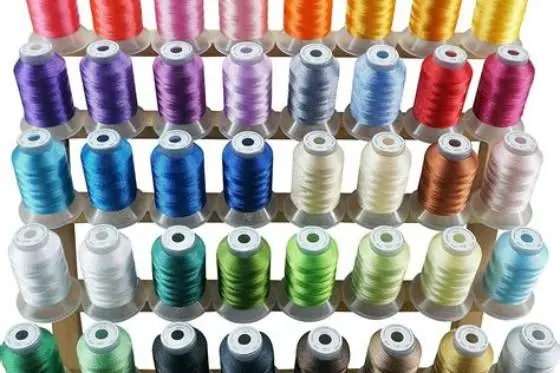
Christa Quilts Piece and Quilt Neutrals Aurifil Thread Kit 12 Large Spools 50
Keeps your domestic machine tension smooth and lint low with 50 wt cotton across 12 neutral large spools for piecing and quilting.
- Size Large
- Length 9.8 inches
- Weight 1.0 Pounds
Cotton vs polyester vs cotton-wrapped polyester for lint and strength
Pure cotton thread offers good needle glide and traditional quilting aesthetics but produces more lint. Lint accumulates in your machine, causing nests and frequent cleaning. Cotton is also less strong and more prone to breakage at higher speeds or tighter tension. For the detail, see our notes on thread for machine quilting.
Polyester thread is stronger and creates less lint, handling high-speed quilting better. It may lack the natural matte finish of cotton, sometimes appearing shiny against natural fabrics. This fiber is ideal when strength and low lint are priorities, such as with heavy quilting or synthetic fabrics.
Cotton-wrapped polyester combines the best traits: a polyester core for strength and lower lint, wrapped in cotton for a matte finish matching traditional quilting looks. This thread type often clears machine tension and needle limits better than pure cotton, cutting down nests and breaks.
| Fiber | Strength | Lint production | Appearance |
|---|---|---|---|
| Cotton | Medium | High | Matte, traditional |
| Polyester | High | Low | Glossy, synthetic look |
| Cotton-wrapped polyester | High | Low | Matte, traditional |
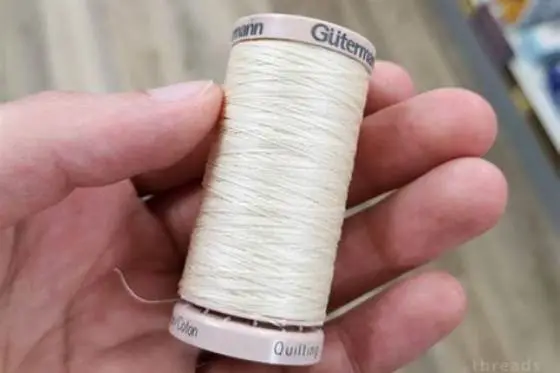
Connecting Threads White 100% Cotton Thread Spool
Handles your quilting tension and 80/12 needle cleanly with 50 wt low-lint cotton in a 1,200-yard white spool for continuous piecing.
- Weight 0.81 oz
- Size 50-weight
This page maps quilting thread weight and fiber to your machine setup, preventing tension, breakage, and thread nests that other guides miss.
What thread weight numbers mean for quilting
Thread weight numbers like 40 wt, 50 wt, and 60 wt indicate the thickness of the thread. The higher the number, the thinner the thread. For example, 40 wt is thicker than 50 wt, which is thicker than 60 wt. Thicker threads make heavier, more visible stitches and can cause tension issues if the machine isn’t set up for them. There is more on how to add warmth to quilts in a separate guide.
Thinner threads (higher wt numbers) create finer stitches and less bulk, which is smoother for machine quilting and longarm quilting. However, very thin threads require careful needle size matching and tension adjustment to avoid breakage.
Choosing the right thread weight means balancing stitch visibility, machine compatibility, and durability. Domestic machine quilters usually find 50 wt to be the sweet spot. It’s thin enough to reduce tension stress and lint but strong enough for everyday machine speed without causing thread nests.
Connecting Threads Cream 100% Cotton Thread Spool
Matches your machine's ideal tension with the same 50 wt low-lint cotton in a 1,200-yard cream spool for light fabrics.
- Weight 1.4 oz
- Size 50-weight
Which weight and fiber for hand quilting, domestic machine, and longarm quilting
Hand quilting uses thick strong threads, typically 30-40 wt, to create visible, tactile stitches. Cotton or cotton-wrapped polyester is common, with a coarser texture that works well with hand needles. The thread must withstand the hand’s pull without breaking.
Domestic machine quilting benefits most from 50 wt cotton or cotton-wrapped polyester. This weight offers a balance between strength and smooth stitching. The fiber choice helps reduce lint and breakage caused by tension and needle size mismatches common with home machines.
Longarm quilting machines often use 60 wt threads because they run faster and need finer stitches that don't add bulk. These threads are usually cotton or cotton-wrapped polyester but require precise tension and needle size adjustments to avoid breakage and nests.
| Quilting Method | Thread Weight | Recommended Fiber |
|---|---|---|
| Hand quilting | 30-40 wt | Cotton or cotton-wrapped polyester |
| Domestic machine quilting | 50 wt | Cotton or cotton-wrapped polyester |
| Longarm quilting | 60 wt | Cotton or cotton-wrapped polyester |

Threadsmith - 50 WT Cotton Thread Set – 27 Spools, 100 Meters Each – 3-Ply
Covers your color needs without clogging tension with 50 wt mercerized cotton in 27 assorted 100-meter spools.
- Weight 1 oz
How to match needle size and tension to thread weight to stop breakage and nests
The right needle size is crucial for thread longevity. For 50 wt thread, most machines run best with a sharp needle size 80/12 or 90/14. Needles too small nick and break the thread; too large leave loose stitches that nest underneath the fabric layers.
Adjust your machine's upper and bobbin tension when switching thread weights. Thicker threads need looser tension, thinner threads tighter. Start with the manufacturer’s tension guide and sew test samples. Look for balanced stitches with no looping or thread snapping.
Clean your machine regularly to remove lint from cotton threads. Lint buildup can cause tension fluctuations and thread nesting even with the correct tension and needle size. This maintenance is especially important with pure cotton threads or heavier quilting projects.
- Select needle size to match thread weight (80/12 or 90/14 for 50 wt).
- Set machine tension according to thread thickness and machine manual guidance.
- Sew test samples and adjust tension until stitches are balanced and smooth.
- Clean lint and rethread if breakage or nests continue.

SCHMETZ Universal Sewing Machine Needles
Pairs with your 50 wt thread using precise 90/14 universal needles that glide without breaking fine cotton.
Still wondering?
Can I use regular sewing thread for quilting?
Regular sewing thread can work but often creates lint buildup and breakage in quilting machines. Quilting thread is smoother and designed to handle quilting tensions and speeds better.
What happens if I use too thick a thread for my machine?
Too thick a thread stresses tension discs, can cause needle breakage, skipped stitches, or thread nests under the fabric layers.
Why does my thread keep breaking even with the right thread weight?
Thread breakage can result from incorrect needle size, improper tension, or lint buildup in your machine. Check these before changing thread.
Is cotton thread better for quilting than polyester?
Cotton thread offers a natural look but creates more lint and breaks easier under tension. Polyester and cotton-wrapped polyester offer strength and less lint.
How often should I clean lint when using cotton quilting thread?
Lint should be cleaned from your machine every 2-3 hours of sewing or whenever nests appear, especially with cotton threads.