What is batting in sewing and how to use it in your projects
Batting is a soft, fluffy layer placed between fabric layers in sewing, usually 100%-150% thicker than quilting fabric. It adds warmth, thickness, and shape to quilts and padded projects. It’s essential for insulation and texture, especially in quilting.
On this page (8 sections)
Part of our guide on best sewing machine for quilting
Key figures
- Batting thickness
- 0.1 to 0.4 inch
- Common materials
- cotton, polyester, wool
- Needle size
- 80/12 or 90/14
- Quilt layers
- 3 layers
- Batting width
- 42 to 120 inches
The short version
- Batting is the inner soft layer adding warmth and loft to quilts and sewn items.
- Common batting materials include cotton, polyester, wool, and blends.
- Different batting types affect flexibility, warmth, and sewing ease.
- Sew batting with fabric by layering carefully and using the right needle and stitch.
- Batting can be sewn together for larger projects or to combine characteristics.
Definition of batting in sewing
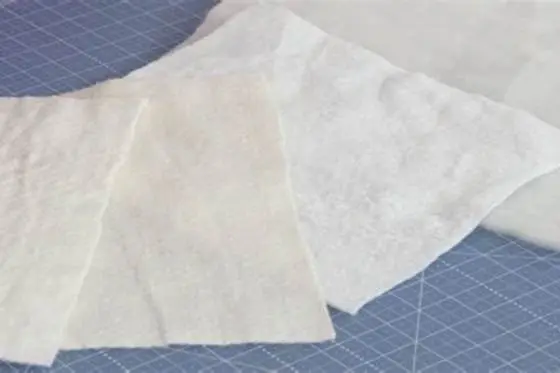
Batting is a soft, pliable layer placed between two fabric layers in sewing, mainly in quilts. It serves as an insulation and padding material, adding loft and warmth. Typically, batting is between 0.1 and 0.4 inches (3 to 10 mm) thick, depending on the project and material.
It’s different from fabric because it’s not woven for surface use, but designed to trap air and provide cushioning. You’ll find batting used in quilts, padded garments, bags, and upholstery to add softness and structure.
The thickness and density of batting directly impact the finished quilt’s warmth and drape. For example, a thinner cotton batting gives a flat, lighter finish, while wool batting keeps more heat and feels fluffier.
Common materials used for batting
Batting comes in several materials that each bring unique qualities to your sewing project. The most popular are cotton, polyester, wool, and blends. Cotton batting is breathable and soft, usually 100%-150% thicker than quilting fabric layers. It’s good for warm, lightweight quilts.
Polyester batting is lighter and more lofted, often with a slick surface that can be slippery beneath your fabric. It resists wrinkles and dries faster but can be less breathable than natural fibers. Wool batting gives excellent insulation and bounce but costs more and may require careful care.
Blended batting usually combines cotton and polyester to balance softness and durability. Foam or insulated batting exists but serves more niche roles like heated quilts or upholstery. Knowing these materials helps match batting to your project’s warmth, stiffness, and sewing style.
| Material | Warmth | Loft/Thickness | Breathability | Care |
|---|---|---|---|---|
| Cotton | Moderate | Medium (0.1-0.3 inch) | High | Machine wash gentle |
| Polyester | Moderate to High | High (0.2-0.4 inch) | Low | Machine wash easy |
| Wool | High | Medium to High | High | Hand wash or dry clean |
| Cotton/Poly blend | Moderate | Medium | Medium | Machine wash gentle |
- varied warmth options
- different thickness choices
- some materials slippery
- care instructions vary
Batting’s purpose in quilting and sewing
Batting’s core role is to provide insulation, loft, and softness inside quilts and padded items. It traps air, holding warmth in quilts and adding cushioned texture beneath fabric layers. This makes the quilt comfortable and visually fuller.
Besides warmth, batting supports the quilt’s structure. It helps the stitching stand out and gives the quilt body without making it stiff. Batting also protects the inner filling and increases durability by absorbing stress during washing or use.
In other sewing projects like bags or garments, batting adds bulk and shape. It buffers the outer fabric from wear and improves comfort by softening hard surfaces or seams.
Batting thickness affects how the quilt feels and performs. For example, a loft of 0.25 inches (6 mm) gives a plush look but may catch more dirt. A flatter batting under 0.1 inches (3 mm) offers less warmth but drapes better on a bed or garment.
You can test batting warmth by holding a small piece against skin in cold air. Wool batting traps the most heat, followed by cotton, then polyester. This simple check confirms which batting suits your climate or project use.
How to sew batting to fabric
Sewing batting with fabric involves layering: fabric on top, batting in the middle, and backing fabric below. Make sure batting extends about 2 inches beyond the fabric edges to avoid gaps after sewing and trimming.
Use a sharp quilting or universal needle sized 80/12 or 90/14 depending on batting thickness. Avoid very thick needles that can leave large holes. Choose a thread that matches your fabric weight, usually 50 wt cotton or polyester.
When stitching, use a walking foot or quilting foot if your machine has one. This helps feed layers evenly. Stitch slowly with a moderate stitch length of 2.5 to 3.5 mm. Layer the batting flat and smooth it to prevent wrinkles or bunching.
If you find the batting shifts as you sew, try pinning every 4 inches instead of 6. Spray basting adhesive also helps hold all layers evenly. It won’t gum your needle if you use a quality product and spray lightly.
For machine quilting, a longer stitch length around 3.5 mm reduces needle holes in the batting and fabric. Shorter stitches may perforate and weaken the batting, causing lumpiness after washing. Test on a scrap piece first to see how your machine handles the layers.
- Cut fabric and batting with 2-inch excess around edges.
- Layer fabric right side up, batting, then backing fabric right side down.
- Pin or baste layers together every 6-8 inches to keep position.
- Attach walking foot to sewing machine.
- Sew along quilt lines or in a grid with 2.5-3.5 mm stitch length.
- Trim batting edges after sewing to match fabric size.
Can batting be sewn together
Yes, batting can be sewn together when a larger piece is needed or to blend features of different types. Sewing batting pieces requires matching edges tightly and using a straight stitch or a zigzag for flexibility.
Overlap the batting edges by about 1/4 inch (6 mm) and sew along the overlap with a 1/4 inch seam allowance. Avoid bulky seams by trimming batting layers evenly before joining. Sewing batting is easier when it’s flat and stable.
Alternately, some quilters use fabric strips to join batting pieces or layer multiple batting types for special effects, like warmth plus loft. Sewn seams add slight thickness in that area, which may affect quilting lines.
- extends batting length
- combines different materials
- seams create bulk
- may affect quilt stitching
Types of batting like foam or insulated batting
Besides standard fiber batting, foam batting and insulated batting exist for specific needs. Foam batting is thicker and provides firm cushioning, often used in upholstery or heavy-use items. It can be 0.5 inches or more thick and is denser than fiber batting.
Insulated batting combines layers with reflective materials to retain heat, ideal for heated quilts or technical gear. These batts usually include a metallic layer or synthetic foil and require special care when sewing due to stiffness.
Regular fiber batting is more flexible and easier to handle for most home sewing. Foam and insulated types add bulk or unique properties but need compatible needles and stitches to avoid puckering or needle damage.
Foam batting can be cut with electric carving knives or sharp scissors for clean edges. It doesn’t fray like fiber batting but can be tricky to sew through. Use a strong needle and consider hand sewing or slow machine stitching to avoid skipped stitches.
Insulated batting often suits outdoor gear and technical quilts. It can weigh between 4 to 8 ounces per square yard. This range balances warmth with bulk, but the metallic layers may reflect heat unevenly if not layered properly. Test layering before committing to a full project.
| Type | Thickness | Flexibility | Common use |
|---|---|---|---|
| Foam | 0.5 inch or more | Low | Upholstery, heavy padding |
| Insulated | Varies | Medium | Heated quilts, technical items |
| Fiber (cotton/poly/wool) | 0.1-0.4 inch | High | Quilting, clothing, bags |
- foam adds firmness
- insulated retains heat well
- foam bulky
- insulated tricky to sew
Cotton batting suits most home quilting; use polyester for loft or easy care. Walking foot is essential for smooth sewing.
Still wondering?
Can I use batting for non-quilt sewing projects?
Yes. Batting adds padding and insulation in bags, jackets, and upholstery. Choose thinner batting for garments and thicker for bags or home décor.
How do I prevent batting from shifting while sewing?
Pin or baste batting layers every 6–8 inches without stretching the batting. Use a walking foot to feed layers evenly and stitch carefully.
Is cotton batting better than polyester?
Cotton batting breathes better and feels natural but wrinkles more. Polyester is loftier and resists wrinkles but traps less air and can feel synthetic.
How do I wash a quilt with batting inside?
Follow the batting manufacturer's care instructions. Most cotton batting quilts wash gentle cold, polyester dries fast, wool needs hand wash or dry cleaning.
What size needle should I use to sew through batting?
Use a 80/12 or 90/14 quilting or universal needle to stitch through fabric and batting layers cleanly without damage.