Start a sewing business from home: what $200 actually covers
You can start a home sewing business with $200 by focusing on simple sewn goods like bags or pillows, buying essential notions, and pricing jobs covering fabric, time, and machine wear. Alterations usually require extra tools and skills, so begin with easy products and find customers through friends or online groups.
On this page (8 sections)
- The short version
- What you can start with $0 to $300 from home and what has to wait
- How to price your first 10 jobs - fabric, notions, time and machine wear
- Which home jobs sell first: alterations vs simple sewn goods
- How to find first customers without paid ads or a shop
- Money mistakes that stall a home sewing start and how to avoid them
- How to start sewing business: practical first steps from home with $200
- Still wondering?
Part of our guide on beginner sewing courses
Key figures
- Essential start tools
- Basic sewing machine, scissors, thread
- First profitable items
- Simple sewn goods
- Common pricing factors
- Fabric, notions, time, machine wear
- Customer finding
- Free social and word-of-mouth
The short version
- Start with simple sewn goods for quick sales and minimal investment.
- Price jobs including fabric, notions, your time, and a portion for machine wear.
- Use free channels like social media and word-of-mouth to find customers.
- Avoid overspending on equipment or materials that don’t pay back fast.
- Save alterations for later once you master basics and get proper tools.
What you can start with $0 to $300 from home and what has to wait
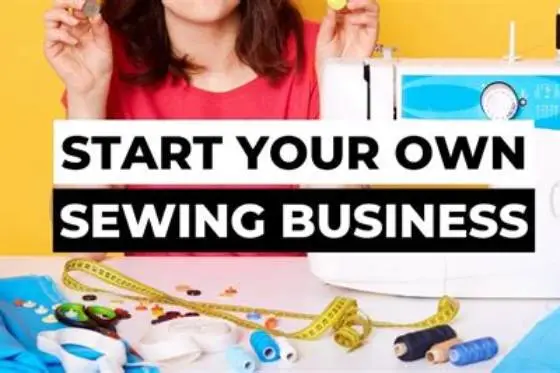
With a budget of $200 or less, you can launch a sewing business making simple sewn goods such as tote bags, pillow covers, or fabric face masks. These products need only basic supplies: fabric, thread, and minimal notions. Their patterns are easy and fast to sew, letting you produce sellable items quickly.
More complex tasks, like alterations or apparel sewing, usually require extra tools such as special sewing feet, pressing tools, and skill investment. These also demand more time per item, raising your costs and requiring better pricing. Budget constraints mean you should postpone these until you have more resources and experience.
If you don’t yet own a machine or tools, look first for a basic mechanical sewing machine with a straight and zigzag stitch, which can often be had secondhand within your budget. Expect to spend about half your $200 on this, and the rest on thread, scissors, and fabric scraps. For notions, keep it minimal: a simple zipper or elastic and basic pins or clips.
- Basic machine: straight and zigzag stitches only
- Minimum notions: thread, scissors, pins or clips
- Simple products: bags, pillows, masks
- Complex jobs: alterations, apparel sewing - require more tools and time

Janome Arctic Crystal Easy-to-Use Sewing Machine with Interior Metal Frame
Lets you start producing hems, garments and patchwork from home with 15 built-in stitches that include straight and zigzag.
How to price your first 10 jobs - fabric, notions, time and machine wear
Pricing your first jobs means adding together the cost of fabric and notions, your time, and a small allowance for machine wear and electricity. For fabric, divide the price by the yardage or meters, then multiply by what each item uses. Notions include thread, zippers, or elastic; price them per use. People in this spot often ask about best modern sewing books as well.
Calculate your time by deciding what hourly wage you want. For example, if you want $15/hour and a tote bag takes 30 minutes, add $7.50 labor. Machine wear represents wear on needles, belts, and motor over time; include about 5-10% of labor cost per item to cover this.
This approach ensures you don’t undersell and lose money. It's fine to start higher on price while you improve speed and quality. Watch online or local market prices for similar goods; price competitively but don’t work for less than your total cost.
| Component | Calculation method | Example for Tote Bag |
|---|---|---|
| Fabric | Fabric cost per yard × fabric used | $3 × 0.5 yd = $1.50 |
| Notions | Cost per use (thread, zipper, elastic) | $0.50 total |
| Labor | Hourly wage × hours | $15 × 0.5 hrs = $7.50 |
| Machine wear | 5-10% of labor | $0.75 (10% of $7.50) |
| Total price | Sum of all | $10.25 |
Which home jobs sell first: alterations vs simple sewn goods
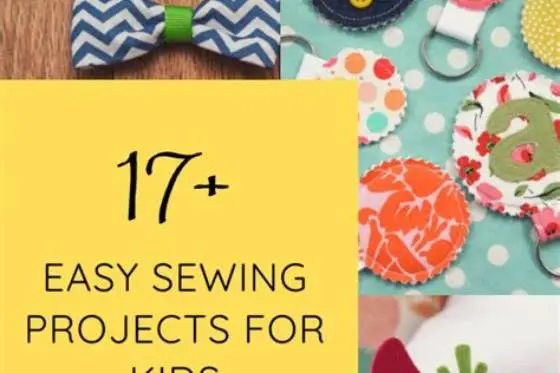
Simple sewn goods such as bags, pillowcases, or fabric masks usually sell first for home businesses. They require less skill and fewer special tools, so you can start producing and selling right away. These items appeal to wide audiences for gifts or home use. For the detail, see our notes on fun sewing ideas for children.
Alterations can command higher prices but need more skills, tools like special presser feet, and may require fitting sessions. This adds time and complexity unless you already have experience or training. Many beginners find alterations can take weeks to get reliable customers and profits.
Start simple and build your skills. As you gain confidence, introduce alteration services to increase your income. Meanwhile, simple sewn goods make the best first products to minimize risk and upfront investment.
| Aspect | Simple Sewn Goods | Alterations |
|---|---|---|
| Required skill | Basic sewing | Advanced fitting and sewing |
| Tool needs | Basic machine & notions | Special presser feet, pressing tools |
| Customer demand | Broad and immediate | Niche and slower |
| Pricing | Lower but consistent | Higher but irregular |
| Production time | Short per item | Variable and often longer |
Starting a home sewing business on $200 focuses you on simple sewn goods and smart pricing, avoiding costly mistakes others overlook.
How to find first customers without paid ads or a shop
Finding customers without paid ads starts with your own network. Tell family, friends, and neighbors about your business and ask them to spread the word. Use free social media platforms like Facebook groups, Instagram, or local community apps to advertise your products. We cover picking paper for repeated use in its own article.
Offer small giveaways, discounts for referrals, or free samples to encourage shares. Join local crafting fairs or markets on a small scale if possible to meet customers personally. Joining online sewing forums and groups also helps build your reputation and reach people who want custom sewn goods.
Be clear and professional in your communication. Show photos of your work and share customer testimonials, even if from family. This establishes trust without needing paid advertising, which can quickly eat your tight budget.
- Leverage personal network for initial word-of-mouth
- Use free social media and community apps
- Join craft fairs or markets for local sales
- Share photos and customer feedback to build trust
Money mistakes that stall a home sewing start and how to avoid them
Overspending on machines or notions that don’t match your skill or product plan is a common mistake. For example, buying an expensive computerized sewing machine before mastering basics wastes money. Stick to a reliable basic machine first.
Underpricing your work also stalls progress. Charging less than your total cost means you lose money on each item, making the business unsustainable. Use the pricing method explained here to cover all costs right away.
Another pitfall is buying large fabric quantities or notions without confirmed customers, leading to tied-up cash and possible waste. Buy materials in small amounts until you know what sells well.
Neglecting to track expenses and income makes it impossible to see if you’re actually making money. Keep simple records from day one to stay in control.
- Buying too costly a machine too soon
- Underpricing and not covering all costs
- Stocking large fabric before sales start
- Failing to track income and expenses
How to start sewing business: practical first steps from home with $200
To start your sewing business with $200 or less, begin by evaluating what tools and supplies you already own. Next, allocate about half your budget to a basic mechanical sewing machine if you don’t have one. Use the rest for essential thread, scissors, and fabric for your first products.
Follow these steps: 1) Identify simple sewn goods you can make quickly; 2) Price your items including fabric, time, notions, and machine wear; 3) Use free methods to find initial customers through your network and social media; 4) Avoid overbuying materials or tools until sales justify it.
Consistency and patience are key. Expect your early products to teach what sells and what to improve. Reinvest profits slowly to upgrade tools or try alterations later. Starting small keeps risks and costs low while building skills and customer trust.
- Check your existing sewing tools and supplies.
- Find a basic sewing machine within your budget, new or used.
- Choose simple products with low material needs for your first items.
- Calculate prices factoring all costs and desired hourly pay.
- Promote your products among friends, family, and online groups for free.
- Track sales and expenses to adjust pricing and inventory as needed.
Starting a home sewing business on $200 is challenging but doable by focusing on simple sewn goods, careful pricing, and free customer outreach.
Still wondering?
Can I start a sewing business without a sewing machine?
Starting without a machine is tough since sewing is the core of production. Borrowing or buying a basic used machine under $100-$150 is often possible. Without a machine, you might focus on hand embroidery or selling supplies instead.
How many hours should I expect to spend on my first sewing jobs?
Expect 1-2 hours per simple sewn item when learning. This includes cutting, sewing, and finishing. Time decreases with practice, so factor longer times into your initial pricing.
Should I invest in paid ads to find customers early?
Paid ads can work but often cost more than the early income you’ll get. Start with free channels like social media and personal networks, then consider ads once you have steady sales and a clear audience.
What is the most important tool besides the sewing machine?
A sharp pair of fabric scissors is critical. Dull scissors slow work and cause poor cuts. Investing in a dedicated pair for fabric, not paper, improves product quality and speed.
Is it better to sell finished goods or offer alterations first?
Selling simple finished goods usually produces faster sales and requires fewer tools. Alterations can pay more but need fitting skills and equipment, so start with easy sewn goods unless you already have alteration experience.
How do I avoid losing money on materials?
Buy fabric and notions in small amounts until you know your customers’ preferences. Use remnants, sales, or thrifted fabric to lower costs. Track your material use per item to price accurately.