How to prewash fabric without fraying before sewing or quilting
Prewash fabric in cold or cool water with a gentle detergent, following the care label. Secure edges using a mesh laundry bag or cotton ties to reduce fraying. Avoid twisting or wringing the fabric. Dry on low heat or air dry to minimize shrinkage before sewing.
On this page (7 sections)
Part of our guide on fabric for hot humid weather
Key figures
- Water temperature
- Follow care label; usually cold or cool water
- Detergent type
- Gentle, no softeners or bleach
- Drying heat
- Low heat or air dry
- Fraying reduction
- Mesh bag or cotton ties
- Shrinkage risk
- Varies; prewash reduces surprises
The short version
- Use water temperature recommended on the fabric’s care label, typically cold or cool for quilting cottons.
- Choose a gentle detergent without fabric softeners or bleach.
- Secure fabric edges with mesh bags or cotton ties to prevent fraying.
- Avoid twisting or wringing fabric to protect fibers.
- Dry fabric on low heat or air dry to control shrinkage.
Should you prewash fabric before sewing
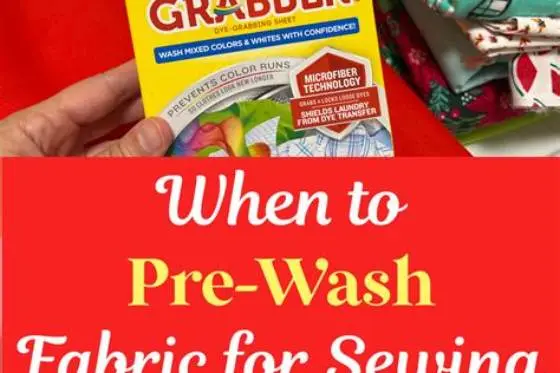
Prewashing fabric helps avoid unexpected shrinkage and removes factory sizing chemicals that can affect dye and stitching. Fabric type and finish affect this need. Check the care label and test a fabric swatch before washing the entire piece.
Natural fibers like cotton, linen, and rayon can shrink after washing; amounts vary by fabric finish and weave. Synthetic blends shrink less but benefit from prewash to remove chemicals and dust.
Prewash also reveals colorfastness. Some fabrics bleed dye when wet, which can affect other pieces in your project. Test a small scrap first.
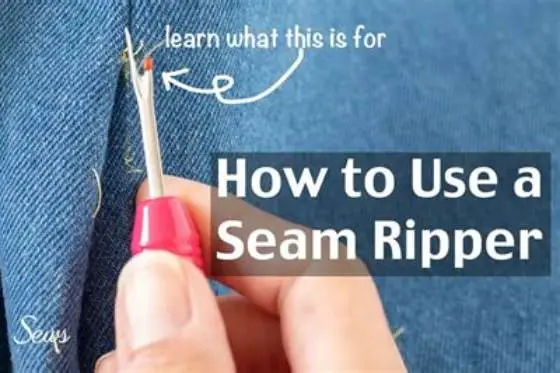
Avoid prewashing certain fabrics. Precuts such as jelly rolls, charm packs, and layer cakes often have pre-shrunk, coated, or specialty finishes. Washing these may cause distortion or fraying. Follow manufacturer advice for such fabrics. People in this spot often ask about using a seam ripper as well.
How to prewash cotton and quilting fabric
Choose water temperature based on the fabric’s care label. Quilting cotton usually favors cold or cool water to avoid shrinking and color bleed.
Use a mild detergent made for delicates, without fabric softeners or bleach. Softeners coat fibers and reduce thread grip; bleach damages the fabric.
Hand wash by soaking gently or use your machine’s delicate cycle. The delicate cycle runs with slow agitation at about 30°C to protect fibers. We go through top fabrics for doll bodies step by step elsewhere on the site.
Rinse thoroughly until water runs clear. This removes detergent residue and keeps fabric soft and clean.
Dry flat or tumble dry on low heat. Avoid high heat to prevent uneven shrinkage. Press fabric while damp to ease cutting.
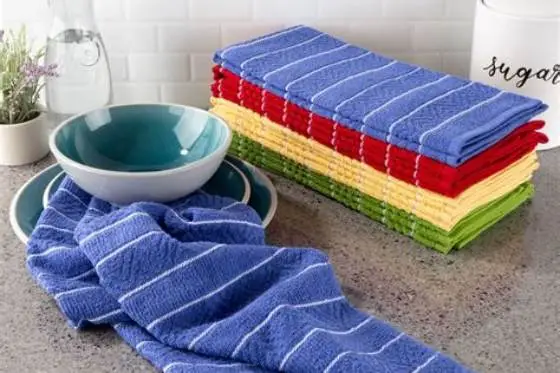
Keep selvage edges intact during prewash to reduce fraying. Selvages are tightly woven and act as natural barriers against unraveling. Align selvages and secure edges with cotton ties or place fabric in a mesh laundry bag for washing. If that sounds like your situation, read up on best fabric for lint-free towels next.
When hand washing, fill a clean basin with cool water and add detergent following the product’s hand-wash instructions. Soak fabric briefly as directed, pressing gently without scrubbing. Rinse until clear to clean without stressing fibers or fading colors.
For large yardage, wash in manageable batches sized to your basin or machine capacity. Overloading causes uneven cleaning and friction damage.
- Unfold fabric and cut long lengths in half if necessary for your washing method.
- Sort fabric by color to prevent dye transfer.
- Secure edges with cotton ties or place fabric into a mesh laundry bag to prevent fraying.
- Fill basin or machine with cold or cool water according to the care label or default to
30°Cfor delicate cycle. - Add mild detergent using the product’s recommended dose for hand wash or delicate machine cycle.
- Submerge fabric fully and soak gently or run the delicate cycle with low agitation.
- Rinse thoroughly under cool water until no suds remain.
- Dry fabric flat or on low heat in the dryer.
- Press fabric while damp before cutting to smooth wrinkles.
How to avoid fraying during prewash
Fraying happens when fabric edges unravel during washing, especially with woven or loosely woven fabrics.
Contain fabric edges by placing pieces inside a mesh laundry bag or tying raw edges with cotton strips. This prevents threads from escaping and reduces fraying.
Avoid wringing or twisting fabric to keep fibers intact. Handle fabric gently throughout washing and rinsing.
Use a gentle wash cycle and avoid overloading the machine to ensure smooth fabric movement.
For extra edge security, trim fabric edges with pinking shears or finish raw edges using a serger or zigzag stitch before washing.
Temporary fabric glue or spray starch may help hold edges but are less reliable than stitching or edge finishes.
Inspect mesh bags for holes before use. Choose bags designed for delicate items to best protect fabric.
- Mesh laundry bag prevents loose threads from escaping.
- Cotton ties keep raw edges together during washing.
- Avoid twisting or wringing to prevent fiber breakage.
- Use gentle wash cycles with low agitation.
- Trim edges with pinking shears or finish with stitching to reduce fraying.
Secure fabric edges and follow gentle washing steps to prewash fabric without fraying or unwanted shrinkage for perfectly fitting sewing projects.
Practical handling of yardage before prewash
Unfold large fabric lengths fully before washing to avoid creases and tangling.
Cut long yardage in half or manageable sections for better washing and rinsing.
Sort fabric by color and fiber content to prevent dye transfer or damage.
Wash similar fabrics together using the appropriate water temperature and detergent.
Always follow care label instructions to protect fabric quality and colorfastness.
Before prewashing, check for any labels or printed information on the fabric selvage. These can fade or run during washing and may stain your fabric. Consider cutting the selvage off if it contains ink that isn’t colorfast. Removing printed edges also prevents stiffness along those borders, ensuring more uniform shrinkage and easier cutting.
For very large yardage over 3 yards, wash in batches rather than all at once. Washing too much fabric together can cause uneven cleaning and increased friction, which may lead to fraying. Divide the fabric into smaller sections, secure edges, and wash separately to maintain quality.
What you need to prewash fabric safely
A mesh laundry bag with fine mesh and a secure zipper keeps fabric pieces together and reduces fraying during machine washing.
Use a mild detergent formulated for delicate fabrics. Avoid fabric softeners and bleach to maintain fiber strength and color.
Optional tools include pinking shears or a serger/zigzag stitch to finish raw edges before washing and reduce fraying.
Test colorfastness with a small fabric sample before washing. Cut a 6-inch square swatch, measure and record its size, then wash and dry it using your planned method. Measure again to check for shrinkage and color bleed.
If the fabric lacks a care label or you’re unsure of its type, start with a cold water hand wash test on a swatch. Avoid prewashing coated, dry-clean-only, or specialty fabrics like precuts and wool, which can lose finish or shape. Instead, steam or spot clean as needed.
A fabric steamer or iron with steam can relax fibers after drying. Press fabric from the wrong side with a pressing cloth to avoid shine or damage. This step smooths wrinkles and can slightly reduce residual shrinkage.
Still wondering?
Is it always necessary to prewash fabric before sewing?
Prewashing is recommended for natural fibers like cotton, linen, and rayon to avoid shrinkage and remove chemical finishes. For synthetic or pre-shrunk fabrics, prewashing is optional but helps check colorfastness.
Can I prewash fabric in hot water to remove sizing faster?
Hot water can cause shrinking and color fading in many fabrics, especially quilting cottons. Follow the care label and use cold or cool water unless otherwise instructed.
How do I prevent my fabric from shrinking after sewing?
Wash fabric using the same method and water temperature you plan to use for future cleaning. This ensures consistent shrinkage before sewing and prevents distortion.
Will using fabric softener in prewash affect sewing?
Fabric softeners coat fibers and reduce friction, potentially affecting thread grip and stitch quality. It’s best to avoid softeners during prewash.
What if my fabric frays a lot even with a mesh bag?
Add cotton ties to secure fabric edges and use the gentlest wash cycle or hand wash delicate pieces. Finishing raw edges with pinking shears or stitching helps as well.