How to paint sheer fabric with acrylic and set it without stiffness
Use thinned acrylic paint mixed with fabric medium, apply sparingly on pre-washed sheer fabric, then dry and heat-set gently to keep softness without stiffness or cracking in the paint.
On this page (8 sections)
- The short version
- Can acrylic paint be used on sheer fabric
- How to prepare sheer fabric for painting
- How to mix or thin acrylic paint for sheer fabric
- How to apply acrylic paint to avoid stiffness or cracking
- How to dry and heat-set acrylic paint on sheer fabric
- How to seal painted sheer fabric for durability
- Still wondering?
Part of our guide on best fabric paint markers
Key figures
- Fabric type
- Sheer, light-weight
- Paint medium
- Acrylic + fabric medium
- Paint thickness
- Thin, 20-30% water
- Drying time
- 1-2 hours
- Heat set temp
- Medium iron, 120-140°C
- Flexibility retained
- Yes, with thin paint
The short version
- Always pre-wash sheer fabric to remove sizing and improve paint adhesion.
- Thin acrylic paint with fabric medium or water to avoid stiff patches.
- Apply paint in light layers and allow each to dry fully.
- Heat-set paint carefully with a warm iron or dryer for durability.
- Seal painted fabric with a flexible fixative to prevent cracking.
Can acrylic paint be used on sheer fabric
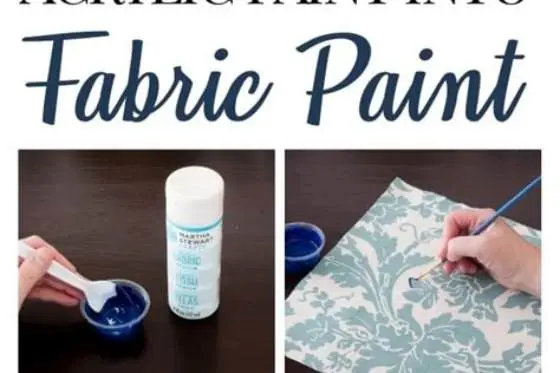
Acrylic paint can be used on sheer fabric but requires adjustment to avoid stiffness and loss of transparency. Acrylic alone is thick and dries hard, which can crack on thin, flexible fabrics.
Mixing acrylic paint with a fabric medium softens the finish and improves adhesion. This blend keeps the paint flexible after drying, essential for sheer fabrics like chiffon, organza, or voile.
Sheer fabric's openness means heavy paint will show through and stiffen the fabric. Use diluted paint to maintain the delicate look while adding color.
How to prepare sheer fabric for painting
Start by washing the sheer fabric without fabric softener to remove factory finishes or sizing, which prevent paint adhesion. Dry it flat or hang it to dry completely before painting. We cover best fabric to paint on in its own article.
Iron the fabric carefully on a low setting to remove wrinkles. This makes the surface smooth, preventing uneven paint application.
Lay the fabric flat on a protected surface. Use a barrier like plastic or a craft mat underneath to prevent bleed-through onto your workspace.
If the sheer fabric has any folds or creases that are hard to iron out, dampen it lightly with a spray bottle before ironing. This helps relax the fibers without soaking the fabric, which could cause distortion when painting. People in this spot often ask about is acrylic paint good for fabric as well.
Avoid using starch or sizing products when prepping the fabric. These substances add stiffness and prevent paint from soaking evenly. If your fabric was starched, soak it in warm water and mild detergent, then rinse thoroughly to remove residues before painting.
- Wash fabric with mild detergent, no softener.
- Dry flat or hang until fully dry.
- Iron on low heat to smooth wrinkles.
- Place on protected flat surface for painting.

7 Artists Fabric Medium for Acrylic Paint 8.45 fl oz
Mixes with acrylic paint at 8.45 fl oz size to create flexible, washable fabric paint that moves naturally with fabric.
How to mix or thin acrylic paint for sheer fabric
To avoid paint stiffness and cracking, thin acrylic paint with fabric medium or water before applying. Use a ratio of approximately 2 parts paint to 1 part fabric medium.
If you use water alone, limit it to 20-30% of the paint volume. Too much water can weaken paint adhesion and cause it to flake off. If that sounds like your situation, read up on denim fabric paint next.
Mix thoroughly to a smooth, slightly runny consistency, resembling heavy cream. This prevents paint pooling and allows it to soak slightly into the fabric without heavy buildup.
To check if the paint mixture is the right consistency, apply a small drop onto a non-absorbent surface. It should spread slowly and hold shape without running like water. If too thin, the color will be weak on the fabric and may require multiple coats.
For a worked example, mix 40 ml of acrylic paint with 20 ml of fabric medium. Stir well and add about 5 ml of water only if needed to loosen the mix. This ratio keeps the paint flexible and transparent, essential for sheer fabrics.
| Mixing agent | Ratio to paint | Effect on fabric |
|---|---|---|
| Fabric medium | 1:2 (medium:paint) | Keeps flexibility and adhesion |
| Water | Max 30% | Lightens color, may reduce adhesion |
| None (straight paint) | N/A | Stiff, cracks when fabric moves |
Learn the step-by-step method to paint sheer fabric with acrylic without losing softness or transparency.
How to apply acrylic paint to avoid stiffness or cracking
Use a soft brush or sponge to apply thin layers of paint. Dab or brush lightly to avoid saturating the fabric.
Work in small sections. Apply one thin layer, then wait for it to dry before adding another layer if needed for color intensity.
Avoid thick paint buildup. Thick layers cause stiffness and can crack when the fabric flexes. Multiple thin coats maintain fabric softness and transparency.
Test on a fabric scrap first to check paint flexibility and transparency.
Avoid brushing the paint in long strokes, which can push the paint too deep and cause uneven color. Instead, use a dabbing or stippling motion to keep the paint on the surface and preserve the delicate texture.
If you notice paint pooling or cracking after drying, wipe it off immediately with a damp cloth and restart with a thinner mix and lighter application. This trial-and-error helps find the right balance for your specific fabric and paint.
- Dip soft brush or sponge in thinned paint.
- Apply light, even strokes or dabs on fabric.
- Let each layer dry fully (1-2 hours).
- Repeat layers only if more color depth is desired.
How to dry and heat-set acrylic paint on sheer fabric
Let painted fabric dry flat in a well-ventilated area for at least 1-2 hours or until completely dry to touch. Avoid direct sunlight which can cause uneven drying and color fading.
Heat-setting fixes the paint to fabric fibers, improving washability and durability. Use a dry iron set to medium (about 120-140°C or 250-285°F).
Place a thin cloth or parchment paper over the painted area and press the iron gently for 3-5 minutes, moving continuously to avoid scorching fabric.
Alternatively, use a household dryer on medium heat for about 15 minutes if fabric care allows.
- Dry fabric flat for minimum 1-2 hours indoors.
- Preheat iron to medium setting (120-140°C).
- Cover paint with cloth/parchment.
- Press iron gently for 3-5 minutes, moving constantly.
- Let fabric cool before handling.
How to seal painted sheer fabric for durability
Sealing painted sheer fabric protects the paint from cracking and rubbing off during use and washing. Use a flexible fabric sealant or finisher designed for acrylic paints.
Apply sealant sparingly with a soft brush or spray, avoiding heavy coats that stiffen the fabric.
Allow sealant to dry fully according to product instructions before sewing or wearing the fabric.
For washable fabrics, choose a sealant that remains flexible after washing to maintain softness and transparency.
- Sealant choice - fabric-specific to retain flexibility.
- Application - thin, even coat to avoid stiffness.
- Drying time - follow label, usually 24 hours.
- Test - always check sealant on a scrap first.

Angelus No. 600 Acrylic Leather Finisher
Offers 4 fl oz acrylic finisher for leather that is flexible and protects paint with a clear coat.
Still wondering?
Can I use regular acrylic paint straight from the tube on sheer fabric?
Regular acrylic paint without thinning will dry stiff and crack on sheer fabric. Always mix with fabric medium or thin with water to keep flexibility and prevent damage.
How can I keep the sheer fabric soft after painting?
Use thinned paint in multiple light layers and heat-set gently. Avoid thick paint applications and seal with flexible fabric sealants to maintain softness.
Will the paint wash out from sheer fabric?
Properly heat-set acrylic paint mixed with fabric medium and sealed can withstand gentle washing. Avoid harsh detergents and hot water to keep the design intact.
How do I know if the paint is dry before heat-setting?
The fabric surface should feel completely dry and not tacky. Usually this takes 1-2 hours in a well-ventilated area at room temperature.
What if my paint cracks after drying?
Cracking usually indicates the paint was too thick or not flexible enough. Thin paint properly next time and apply in lighter layers.