Baby to queen quilt: how many yards for top, backing and binding
You need roughly 1 to 9 yards depending on quilt size and fabric width. Calculate yardage from your finished quilt size, usable fabric width, and added allowances for seams and shrinkage.
On this page (9 sections)
- The short version
- Calculation: yardage from finished size and usable width
- Yardage estimates for baby, twin, full and queen quilt tops
- Backing yardage by quilt size and fabric width
- Binding yardage and calculation example
- Calculating fabric for quilt borders
- Rag quilt yardage and differences
- Allowance for seams, shrinkage and prewashing
- Still wondering?
Part of our guide on best sewing machine for quilting
Key figures
- Usable fabric width
- Commonly 42 or 44 inches
- Seam allowance
- 0.25 inches
- Buffer for shrinkage and errors
- 10-15%
- Binding strip width
- 2.5 inches
The short version
- Measure your finished quilt size first to calculate fabric yards needed.
- Use usable fabric width (commonly 42 or 44 inches) to find how many yards to buy.
- Add 10-15% extra for seams, shrinkage, and cutting errors as a buffer.
- Backing usually requires a few inches more width than the top for quilting ease.
- Binding calculation depends on quilt perimeter and binding strip width.
Calculation: yardage from finished size and usable width
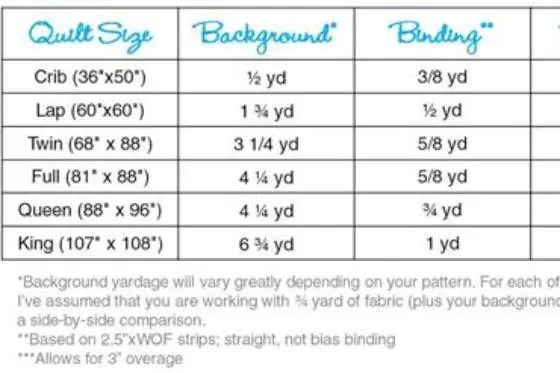
Start with the finished quilt size in inches. For example, a baby quilt might be 36 by 52 inches.
Fabric widths vary, but quilting cotton often has a usable width of about 42 to 44 inches after prewashing and cutting selvages.
Measure your fabric width after prewashing to confirm usable width before calculating yardage.
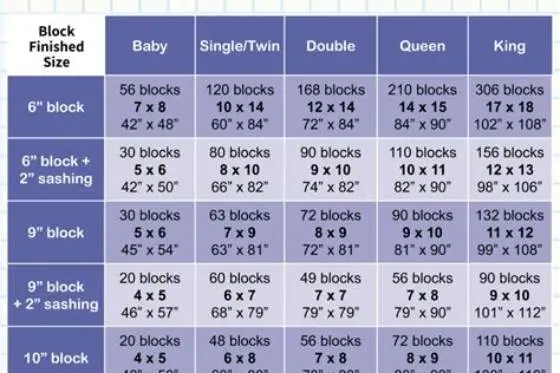
To estimate yardage, divide the quilt width by usable fabric width to find how many fabric widths you need. The other half of this decision is bed quilt measurements.
Then multiply that number by the quilt length in inches and convert total inches to yards by dividing by 36.
Add a 10-15% buffer to allow for seam allowances, shrinkage, and cutting errors. This buffer covers uncertainties and cutting waste.
| Fabric Type | Approximate Usable Width (inches) |
|---|---|
| Quilting Cotton | 42-44 |
| Home Decor Fabric | 54 |
| Flannel | 42 |
| Batting | Varies |
Yardage estimates for baby, twin, full and queen quilt tops
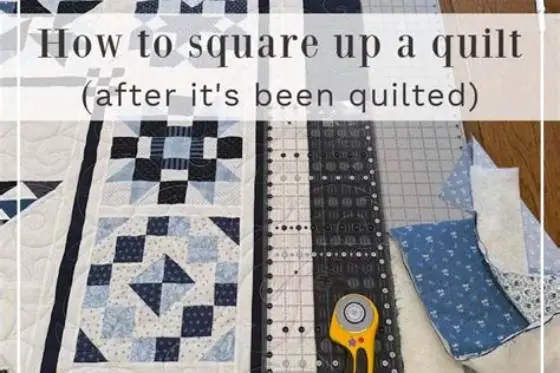
A baby quilt top (about 36x52 inches) generally requires about 1 to 1.5 yards of 42-44 inch wide fabric. Before you commit to anything, it is worth looking at how to square up a quilt.
Twin size tops (about 70x90 inches) need roughly 4 to 5 yards.
Full size quilts (around 80x92 inches) take about 5 to 6 yards.
Queen size tops (approximately 90x108 inches) require about 8 to 9 yards without borders.
Directional prints affect yardage since you cannot rotate pieces to save width. Measure pieces on usable fabric width laid flat to estimate extra yardage needed.
Pieced tops require extra fabric for seam allowances. Sew and press several test blocks, measure width loss, and multiply by block count to estimate fabric loss.
| Quilt Size | Finished Dimensions (inches) | Estimated Yards Needed |
|---|---|---|
| Baby | 36 x 52 | 1 to 1.5 |
| Twin | 70 x 90 | 4 to 5 |
| Full | 80 x 92 | 5 to 6 |
| Queen | 90 x 108 | 8 to 9 |
Backing yardage by quilt size and fabric width
Backing fabric usually needs to be a few inches wider and longer than the finished quilt top to allow for quilting and washing.
Estimate backing dimensions as about 4 to 8 inches wider and longer than the quilt top.
If using fabric narrower than 42 inches, expect to piece backing, which requires extra fabric for seams.
Wide backing fabric (such as 108-inch width) covers more area and reduces length needed.
Measure backing fabric width after prewashing to adjust yardage estimates accordingly.
| Quilt Size | Estimated Backing Dimensions (inches) | Estimated Yards Needed |
|---|---|---|
| Baby | 40 x 56 | 1.5 to 2 |
| Twin | 74 x 94 | 5 to 6 |
| Full | 84 x 96 | 6 to 7 |
| Queen | 94 x 112 | 9 to 11 |

Dritz Flip-It Tape Measure 3/4 x 144 Inch Yellow Sewing Ruler
Lets you check shrinkage before and after prewashing with 144 inches of non-stretch fiberglass marked in inches and metric for accurate yardage.
Calculate fabric yardage precisely for every quilt size, factoring in finished dimensions, fabric width, shrinkage, and all quilt components.
Binding yardage and calculation example
Binding finishes the edges of your quilt and typically uses 2.5-inch wide strips before folding.
Calculate the quilt perimeter by adding twice the length plus twice the width.
Calculate how many binding strips you need by dividing the perimeter by the usable fabric width.
Multiply that number by the binding strip width (2.5 inches) to get total binding inches.
Convert total binding inches to yards by dividing by 36.
Add a 10-15% buffer to allow for mitered corners and cutting errors.
For example, a queen quilt measuring 90 by 108 inches has a perimeter of 396 inches. Divide 396 by 42 inches fabric width equals 9.43 strips. Multiply 9.43 by 2.5 inches equals 23.6 inches. Divide by 36 inches per yard equals about 0.66 yards. Add 15% buffer and round up to 0.75 yards.
- Measure quilt length and width in inches.
- Calculate perimeter: (Length + Width) × 2.
- Divide perimeter by usable fabric width (usually 42 or 44 inches).
- Multiply result by binding strip width (2.5 inches).
- Convert total inches to yards by dividing by 36.
- Add 10-15% extra for cutting and corners.
Calculating fabric for quilt borders
Borders add width and length to your quilt top and require extra fabric.
Measure your quilt top finished size, then add twice the border width to both length and width.
Multiply border width by quilt perimeter to find total border fabric length.
Convert the total length of border strips to yards using fabric usable width and strip width.
Mitered borders usually waste more fabric than straight borders. Cut a test corner piece and measure fabric waste before buying fabric.
Wide borders over about 6 inches often need lengthwise cuts. Measure and plan for piecing if fabric width is insufficient.
Hold border fabric along quilt edges to check for seams or pattern alignment before cutting.
| Border Width (inches) | Quilt Size (inches) | Estimated Yards Needed (42 inch width) |
|---|---|---|
| 4 | 60 x 80 | 2 |
| 6 | 60 x 80 | 3 |
| 4 | 80 x 90 | 2.5 |
| 6 | 80 x 90 | 3.5 |
Rag quilt yardage and differences
Rag quilts use squares with raw edges that fray, so they need different yardage calculations than traditional quilts.
They require extra fabric since each square includes more seam allowance for the rag effect.
Expect to add about 25 to 50% more fabric than regular pieced quilts of the same size.
Rag quilts often use flannel or loosely woven cotton to enhance fraying.
Prewash rag quilt fabric to loosen fibers and reduce shrinkage before cutting squares.
Allowance for seams, shrinkage and prewashing
Add at least a 0.25-inch seam allowance on all pieces, increasing fabric needed.
Shrinkage varies by fiber, weave and finish. Wash a 1-yard swatch and measure before and after drying to determine your fabric’s shrinkage.
Use fabric width measurements after prewashing for accurate yardage calculations.
If you cannot prewash fabric, add an extra 10-15% to yardage to allow for potential shrinkage and cutting errors.
Sew and press a few test blocks as you will in the quilt. Measure the size difference before and after pressing to estimate fabric loss per block.
Multiply this loss by your total block count to estimate total fabric loss due to seams and pressing.
Directional prints and nap affect yardage. If your fabric has a one-way print or nap, lay out pieces on the usable fabric width before buying.
Pattern repeats also influence yardage. Measure repeat length and plan cuts accordingly.
Mitered borders waste more fabric than straight borders. Cut a test corner and measure fabric waste to adjust your yardage estimate.
All yardage estimates here are guidelines. Test your fabric and layout with swatches and sample cuts to refine amounts for your project.
- Cut a 1-yard fabric swatch.
- Wash and dry as you plan to with your quilt fabric.
- Measure width and length after drying.
- Calculate shrinkage percentage: (original - new) / original × 100.
- Adjust yardage by this percentage when buying fabric.
Still wondering?
Can I use fabric wider than 44 inches for backing to save yardage?
Yes, wide backing fabric such as 108-inch width covers more quilt width and reduces required length. Measure your quilt's finished size and add 4 to 8 inches extra for quilting ease.
How does fabric shrinkage affect how much fabric I buy?
Shrinkage varies by fabric. Test a swatch by washing and measuring before buying. Add extra yardage based on your measured shrinkage to avoid surprises.
Is the binding yardage the same for all quilt sizes?
No. Binding yardage depends on the quilt's perimeter. Larger quilts need more binding fabric. Calculate yardage from your quilt's perimeter and binding strip width.
Why does rag quilt yardage differ from regular quilts?
Rag quilts have wider seam allowances for fraying edges, so they require about 25 to 50% more fabric than regular pieced quilts of the same size.
Can I use leftover fabric from the top for backing or binding?
If leftover fabric is wide enough and large enough after accounting for shrinkage, you can use it for backing or binding. Confirm sizes before cutting.