Will 45 inches cover your project or do you need 60-inch fabric
Fabric width is measured from selvage edge to selvage edge and typically ranges from 44-45 inches or 54-60 inches. If your project width exceeds 45 inches, you usually need 60-inch fabric to cut without joining panels.
On this page (9 sections)
- The short version
- What width of fabric means vs length of fabric
- What widths fabric comes in and typical widths by fabric type
- How to measure fabric width correctly selvage to selvage
- How wide fabric really is on the bolt vs usable width
- How width affects yardage, pattern layout and joins
- Does width change drape or whether fabric holds its shape
- Fabric widths explained: how to check if 45 inches covers your project
- Still wondering?
Part of our guide on fabric for hot humid weather
Key figures
- Common narrow width
- 44-45 inches
- Common wide width
- 54-60 inches
- Usable width difference
- 2-3 inches
- Fabric length unit
- yards or meters
- Width affects seam count
- fewer with wider fabric
- Width affects yardage
- wider reduces needed yardage
The short version
- Fabric width is the distance between selvage edges.
- Standard widths are usually 44-45 or 54-60 inches, varying by fabric type.
- Usable width is often 2-3 inches less than the full width.
- Wider fabric means less yardage needed and fewer seams.
- Drape and fabric hold are rarely affected by width alone.
What width of fabric means vs length of fabric
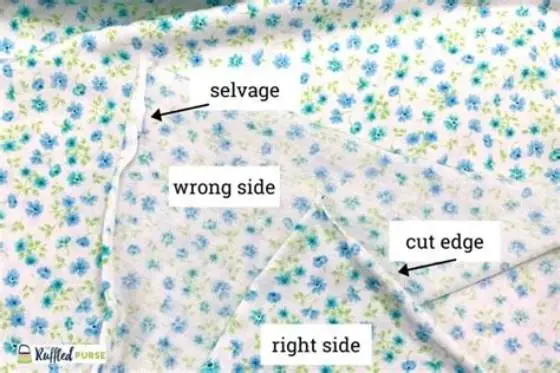
Fabric width is the measure across the fabric bolt, from one selvage edge to the other. Selvages are the tightly woven edges that prevent unraveling, running along the length of the fabric. The length is how far you pull fabric off the bolt, often sold by the yard or meter.
Knowing fabric width matters because your project has a width dimension too. If your project’s width is larger than the fabric width, you must sew pieces together. Length is how much fabric you buy, crucial for matching patterns or repeating designs.
The width remains constant across the bolt. The length varies per cut. This difference means you can calculate how much fabric length (yardage) to buy based on your project dimensions and fabric width.
What widths fabric comes in and typical widths by fabric type
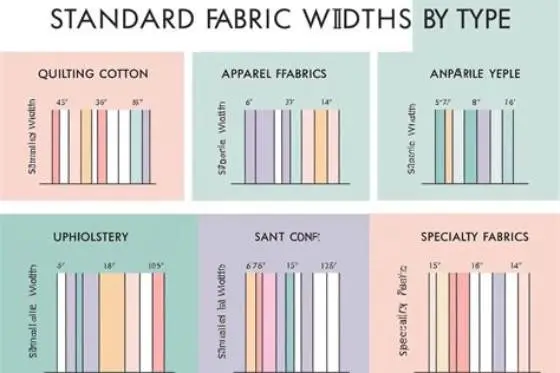
Most woven fabrics come in widths around 44-45 inches or 54-60 inches, depending on the fabric type and manufacturer. Quilting cottons and apparel fabrics typically measure 44-45 inches wide, while home decor, upholstery, and some knits can be 54-60 inches wide. There is more on how to tell the right side of fabric in a separate guide.
Specialty fabrics like upholstery velvet, canvas, or wide printed linens sometimes come even wider, up to about 108 inches. However, these are less common for everyday sewing projects.
Fabric width varies by fiber, weave, and intended use. Stretch fabrics may be narrower or wider depending on the stretch direction and manufacturing. Always check the bolt or product description for exact width.
- Quilting cottons: usually 44-45 inches wide
- Apparel woven fabrics: commonly 44-45 inches
- Home decor fabrics: often 54-60 inches
- Upholstery/heavy duty: can be 54-108 inches
How to measure fabric width correctly selvage to selvage
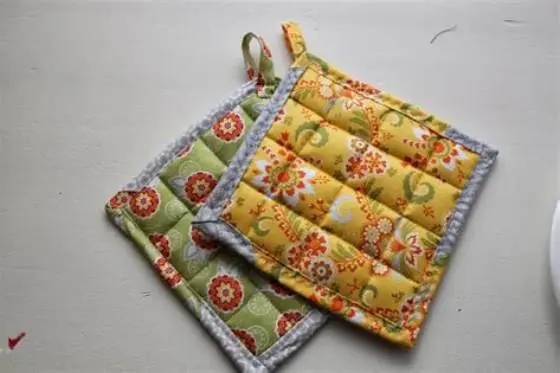
Measure fabric width by laying the fabric flat on a surface. Stretch it lightly to remove folds but don’t pull, as that can distort the width. Measure the distance between the two selvage edges: the finished edges with tighter weaving. We go through pot holder material step by step elsewhere on the site.
Avoid measuring the raw cut edges or a folded length of fabric. Selvages run parallel to the length of the fabric bolt and remain consistent throughout. This measurement gives you the actual width, which determines if your project fits across one cut.
Use a tape measure or ruler, and check a few spots along the bolt in case the fabric varies. Some fabrics shrink after washing, so check width after pre-washing if you plan to pre-wash your fabric.
- Lay fabric flat and smooth without stretching.
- Locate the two selvage edges running lengthwise.
- Measure the distance between selvages across the fabric.
Fabric widths vary widely; measuring selvage to selvage and knowing your project’s width helps you choose the right fabric width and avoid extra seams.
How wide fabric really is on the bolt vs usable width
Fabric width on the bolt is the full measure between selvages, but your usable width is usually 2-3 inches less. This difference comes from selvage texture, minor edge damage, and space needed for seam allowances near the edge.
Selvages are tighter and less flexible, so you often avoid cutting close to them. This reduces the effective cutting width. Also, some fabrics have a selvage printing or large edge design you want to exclude.
Plan your fabric use by subtracting 2-3 inches from the bolt width to estimate the workable width. This helps avoid surprises with pattern pieces that just won’t fit.
| Bolt Width (inches) | Usable Width Estimate (inches) |
|---|---|
| 44-45 | 41-43 |
| 54-60 | 51-57 |
| 108 | 105 |
How width affects yardage, pattern layout and joins
Wider fabric means you often need less yardage to fit your pattern pieces without joining. If your project width is less than the fabric width, you can lay pieces side by side, saving length.
With narrow fabric like 45 inches, wide projects require extra yardage and seams to join panels. More seams mean more sewing and potential weak points or pattern matching challenges.
Pattern layout depends on fabric width. Pattern guides usually specify yardage for narrow (45 inch) and wide (60 inch) fabrics. Always check these before buying fabric. Wider fabric reduces the number of fabric joins and sometimes decreases yardage by up to 20-30%.
- Wider fabric reduces needed length yardage
- Narrow fabric needs more seams and joins
- Pattern instructions often list yardage for 45 and 60 inches
- More seams increase sewing complexity and matching needs
Does width change drape or whether fabric holds its shape
Fabric width itself does not change how fabric drapes or holds shape. Drape depends on fabric weight, fiber, weave structure, and finishing treatments rather than width.
However, how you cut your pieces relative to the grainline and width can affect drape and shape retention. Cut across the width (crossgrain) or along the length (straight grain) to suit the project’s needs.
Wide fabric can make it easier to lay pattern pieces on grain without seams, helping the garment or project hang correctly. Narrow fabric requires more joins, which might interrupt drape slightly but does not affect the fabric’s innate properties.
Fabric widths explained: how to check if 45 inches covers your project
Start by measuring your project’s widest dimension. Compare this to the fabric width measured selvage to selvage. If your project width is less than 43 inches usable width from a 45-inch fabric, one cut without joins is possible.
If your project width exceeds that, you’ll need wider fabric, usually 54-60 inches, to cut single pieces. Alternatively, you must join fabric panels, which adds seams and sewing time.
Remember to consider seam allowance and pattern layout. Use a tape measure to verify fabric width on the bolt, and check pattern yardage guides for your fabric width options before buying.
- Measure your project’s maximum width (inches or cm).
- Measure fabric width from selvage to selvage, subtract 2-3 inches.
- Compare usable fabric width to project width dimension.
- Decide if fabric width fits your project or if wider fabric is needed.
Still wondering?
Why is fabric width measured selvage to selvage and not edge to edge?
Selvages are the finished, tightly woven edges preventing fraying and are consistent in width. Measuring selvage to selvage gives the true fabric width as the edges are stable, unlike cut edges which may vary or fray.
Can I use fabric narrower than my project width by joining panels?
Yes, but you must sew fabric pieces together, which adds seams. This can complicate sewing, affect pattern matching, and impact the finished product’s appearance and strength.
Does pre-washing fabric affect its width?
Pre-washing can shrink fabric 2-5%, reducing usable width slightly. Measure fabric width after washing to ensure proper fit for your project.
Are all fabric widths labeled on the bolt?
Not always. Manufacturers often print width on the bolt selvage or label, but check before purchase. When in doubt, measure selvage to selvage yourself.
Does fabric stretch affect width measurement?
Stretch fabrics vary in width depending on how much you stretch them when measuring. Measure fabric relaxed and flat for consistent width.