Fabric paint sealant on a cotton tee: does it stop cracking?
Sealant spray alone will not stop a painted cotton tee from cracking. It works only over paint that has dried fully and been heat-set with an iron, then cured before washing. With that prep, spray coats and cold inside-out washing, the design can extend wash life considerably. Heat-setting is what bonds paint to cotton; sealant adds abrasion resistance on top.
On this page (10 sections)
- The short version
- Does fabric paint sealant spray actually stop cracking?
- How to prep and heat-cure painted cotton before sealing
- How to apply sealant spray without adding stiffness
- The wash routine after sealing: temperature, turning and timing
- What still fails even when you did everything right
- When to reapply sealant, and when the paint was wrong from the start
- Sealant options: what to look for on the label
- Heat-set only vs heat-set plus sealant: what changes
- Still wondering?
Part of our guide on best fabric paint markers
Key figures
- Dry before heat-set
- 24 hours air dry
- Iron heat-set
- Dry iron, no steam, per paint label
- Cure before first wash
- Check paint label; add a day of margin
- Sealant coats
- Light passes; follow can's recoat interval
- Wash temperature
- Cold, 30°C or below
- Wash position
- Inside-out, gentle cycle
- Sealant needed?
- Optional if paint is heat-set
The short version
- Dry the paint fully, then heat-set it with a dry iron before you spray anything
- Check your paint's label for cure time before first wash, then add a day of margin
- Wash cold, inside-out, gentle cycle, and hang to dry
- Sealant extends life but cannot prevent flex cracks in high-stretch zones
Does fabric paint sealant spray actually stop cracking?
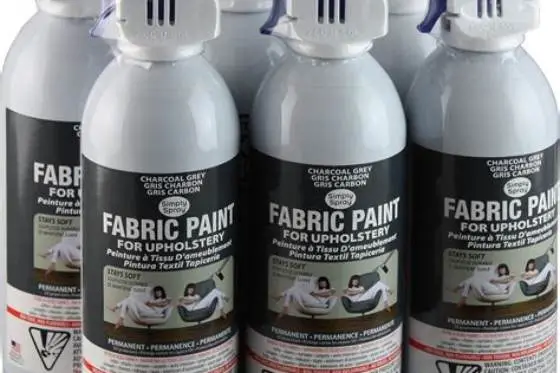
A sealant spray adds a thin, flexible protective film over the paint. That film does two useful things. It reduces abrasion in the wash, and it sheds some water so the paint does not soak and soften repeatedly. What it cannot do is fix a bond that never formed. If your design was painted with an acrylic that went on thick and dried stiff, the cracking comes from the paint layer itself. It flexes and separates from the fibres. A spray over the top just seals a problem in place.
The honest answer is conditional. On cotton painted with proper fabric paint, or acrylic mixed with fabric medium, the picture changes. Air-dry it, heat-set it with an iron, and a sealant spray meaningfully extends wash life. On paint that skipped the heat-set step, the cracking will reappear within the first few washes. The sealant is the belt; heat-setting is the braces.
Do you need a sealant at all? Many makers of quality fabric paints state their colour is wash-fast once heat-cured, with no sealer required. If you used one of those and cured it properly, sealing is optional insurance. If you used cheap craft acrylic straight from the bottle, sealing is not optional. The heat-set and the fabric medium matter more than the spray does.
So the order does the work: paint, cure, seal, then wash gently. Skip a step and the finish pays for it. For the detail, see our notes on best fabric spray dye.
| Factor | Effect on cracking | Can sealant fix it? |
|---|---|---|
| Paint never heat-set | Paint separates from fibres when flexed | No |
| Paint too thick on the fabric | Cracks along the paint film itself | No |
| Wrong paint (craft acrylic, no medium) | Stiff film that cannot flex with the knit | No |
| Abrasive washing (hot, mixed load) | Surface scuffing and fading | Yes |
| Repeat hot tumble drying | Heat and tumbling break the film down | Partly |
How to prep and heat-cure painted cotton before sealing
Start before the paint even goes on. Wash the tee once without fabric softener, let it dry, then press it flat. Sizing and softener residue sit on the cotton like greaseproof paper, and paint over them lifts in the wash. Work over a firm surface with cardboard inside, so paint cannot bleed through to the back.
Let the finished design air dry for a full 24 hours before you apply any heat. Paint feels dry to the touch in an hour; it is not cured. Sealing wet paint traps moisture under the film and gives you cloudiness, tack and early peeling.
Heat-setting is simple. Use a dry iron, no steam, on the cotton setting. Put a clean pressing cloth or a sheet of baking paper over the design. Press in short passes, lifting and moving the iron constantly rather than parking it. Follow your paint label's heat-set time. Turn the shirt inside out and press the reverse of the design briefly too. The other half of this decision is heat-setting fabric paint.
After heat-setting, let the shirt rest before its first wash. Your paint's label will state a cure time. Follow that time and add a day of margin if you plan to seal on top.
- Prewash the tee without fabric softener and press it flat
- Paint the design and leave it to air dry for 24 hours
- Heat-set from the front through a pressing cloth: dry iron, short passes, always moving
- Flip inside out and press the reverse of the design for another minute
- Rest the shirt for the time your paint label states before washing or sealing
How to apply sealant spray without adding stiffness
Light passes build a flexible film that moves with the fabric. A thick wet coat dries into its own stiff layer, and a stiff layer on a stretchy cotton knit cracks. You would be adding a second thing that cracks on top of the first.
Follow the can's recoat interval, and let each light mist dry until touch-dry before the next coat goes on. Sealing a wet coat traps solvent, clouds the finish and can lift the paint beneath it. Work outdoors or in a well-ventilated space. Wear a respirator mask if the label advises it. Hold the can back so the spray lands as a mist, not a wet sheen. The maker's stated distance is the guide. We go through how to know when fabric paint is safe to wash step by step elsewhere on the site.
Spray past the edges of the design by a fingertip's width so the sealant fades onto bare fabric instead of stopping on a hard line. Let the final coat dry fully, overnight is safest, before you fold, wear or wash the shirt.
Test the spray on a scrap first. One light pass on an old tee or a fabric offcut shows how far back to hold the can. It also shows how the mist lands before the real design is at stake.
- Light coats flex with the knit
- Even coverage without pooling
- No cloudy thick film
- Takes drying patience between passes
- Light coats are easy to under-apply
A can of sealant feels like the fix. It is the last step, and only the last step.
The wash routine after sealing: temperature, turning and timing
Use cold water, the cold or 30°C setting. Hot water softens both the paint film and the sealant film. Repeated hot washes work the design loose even when everything upstream was done perfectly.
Turn the shirt inside-out. That removes the main cause of fading and scuffing: the design rubbing against zips, buttons and the drum for the length of the cycle. A mesh laundry bag is worth adding if you wash the tee with jeans or anything with hardware. Wash it with similar fabrics. A lightweight cotton tee in a load of towels gets abraded no matter how it is turned.
Avoid tumble drying for the first several washes, or until you confirm the design survives a cold, gentle cycle. Hang it or lay it flat whenever you can. A full hot dry is the fastest way to undo weeks of careful curing. Never iron directly over a sealed design again. If the shirt needs pressing, press it inside-out through a cloth or press around the design.
For the first wash specifically, wait the full time your paint label states. Hand wash if you are nervous, and check the design before it goes anywhere near a dryer. What the design looks like after that first wash tells you almost everything about how it will age.
| Setting | Do | Avoid |
|---|---|---|
| Temperature | Cold, the cold or 30°C setting | Hot and warm cycles |
| Orientation | Inside-out | Design facing out |
| Cycle | Gentle or delicate | Heavy duty, high spin with rough loads |
| Drying | Hang or lay flat | Hot tumble dry |
| Ironing later | Inside-out through a pressing cloth | Iron directly on the design |
What still fails even when you did everything right
High-stretch zones flex hard every single wear. The chest, shoulders and underarm panels of a cotton tee stretch considerably when you pull it on. A flexible sealant spreads the strain but does not remove it. If your design spans a shoulder seam or sits across the fullest part of the chest, expect hairline cracks there first. They come before anywhere else, whatever you seal it with.
Stiffness is the other trade-off. Paint plus sealant is always stiffer than cotton alone. On a thin, soft tee the difference is noticeable as a slightly boardy patch. There is no spray that adds protection and adds nothing at all to the hand of the fabric. Sealed fabric won't wick moisture the way bare cotton does, so the design area can feel slightly warmer. The boardy patch softens a little with wear, but it never feels like bare cotton again.
Feather the spray out onto bare cotton so the edge of the film is a whisper, not a wall. A hard line where the sealant stops is where lifting starts, usually after the first few washes.
- Flexible sealants genuinely extend wash life
- Cold washing keeps colours bright for many gentle cycles
- High-stretch zones still crack from flexing
- Sealed areas feel stiffer than bare cotton
- Sealant film reduces moisture wicking over the design
When to reapply sealant, and when the paint was wrong from the start
Sealant wears out. Reapply when the design starts looking dull or scuffed rather than on a fixed schedule. The can will state a recoat interval if one applies. Clean the shirt, make sure it is completely dry, and give it one light pass.
Reapplication is worth it. Cracking is not. If the design is showing actual breaks in the paint film, more sealant will not close those cracks. Look for lines you can feel with a fingertip, or flakes coming away at the edge. It will just glue the pieces down for a wash or two.
How do you know the paint was the problem? Three tells. The design went on thick enough to change how the fabric drapes. It never got the iron treatment. Or it was plain craft acrylic with no fabric medium, which dries into a hard film that cotton's flex will always defeat.
The fix for a cracked design is not a rescue, it is a repaint. Scrape off what lifts, and start again with fabric paint in light layers, the 24-hour dry, the iron, the rest. Done that way, the design tends to last the life of the shirt.
Sealant options: what to look for on the label
Look for an aerosol marketed as a flexible textile sealer. The label should state it is suitable for fabric and dries clear and flexible. It should also give a cure time you can actually follow. A brush-on fabric varnish gives more control on a small design but adds thickness where the brush loads up. Whatever you pick, the can's stated drying and wash times override any general advice, including this article's.
Heat-set only vs heat-set plus sealant: what changes
Heat-setting alone bonds the paint to cotton and makes it wash-fast. That is the step that actually matters. Adding sealant on top extends the number of washes before you see fading or scuffing, but it does not change whether the paint stays bonded. The sealant's value is in extending cosmetic life, not in preventing structural failure.
Sealant spray earns its place over properly cured fabric paint. Over anything else, save your money.
Still wondering?
Do I really need sealant spray if I heat-set my fabric paint?
Often not. Quality fabric paints state they are wash-fast once heat-cured, and heat-setting is the step that bonds the colour to cotton. A sealant adds abrasion resistance on top, which helps most on designs that get heavy wear.
Can I use a general acrylic sealer spray from the hardware store on a t-shirt?
Only if the label states it stays flexible when dry. Many hardware-store clear sealers are made for rigid surfaces and dry hard, which cracks like thick paint on a stretchy knit. Check for the words flexible and fabric-safe before spraying.
How long should I wait before washing a sealed painted shirt?
Check your paint's label for its stated cure time, then add a day of margin. Many fabric paints give a cure time on their label - check yours and follow it. Guidance ranges vary between makers, so always follow the can. Follow the label, but keep the iron step. Skipping it is the main cause of early cracking.
Can I fix a design that has already cracked?
Not really. Sealant can glue loose flakes down for a short time, but cracking means the paint film itself failed. The durable fix is removing what lifts and repainting in light layers, then curing it properly.