Fabric medium vs fabric softener: keeping acrylic paint flexible
Fabric medium vs fabric softener for acrylic paint: use fabric medium. It forms a soft binder that grips the fibre and survives washing. Fabric softener only lubricates fibres, so paint mixed with it dries stiff, cracks when you bend the cloth and flakes off in the wash.
On this page (8 sections)
- The short version
- What fabric medium does for acrylic paint
- Why fabric softener is not a substitute for medium
- Fabric medium vs fabric softener for acrylic paint: what actually changes
- How to choose which to add based on your project
- Mixing, drying and heat setting: the order that works
- What stays put after washing
- Still wondering?
Part of our guide on choosing fabric marker tips
Key figures
- Mix ratio
- Equal parts paint to medium is the common starting point; check your bottle
- Mixing order
- Medium into the paint, never paint into medium
- Dry flat
- 24 hours before heat setting
- Heat set
- Warm iron for 2-3 minutes per label instructions
- Wait before wash
- 24-48 hours after heat setting
- Wash temp
- Cold, gentle, no softener, no dryer
- Test swatch
- 4 in (10 cm) of the same fabric
The short version
- Medium is the binder. Without it, acrylic paint sits on top of the cloth and peels.
- Softener is a fibre lubricant, not an adhesive. It gives you slickness, not adhesion.
- Matte medium for clothing and anything that bends; gloss medium for stiff, sturdy fabric.
- Heat set after drying, then wash cold and never with fabric softener.
- Test a 4 in (10 cm) swatch of your exact fabric before you commit a whole tote.
What fabric medium does for acrylic paint
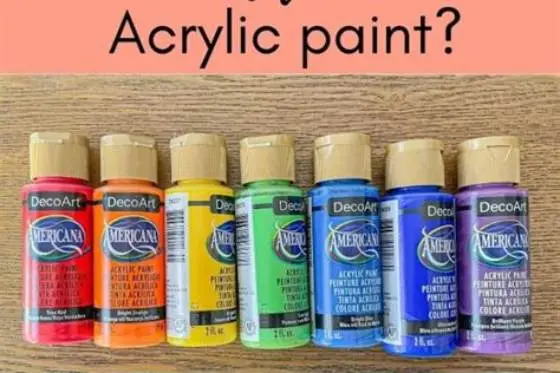
Acrylic house paint is engineered to sit on top of a hard surface, so straight from the jar it dries as a thin plastic film floating over the cloth. That film never sinks into the fibres, and it cracks the moment you bend the fabric. Textile medium, sold as fabric medium or acrylic medium, is a water-based polymer emulsion made for the opposite job. Mixed into the paint, it forms a soft film that bridges pigment and fibre.
Three things change once medium is in the mix. Adhesion improves because the medium wets the fibre and gives the paint something to grip. Flexibility improves because the polymer stays pliable after drying instead of setting like glue. The hand, meaning how the fabric feels when you hold it, stays soft rather than turning board stiff. The painted area then behaves like part of the cloth instead of a plastic patch sitting on top.
Medium holds the pigment you already applied; it does not turn acrylic paint into dye and it will not stop colour from fading on its own. Most brands print a ratio on the bottle, and many call for roughly equal parts paint and medium for printing and thin work. Less medium suits a thicker, textured or body-paint finish. Check your own bottle, because the ratio moves your colour as much as it moves your flexibility.
Why fabric softener is not a substitute for medium
Fabric softener works on a completely different principle. It is a cationic surfactant, a detergent-like molecule carrying a positive charge, and it leaves a light waxy deposit on the fibres so cotton feels less stiff and slides through a sewing machine more easily. None of that job requires holding pigment. Softener smooths fibre. It does not bond to it. We cover best fabric to paint on in its own article.
So what happens if you use softener instead of medium? The paint dries on the surface, stiff and chalky, with the softener residue lying between film and cloth. Colour may look right on day one. Bend the fabric and the paint cracks in lines. Rub it with a thumb or put it in a wash and it flakes away in sheets or dusts off as powder. You have added a slippery layer without adding a binder, which is the worst of both outcomes.
There is one job softener does well, and it is not painting. A diluted softener rinse softens a stiff calico before you start, which helps the fabric lie flat under an iron. That is a preparation step, and it belongs in the sink. Put softener in the paint and you get cracking paint, plus a faint greasy patch that can show on the finished piece.

7 Artists Fabric Medium for Acrylic Paint 8.45 fl oz
Matte finish fabric medium in 8.45 fl oz bottle that mixes 1:1 with acrylic paint to make it washable and flexible on fabric.
Fabric medium vs fabric softener for acrylic paint: what actually changes
Both products end up in the same bucket, so they look interchangeable until you compare them on the finished fabric. The table below covers the four things you actually notice: how the paint grips, how it bends, how the cloth feels and how the colour survives the wash. The other half of this decision is preventing color from washing out.
Read it down the left column and the pattern is clear. Medium works inside the paint film, at the level of the binder. Softener works outside the paint film, on the surface of the fibre. One builds the bond, the other removes friction. Only one of those keeps colour inside the cloth.
The practical difference comes down to what happens after the paint dries. With medium, the dried layer stretches with the fabric and stays attached through bending and washing. With softener, the dried layer has no anchor and peels away wherever the cloth moves most.
| What changes | With fabric medium | With fabric softener | |
|---|---|---|---|
| Adhesion | Paint grips the fibre through a soft polymer film | No binder forms; a waxy residue sits on top | Paint slides off, flakes or powders |
| Flexibility | Dried film bends with the cloth | Dried film stays stiff and cracks in lines | |
| Hand feel | Soft, fabric-like, still drapes | Slick or waxy, can hold a greasy film | |
| Washability | Colour survives several gentle washes | Colour lifts or flakes in the first wash | |
| Heat setting | Takes an iron well and locks the film in | Can leave a sticky, dusty residue when pressed | |
| Best use | Any project where you mix acrylic paint for fabric | Softening stiff fabric before you start sewing or painting |
How to choose which to add based on your project
Start with how much the fabric moves. A t-shirt, a tote that gets bumped around, a pair of leggings, anything that bends in the wash wants a matte textile medium. Matte is also the finish people expect on clothing, since gloss reads as plastic and shines under a street light. A canvas bag, a book cover or a stiff cushion takes gloss medium happily, because gloss holds a bit more body and sits up on the weave. The other half of this decision is steps for translucent fabric painting.
Fibre changes the answer next. Cotton and linen absorb medium and pigment readily, so colours go on strong and need little coaxing. Polyester and other synthetics are slick and rarely grab paint on their own, which is exactly where medium earns its place, because the polymer gives the pigment something to hold. Test first. A washable cotton knit and a poly-cotton blend can behave very differently on the same colour.
Now decide what colour that stays means to you. If it means permanent enough to survive the washing machine, use medium, heat set the piece, then wash it cold. If it means bright and even for an indoor wall hanging, medium still helps but you can relax on the laundering. Either way, skip softener in the paint. My own rule is simple: medium in the mix, softener in the wash, never the other way round.
- T-shirt, dress, tote: matte textile medium, two thin coats, heat set.
- Canvas bag or heavy cotton: matte or gloss medium, heat set firmly.
- Stretch knit or synthetic: medium is essential, and test a swatch first.
- Wall hanging or dry display: medium still gives cleaner colour and softer hand.
Mixing, drying and heat setting: the order that works
Mixing is where most projects go wrong, because people stir the medium into the paint in the wrong order or at the wrong ratio. Medium goes into the paint gradually. Add it in two or three stages, stirring to a smooth, lump-free cream, and keep scraping the paint down from the sides of the jar. If you pour paint into a puddle of medium, you get streaks that never blend out.
The swatch does more work than any tutorial, so make it first. Cut a 4 in (10 cm) square from the same fabric you are painting, wash it first if you can, and let it dry. Paint it with the exact mix you plan to use and let it cure fully. That swatch tells you the colour shift, the stiffness and whether the paint takes, all before you ruin a metre of fabric.
Heat setting is the step that makes the colour stay, and it comes after drying. Once the paint is dry to the touch and has sat for about 24 hours, press the reverse side with a warm iron for a couple of minutes, following the instructions on your paint. Some brands suggest a hair dryer on the reverse instead. Either way, the heat helps the polymer bond cross-link, and the colour stops lifting as quickly.
- Cut a 4 in (10 cm) swatch of the project fabric and let it dry fully.
- Measure medium into the paint first, in stages, following the ratio on the bottle.
- Stir to a smooth cream with no streaks or lumps and thin with a little water if needed.
- Apply two thin coats rather than one thick one, letting each dry.
- Leave the piece flat for 24 hours, out of direct sun.
- Heat set on the reverse with a warm iron for 2-3 minutes, per the paint instructions.
- Wait 24-48 hours after heat setting before the first wash.
What stays put after washing
Washability rests on four things: medium in the mix, a proper heat set, the fibre under the paint and how many washes it survives. Get three of those right and colour stays through a normal laundry routine. Miss the heat set and you will see colour lift in the first wash, no matter how much medium you used.
Your wash routine matters as much as the mix. Wash cold on a gentle cycle, inside out, with a mild detergent and no fabric softener. Softener residue builds up on the fibre over time and dulls colour while reducing the grip of the binder. Skip the tumble dryer, line dry flat, and press from the reverse if you need to. Ironing the painted side can leave a mark or stick the paint to the soleplate.
Expect a small amount of softening in the first wash even on a well-made piece. Acrylic pigment sitting on a fibre is never as permanent as dye, and the honest expectation is that the colour stays strong but very slightly lighter. Two or three thin coats of a well-mixed medium hold more colour than one heavy coat, because each coat has its own chance to bond.
If you want colour to move into the fibre for real, dye the fabric first, rinse it, dry it, then paint over the top with medium. That way the dye does the permanent work and the paint sits on a colour already locked in. Dyeing and painting separately gives a much longer-lasting result than trying to make one product do both jobs.
Use fabric medium every time you mix acrylic paint for fabric. Fabric softener belongs in the wash for other clothes, never in the paint.
Still wondering?
Does fabric softener make acrylic paint permanent on fabric?
No. Fabric softener deposits a waxy lubricant on the fibres, so the paint has nothing to bond to. The colour looks fine at first, then cracks when the fabric bends and flakes away during washing. Only a polymer medium creates the film that holds pigment to the fibre.
Will acrylic paint wash off fabric without medium?
On cotton and linen it grabs a little and can survive a gentle wash, but it dries stiff and cracks along every crease. On synthetics and knits it peels almost immediately. Adding medium is what turns a flaking surface into a soft, flexible one.
Which medium should I use on a stretchy cotton t-shirt?
Matte textile medium. It stays flexible enough to move with the knit, and the matte finish looks like fabric rather than plastic. Apply thin coats and heat set, and skip softener both in the mix and in the wash.
Can I use a varnish or sealer instead of fabric medium?
Not as a straight replacement. A sealer goes on top and adds shine and protection, but it cannot replace the binder that makes paint adhere and stay flexible. Mix medium into the paint first, then add a varnish afterwards only if you want gloss.
Does fabric softener affect dye colours as well?
It can dull them over repeated washes, because the waxy residue coats the fibre and mutes the shade. It will not strip dye on its own, but skip it on anything you want to keep vibrant, whether you dyed it or painted it.