Which embroidery stabilizer fits your fabric and design choice
Learning embroidery stabilizer types and when to use them comes down to fabric and stitch density. Use tear-away for stable wovens and cut-away for knits that stretch when pulled. Choose water-soluble as topping on towels or backing for sheer lace per product instructions. Heat-away suits heat-tolerant fabrics only. Test on scrap first.
On this page (8 sections)
- The short version
- Types of embroidery stabilizers
- When to use tear-away, cut-away, water-soluble, and heat-away
- How stabilizer choice affects stitch quality and fabric support
- How to decide on stabilizer before stitching
- The benefits and drawbacks of main stabilizer types
- How to use stabilizers effectively for best embroidery results
- Still wondering?
Part of our guide on finding the right size hoop
Key figures
- Tear-away weight
- 40-100 gsm
- Cut-away durability
- lasting support
- Water-soluble removal
- dissolves in water
- Heat-away removal
- melts with heat
- Fabric stretch
- requires cut-away
- Stable fabric
- works with tear-away
The short version
- Tear-away stabilizers are best for sturdy, woven fabrics needing easy removal.
- Cut-away stabilizers support stretchy or loose-knit fabrics during and after stitching.
- Water-soluble stabilizers dissolve in water, ideal for delicate or sheer fabrics.
- Heat-away stabilizers melt with heat, good for specialty projects but need care.
- Choosing stabilizer affects stitch quality, fabric support, and final appearance.
Types of embroidery stabilizers
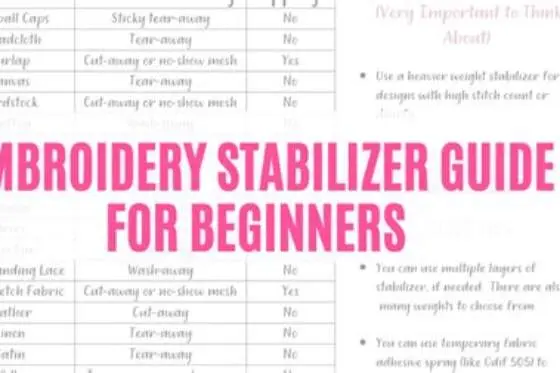
Embroidery stabilizers temporarily support fabric during stitching to prevent distortion and improve stitch quality. The main types include tear-away, cut-away, water-soluble, and heat-away stabilizers. Each serves a different purpose depending on your fabric and design complexity.
Tear-away stabilizers are lightweight sheets often made of paper or a soft synthetic blend. They provide firm support for woven fabrics like cotton and linen. After stitching, you simply tear them away, which makes them quick and easy to use.
Cut-away stabilizers are thicker and more durable. They consist of non-woven materials that you cut away after stitching, leaving a thin layer to support stretchy or loosely woven fabrics. These stabilizers provide permanent support under the embroidery to keep designs intact over time.
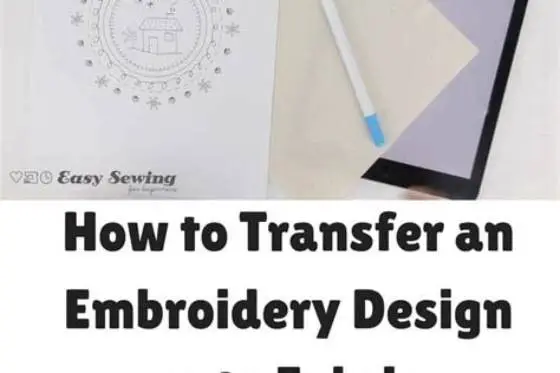
Water-soluble stabilizers dissolve completely in water, leaving no residue. They work well with delicate or sheer fabrics where any stabilizer remnants would be noticeable. They also suit projects where no backing should remain, such as freestanding lace. If that sounds like your situation, read up on how to transfer an embroidery pattern to fabric next.
Heat-away stabilizers melt when exposed to heat. They are less common but useful for specific specialty fabrics or effects. You apply heat after stitching to remove the stabilizer cleanly without water or tearing.
When to use tear-away, cut-away, water-soluble, and heat-away
Tear-away stabilizers suit stable fabrics that don’t stretch much, like woven cotton or denim. Use them for general embroidery projects with medium to simple stitch density. Tear-away stabilizers prevent fabric puckering and are easy to remove by hand. Avoid them on stretchy or loosely knit fabrics as they don’t provide lasting support.
Cut-away stabilizers are best for stretchy fabrics such as jersey knits, fleece, or loosely woven materials. Their lasting support under the embroidery keeps stitches stable through washing and wearing. Cut-away stabilizers are thicker and require careful cutting around the design after stitching. They help maintain design integrity on garments and accessories. People in this spot often ask about hooping fabric for embroidery as well.
Water-soluble stabilizers work well for delicate fabrics like organza, silk, or lace. They also fit sheer fabrics where visible stabilizer would spoil the look. Use them for freestanding lace or delicate machine embroidery. Soak the finished piece to dissolve the stabilizer completely. This method avoids damaging fragile fabrics or leaving stiff residues.
Heat-away stabilizers serve niche uses with specialty fabrics that can't tolerate water or tearing. They cleanly melt with a controlled heat source, ideal for projects needing a stabilizer-free finish without water. Use caution as excessive heat can damage some fabrics or threads.
| Stabilizer | Best Fabric Type | Removal Method | Support Duration |
|---|---|---|---|
| Tear-away | Stable woven fabrics | Tear by hand | Temporary during stitching |
| Cut-away | Stretchy knits and fleece | Cut carefully after stitching | Permanent support |
| Water-soluble | Delicate and sheer fabrics | Dissolve in water | Temporary during stitching |
| Heat-away | Specialty, heat-tolerant fabrics | Melt with heat | Temporary during stitching |
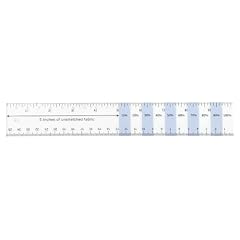
UPTTHOW Knit Fabric Stretch Ruler for Measuring Elasticity
Lets you check knit stretch up to 100% so you can tell when cut-away stabilizer is needed to keep embroidery from distorting on stretchy fabric.
How stabilizer choice affects stitch quality and fabric support
Stabilizer choice shapes stitch quality and fabric behavior. Too light a stabilizer risks puckering, skipped stitches, and thread breaks. Overly heavy stabilizers stiffen fabric and show through sheer textiles. We cover understanding embroidery machine pricing in its own article.
Tear-away stabilizers offer firm, temporary support for woven fabrics. They reduce fabric movement during stitching, decreasing skipped stitches and thread nesting. These stabilizers don’t support fabric stretch after embroidery removal.
Cut-away stabilizers provide lasting support under embroidery. They keep stretchy fabrics from distorting after stitching. This durability protects knits and fleece from holes or warping. However, they add slight stiffness beneath the design.
Water-soluble stabilizers allow complex designs on sheer fabrics without stiffening. They prevent fabric movement and leave no residue. Follow removal instructions carefully to avoid thread weakening. They don’t add long-term support, so avoid on stretchy fabrics.
Heat-away stabilizers offer clean removal without water or tearing. They maintain stitch accuracy but require precise heat control to prevent damage. Their use suits specialty projects and fabrics.
Picking the right embroidery stabilizer type prevents fabric puckering and ruined stitches across your exact fabric and design.
How to decide on stabilizer before stitching
Choose the stabilizer after assessing fabric type, stretch, and thickness. Test your fabric by gently pulling it to check for stretch. If the fabric stretches over 10%, lean toward cut-away stabilizers for lasting support.
Consider the design complexity and stitch density. Dense and large embroidery demands stronger stabilizers like cut-away or heavy tear-away to prevent fabric distortion.
If your fabric is delicate, sheer, or has open weave, water-soluble stabilizers prevent visible backing and fabric damage.
Think about the final use and washing frequency. Garments needing frequent washings benefit from cut-away stabilizers that maintain support long term.
Match thread weight and needle size to fabric and stabilizer to avoid skipped stitches or thread breaks.
Always test your chosen stabilizer on fabric scrap with your design before starting the real project.
- Check fabric stretch by gently pulling a small area.
- Match stabilizer type to fabric stretch and weave.
- Consider design size and stitch density.
- Pick stabilizer removal method that suits fabric and project.
- Test on fabric scrap before full embroidery.
The benefits and drawbacks of main stabilizer types
Tear-away stabilizers are inexpensive, easy to use, and fast to remove. They work great on stable fabrics but lack lasting support for stretchy or delicate fabrics. They can leave paper lint if torn roughly.
Cut-away stabilizers give permanent backing under the embroidery, ideal for stretchy or heavy fabrics. They add bulk beneath stitches and require careful trimming after stitching. This stabilizer type can stiffen the fabric where applied.
Water-soluble stabilizers vanish without residue, perfect for sheer or delicate fabrics and freestanding lace. They require water removal, which might not suit all projects or fabrics. Extended soaking risks weakening thread strength.
Heat-away stabilizers remove with heat, useful when water or tearing isn't an option. They avoid soaking but need careful heat control to prevent fabric or thread damage. Availability and price can be restrictive.
| Type | Pros | Cons |
|---|---|---|
| Tear-away | Easy removal, low cost | No lasting support, can lint |
| Cut-away | Permanent support, durable | Adds bulk, trimming needed |
| Water-soluble | No residue, works on delicate | Needs soaking, may weaken threads |
| Heat-away | No water needed, clean removal | Requires careful heat, limited use |
How to use stabilizers effectively for best embroidery results
Cut your stabilizer slightly larger than your embroidery design. This prevents fabric shifting during stitching and gives room for trimming or tearing without disturbing the design.
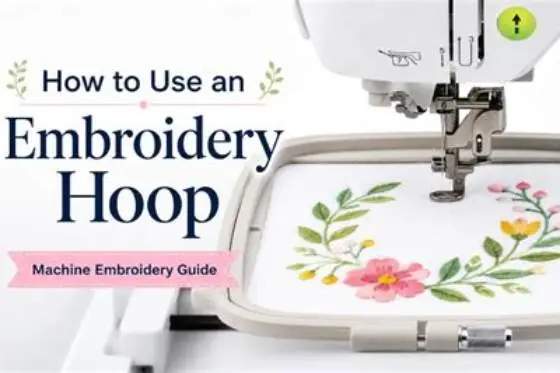
Hoop fabric and stabilizer tightly together, but avoid stretching the fabric as you hoop. Uneven tension causes puckering when the embroidery starts.
For cut-away stabilizers, trim excess carefully after stitching, leaving a thin layer under the design for support. Use small, sharp scissors to avoid cutting stitches.
When using water-soluble stabilizer, rinse only after you finish embroidery and thread trimming. Use cold or lukewarm water and avoid wringing fabric to prevent distortion.
Heat-away stabilizers require following manufacturer heat settings exactly. Too high heat damages fabric; too low leaves stabilizer residue.
Always keep needles fresh and match needle size to thread and fabric to reduce skipped stitches and thread nests.
- Cut stabilizer larger than design area.
- Hoop fabric and stabilizer without stretching fabric.
- Stitch your embroidery design.
- Remove or trim stabilizer as per type.
- Clean up threads and check stitching quality.
Still wondering?
Can I use tear-away stabilizer on stretchy fabrics?
Tear-away stabilizers do not provide lasting support for stretchy fabrics. They often result in puckering or distorted stitches. Choose cut-away stabilizers for stretchy or knit fabrics instead.
How do I remove water-soluble stabilizer without damaging embroidery?
Remove water-soluble stabilizer by soaking the fabric in cold or lukewarm water after stitching and trimming excess threads. Avoid wringing to keep embroidery flat. Follow product instructions carefully.
Is heat-away stabilizer safe for all fabrics?
Heat-away stabilizers require heat to remove, which can harm heat-sensitive fabrics or threads. Test on a scrap fabric first and follow heat settings to avoid damage.
How much larger should I cut stabilizer than the design?
Cut stabilizer about 0.5 to 1 inch (1.3 to 2.5 cm) larger than your embroidery design on all sides. This ensures fabric stays supported throughout stitching.
Does stabilizer affect thread tension?
Yes, stabilizer choice affects how fabric behaves under stitching. Using the right stabilizer prevents thread nests and skipped stitches by stabilizing fabric layers for consistent tension.