15 Easy Sewing Projects for Beginners (That You'll Actually Finish)
The best easy sewing projects for beginners are small, use stable woven cotton and teach one new skill each: start with a scrunchie, cloth napkins and a pillowcase, then move on to a tote bag, a zipper pouch and elastic-waist pajama pants.
On this page (19 sections)
- The short version
- What makes a sewing project easy
- 1. Fabric Scrunchie
- 2. Cloth Napkins
- 3. Pillowcase (Burrito Method)
- 4. Drawstring Bag
- 5. Simple Tote Bag
- 6. Envelope Pillow Cover
- 7. Fabric Coasters
- 8. Pin Cushion
- 9. Zipper Pouch
- 10. Reusable Makeup-Remover Pads
- 11. Burp Cloths
- 12. Pot Holders
- 13. Simple Apron
- 14. Elastic-Waist Pajama Pants
- 15. Infinity Scarf
- What to sew after these 15
- Still wondering?
Part of our guide on threading and winding for beginners
Key figures
- Fastest
- Scrunchie, about 20 minutes
- Best first fabric
- Quilting cotton
- Needle
- Universal 80/12
- First new skill
- Sewing a straight 1/2 in seam
The short version
- Pick quilting cotton or cotton canvas - it doesn't slip or stretch
- Sew the projects roughly in this order: each adds one skill
- Most take under an hour and use less than a yard of fabric
- A straight stitch and a zigzag are all your machine needs
What makes a sewing project easy
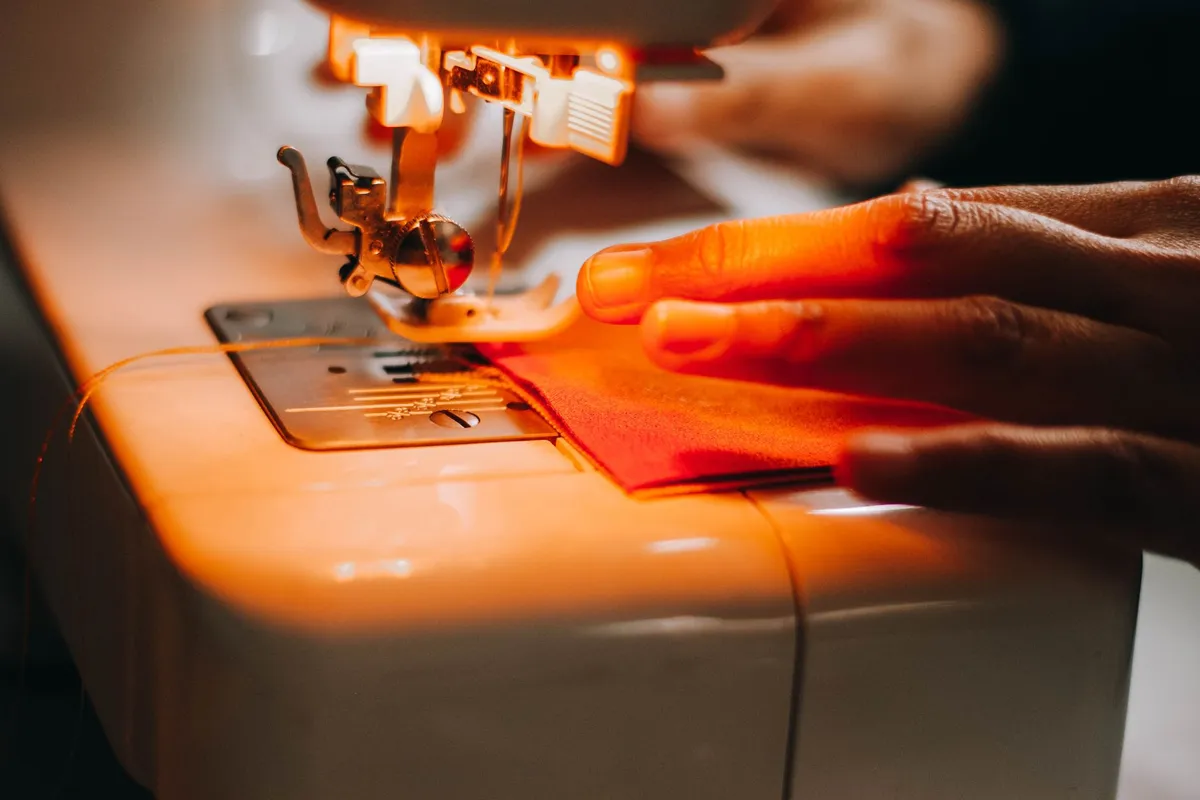
An easy sewing project has straight seams, a forgiving fit and fabric that stays put under the presser foot. Quilting cotton, cotton poplin and canvas are the easiest fabrics to learn on; knits, satin and chiffon are better saved for later.
The list below runs from the quickest wins to slightly bigger makes. Each project teaches one thing the next one uses - turning a tube, boxing a corner, inserting a zipper, threading elastic - so by number 15 you have every basic skill a pattern will ask for.
1. Fabric Scrunchie
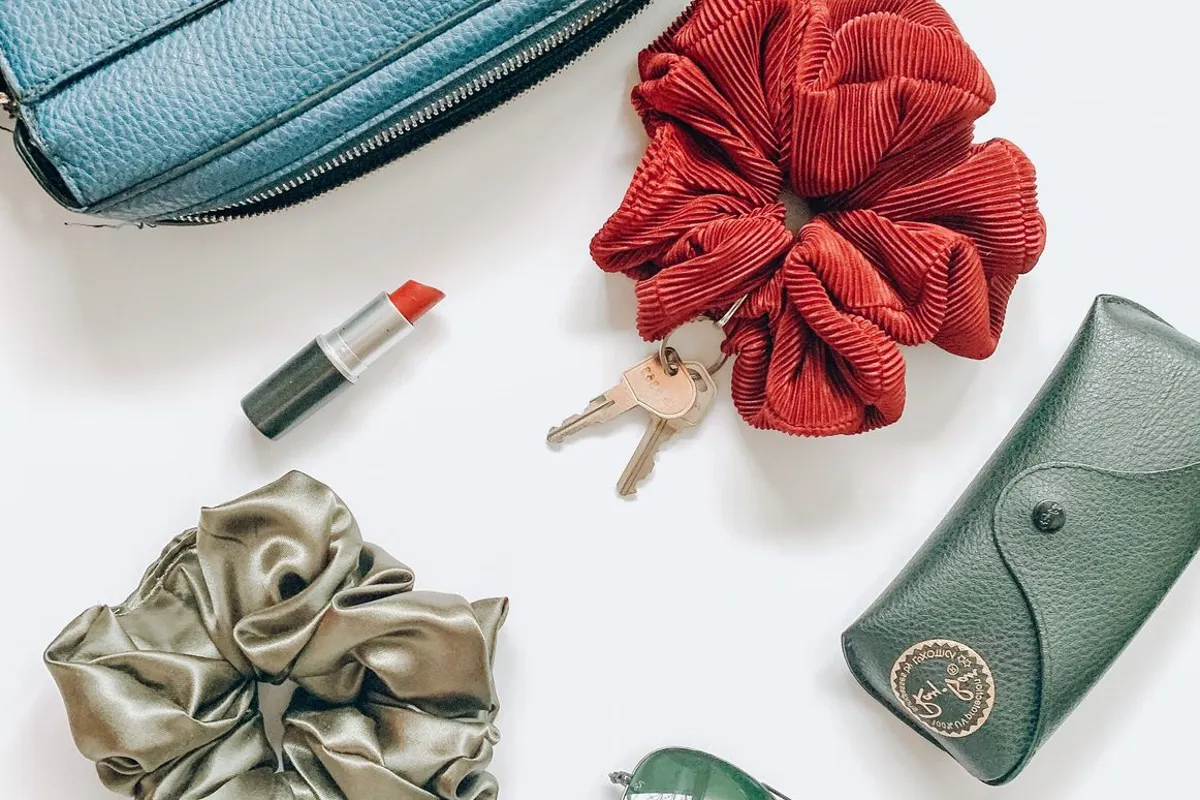
A scrunchie is a fabric tube with elastic inside - the quickest real thing you can sew. Cut a strip about 22 x 4 inches, sew it into a tube, turn it right side out and thread 8 to 9 inches of 1/4-inch elastic through with a safety pin. They make great small gifts and use up scraps.
- Time: about 20 minutes
- Fabric: one 22 x 4 in strip of cotton, satin or velvet
- You'll learn: sewing a tube and threading elastic
2. Cloth Napkins
Napkins are four straight hems and nothing else, which makes them the perfect practice for sewing a straight line. Cut 18- or 20-inch squares, press a double-fold hem on every edge and stitch close to the fold. A yard of 44-inch cotton gives four 18-inch napkins. We cover easy embroidery projects in its own article.
- Time: 15 minutes per napkin
- Fabric: 1 yard of cotton or linen for 4 napkins
- You'll learn: pressing and sewing a double-fold hem
A first project should be finished the same evening. Finishing is what makes you sew the second one.
3. Pillowcase (Burrito Method)
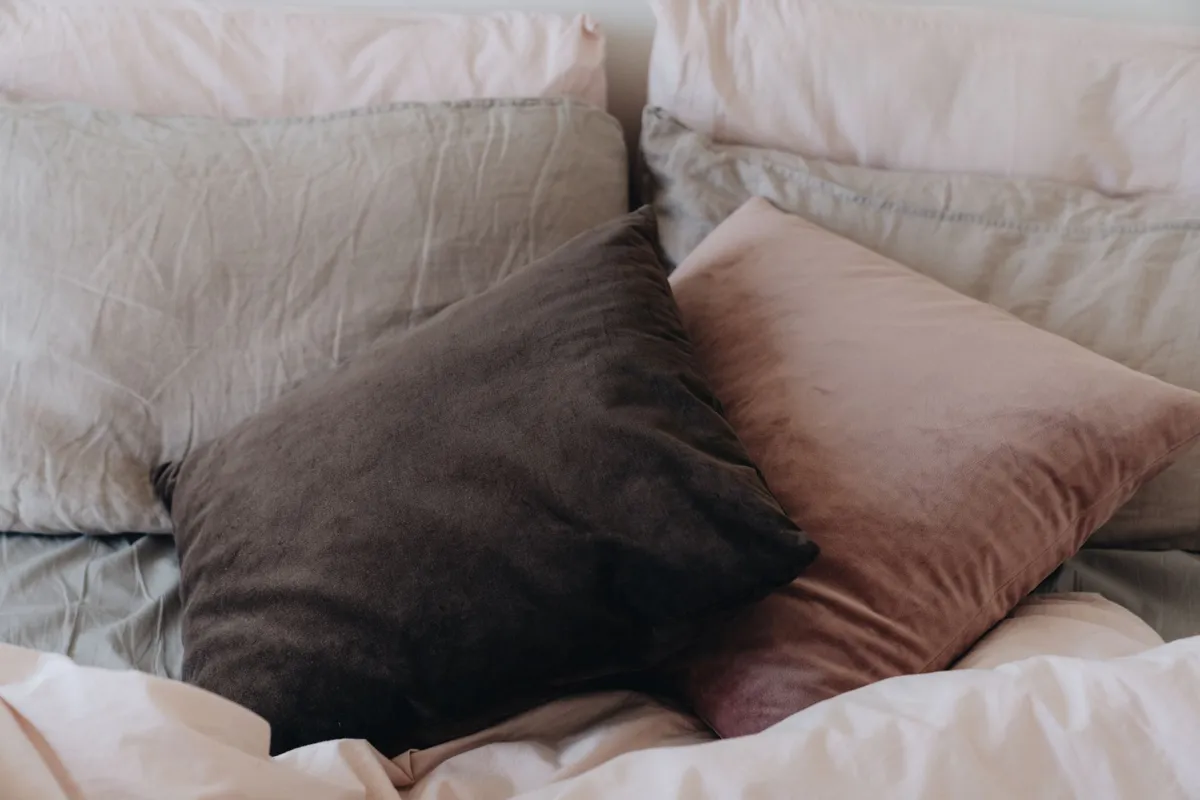
The burrito or roll-up method hides every raw edge inside the cuff, so the pillowcase looks store-bought inside and out. You need about 3/4 yard for the body and 1/4 yard for the cuff. It's the project most sewing teachers use for a first class.
- Time: about 45 minutes
- Fabric: 3/4 yd main + 1/4 yd cuff + optional trim strip
- You'll learn: enclosed seams and following steps in order
4. Drawstring Bag
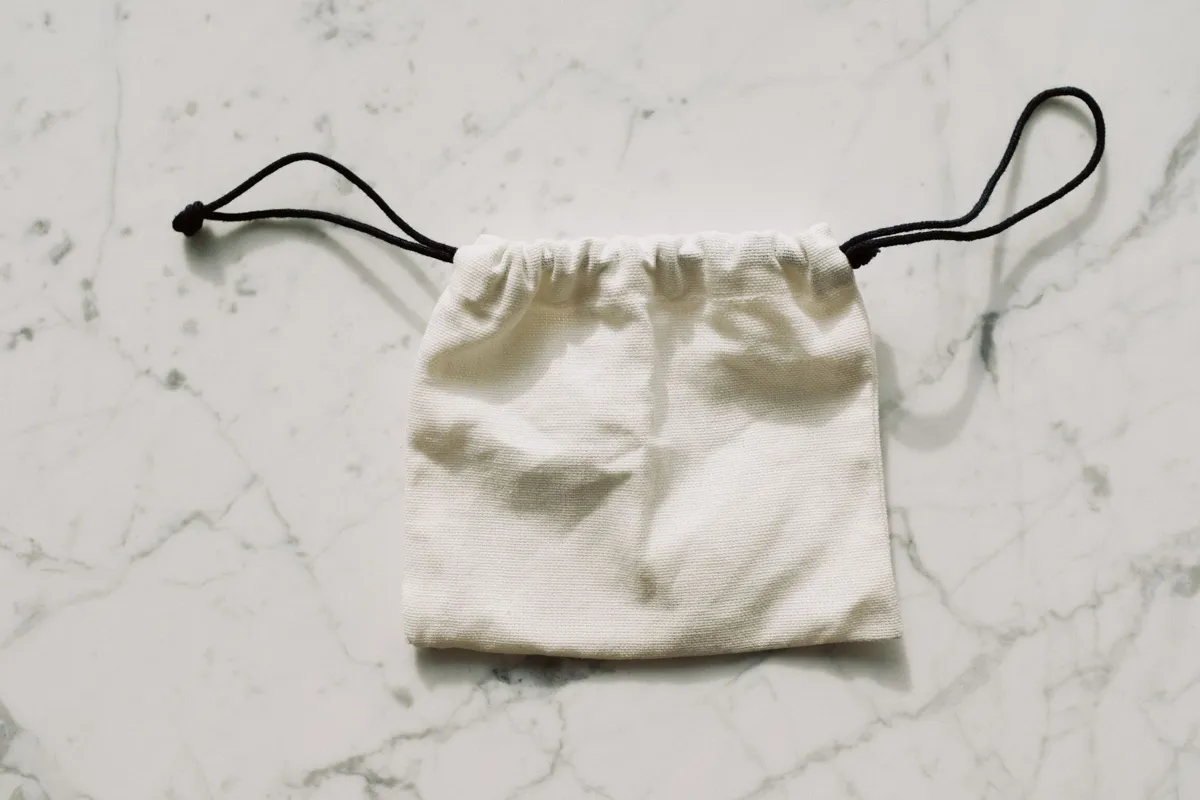
Two rectangles, a casing at the top and a cord - a drawstring bag teaches you how to make a channel and thread a cord through it. Make them for shoes, toys, travel cables or as reusable gift wrap.
- Time: about 40 minutes
- Fabric: two 12 x 14 in pieces + 1 yd cord
- You'll learn: sewing a casing
5. Simple Tote Bag
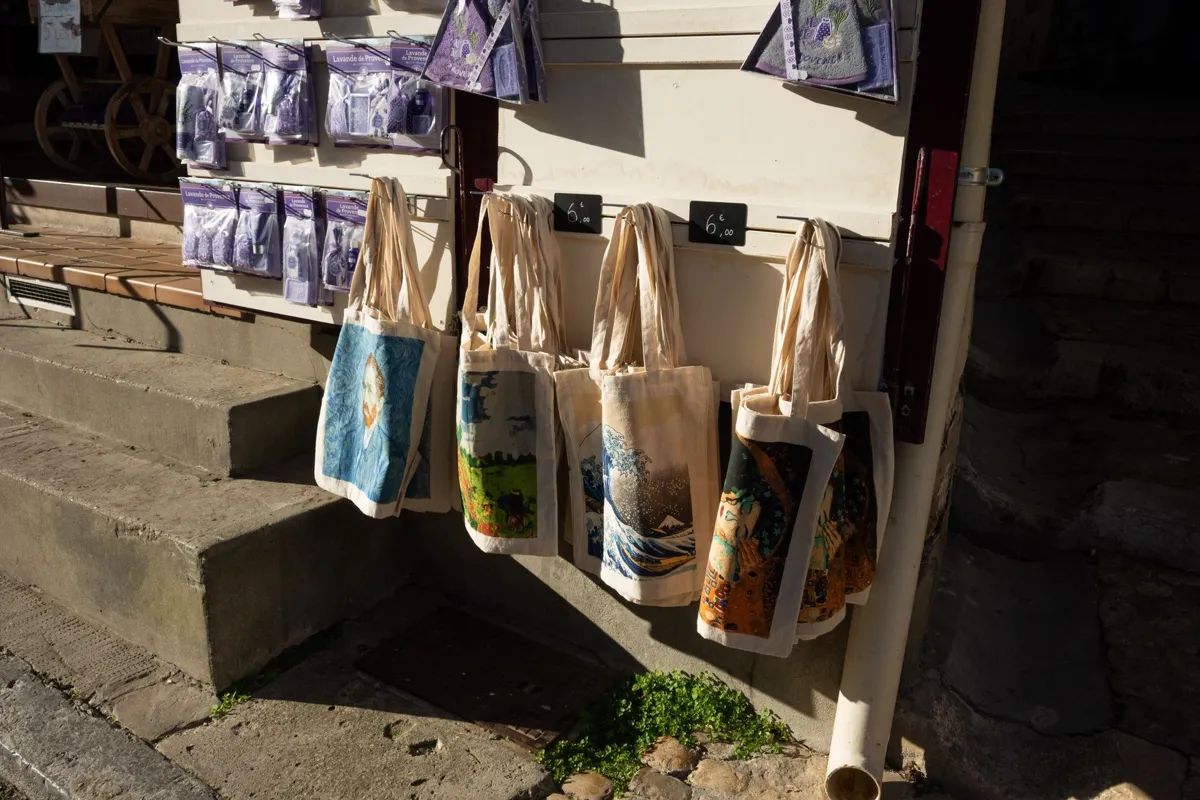
A lined or unlined tote in cotton canvas or twill is sturdy, useful and forgiving. Boxing the bottom corners gives it a flat base. Use a heavier needle (90/14 or 100/16) when you sew through the strap layers. The other half of this decision is 12 Christmas Sewing Projects.
- Time: 1 to 1.5 hours
- Fabric: 1 yd canvas or 10-12 oz twill
- You'll learn: boxed corners and topstitching
6. Envelope Pillow Cover
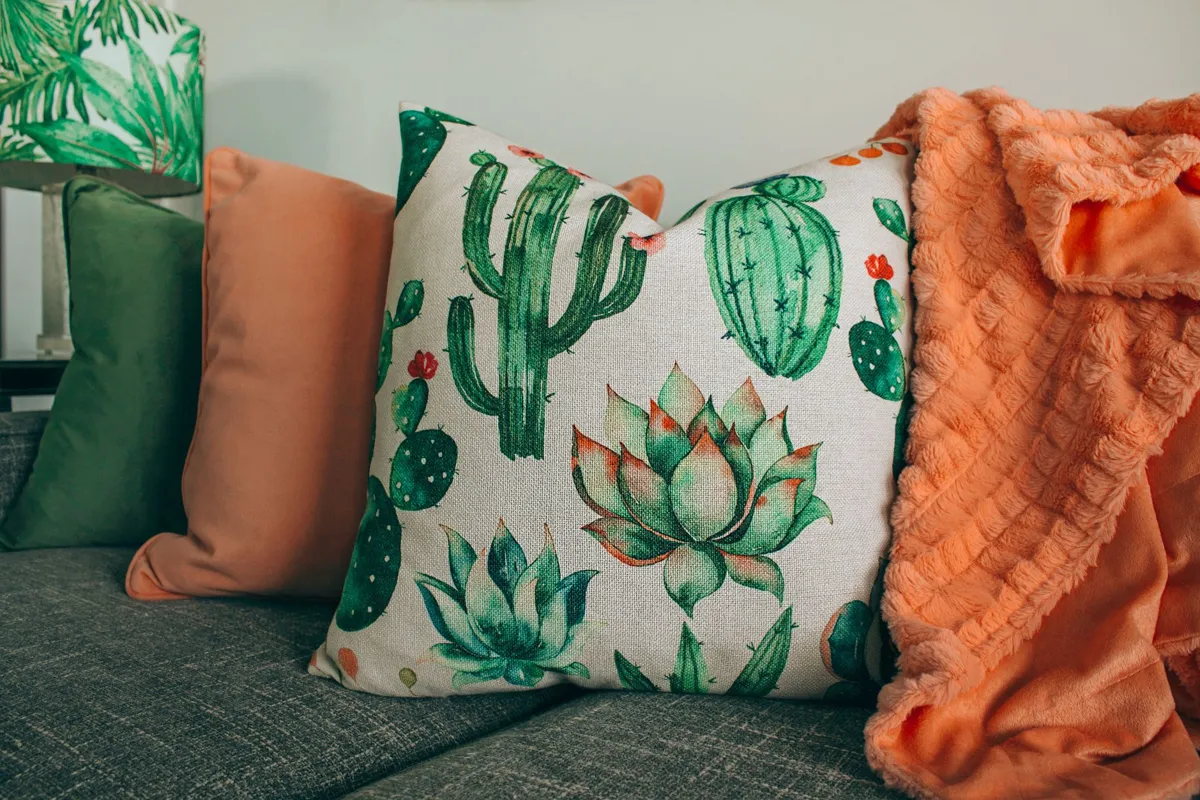
An envelope cover closes with two overlapping back panels, so there's no zipper or button. Measure your pillow insert and cut the front the same size; it gives a plump, full look. Swap covers with the seasons.
- Time: about 30 minutes
- Fabric: about 1/2 yd for an 18 in pillow
- You'll learn: measuring and hemming overlaps
7. Fabric Coasters
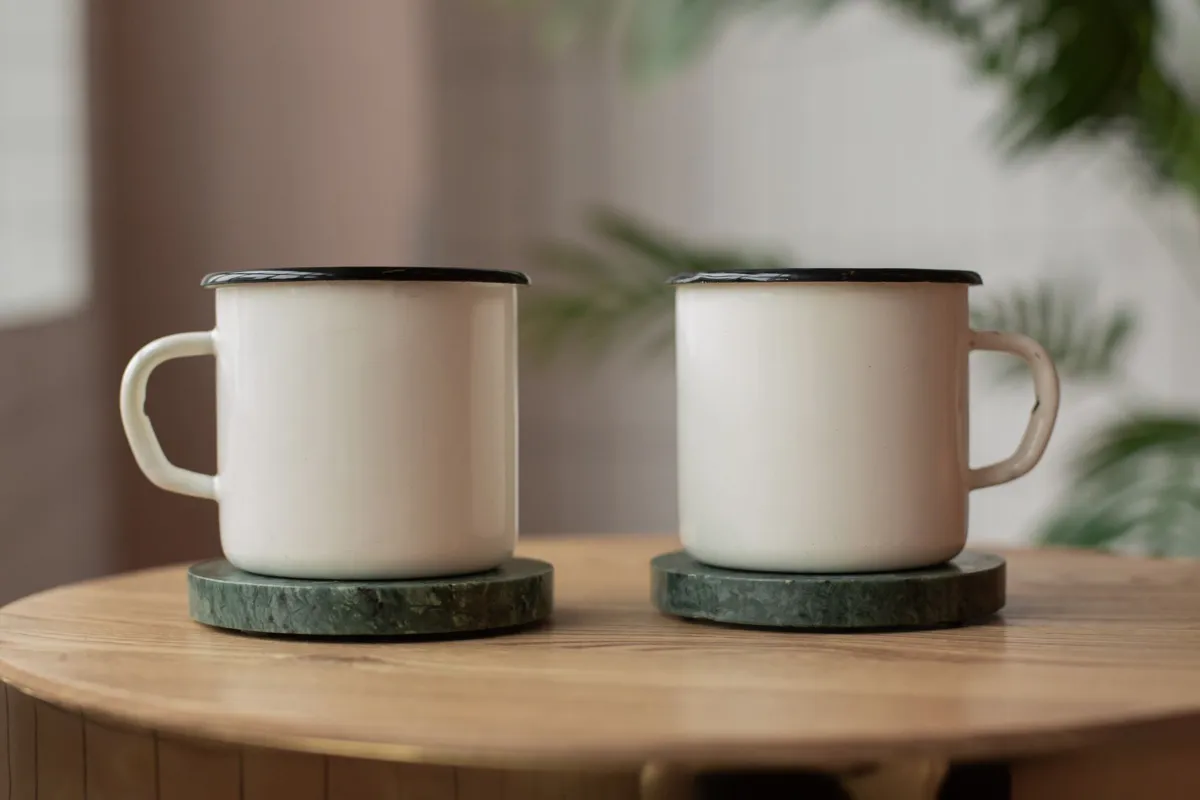
Coasters are tiny quilts: two fabric squares with a layer of batting or felt between, turned and topstitched. They are a gentle introduction to sewing through layers and are perfect for using fat quarters.
- Time: 15 minutes each
- Fabric: scraps + cotton batting
- You'll learn: sewing through layers and turning corners
8. Pin Cushion
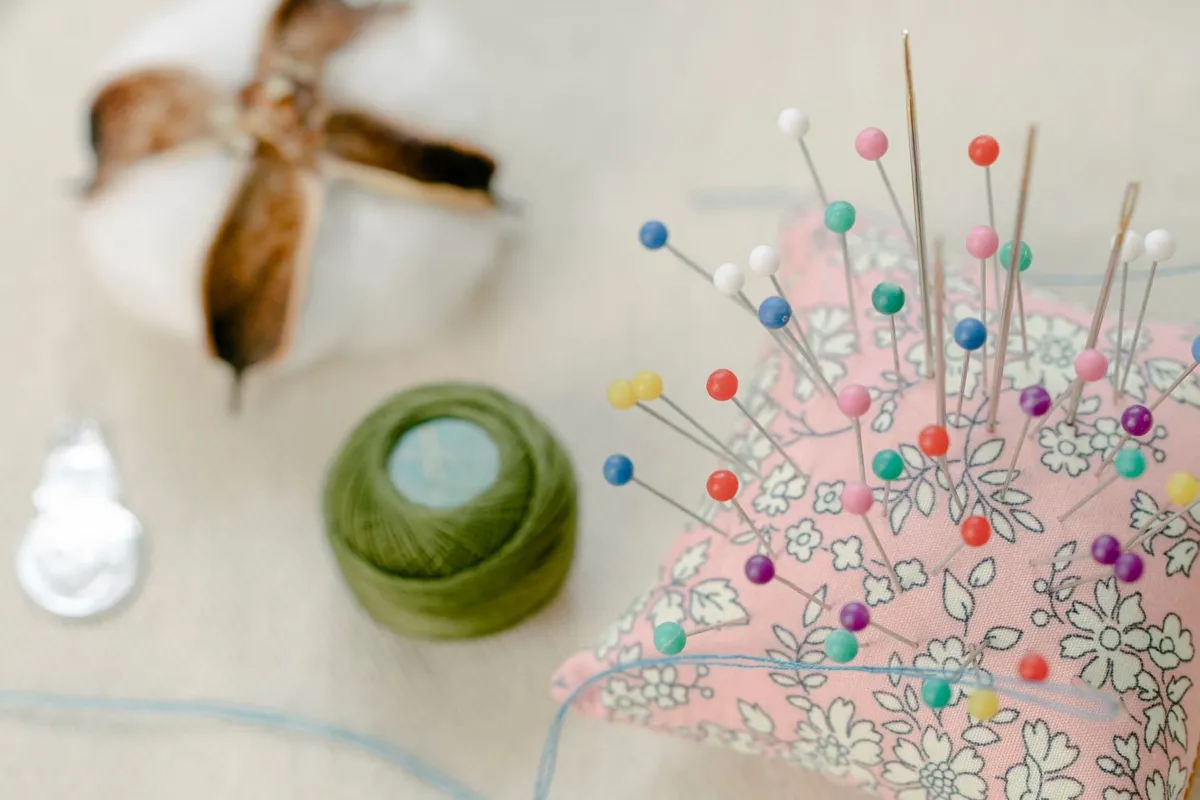
Every beginner needs one, so make your own. A simple square pin cushion stuffed with polyester fiberfill (or crushed walnut shells for weight) takes minutes and uses the smallest scraps you have.
- Time: about 20 minutes
- Fabric: two 5 in squares
- You'll learn: hand-sewing a closing (ladder) stitch
9. Zipper Pouch
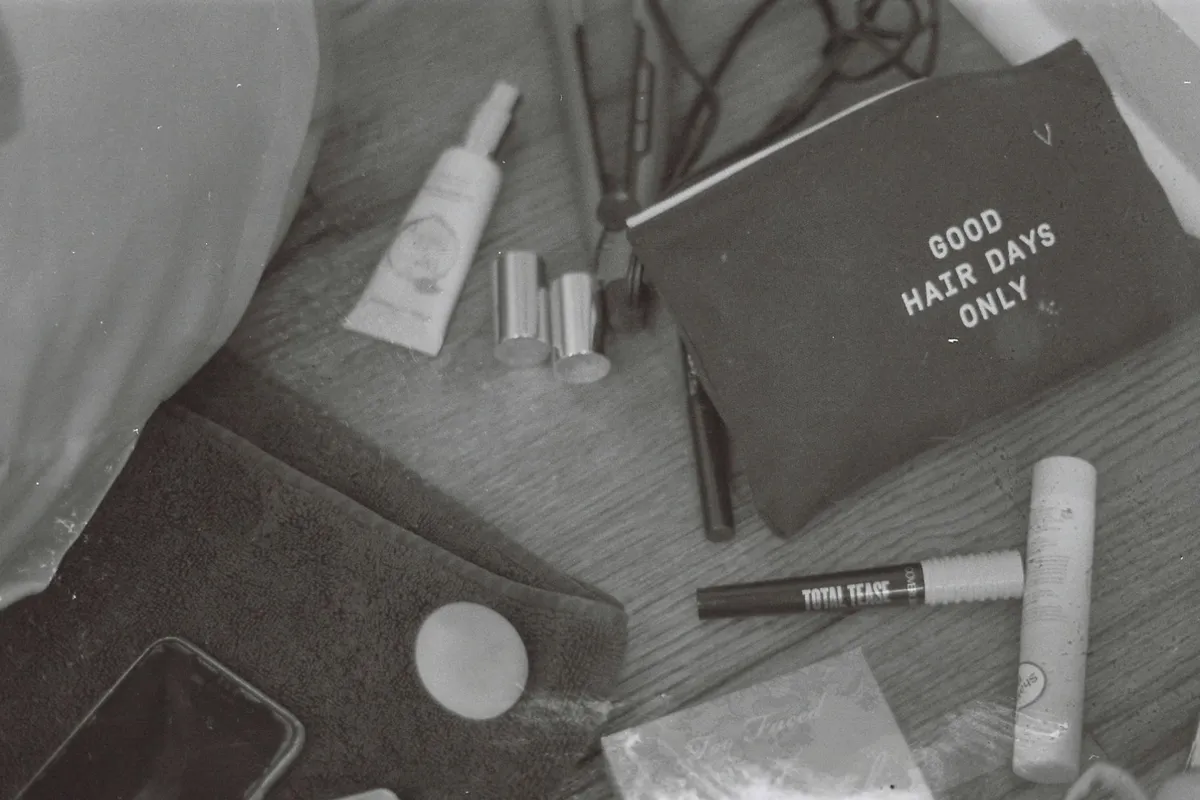
A lined zipper pouch is the friendliest way to learn zippers - the zipper is straight and short. Use a zipper foot, move the slider out of the way halfway and go slowly. Once you have made one, you'll make ten.
- Time: about 1 hour
- Fabric: two outer + two lining rectangles, 9 in zipper
- You'll learn: inserting a zipper
10. Reusable Makeup-Remover Pads
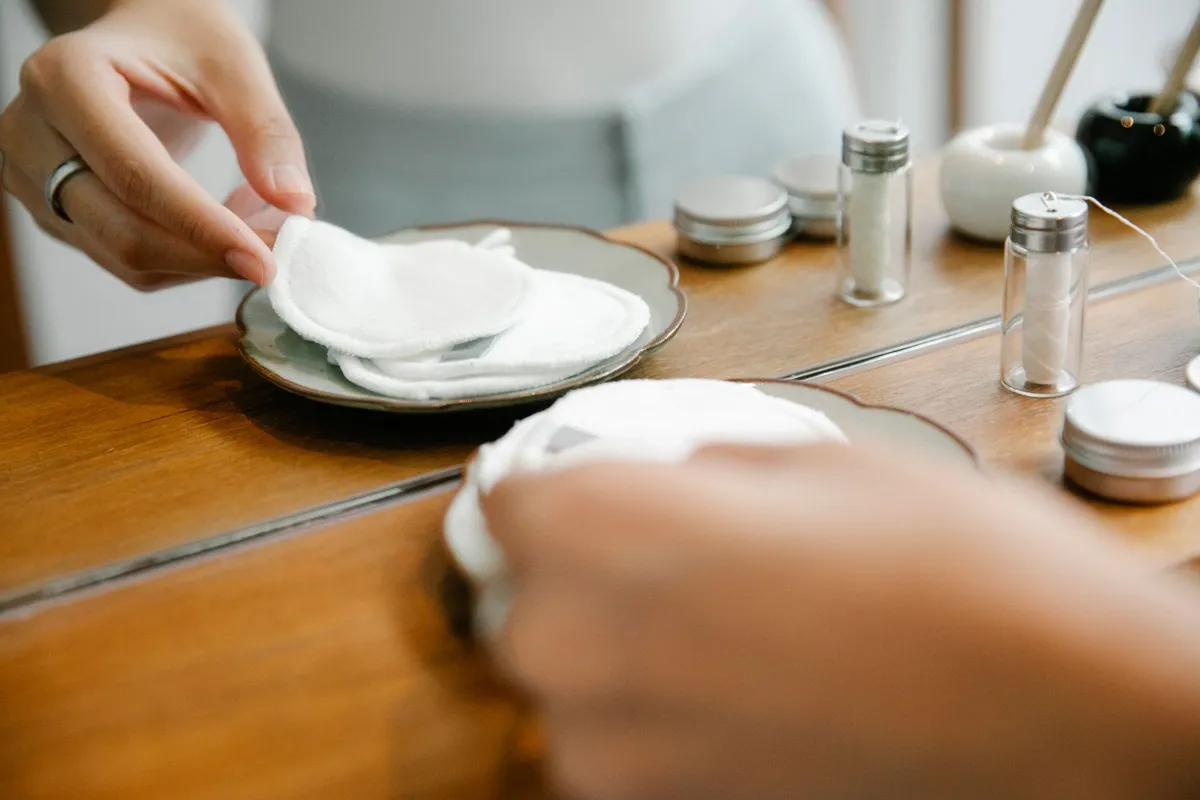
Small circles of cotton flannel or terry, sewn together and finished with a zigzag around the edge. They're washable, they use up scraps and they make a good eco-friendly gift set with a drawstring bag.
- Time: 5 minutes each
- Fabric: flannel, terry or cotton scraps
- You'll learn: zigzag edge finishing
11. Burp Cloths
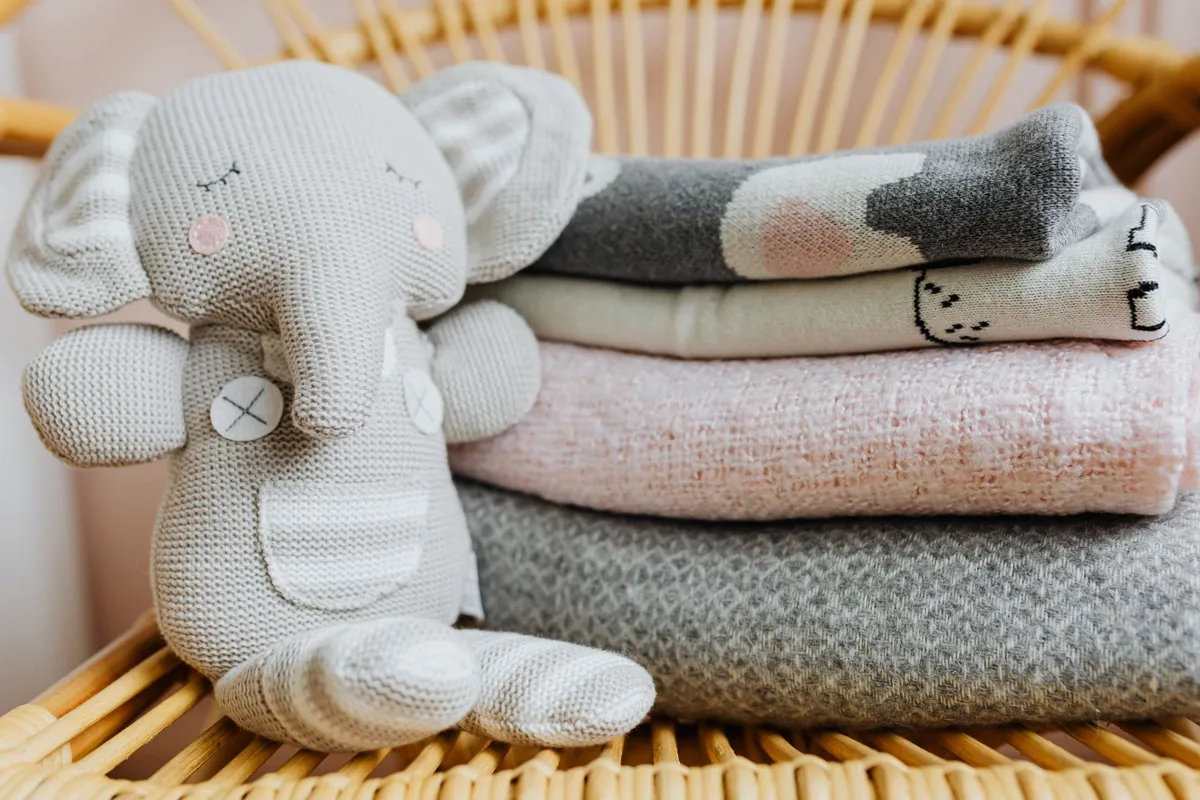
If you know a new parent, burp cloths are the most-used gift you can sew. Back a cotton print with absorbent flannel or terry, sew around, turn and topstitch. Prewash the fabric so they don't shrink later.
- Time: about 30 minutes
- Fabric: 1/3 yd cotton + 1/3 yd flannel or terry
- You'll learn: prewashing and topstitching
12. Pot Holders
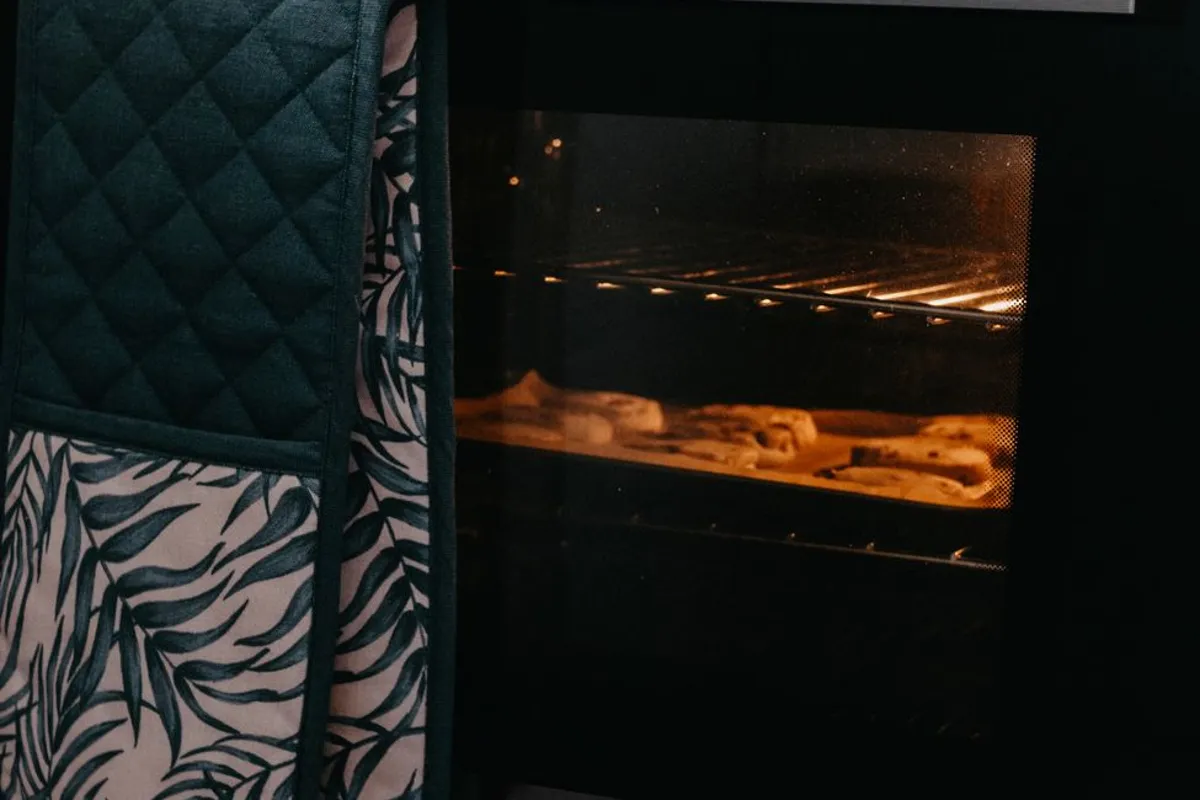
Use cotton fabric and a heat-resistant batting such as Insul-Bright with a layer of cotton batting. Bind the edges like a mini quilt and add a hanging loop. Avoid polyester batting here - it can melt.
- Time: about 45 minutes
- Fabric: 2 fat quarters + heat-resistant batting
- You'll learn: binding an edge
13. Simple Apron

An apron is a rectangle with hems, a waistband and ties - big enough to feel like a real garment and still easy to fit. Add a patch pocket on the front to practice sewing a pocket on straight.
- Time: 1 to 2 hours
- Fabric: 1 yd cotton canvas, duck or linen blend
- You'll learn: patch pockets and ties
14. Elastic-Waist Pajama Pants
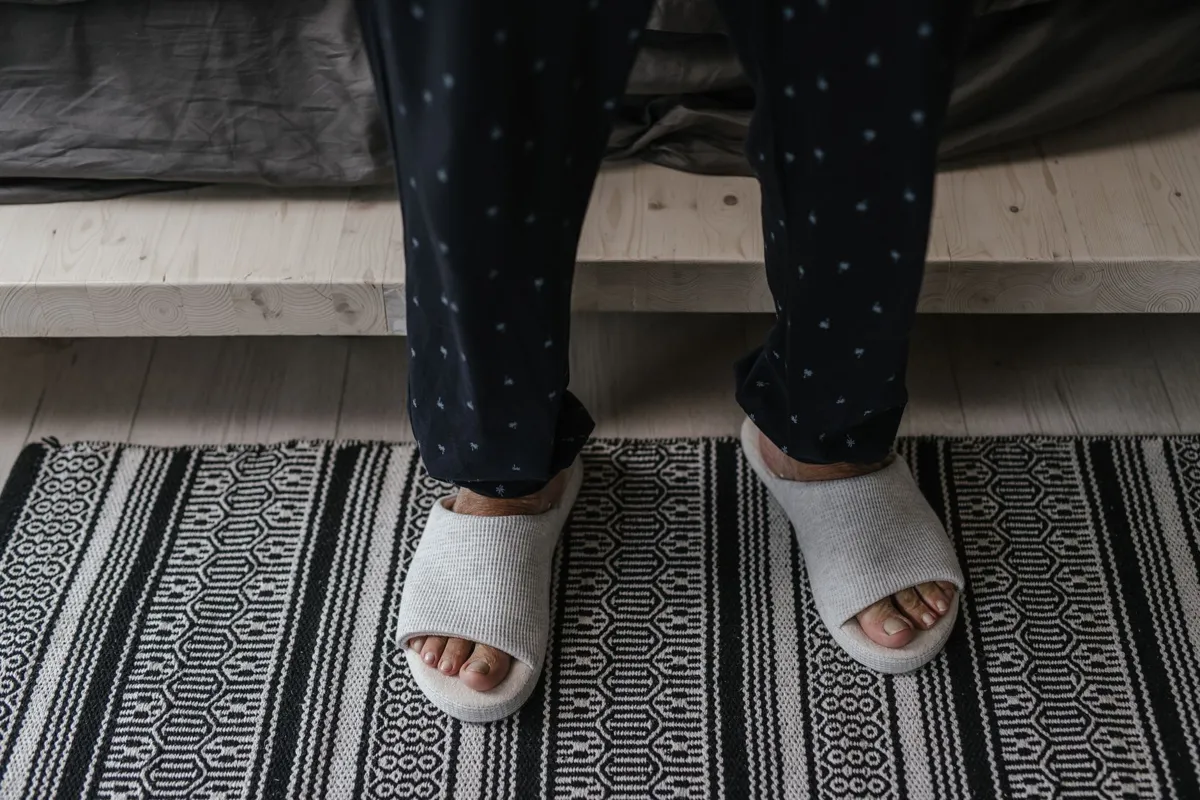
Your first real garment. Pajama pants have no zipper, no buttons and a loose fit, so small mistakes don't show. Use flannel or cotton lawn, an existing pair as a pattern guide and 1-inch elastic in the waist casing.
- Time: 2 to 3 hours
- Fabric: about 2 to 2.5 yd of flannel or cotton
- You'll learn: crotch seams and following a garment pattern
15. Infinity Scarf
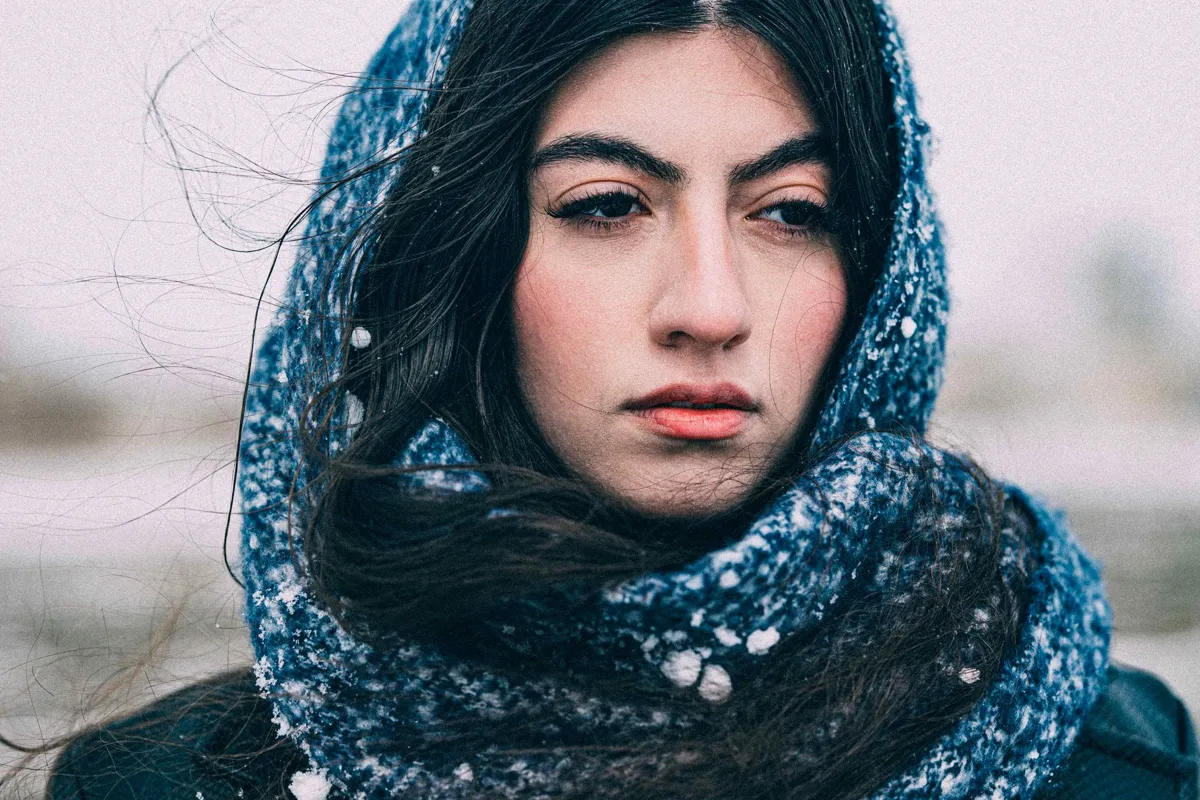
An infinity scarf is one long tube joined into a loop - and it's a gentle first try at knit fabric. Use a ballpoint needle and a narrow zigzag so the seams stretch with the fabric. Jersey or a cozy double brushed poly work well.
- Time: about 30 minutes
- Fabric: 1 yd jersey knit
- You'll learn: sewing knits with a ballpoint needle
What to sew after these 15
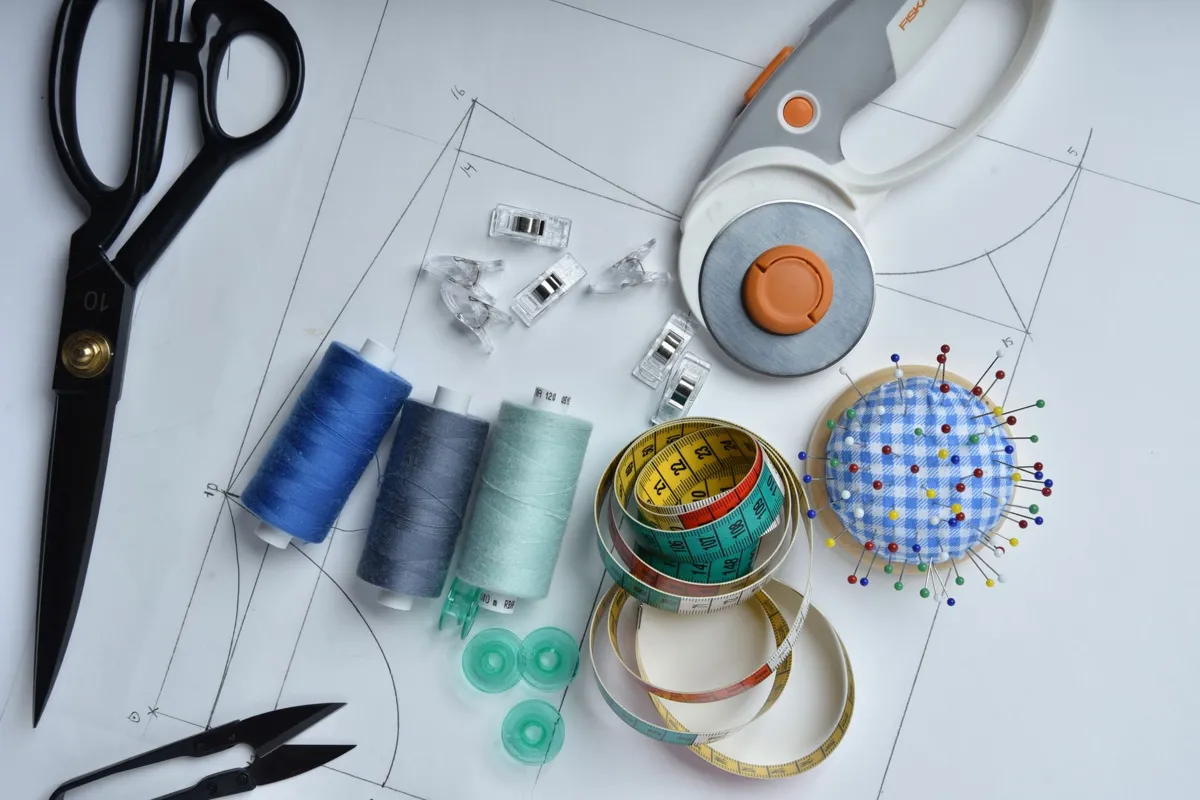
Once you have made a zipper pouch and pajama pants, you can read almost any beginner pattern. Good next steps are a simple skirt with an elastic waist, a lined tote with pockets, or your first patchwork quilt.
Keep a scrap box - half the projects on this list use pieces too small for anything else.
Still wondering?
What is the easiest thing to sew for a beginner?
A scrunchie or cloth napkins. Both use straight seams only and take under 20 minutes each, so you finish something on your first day.
What fabric is best for beginner sewing projects?
Quilting cotton. It's stable, easy to press, doesn't slip and comes in thousands of prints. Cotton canvas is a good second choice for bags.
Do I need a serger for these projects?
No. Every project here can be sewn on a regular sewing machine with a straight stitch and a zigzag. A zigzag along raw edges stops fraying.
Which sewing needle should beginners use?
A universal 80/12 for cotton, a 90/14 or jeans needle for canvas and bag straps, and a ballpoint needle for knit fabric.