Cotton vs Linen Fabric: Which Cloth Suits Your Project?
For cotton vs linen fabric, linen suits light summer garments and cotton suits quilts, structure and tight budgets. Linen drapes, cools and wrinkles; cotton holds a crisp line, sews easily and costs less. Pick linen for a dress or blouse, cotton for a quilt or a first project.
On this page (9 sections)
- Fit check
- The short version
- Cotton vs linen fabric: the short answer
- Fibre and weave: what each cloth is made of
- Drape, hand and wrinkles: how each fabric behaves on the body
- Sewing each one: needle, thread, stitch and seams
- Care, shrinkage and cost by the yard
- Which fabric to buy for your project
- Still wondering?
Part of our guide on linen vs cotton shirt comparison

LinenBuy Watercolor Rose Pure 100% Linen Fabric Digitally
Gives you pure 100% linen medium-weight washed cloth (the full cooling, drape and lived-in look you want for
Check it on Amazon
Simple&opulence 100% Linen Fabric by the Yard
Provides 100% natural linen by the yard for summer garments, giving the same pure-linen cooling and drape as
See this alternative
Simple&opulence 100% Linen Fabric by the Yard
Made from '100% natural linen' so it gives pure-linen breathability and drape for summer clothing needs.
See this alternative| Product | linen content (%) | Verdict | |
|---|---|---|---|
| LinenBuy Watercolor Rose Pure 100% Linen Fabric Digitally Printed LINENBUY | 100% linen reported in the product bullets vs required 100% | Meets it | View on Amazon |
| Simple&opulence 100% Linen Fabric by the Yard Simple&Opulence | 100% Natural Linen stated in the bullets vs required 100% | Meets it | View on Amazon |
| Simple&opulence 100% Linen Fabric by the Yard Simple&Opulence | '100% Natural Linen' stated in the bullets vs required 100% | Meets it | View on Amazon |
| Simple&Opulence 100% Nature Pure Linen Fabric 78 Inch by The Yard Simple&Opulence | Advertised as '100% Nature Pure Linen' in the title/bullets vs required 100% | Meets it | View on Amazon |
| Simple&Opulence 100% Nature Pure Linen Fabric 78 Inch by the Yard Simple&Opulence | Described as 'Pure Linen' / 'natural-fiber linen' and 'linen' repeatedly (100% implied in title/bullets) vs required 100% | Meets it | View on Amazon |
Key figures
- Best for summer clothes
- Linen
- Best for quilts
- Cotton
- Linen width
- Varies by supplier
- Quilting cotton width
- Around 44 to 45 inches
- Prewash
- Always, both fibres
- Needle for linen
- 80/12 or 90/14
The short version
- Match the fabric to the project, not to the fibre.
- Linen drapes and cools but wrinkles and frays; cotton holds shape and sews easily.
- Prewash both before cutting, and wash linen cool.
- A 55% linen blend keeps most of the drape with easier care.
- Buy linen by the yard for dresses; buy cotton muslin for toiles.
Cotton vs linen fabric: the short answer
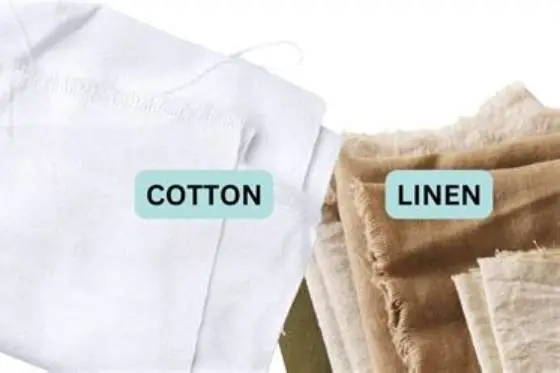
For cotton vs linen fabric, the choice starts with the project, not the fibre. A summer dress wants drape and air, and linen gives both. A quilt wants a stable cloth that holds a seam and takes a print, and cotton gives that. Neither cloth wins everywhere, so match the fabric to the thing you are making, and the answer is usually clear.
Linen comes from flax, a tall plant with long, strong fibres. Cotton comes from the soft boll of the cotton plant, with short, fluffy fibres. Those two plants make cloths that feel different, sew different and wear different. Linen feels crisp at first and softens with every wash. Cotton feels soft at once and stays that way, which is why beginners love it.
This page compares the two fabrics the way a sewist buys them: by the yard, for a named project. It covers weave and weight, drape and wrinkles, needle and thread, care and cost, and it ends with what to buy for each project. The pick is a pure linen for summer garments, and the budget buy is a cotton muslin for toiles and practice. If you sew, start with the project list further down, and work back from there.
Fibre and weave: what each cloth is made of
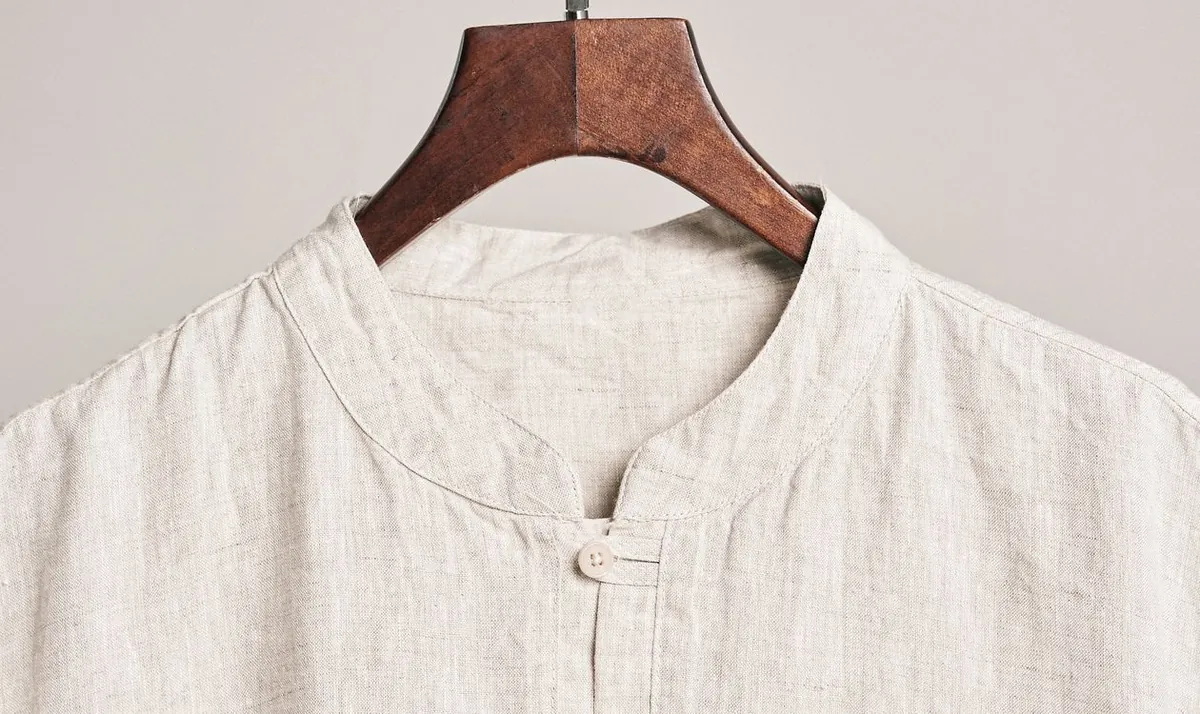
Linen is woven from flax fibres, which are long, straight and strong. The weave is usually plain, with a visible texture and small thick spots called slubs, where the yarn varies in thickness. Those slubs are not faults. They are the sign of real linen, and they give the cloth its lived-in look. Cotton is woven from short fibres into many weaves. Plain weave suits quilting cotton, twill suits denim, sateen gives a smooth shine, and lawn suits a light blouse. Before you commit to anything, it is worth looking at does washing cause polyester shrinkage.
Weight and width decide how much fabric you need. Medium-weight linen typically falls in a moderate range, so check the mill or shop for the fabric's weight or GSM. Confirm width on the listing, since common widths vary by supplier. Many quilting cottons are sold around 44 to 45 inches wide. Compare that with the linen's listed width, since a wider linen can reduce yardage for full skirts. Run the yardage through a calculator before you buy. A wide cloth saves money on a full skirt, and a narrow one costs you an extra yard.
Thread count tells you little about linen. Linen counts run far lower than cotton counts, since flax yarns are thicker and the weave is looser. A high number on a linen label means nothing on its own. Judge linen by feel instead: it should feel crisp, a little dry, and cool to the touch. Judge cotton by its weave: quilting cotton feels firm and smooth, lawn feels light and soft, and canvas feels stiff and heavy. Feel beats numbers for both fibres.
LinenBuy Watercolor Rose Pure 100% Linen Fabric Digitally Printed Not-Dyed
Gives you pure 100% linen medium-weight washed cloth (the full cooling, drape and lived-in look you want for light summer dresses and blouses) as shown by its fibre content.
- Size 1x1.6 yards
- Height 0.36 inches
- Length 36.0 inches
Drape, hand and wrinkles: how each fabric behaves on the body
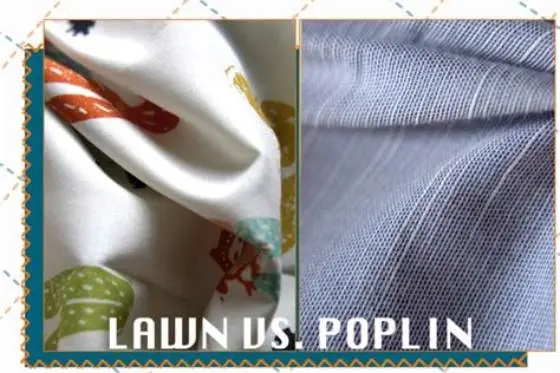
Linen drapes with a soft fall and a little body, which suits dresses, blouses and wide-leg trousers. It moves when you move, and it holds a shape without stiffness. Cotton drapes by its weave: lawn floats, poplin holds a line, and canvas stands up on its own. A cotton dress in poplin looks neat and tailored, while the same dress in linen looks relaxed and soft. Pick the drape first, and the fibre follows. We cover selecting fabric for warm weather in its own article.
Hand is how a fabric feels in your palm, and the two fibres start far apart. Linen feels crisp and a little rough when new, then softens with each wash until it feels like the most comfortable cloth you own. Cotton feels soft from the first touch, and it stays soft, which makes it the easy choice for baby clothes and bedding. A cheap linen stays scratchy, so feel the cloth before you buy, and wash a swatch before you judge it.
Wrinkles follow linen everywhere. The same stiffness that makes it strong also makes it crease, and a linen dress shows folds at the waist and elbows within hours. Cotton wrinkles less, and a cotton poplin dress holds its line through a long day. Blends split the gap: a cloth with just over half linen keeps most of the drape and cooling, with far fewer creases. If wrinkles would spoil the garment for you, buy the blend, not the pure linen.
| Project | Best fabric | Why |
|---|---|---|
| Summer dress or blouse | Linen | Drape, cooling, softens with wear |
| Quilt | Cotton | Stable, huge print range, easy seams |
| Shirt | Linen-cotton blend | Cooling with fewer wrinkles |
| Curtains | Linen | Drape and light handling |
| Children's clothes | Cotton | Soft, washable, cheap |
Simple&opulence 100% Linen Fabric by the Yard
Provides 100% natural linen by the yard for summer garments, giving the same pure-linen cooling and drape as the pick.
- Weight 13 oz
- Height 0.03 inches
- Length 78.0 inches
The dress wants linen, the quilt wants cotton, and the pattern usually knows which.
Sewing each one: needle, thread, stitch and seams
Linen frays, so sew it like a cloth that wants to come apart. Finish every seam, and use a French seam or an overlocked edge on anything that will be washed often. Cotton frays less, and a plain seam with a zigzag finish holds fine for most projects. Press as you go with both fibres, since a pressed seam is a strong seam, and linen presses best with steam.
Needle and thread are simple. Use a sharp 80/12 or 90/14 needle for medium-weight linen, and cotton or linen thread to match the fibre. For cotton, an 80/12 universal needle and a 50 wt cotton or polyester thread suit most weights. Use a slightly longer stitch length than for lightweight cotton, and test on a scrap. Start with a medium length, around 2.5 to 3.0 mm. Adjust it, shorter for fine fabrics and longer for heavy linen, until seams lie flat without puckering. Short stitches pucker linen, and long ones leave a weak seam.
Cut linen with care, and let it rest. Linen shifts on the cutting table, so pin it well, cut with the grain, and let the cut pieces rest overnight before you sew them. Cotton cuts cleanly and stays put, which is one reason beginners start with it. Wash the cloth the way you will wash the garment, press it, and then cut. A dress cut from unwashed cloth can lose a size in the first wash, and no seam will fix that.
- Wash the cloth cool on a gentle cycle, the way you will wash the garment.
- Dry it on the line or on low, then press it while it is still slightly damp.
- Measure a marked square before and after, and allow for any loss in the pattern.
- Cut with the grain, pin well, and let the pieces rest overnight.
Simple&opulence 100% Linen Fabric by the Yard
Made from '100% natural linen' so it gives pure-linen breathability and drape for summer clothing needs.
- Height 0.03 inches
- Length 78.0 inches
- Width 72.0 inches
Care, shrinkage and cost by the yard
Linen shrinks more than cotton, and it shrinks on the first wash. Even linen sold as pre-shrunk can lose a little more on its first home wash, so prewash is not optional for a garment. Cotton shrinks too, usually a little on the first hot wash, then settles. Wash both cool, dry both on the line or on low, and iron linen with steam while it is still damp. A hot dryer is the enemy of both, and of linen most of all.
Cost is where cotton wins outright. Linen costs more per yard than cotton, since flax is harder to grow, spin and weave, and good linen carries that cost into the cloth. The total fabric cost can be significantly higher depending on quality, so compare per-yard prices and required yardage before deciding. The extra money buys a dress that cools, drapes and lasts for years. If the budget is tight, or the project is a first attempt, cotton gives you the same pattern for less money. The muslin below is the cheapest way to practise.
Yardage is the hidden cost. Linen often runs wider than quilting cotton, so a full skirt can take fewer yards in linen. Compare the listed widths before you buy, since widths vary by supplier. Work out the total before you buy: multiply the yards by the price, and add a little extra for prewash loss. Allow a little extra for shifting while you cut, since linen moves on the table.

Simple&Opulence 100% Nature Pure Linen Fabric 78 Inch by The Yard
Lists as '100% Nature Pure Linen' in the title/bullets, giving the pure-linen fabric properties you need for light summer garments.
- Size 2 Yards
- Height 0.03 inches
- Length 78.0 inches
Which fabric to buy for your project
For a summer dress, blouse or tunic, buy pure linen, medium weight, washed finish. It is the cloth this page is about, and it softens with wear. Its honest limits are the wrinkles and the fraying: it creases as you wear it, and every seam needs finishing. Buy it when the garment matters, and when you will wear it often enough to earn the price back.
For a toile, a practice piece or a light summer project on a budget, buy cotton muslin by the yard. It is cheap, wide and easy to sew, and it takes a fitting without complaint. Its limit is the look: muslin is plain and a little rough, so it suits practice and simple garments, not a best dress. Buy it to test a pattern, to practise a technique, or to sew a simple summer top you will wear at home.
For everyday garments, the blend is the middle way. A cloth with just over half linen keeps most of the drape and cooling, with far fewer wrinkles. Some ready-made blends, such as Robert Kaufman Essex, sew more like cotton than pure linen. Check the vendor spec for exact fibre percentages, since blends vary. Skip linen for quilts that need a stable cloth, and for structured tailoring that needs a crisp hold. Skip it too for any project where the budget comes first. In those cases cotton is the right cloth, and the linen can wait for the next dress.
Linen for the dress, cotton for the quilt, and a blend when you want both.
Still wondering?
Which is better for a summer dress, cotton or linen?
Linen, for most summer dresses. It drapes, cools and softens with wear, and it suits loose, flowing styles. Cotton suits a structured dress that needs to hold a crisp line, and it costs less.
Does linen fray more than cotton?
Yes. Linen frays more than cotton, so every seam needs finishing: a French seam or an overlocked edge on anything washed often. Cotton holds a plain seam with a zigzag finish.
Can I quilt with linen?
You can, and many quilters use linen for a soft, textured quilt top. Cotton is the easier choice: it is stable, cheap, and comes in a huge range of prints. Linen suits a quilt meant to be soft and lived-in.
Is linen hard to sew for a beginner?
Linen is harder than cotton for a first project: it frays, shifts while you cut it, and needs prewashing. Start with cotton, and move to linen once you can finish a seam neatly. A linen-cotton blend is a kind first step into linen.