Which wool fabric fits your suit style, season, and sewing needs
Pick mid-weight worsted wool at 7-10 oz per linear yard at 58-60 inches wide for year-round suits. That is about 142-203 gsm at 60 inches wide. Choose 7-8 oz for summer and 11-13 oz for winter. Lining, heating, and climate affect warmth, so confirm gsm.
On this page (9 sections)
- Fit check
- The short version
- Best wool fabric for suits: quick pick by suit style and season
- Differences: wool fabric types for suits compared
- Weight and season: how heavy your wool should be
- Wool blends vs pure wool for suits: what to choose and why
- Texture and handling: sewing wool suiting at home
- Buying and care: choosing cloth you will enjoy sewing
- Still wondering?
Part of our guide on best fabric for hot humid weather
| Product | fabric weight (oz) | Verdict | |
|---|---|---|---|
| Tuva Textile 40 Yards Bolt of Real 100% Wool Fabric Suiting, (Micro Tuva Textile | 6 oz per linear yard at 59'' width vs 9 oz threshold | Meets it | View on Amazon |
| Tuva Textile Super 120 Merino Wool Tuva Textile | 6.5 oz per linear yard at 59'' width vs 9 oz threshold | Meets it | View on Amazon |
| Suiting Fabric high Quality Tweed Wool Brown,Black and Beige Plaids Puresilks | Weight 0.551155655 pounds but no fabric width or length for weight per yard | Not published | View on Amazon |
Key figures
- Year-round weight
- 8-10 oz per linear yard at 58-60 in
- Summer weight
- 7-8 oz per linear yard at 58-60 in
- Winter weight
- 11-13 oz per linear yard at 58-60 in
- Best drape
- worsted wool
- Easiest to sew
- wool-poly blend
- Needle size range
- 80/12 to 90/14 depending on fabric weight and machine
The short version
- Match fabric weight to season and climate: lighter weights for summer, mid-weights for most of the year, heavier weights for cold weather.
- Worsted wool presses sharp and drapes neatly; flannel and tweed soften the look but add bulk.
- Pure wool breathes and shapes well with steam; blends tolerate handling and pressing better.
- Use needle size and stitch length suited to your machine, fabric weight, and thread; test first on scraps.
- Press seams with steam and a press cloth to protect the fabric surface.
Best wool fabric for suits: quick pick by suit style and season
The best wool fabric for suits depends on the season and the sharpness of the look you want. A mid-weight worsted wool between 7 and 10 ounces per linear yard at 58-60 inches wide suits most year-round office wear. It holds a crease well, drapes without clinging, and presses flat. Weight guidance depends on lining, indoor heating, and your local climate.
Fabric weight often shows as ounces per linear yard at a specified width, usually 58-60 inches, or as grams per square metre (gsm). These units measure different things and are not directly interchangeable. To compare weights, ask the seller for gsm or confirm fabric width before comparing oz per linear yard. For example, 9 oz per linear yard at 60 inches wide equals about 200 gsm. Always verify width to avoid miscomparison.
For hot summer, choose lighter weights around 7-8 oz per linear yard in open weaves like tropical or fresco that breathe well. For cold winter, pick heavier flannel or serge between 11 and 13 oz per linear yard to retain warmth. Consider lining and layering for additional warmth. Always check your local climate and indoor heating before deciding.
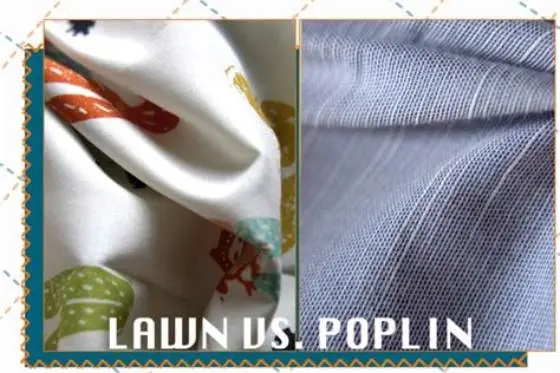
Style affects fabric choice, too. Smooth worsted suits formal business and wedding attire with clean lines. Brushed flannel gives a soft, matte finish suited for winter. Tweed works for casual jackets but adds bulk. For a first suit, navy or charcoal plain worsted wool is a reliable choice as it tailors easily and matches other garments. It helps to understand summer dress cotton poplin lawn before going further.
Before buying, examine the bolt end for fiber content and weight. Hold the fabric to light; if it’s too transparent for pants, select a heavier weight. Use your pattern envelope and fabric width to calculate yardage. Add extra fabric as your pattern instructions recommend, especially for nap or large plaids.
Differences: wool fabric types for suits compared
Wool suiting varies by weave and finish, which affect drape, shine, and sewing behavior. Worsted wool is combed to align fibers, creating long, smooth yarns low in lint. It weaves into gabardine, serge, and sharkskin with crisp press and visible stitching, favored for business suits.
Wool flannel is worsted wool brushed to raise nap, softening look and feel. It hides minor sewing imperfections and feels warmer at the same weight. Crepe and hopsack use twisted yarns and open weaves that breathe and resist wrinkles but may stretch when cutting. We cover skirts for summer or work wear in its own article.
Tweed, Donegal, and covert use woollen spinning with fuzzier yarns and looser weaves. They suit casual jackets but fray easily and add bulk at seams. Fresco and tropical wool are worsted yarns woven openly for airflow. They wrinkle less in heat and hold shape without lining.
In brief: smooth worsted for sharp looks, brushed for softness, open weave for breathability. Pick the texture that fits your occasion, then match weight to season.
| Fabric | Hand and Look | Best For | Sewing Note |
|---|---|---|---|
| Worsted gabardine/serge | Smooth, slight sheen, fluid drape | Business suits, year-round | Presses crisp; shows topstitching |
| Wool flannel | Matte, soft nap, warm | Winter suits, soft tailoring | Hides stitches; nap needs attention |
| Fresco / tropical | Dry, grainy, airy | Summer and travel suits | Resists wrinkles; can shift when cutting |
| Tweed / Donegal | Textured, flecked, bulky | Casual sport coats | Frays; grade seams and trim bulk |

Tuva Textile 40 Yards Bolt of Real 100% Wool Fabric Suiting, (Micro Check
Meets it
- Size 4 Yards
- Height 0.03 inches
- Length 59.0 Inches
Weight and season: how heavy your wool should be
Weight affects warmth and drape. Retailers often list wool suiting weight as ounces per linear yard at a specific width (usually 58-60 inches) or grams per square metre (gsm). These measure different things. To compare weights, confirm fabric width or ask for gsm. You can estimate gsm with this formula: gsm = (oz per linear yard × 1220.5) ÷ width in inches. For example, 9 oz per linear yard at 60 inches wide equals about 183 gsm. Always confirm fabric width to avoid mistakes. If that sounds like your situation, read up on rain jacket material next.
Lightweight suiting around 7-8 oz per linear yard suits hot weather or air-conditioned environments. Mid-weight suiting between 8-10 oz fits most seasons and indoor climates. Heavier wool, 11-13 oz per linear yard, suits cold weather, especially with lining and layering. Over 14 oz per linear yard is typically coat weight. These ranges depend on fabric width, lining, indoor heating, and your climate.
Sewing varies with weight. Lighter wool frays less but may ripple under the presser foot. Many home machines use size 80/12 needles for light worsted and 90/14 for heavier flannel. Stitch length between 2.5 and 3.0 mm works well, but test on scraps to adjust. Press seams with steam and a press cloth, especially for heavier weights.
When sellers list weight in ounces per square yard instead of per linear yard, clarify fabric width before comparing. Ounces per square yard measure weight per area and cannot be directly compared to ounces per linear yard without width. If in doubt, request gsm or weigh a fabric sample to calculate gsm yourself.

Tuva Textile Super 120 Merino Wool
Meets it
- Weight 6.5 oz
- Size 2 Yards
- Height 0.03 inches
The wrong wool weight makes a summer suit sweltering and a winter suit limp before you cut it.
Wool blends vs pure wool for suits: what to choose and why
Pure wool breathes, steams well, and recovers from wrinkles with pressing. A 100% worsted wool between 8-10 oz per linear yard will shape the sharpest lapels and drape smoothly. It requires careful care such as steaming, hanging, and dry cleaning. Washing hot or agitating can cause felting.
Blends trade some luxury for practicality. Wool-poly blends (often 45-70% wool) resist wrinkles, cost less, and fray less. Adding elastane (2-4%) improves comfort for fitted garments. Wool-silk blends add shine but need delicate pressing and can show water marks.
For beginners sewing at home, a 55-70% wool blend often feeds through machines more smoothly, holds press without scorching, and forgives minor seam imperfections. You lose some breathability and drape depth but gain stability. For a fully tailored showcase suit, pure wool is worth the extra care.
Check labels for fibre and care instructions. If it says dry clean only, follow that. Machine washing is usually unsuitable unless marked superwash or wool-poly blend, and even then test a swatch first. Pre-steam fabric before cutting to release shrinkage and let it cool flat.
- Pure wool: best drape, breathes, responds to steam
- Pure wool: needs careful pressing and dry cleaning

Tuva Textile Bolt of 100% Real Wool Fabric Suiting, (Pinstripes Style) Used
Meets it
- Size 4 Yards
- Height 0.03 inches
- Length 59.0 Inches
Texture and handling: sewing wool suiting at home
Texture affects how your sewing machine and iron behave. Smooth worsted shows every uneven stitch, so accuracy matters. Brushed flannel hides stitches but shifts under the foot due to its nap. Open weaves like fresco can grow during handling and require stabilizing and careful cutting.
Prepare your machine with a fresh universal needle size 80/12 to 90/14 and 50-weight polyester or cotton-wrapped polyester thread. Use stitch lengths between 2.5 and 3.0 mm. Avoid stretching the fabric while sewing. If puckering occurs, re-thread with the presser foot raised and reduce top thread tension slightly. Always test on scrap pieces with your interfacing.
Pressing is essential. Use steam, a press cloth, and a clapper or wooden point presser if available. Press seams open over a seam roll, then from the right side with a cloth to prevent shine. For fusible interfacing, test a scrap first for bubbling or show-through at the manufacturer’s recommended temperature.
Cut single layer for fabrics with nap, pile, or one-way patterns. Mark with chalk that brushes away easily. Stay-stitch curves such as lapels and necklines at 2.0 mm just inside the seam allowance to prevent stretching during assembly. Clean lint often as wool sheds fibers into your bobbin area.
- Pre-steam the wool by steaming and letting it cool flat, then square the grain.
- Cut single layer if fabric has nap; keep nap direction consistent on all pieces.
- Stay-stitch curved edges and test fusible interfacing on scrap before fusing.
- Sew with needle size 80/12 to 90/14, 50 wt thread, stitch length 2.5-3.0 mm.
- Press all seams open with a press cloth, then press from the right side.

Tuva Textile 40 Yards Bolt of 100% Real Wool Fabric Suiting Heather Green
Meets it
- Size 4 Yards
Buying and care: choosing cloth you will enjoy sewing
Buy fabric listings that clearly state fibre content, weight, and weave by name, not just color. Look for 100% wool or specific blends, weights given as oz per linear yard at specified width or gsm, and named weaves like gabardine, serge, flannel, or fresco. If any detail is missing, ask the seller before ordering. A swatch reveals hand and shine better than photos.
Use your pattern envelope and fabric width to plan yardage. Pattern instructions usually suggest extra fabric needed for nap or large plaids. Lay pattern pieces on the floor with width marked and measure length required. Add fabric according to your pattern’s guidance, often 10-15% extra for nap or pattern matching.
Proper care keeps your suit looking fresh. Hang on shaped hangers to maintain shape, brush after wearing, and air overnight before storing. Use steam to remove wrinkles rather than hard ironing, and dry clean sparingly. For spot cleaning, dab with cool water on an inner seam allowance first to check for marks.
You’ll know you chose well when the fabric cuts without shifting, feeds smoothly through the machine, and holds a pressed edge. Fabric that resists cutting will resist sewing, so test swatches before committing to yardage.
For a first home-sewn suit, an 8-10 oz per linear yard worsted wool or a 55-70% wool blend offers the best mix of drape, pressing quality, and sewing forgiveness.
Still wondering?
Is Super 110s or Super 150s better for a first suit?
Super numbers indicate fibre fineness in microns, not overall quality. Super 110s to 130s balances durability and ease of pressing, making them suitable for beginners. Super 150s feels silkier but wrinkles easily and wears faster, so reserve it for later projects.
Do I need to line a wool suit?
At minimum, half-line jackets and fully line pants or skirts. Lining protects the wool, eases dressing, and hides seam allowances. Lightweight wool around 7-8 oz especially benefits from lining for opacity and structure.
Can I wash wool suiting at home?
Most suit wool is dry clean only. Washing risks felting and damage. Superwash or some wool blends may tolerate gentle handwashing in cool water and air drying, but always test a swatch first.
What interfacing works with wool suiting?
Use woven fusible interfacing matched to fabric weight or sew-in hair canvas for tailored lapels. Fuse at the manufacturer’s recommended temperature with a press cloth. Test a scrap first to avoid bubbling or show-through.
How much wool suiting do I need for a suit?
Yardage depends on size, style, and fabric width. Use your pattern envelope and the fabric’s actual width, usually 58-60 inches (147-152 cm), for calculations. Add extra fabric per pattern instructions for nap or plaids.