Why machine quilting nests and which thread weight fixes it
Use 50 wt polyester or cotton-wrapped polyester thread with an appropriately sized needle (80/12 for 50 wt) for machine quilting. This weight balances strength and smooth feeding, reducing nests caused by tension or needle mismatch.
On this page (9 sections)
- The short version
- Thread weight choices: 40wt, 50wt, and finer for piecing vs quilting
- Fiber types: cotton vs polyester vs cotton-wrapped polyester
- Needle size pairing and why mismatches cause issues
- Top and bobbin thread matching: when to use different weights
- Fixing tension and bobbin thread nesting when quilting through batting
- Walking foot vs free-motion differences in thread choice and feed
- What kind of thread to use for machine quilting
- Still wondering?
Part of our guide on best sewing machine for quilting
Key figures
- Common quilting thread weight
- 50 wt
- Needle size for 50 wt
- 80/12
- Thread type reducing lint
- Polyester
- Bobbin thread weight
- Same as top
- Tension check frequency
- Every project
- Typical batting thickness
- 0.5-1 inch
The short version
- Thread weight affects strength and lint: 50 wt suits most quilting layers.
- Polyester or cotton-wrapped polyester threads reduce lint and breakage.
- Match needle size to thread weight: 80/12 for 50 wt, 70/10 for finer threads.
- Top and bobbin thread weights should match or be close to avoid nests.
- Adjust tension and clean your machine regularly to prevent thread nests.
Thread weight choices: 40wt, 50wt, and finer for piecing vs quilting
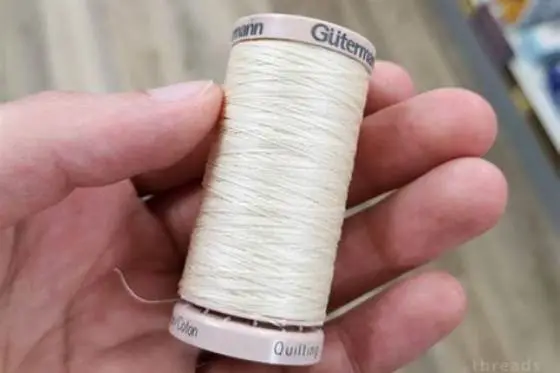
Machine quilting thread weight mostly falls between 40 wt and 60 wt. The 'wt' means weight: higher numbers mean thinner thread. For quilting, 50 wt thread is most popular because it balances visibility, strength, and smooth feeding through multiple fabric layers.
A 40 wt thread is thicker and usually used for piecing, where durability and faster stitching matter more. Thicker thread also shows more, which some prefer for decorative quilting. Finer threads, like 60 wt and above, are very thin and less durable. These suit delicate quilting or detailed stitching but may break or cause skipped stitches if your machine tension isn’t perfect.
If your quilting sandwich has heavy batting or multiple layers, 50 wt gives strength without bulk. For lighter quilts or fine detailed quilting, finer threads suit better but watch for skipped stitches. Always match your needle size to thread weight to avoid breakage.
| Thread weight | Use case | Visibility | Durability |
|---|---|---|---|
| 40 wt | Piecing, decorative quilting | High | High |
| 50 wt | Machine quilting, general | Medium | Medium-High |
| 60+ wt | Fine quilting, embroidery | Low | Lower |
Fiber types: cotton vs polyester vs cotton-wrapped polyester
The fiber type affects thread strength, stretch, and lint buildup. Polyester thread usually has more stretch and strength, which helps when quilting thick layers or synthetic fabrics. It also produces less lint than cotton, reducing the chance of thread nests caused by lint buildup.
Cotton thread is traditional and has less stretch, which suits natural fiber quilts. It creates more lint, so machines need more cleaning after quilting. Cotton can break more easily if tension or needle size is off, especially on thick quilts.
Cotton-wrapped polyester thread combines the smooth feeding and strength of polyester with the natural look of cotton. It balances lint production and strength, making it popular for machine quilting.
Choose fiber based on your fabric layers and how often you can clean your machine. Polyester or cotton-wrapped polyester threads help reduce lint and issues during long quilting sessions. It helps to understand choosing needle size for quilting cotton before going further.
Needle size pairing and why mismatches cause issues
Matching needle size to thread weight is critical. Use an 80/12 needle for 50 wt thread. A needle that’s too small can shred heavier thread, causing breakage. Too large a needle can leave big holes and cause skipped stitches as the thread floats.
For finer threads (60 wt+), a 70/10 needle usually works better because it creates a smaller hole and matches the delicate thread size. For piecing thicker threads like 40 wt, an 90/14 needle may work better.
Wrong needle size leads to skipped stitches, breakage, or thread nests: tangled loops of thread under the quilt caused by uneven tension or thread shredding. There is more on best hand quilting thread in a separate guide.
Changing your needle with every project or every 6-8 hours of machine use helps prevent damage that causes these issues.
Choosing the right thread weight and needle size eliminates machine quilting nests and skipped stitches for smooth stitching.
Top and bobbin thread matching: when to use different weights
For smooth quilting without nests, the top and bobbin thread weights should match or be close. Using a much lighter bobbin thread under a heavier top thread can cause thread loops or nests on the underside.
If you must use a lighter bobbin thread, choose a quality bobbin thread designed for quilting, often finer but strong polyester. If the threads differ, adjust tension carefully and test.
In free-motion quilting, matching weights reduce the chance of tension imbalances causing loops. In walking foot quilting, some quilters prefer slightly lighter bobbin thread to reduce bulk but test for nests.
Always run a test sandwich with your chosen threads to check for nests, skipped stitches, or tension issues before starting a full quilt.
Fixing tension and bobbin thread nesting when quilting through batting
Thread nests often mean tension is off. The top tension usually needs adjustment when quilting thick batting sandwiches. Too loose, and the thread loops under; too tight, it breaks thread.
Bobbin tension also affects thread nesting. Most machines have fixed bobbin tension, but cleaning lint, using the right bobbin thread, and checking the bobbin case help.
Clean lint from the bobbin area every 2 hours of quilting or after finishing a quilt to reduce nests. Use a lint remover or brush. Re-thread your machine with the presser foot raised to reset tension before testing again.
If you still see nests, try decreasing top tension slowly or changing bobbin thread weight to better match the top thread. Always test on a fabric sandwich with batting.
Walking foot vs free-motion differences in thread choice and feed
A walking foot quilting machine feeds fabric layers evenly, letting you use slightly heavier threads like 40 wt or 50 wt without skipped stitches. It also tolerates thread with more body since the feed helps prevent thread pull.
In free-motion quilting, you move fabric manually, so lighter threads (50-60 wt) with smoother finish reduce drag and skipped stitches. The feed dogs are lowered or covered, so thread tension and needle choice must be precise to avoid breaks.
Walking foot machines allow for heavier threads because feed dogs control fabric. Free-motion machines need thread that glides easily and needles matched carefully to avoid needle heating or shredding the thread.
Adjust your thread choice based on your quilting technique. Test tension and thread feeding on your actual sandwich each time you change thread type or quilting method.
| Aspect | Walking foot quilting | Free-motion quilting |
|---|---|---|
| Thread weight | 40-50 wt common | 50-60 wt preferred |
| Thread type | Stronger/polyester blends | Smooth cotton/poly blends |
| Needle size | 80/12 or 90/14 | 70/10 or 80/12 |
| Thread feed | Machine feeds fabric | Manually moved fabric |
What kind of thread to use for machine quilting
The best thread for machine quilting is 50 wt polyester or cotton-wrapped polyester thread matched with an 80/12 needle. This thread weight and fiber balance strength, smooth feeding, and low lint for most quilting sandwiches with batting around 0.5 to 1 inch thick.
Use matching or close weight bobbin thread to avoid thread nests. Adjust top tension carefully, clean lint regularly, and test your sandwich before quilting. For finer detail quilting, you may prefer 60 wt thread with a 70/10 needle.
Check your needle size and thread weight every time you switch thread. Use the Needle & Thread Finder tool on our site to pick the right combination by your fabric and batting thickness.
If nests or breaks persist, test your tension and clean your bobbin area. Replace needles often. Getting these settings right is the key to smooth machine quilting.
Still wondering?
Can I use the same thread weight for quilting and piecing?
You can, but it's not ideal. Piecing often uses thicker 40 wt thread for strength, while quilting usually works best with 50 wt for smooth stitching through layers.
Why does my thread break or get nests when quilting thick batting?
Thread breakage and nests often mean tension or needle size aren’t matched to your thread weight and batting thickness. Cleaning lint and adjusting tension usually fixes this.
Is polyester thread better than cotton for quilting?
Polyester thread stretches more and creates less lint, which helps prevent nests on long quilting sessions. Cotton has less stretch but more lint, needing more machine cleaning.
How often should I change my needle when machine quilting?
Change needles every 6-8 hours of machine quilting or with each new project to prevent dullness that causes skipped stitches and thread damage.
Can I use a lighter bobbin thread than top thread?
Yes, but the bobbin thread should be close in weight to the top thread. Very light bobbin thread with heavy top thread can cause nests and tension problems.