Which fabric weight makes trousers drape without bagging at the knee
For most trousers pick a mid-weight woven at 200-270 GSM (6-8 oz/sq yd) with good recovery. That weight drapes cleanly without bagging at the knee, while lighter cloth bags and heavier cloth feels hot indoors.
On this page (9 sections)
- Fit check
- The short version
- Best fabric for trousers: the weight that drapes without bagging
- Weight: what GSM suits summer vs winter vs formal trousers
- Weave: how weave and drape change hang, crease and bagging at the knee
- Fibre: which fibres breathe, insulate, pill or go shiny with wear
- Stretch: how much stretch and recovery trousers need and what fails without it
- Test: how to test hand, drape and wash care before cutting trouser cloth
- Still wondering?
Part of our guide on staying cool without fabric cling

Tuva Textile Super 120 Merino Wool
Stops trousers bagging at the knee with 220 GSM merino wool that recovers and keeps its crease all day.
Check it on Amazon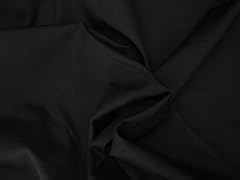
Black Cotton Twill Spandex Fabric by The Yard (Chino Material)
Prevents knee bagging with 250 GSM cotton stretch that holds its crease and gives with 2% spandex.
See this alternative
Tuva Textile 40 Yards Bolt of 100% Real Wool Fabric Suiting
Keeps knees from bagging and holds a crease with 203 GSM wool that drapes for indoor formal wear.
See the budget option| Product | fabric weight (GSM) | Verdict | |
|---|---|---|---|
| Tuva Textile Super 120 Merino Wool Tuva Textile | 6.5 oz/sq yd x 33.9 = 220.4 GSM meets 200 GSM | Meets it | View on Amazon |
| Black Cotton Twill Spandex Fabric by The Yard (Chino Material) KH130 Koshtex | 250 GSM published meets 200 GSM | Meets it | View on Amazon |
| White 7 oz. Cotton-Poly Stretch Denim Twill Woven Fabric By the Yard Fashion Fabrics Club | 7 oz/sq yd x 33.9 = 237.3 GSM meets 200 GSM | Meets it | View on Amazon |
| Tuva Textile 40 Yards Bolt of 100% Real Wool Fabric Suiting Heather Tuva Textile | 6 oz/sq yd x 33.9 = 203.4 GSM meets 200 GSM | Meets it | View on Amazon |
| Tuva Textile 40 Yards Bolt of Real 100% Wool Fabric Suiting, (Micro Tuva Textile | 6 oz/sq yd x 33.9 = 203.4 GSM meets 200 GSM | Meets it | View on Amazon |
Key figures
- Summer weight
- 150-200 GSM (4.5-6 oz)
- Everyday/Formal
- 200-270 GSM (6-8 oz)
- Winter weight
- 270-340 GSM (8-10 oz)
- Stretch for recovery
- 2-4% elastane
- Needle for mid-weight
- 80/12 to 90/14, 40-50 wt thread
- Bagging test
- Knee bend 50x, check recovery
The short version
- Use 150-200 GSM for summer, 200-270 GSM for everyday and formal, 270-340 GSM for winter.
- Twill and crepe drape better than plain weave and hold a crease longer.
- Wool recovers from knee bagging, cotton and linen need a little stretch to match it.
- Test wash and knee-recovery on a 12 inch swatch before you cut.
Best fabric for trousers: the weight that drapes without bagging
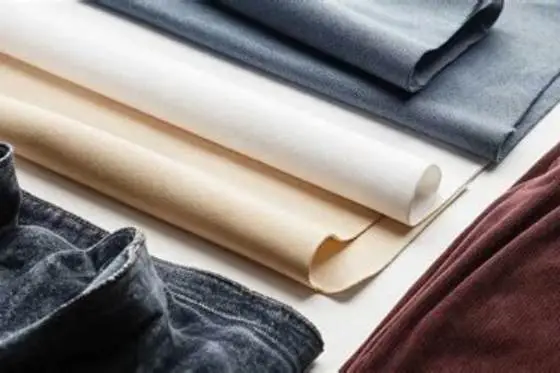
You want the best fabric for trousers that hangs straight, holds a front crease and does not puff out at the knee after an hour of sitting. The fix is weight plus recovery, not just fibre. A cloth around 200-270 GSM with GSM measured as grams per square metre will drape under its own weight and spring back when you stand.
A 200-240 GSM cloth in a twill or crepe weave usually gives that clean drape for indoor wear at 18-22°C. It is heavy enough to fall straight from the hip, but light enough to breathe. What it depends on is weave and fibre. A loose plain weave at the same GSM will feel lighter and bag sooner.
Lightweight fabric under 150 GSM in plain weave looks airy on the bolt but bags quickly at the knee and shows every pocket line. Heavy coating over 340 GSM drapes well but traps heat and makes summer trousers unwearable. That is the trade you are choosing between.
I would choose 230 GSM wool twill for formal trousers and 210 GSM cotton with 3% elastane for everyday pairs. That balance gives drape without bulk. Remember this rule of thumb: if it does not recover after you scrunch it, it will not recover at your knee either. Weight sets the hang, recovery keeps it. The other half of this decision is preventing sheer spots in skirts.
Weight: what GSM suits summer vs winter vs formal trousers
Summer trousers need 150-200 GSM in GSM when you will wear them above 25°C or outdoors a lot. At that weight linen, lightweight wool and cotton poplin breathe and dry fast. The cost is less drape, so pick a tighter weave to help the cloth fall.
Winter trousers need 270-340 GSM in GSM when you want insulation and a deep drape for cold rooms and outdoor walking. Flannel, heavy wool twill and brushed cotton sit in this band. They hold a crease well because the extra mass pulls the leg straight. They can feel warm indoors above 21°C.
Formal trousers live in the middle at 200-270 GSM in GSM for year-round office wear. That band holds a crease, resists knee bagging and still presses crisply. Most suiting you see labelled 7-8 oz/sq yd sits here, which converts to about 237-271 GSM. Check the listing for GSM or oz/sq yd before you buy. The other half of this decision is what weight holds shape in water.
Everyday cotton and uniform trousers do well at 200-260 GSM with a twill weave. That weight survives weekly washing without going limp. Lighter than 180 GSM and seams pucker after washing, heavier than 280 GSM and you will overheat on stairs. Your climate decides where in the range you land.
| Use | Weight (GSM) | Weight (oz/sq yd) | Drape and heat |
|---|---|---|---|
| Summer | 150-200 | 4.5-6 | Airy, needs tight weave for drape |
| Everyday / Formal | 200-270 | 6-8 | Balanced drape and crease hold |
| Winter | 270-340 | 8-10 | Warm, deep drape, can overheat indoors |
Tuva Textile Super 120 Merino Wool
Stops trousers bagging at the knee with 220 GSM merino wool that recovers and keeps its crease all day.
- Weight 6.5 oz
- Size 2 Yards
- Height 0.03 inches
Weave: how weave and drape change hang, crease and bagging at the knee
Weave decides hang more than fibre does at the same weight. A twill weave with its diagonal line in twill lets yarns slide a little, so the cloth falls in a smooth column and a crease presses sharp. That is why serge and gabardine trousers look neat all day.
Twill gives you drape plus durability because the floats protect the surface. Plain weave like poplin or broadcloth has a tight over-under structure that feels crisp but resists drape. It can look flat and it shows bagging sooner at the knee because it does not spring back as well. People in this spot often ask about best fabric for aprons as well.
Plain weave at 180 GSM often feels stiffer than twill at 220 GSM, even though it is lighter. The tighter interlacing holds shape until you bend it, then it stays bent. If you love cotton poplin for summer, accept more pressing and choose a slightly heavier 190-210 GSM to help it hang.
Crepe and hopsack weaves add texture that hides small wrinkles and helps recovery. They drape softly and resist shine. Sateen weaves look smooth but can go shiny at the seat with wear. The next fibre choice decides how that weave behaves after washing.
- twill drapes and holds crease, resists bagging
- crepe hides wrinkles and shine
- plain weave bags sooner at same weight
- sateen can shine at seat and knee
Black Cotton Twill Spandex Fabric by The Yard (Chino Material) KH130
Prevents knee bagging with 250 GSM cotton stretch that holds its crease and gives with 2% spandex.
- Size yard
- Height 0.03 inches
- Length 44.0 inches
Knee bagging is not about fit, it is about cloth weight and recovery you can test in 60 seconds.
Fibre: which fibres breathe, insulate, pill or go shiny with wear
Wool breathes and insulates across seasons at 200-270 GSM in GSM because the fibre crimps and traps air without feeling clammy. It recovers from knee bends, holds a crease and resists odour. It can pill under friction at the thighs if the yarn is soft, and it needs gentle washing or dry cleaning, which matters for care.
Cotton breathes well in heat and washes easily, but it holds wrinkles and bags at the knee unless blended. A 100% cotton twill at 240 GSM will look crisp after pressing, then soften and bag by afternoon. Adding 2-4% elastane or choosing a tighter weave improves recovery a lot. Cotton also fades faster with hot washing.
Linen feels coolest above 28°C and dries quickly, but it wrinkles and loses a crease fast. Pure linen under 200 GSM bags and creases within an hour of wear. Blends with cotton or viscose at 170-210 GSM drape better and wrinkle less, while keeping airflow. Expect more pressing if you choose pure linen.
Polyester resists wrinkles and shines less when blended at 30-50%, but 100% polyester can look shiny at the seat and trap heat. Poly-wool blends often give the best compromise for hard-wearing formal trousers. They breathe less than wool alone, yet they hold shape and need less pressing after washing.
- Wool: best recovery and crease hold, pills if yarn is soft, needs cool wash or dry clean
- Cotton: breathable and washable, bags without stretch, fades with hot wash
- Linen: coolest, wrinkles most, blends improve drape
- Polyester blend: wrinkle resistant, can trap heat and shine if 100% poly

White 7 oz. Cotton-Poly Stretch Denim Twill Woven Fabric By the Yard
Resists bagging at the knee with 237 GSM stretch denim twill that keeps shape while giving with 2% spandex.
- Weight 1.3 pounds
- Size 2 yard pre cut
Stretch: how much stretch and recovery trousers need and what fails without it
Stretch feels forgiving when you sit, but recovery decides whether trousers bag. A cloth with 2-4% elastane in elastane content usually gives 10-20% stretch with quick snap-back for fitted and slim trousers. That range lets you bend the knee without the fabric staying stretched.
Recovery is the spring-back after stretch, and it matters more than how far the cloth stretches. Poor recovery shows as a bubble at the knee and a wavy waistband after a day. Test it by stretching a 4 inch (10 cm) strip to 5 inch (12.5 cm) and releasing. Good trousering snaps back within a second.
Too much stretch ruins drape and crease. Above 5% elastane or knit-like wovens the leg clings, the front crease softens and seams ripple after washing. Below 1% stretch in a non-wool cloth you get tightness when you sit and then bagging where it strained. Wool can get away with less stretch because the fibre itself recovers.
Choose 2-3% elastane for everyday cotton trousers and 1-2% for wool blends where the weave already recovers. Use a 80/12 to 90/14 needle in needle size and 40 wt to 50 wt thread, with a slightly longer stitch of 3.0-3.5 mm to avoid puckering stretch wovens. The wrong needle leaves skipped stitches and stretched seams that never recover.
Tuva Textile 40 Yards Bolt of 100% Real Wool Fabric Suiting Heather Green
Keeps knees from bagging and holds a crease with 203 GSM wool that drapes for indoor formal wear.
- Size 4 Yards
Test: how to test hand, drape and wash care before cutting trouser cloth
Cut a 12 by 12 inch (30 by 30 cm) swatch and check hand, drape and wash care before you buy yards. Hand is how the cloth feels when you scrunch it, drape is how it falls from your hand, and recovery is how fast wrinkles release. These three predict bagging better than any label.
Wash that swatch exactly how you will wash the trousers, then press and measure it. Many cottons shrink 2-5% in length and some wools felt if washed hot. If the swatch changes hand, goes shiny or pills after one wash, the trousers will too. Do not skip this step.
Test drape by hanging the swatch over your forearm and looking at the fold. A good trouser cloth forms a smooth U without sharp kinks. Test knee bagging by wrapping the swatch over your knee, bending 50 times, then laying it flat. If the bubble stays after 10 minutes, pick a heavier weight or a blend with recovery.
Measure yardage after washing, not before. Use the Fabric Yardage Calculator on this site to enter your pattern pieces and fabric width after shrinkage and it works out the yards to buy. That avoids coming up short when a cotton twill loses 2 inch (5 cm) per yard in the wash.
- Buy or request a 12 inch swatch. Scrunch it hard for 10 seconds, release and time recovery. Good cloth smooths in 5 seconds.
- Wash and dry the swatch as you will the trousers. Press, then measure length and width for shrinkage.
- Hang swatch over forearm to judge drape. Look for a clean fall, not a stiff board or a limp rag.
- Knee test: wrap over knee, bend 50 times, lay flat. No bubble after 10 minutes means good recovery.
- Check shine and pilling by rubbing the swatch with white cotton 20 times. Shine or pills now means shine or pills later.
For year-round trousers that drape and do not bag, buy 200-270 GSM twill or crepe with good recovery and wash-test first.
Still wondering?
What GSM should I pick if I run hot but want formal trousers?
Pick 200-230 GSM in a wool or poly-wool twill. It holds a crease without the heat of 270 GSM flannel. A crepe weave also hides wrinkles if you press less.
Can I use quilting cotton for trousers?
It is usually 120-150 GSM in plain weave, so it bags and shows pockets. It works for loose pull-on lounge pants but not for tailored trousers that need drape and a crease.
How do I stop trousers going shiny at the seat?
Shine comes from flattened fibres, often with sateen weaves or 100% polyester. Choose twill or crepe, press with a cloth and lower heat, and avoid high polyester content. Brushed weaves hide shine longer.
Do I need stretch for a relaxed fit?
Less so. Relaxed fits need less stretch because there is ease at the knee and seat. Wool at 240 GSM often needs no elastane. Fitted trousers benefit from 2-4% elastane for recovery.
What needle and stitch for trouser fabric?
Use 80/12 for 150-220 GSM and 90/14 for 230-340 GSM, with 40-50 wt polyester thread. Sew at 3.0-3.5 mm and press seams open for a clean drape.