Which burp cloth fabric still soaks after a dozen hot washes
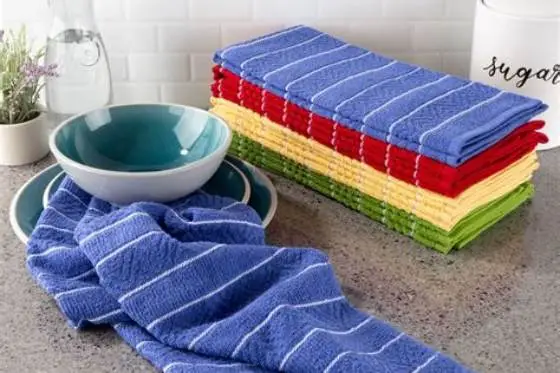
The best fabric for burp cloths that still soaks after a dozen hot washes is cotton flannel or birdseye, ideally layered with a hidden terry or flannel core. Flannel and birdseye typically pull in water faster than plain cotton and single gauze and stay soft.
On this page (9 sections)
- Fit check
- The short version
- Best fabric for burp cloths: what still soaks after hot washes
- Absorbency speed: timing and amount for each fabric
- Softness after washes: pilling and stiffness changes
- Shrinkage: how much fabric shrinks and why prewashing matters
- Layered combos: best stacks without bulk
- Embroidery and sewing: puckering, stabilizer, and seam bulk
- Still wondering?
Part of our guide on staying cool without fabric cling

EOVEA - 100% Cotton Flannel Fabric by The Yard – Soft Brushed
Can't confirm it will soak spit-up quickly — no soak speed rating is shown.
Check the specs on Amazon
| Product | soak speed (relative) | Verdict | |
|---|---|---|---|
| EOVEA - 100% Cotton Flannel Fabric by The Yard – Soft Brushed Flannel EOVEA | No soak speed or absorbency level published - only 'moisture absorption' without rating | Not published | View on Amazon |
| RTC Fabrics 42"/43" Wide 100% Cotton Flannel Solid White Color DIY RTC Fabric | No soak speed or absorbency level published - only 'moisture absorption' without rating | Not published | View on Amazon |
| RTC Fabrics 42"/43" Wide 100% Cotton Flannel Solid White Color DIY RTC Fabric | No soak speed or absorbency level published - only 'moisture absorption' without rating | Not published | View on Amazon |
| JOSNAAN 59”W Cotton Flannel Fabric JOSNAAN | No soak speed or absorbency level published - only 'wicking away mild moisture' without rating | Not published | View on Amazon |
Key figures
- Best all-around
- Cotton flannel or birdseye
- Soak speed
- Varies; test with a teaspoon on a prewashed swatch
- Shrinkage
- Varies; test a 6-inch square after washing
- Needle for flannel
- 80/12 universal
- Prewash
- Hot wash + hot dry; test your own fabric
- Bulk-free combo
- Birdseye + terry core
The short version
- Flannel and birdseye typically absorb quickly after many hot washes; plain cotton and single gauze absorb slower.
- Prewash hot and dry hot, then cut. Shrinkage varies widely by fabric and finish; test your fabric.
- For soak without bulk, layer birdseye plus one terry or flannel core, not two terry layers.
- Birdseye and flannel embroider cleanly with light stabilizer; terry loops can snag and show through embroidery.
Best fabric for burp cloths: what still soaks after hot washes
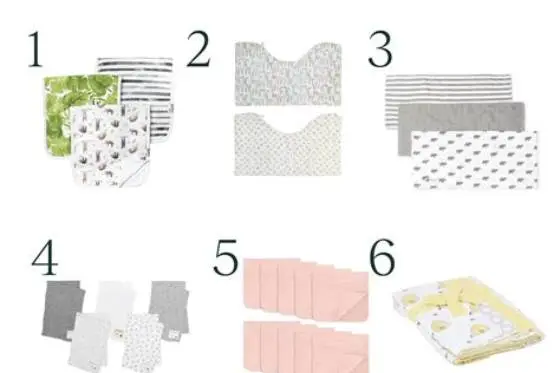
Cotton flannel that is double-napped and birdseye diaper cloth typically absorb water faster than quilting cotton or single-layer gauze after many hot washes. Absorbency depends on fabric weave, fiber finish, and whether fabric softener was used since softener coats fibers and slows absorbency. You want fabric that pulls spills in quickly, not one that beads milk on top.
If the baby spits up often, you'll notice the difference. Flannel and birdseye usually pull in water faster. Terry often absorbs fastest but adds bulk and can shed lint. Plain quilting cotton and single-layer gauze soak slower and can leave wet spots. Test your fabric by placing a teaspoon of water on a prewashed swatch and timing how fast it soaks in. Good fabric spreads water quickly and leaves a wide damp patch.
Choose cotton flannel for a soft gift set. Birdseye with a terry core works well for maximum soak without stiffness. Flannel feels cuddly against cheeks. Birdseye trims cleanly and stays flat. Terry soaks fast but adds bulk and lint risk. Measure fabric scraps before cutting, and use a fabric yardage calculator to convert piece size and width to yards. This helps balance soak speed and fabric softness.
- stays soft after hot washes
- absorbs liquid quickly
- easy to cut and sew
- shrinkage varies widely by fabric and finish
- napped surface can pill with rough drying
Absorbency speed: timing and amount for each fabric
Terry usually absorbs water fastest, followed by flannel and birdseye. Quilting cotton typically absorbs slowest and may initially bead water. The amount of water each fabric holds varies with weight, weave, and finish. Single gauze absorbs less and feels wet longer. Speed and absorbency depend on fabric and care. There is more on fabric best for dish towels in a separate guide.
Soft feel alone does not predict absorbency. Brushed flannel feels plush dry, but some napped cottons treated to look smooth soak slowly. Birdseye has a textured weave with tiny diamond pockets that help pull in liquid. Chenille and fleece feel cozy but repel water at first and then stay damp in small areas.
Test your own fabric stack with a teaspoon and stopwatch. Use the same spoon and swatch size each time. Time how long the water takes to disappear and blot the back to see if water passes through. If the back stays dry, the baby’s shoulder stays dry too. This simple test also helps predict how embroidery shows through, which is discussed later.
- Terry absorbs fastest and holds most liquid but adds lint and bulk.
- Flannel absorbs quickly and feels soft but can pill with wear.
- Birdseye absorbs quickly, is thin, and trims cleanly.
- Gauze and quilting cotton feel soft but absorb slowly.
EOVEA - 100% Cotton Flannel Fabric by The Yard – Soft Brushed Flannel for
Can't confirm it will soak spit-up quickly — no soak speed rating is shown.
- Size 2 Yard
- Height 0.03 inches
- Length 43.0 Inches
Softness after washes: pilling and stiffness changes
After several hot washes with medium tumble dry, flannel usually stays soft with light surface fuzz. Birdseye remains smooth with minimal pilling. Terry becomes plusher but sheds lint in early washes. Stiffness occurs if you wash hot then air-dry without tumble drying or use too much detergent. Cotton feels stiff until tumbled briefly or rinsed with vinegar to remove residues. Water hardness and detergent amount affect softness as much as fiber type. There is more on prewash fabric before sewing in a separate guide.
Pilling happens when short fibers break and form tiny balls. Loosely spun flannel pills more than tightly woven birdseye. Terry pills most on the loops. Pilling starts along edges and rub areas. A fabric shaver removes pills. Tighter weave fabrics pill less. Birdseye keeps a newer look longer.
Heat also affects softness. High dryer heat can bake cotton fibers, making fabric feel crisp, especially if over-dried. Dry until just done, then shake out. If air-drying, toss cloths in the dryer for a few minutes afterward. This softens them without using fabric softener, which cuts absorbency.
- birdseye stays smooth with little pilling
- flannel stays cuddly if tumbled briefly
- terry sheds lint during first washes
- over-drying stiffens any cotton

RTC Fabrics 42"/43" Wide 100% Cotton Flannel Solid White Color DIY Crafting
- Height 0.1 inches
- Length 43.0 Inches
- Width 42.0 inches
Soft dry fabric can still bead milk like a raincoat after many hot washes, while the right weave pulls it in quickly.
Shrinkage: how much fabric shrinks and why prewashing matters
Shrinkage varies widely by manufacturer and finishing, so test your fabric sample before cutting. Cotton flannel and terry typically shrink noticeably after the first hot wash and dry. Birdseye shrinks less, and quilting cotton less still. For example, a 20-inch burp cloth can lose an inch or more if unwashed before cutting. Unwashed fabric can cause puckered seams and shorter finished cloth. The other half of this decision is sewing baby blankets that stay warm.
Avoid these problems by treating fabric exactly as parents will wash it. Wash hot at a temperature safe for your fabric and dry hot, then press lightly. Cotton shrinks mostly on the first wash, with some more shrinkage later. If serging and turning, add extra length to your cut pieces. Prewash binding fabric too if using quilting cotton to prevent ripples.
Flannel grain can twist after washing, so true the grain before cutting. Gently tug the bias and press. Birdseye is more stable but also benefits from prewashing. Gauze shrinks unevenly and can become wavy, making it less neat for burp cloths. Once size is stable, choose layers that soak without becoming bulky.
- Cut a 6-inch test square and mark its length with a pen.
- Wash the square hot with detergent and no fabric softener, then tumble dry hot if safe for fabric.
- Measure the square again and calculate shrinkage.
- Prewash all yardage the same way, press it, then cut final pieces longer if shrinkage is significant.

New brothread Tear Away Embroidery Stabilizer 12" x 50 Yd Roll
Helps keep your flannel and birdseye flat and pucker-free while you embroider.
Layered combos: best stacks without bulk
A single layer of flannel or birdseye soaks for light dribbles but wets through on bigger spit-ups. Double layers with a hidden core hold spills better. The ideal stack has two outer layers and one absorbent core. Thickness depends on fabric weight and pressing; expect birdseye core stacks to be noticeably thinner than double terry.
Two terry layers with an outer layer can feel bulky and stiff at seams. The best combos balance soak and sewing ease. Birdseye on top and bottom with a terry core sews flat, trims cleanly, and hides lint. Flannel on both sides with a flannel core feels very soft and soaks well but pills sooner. Flannel plus birdseye without a core looks neat and embroiders well but soaks less, so reserve it for light use or as a pretty top layer over hidden terry.
Reduce bulk at seams by grading the inner layer smaller, clipping corners, and pressing layers well. Use an 80/12 universal needle and 50 wt cotton or polyester thread. Serging is fast but adds a ridge that may press on a baby’s cheek. Turned and topstitched edges lie flatter. If serging, trim core out of the seam allowance so the overlock stitches only two layers.
- Light use: flannel plus birdseye, no core, trims neat.
- Everyday soak: birdseye plus terry core, best soak per thickness.
- Softest gift: flannel plus flannel core, cuddly hand.
| Stack | Thickness pressed (relative) | Soak capacity (relative) | Sewing and hand |
|---|---|---|---|
| Birdseye + terry core + birdseye | Thin to moderate | High soak, fast | Flat, low bulk, low pilling |
| Flannel + flannel core + flannel | Moderate | Good soak, soft | Very soft, more fuzz |
| Flannel + birdseye, no core | Thin | Moderate soak | Thin, great for embroidery |
| Single flannel | Very thin | Light soak | Thin, wets through |
| Double terry + flannel top | Thick and bulky | Very high soak | Bulky seams, linty |
Embroidery and sewing: puckering, stabilizer, and seam bulk
Birdseye and flannel embroider cleanly with a light tear-away stabilizer and a 75/11 or 80/12 embroidery needle. Terry loops snag and show through. Terry needs a water-soluble topper plus a firmer stabilizer. Puckering happens when fabric stretches under stitches or dense fill pulls it in. Birdseye hardly stretches, so it holds embroidery well. Flannel has some stretch from the nap. Hoop it without stretching and use a light spray of temporary adhesive. Terry and gauze shift more and pucker unless floated.
Show-through is another concern. Dark terry shadows through light birdseye, and dense designs sink into terry loops. For terry soak, hide it as a core and embroider only the outer birdseye or flannel. Use 40 wt rayon or polyester embroidery thread on top and 60 wt bobbin thread below. Test your design on a washed scrap with the same stabilizer and needle. This test shows if needles leave visible holes.
Fraying and bulk affect seam finishes. Birdseye frays moderately but presses well. Flannel frays more and benefits from serged or zigzagged seam allowances if not turned. Terry frays least but creates the thickest seams. Serging is fastest. Turning and topstitching 1/8 inch from edges gives the flattest seams for cheeks and shoulders. Use 50 wt thread, lengthen stitch to 3.0 mm on thick stacks, and press each layer before assembly. Clean lint often from the bobbin area when sewing terry.
- Birdseye: low stretch, crisp embroidery, use light tear-away stabilizer.
- Flannel: soft with slight stretch, use light tear-away and light hooping.
- Terry: textured loops, needs topper and firmer stabilizer, better as hidden core.
- Prewash and press all layers hot, then cut outer pieces larger than the core.
- Hoop a light tear-away stabilizer with the outer fabric without stretching and stitch a test name.
- If loops show or stitches sink, add a water-soluble topper and retest.
- Assemble layers with the core centered, grade core smaller, turn edges, and topstitch close to edges.
Choose birdseye or flannel fabric, add one hidden terry or flannel core for good soak without bulk, and prewash hot before cutting. Test your own fabric for absorbency and shrinkage to ensure the best result.
Still wondering?
Can I use quilting cotton for burp cloths if I already own it?
Yes, but expect slower absorbency and wet-through. Back quilting cotton with flannel or birdseye and add a terry or flannel core. Wash hot first so fabrics shrink together.
Do I need to prewash birdseye diaper cloth?
Yes. Wash hot at a temperature safe for your fabric and tumble dry hot before cutting. Birdseye shrinks less than flannel or terry but still benefits from prewashing. Skipping prewash leaves fabric shorter and layered seams puckered.
What stitch length and needle should I use for thick layered burp cloths?
Use an 80/12 universal needle or 90/14 if your machine strains. Use 50 wt thread and a slightly longer stitch length around 3.0 mm. Press well and grade the core out of the seam allowance to reduce bulk.
How do I prevent embroidery puckering on flannel?
Hoop a light tear-away stabilizer with flannel without stretching. Use a 75/11 or 80/12 embroidery needle and temporary adhesive spray. Test your design on a washed scrap first.
Will fabric softener make burp cloths softer without hurting absorbency?
Fabric softener makes cloths feel slick initially but coats fibers with wax, slowing absorbency for several washes. Instead, tumble dry for a few minutes after air-drying or use a vinegar rinse to remove residue.