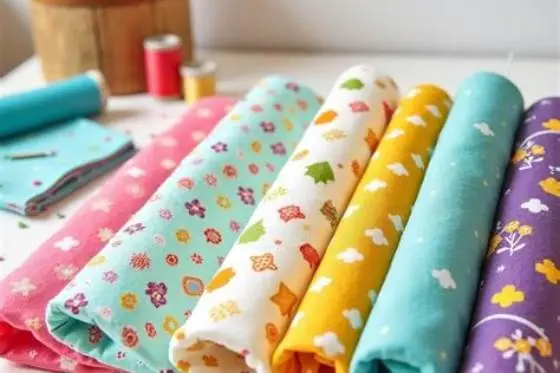
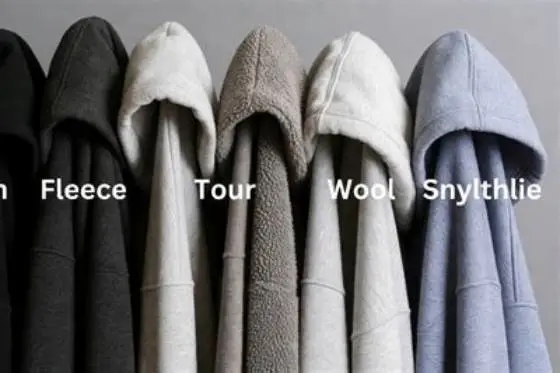
Which fabric won't slip or stretch on your first project
Choose medium-weight quilting cotton for beginner sewing projects. It feeds straight under a standard presser foot, resists slipping and stretching, and minimizes puckering. Avoid slippery or stretch fabrics until you gain confidence.
On this page (8 sections)
- The short version
- Which weaves and weights feed straight on a basic home machine
- Why quilting cotton works first and where cotton still puckers
- Which fabrics to avoid first (knits, satin, chiffon, velvet) and how each fails
- How to test stretch, slip, and fray by hand in the store
- How much to buy, what width to expect, and why to prewash before cutting
- Best fabric for beginner sewing projects
- Still wondering?
Part of our guide on staying cool without fabric cling
Key figures
- Quilting cotton weight
- 4-6 oz/yd²
- Fabric width range
- 42-44 inches
- Needle size for cotton
- 80/12 EU/US
- Prewash temperature
- Cold to warm water
- Stretch test
- Less than 5% stretch
- Slip test
- Low surface glide
- Common thread weight
- 50 wt polyester
The short version
- Quilting cotton feeds evenly and is easiest to handle on a home machine.
- Woven fabrics with medium weight usually avoid stretching and slipping.
- Test fabric stretch and slip by pulling and sliding it in-store before buying.
- Prewash all fabric to prevent future shrinkage and distortion.
- Avoid knits, satin, chiffon, and velvet on your first project due to handling challenges.
Which weaves and weights feed straight on a basic home machine
Fabrics that feed straight under your presser foot usually have a plain weave and medium weight. Quilting cotton is a prime example, weighing roughly between 4 and 6 ounces per square yard (135-200 grams per square meter). This weight balances stability with easy handling.
Plain weave means the threads cross at right angles in a simple over-under pattern. This keeps the fabric stable and less likely to slip or stretch as you sew. Heavier fabrics like denim feed well but may strain a machine not designed for thick fabrics.
Lightweight fabrics such as voile or lawn often feed unevenly because their thin threads shift under the foot. Avoid ultra-light or very loose weave fabrics on your first projects, as they cause puckering or fabric pull.
Why quilting cotton works first and where cotton still puckers
Quilting cotton is cotton fabric made specifically for quilts, with a balanced tight weave that feeds evenly. It rarely shifts beneath the foot, so stitches stay regular and edges meet without fuss. It helps to understand best beginner sewing fabric before going further.
This fabric’s smooth surface and moderate thickness reduce common problems like puckering, which is when fabric gathers or wrinkles around the stitch. However, cotton can still pucker when sewn with mismatched needle or thread sizes or if the tension is off.
Puckering often happens along bias or curved seams because the fabric naturally stretches slightly on the diagonal. For your first projects, choose simple shapes with seams aligned to the grain to avoid this. Using a fresh 80/12 (EU/US) universal needle and 50 weight thread minimizes puckers.
Cotton still puckers more along bias edges because the diagonal threads are less tightly bound. For example, a 12-inch bias seam can stretch up to half an inch if pulled or sewn too tightly. Testing a scrap by cutting a bias strip and pulling gently shows this stretch clearly. People in this spot often ask about picking weight your machine handles as well.
Sewing with a slightly longer stitch length, around 3 mm, helps reduce puckering because the fabric has room to settle between stitches. A shorter stitch length compresses the fabric, increasing puckers. You can test stitch length on scraps by sewing rows at different lengths to see which looks smoothest.
When puckering occurs, check if your presser foot pressure is too high. Too much pressure can push the fabric down unevenly, especially on thinner cottons. Adjust your machine's pressure or use a walking foot for better feed control if puckers persist.
| Fabric Type | Feed Behavior | Pucker Risk | Best Uses |
|---|---|---|---|
| Quilting Cotton | Feeds straight and smooth | Low when machine set up properly | Beginner projects, quilting |
| General Cotton (broadcloth) | Can feed unevenly if light | Moderate on curves and bias | Shirts, dresses, careful handling needed |
Which fabrics to avoid first (knits, satin, chiffon, velvet) and how each fails
Knits stretch under the foot, causing stitches to skip or fabric to ripple. They require special stretch needles and often a walking foot, which beginners usually don’t have.
Satin is slippery and shiny; it feeds unevenly and tends to shift, causing bent seams and puckering. Its surface reflects light, making stitching errors easy to spot but hard to fix.
Chiffon is very lightweight and slippery, with a loose weave that frays quickly. It bunches and slips unless handled with tissue paper or stabilizers.
Velvet’s pile surface drags unevenly under the foot, and its thickness varies across the fabric, causing stitch length to change. It also leaves lint in your machine, requiring frequent cleaning.
| Fabric | Feed Behavior | Common Issues | Handling Needs |
|---|---|---|---|
| Knit | Stretches and ripples | Skipped stitches, puckering | Stretch needle, walking foot |
| Satin | Slips and shifts | Bent seams, puckers | Sharp needle, stabilizer |
| Chiffon | Slips and frays | Bunching, edge fray | Stabilizer, tissue underlay |
| Velvet | Uneven feeding | Variable stitch length, lint | Frequent cleaning, special foot |
This guide uniquely tests fabric slip, stretch, and feed to tell you which fabrics stay flat under your first sewing machine foot.
How to test stretch, slip, and fray by hand in the store
Before buying, test your fabric by gently stretching it along the grain and across the grain. If it stretches more than 5% in any direction, it’s a knit or has stretch fibers and may be tricky for beginners.
Rub the fabric between your fingers to see how much it slips. If it slides easily or feels slippery, expect feeding issues. Quilting cotton and similar woven fabrics feel stable and resist sliding.
Check for fraying by pulling a small thread at the cut edge or between your thumb and finger. If the fabric unravels quickly or threads pull apart, plan to use stabilizers or avoid it for your first project.
These hands-on checks save wasted money and frustration, especially for beginners.
Stretch tests can be more precise by measuring the fabric before and after a gentle pull. For example, measure a 4-inch strip, stretch it gently, and see if it grows beyond 4.2 inches (more than 5% stretch). This quantifies fabric elasticity and helps you decide if it’s beginner-friendly.
Slip can be tricky to detect on fabrics with a slight sheen. Rub the fabric surface against your nails or a coin to feel slipperiness more clearly. If the fabric shifts easily under this test, expect it to slide during sewing and cause uneven seams.
Fray rate varies widely; some loosely woven fabrics fray after just a few pulls, while others take dozens. If you see threads unraveling after 5-10 tugs, the fabric needs stabilizing or a different finishing technique like pinking shears or binding on your project edges.
- Stretch test: pull fabric gently in different directions
- Slip test: rub fabric surfaces between fingers to feel sliding
- Fray test: tug edge threads to check unravelling speed
How much to buy, what width to expect, and why to prewash before cutting
Most quilting cotton bolts are 42-44 inches (107-112 cm) wide. Estimate yardage using a fabric yardage calculator online, inputting your pattern pieces and fabric width.
Always buy 10-20% extra to allow for cutting mistakes, shrinkage, and pattern matching if needed. This buffer helps you avoid frustrating shortages.
Prewash fabric before cutting because cotton and many other fibers shrink 3-5% when washed. Prewashing prevents your finished project from shrinking or distorting after making it.
Wash according to fiber type directions, usually gentle cycle in cold or warm water. Dry as recommended to avoid damage.
Learn to read fabric care labels and test washing on fabric scraps if unsure.
- Measure your project’s fabric needs with a yardage calculator.
- Add 10-20% extra fabric for errors and shrinkage.
- Prewash fabric using recommended settings.
- Iron fabric flat before cutting to maintain accurate dimensions.
- Cut fabric pieces according to your pattern.
Best fabric for beginner sewing projects
Your safest choice for a first project is medium-weight quilting cotton. It feeds straight through your home sewing machine, resists slipping and stretching, and holds stitches well.
Choose 100% cotton quilting fabric weighing 4-6 ounces per square yard for best results. Pair it with a universal 80/12 needle and 50 weight polyester thread for smooth stitching.
Avoid complicated fabrics that slip or stretch until you master machine control and tension adjustments. Once confident, expand to denim, knits, or silky fabrics with the right tools.
The right fabric reduces frustration, saves time, and builds your sewing confidence quickly.
Not all quilting cottons are equal. Some designer prints use thinner cotton or blends that behave less predictably. Stick to plain or tartan patterns from reputable quilting suppliers for your first projects; these tend to be more consistent in weight and weave.
You can also try home decor weight cottons, which weigh around 7-8 ounces per square yard. These feed well and have a bit more body, making them good for bags or cushions. But they are stiffer and less forgiving, so quilting cotton remains best to learn on.
Once comfortable with quilting cotton, try a cotton-linen blend with about 70% cotton and 30% linen. It offers a soft texture and slight drape but maintains enough stability for beginner projects. Test these blends first as they sometimes fray more than pure cotton.
Medium-weight quilting cotton is the best first fabric; it balances ease of feeding, stability, and stitch quality.
Still wondering?
Can I sew knits as a beginner?
Knits tend to stretch and slip, causing skipped stitches and puckering. Beginners should avoid them until they learn to use stretch needles and stabilizers.
Why does my cotton fabric pucker sometimes?
Puckering often happens if needle or thread size is wrong, tension is off, or seams run on bias. Use an 80/12 universal needle and 50 wt thread, and sew with seams parallel to grain.
Is prewashing always necessary?
Yes, to prevent shrinkage and color bleeding after sewing. Prewash fabric as you plan to wash finished garments or projects.
What needle size is best for quilting cotton?
A universal 80/12 (EU/US) needle suits most quilting cottons. It pierces smoothly without damaging the fabric.
How do I stop fabric from slipping under the foot?
Use a new universal needle, lower presser foot pressure if adjustable, and choose stable woven fabrics like quilting cotton. Tissue paper under slippery fabrics helps too.