Sewing Machine vs Hand Sewing: What Each One Does Best
A sewing machine beats hand sewing on speed by a wide margin. A practised hand makes tens of stitches a minute, while a standard home machine runs in the hundreds. Hand sewing still wins the small jobs: hems, buttons, basting and repairs.
On this page (9 sections)
- Fit check
- The short version
- Sewing machine vs hand sewing: the speed gap in plain numbers
- The pick for switching: Brother CS7000X
- The heavy-cloth alternative: Singer 4423 Heavy Duty
- The budget way in: Brother XM2701
- Control: the jobs hand sewing still wins
- Cost, space and learning: who should buy a machine
- Still wondering?
Part of our guide on computerized sewing machine vs manual

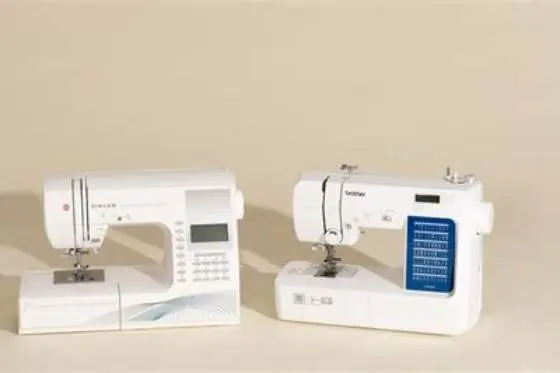
Brother CS7000X Sewing and Quilting Machine LCD Display
If you want a machine that will make long seams take minutes instead of evenings, this one brings 70 built-in
Check it on Amazon
For a hand sewer curious whether a cheap machine will speed things up, this model includes 27 built-in
See the budget option| Product | built-in stitches | Verdict | |
|---|---|---|---|
| Brother CS7000X Sewing and Quilting Machine LCD Display Brother | 70 built-in stitches available (fallback compared to 23 stitches minimum) | Meets it | View on Amazon |
| Brother XM2701 Sewing Machine Brother | 27 built-in stitches available (fallback compared to 23 stitches minimum) | Meets it | View on Amazon |
Key figures
- Hand speed
- 20-40 stitches a minute
- Machine speed
- 600-900 stitches a minute
- Clothing stitch density
- 10-12 stitches per inch
- Pick top speed
- 750 stitches a minute
- Budget top speed
- 800 stitches a minute
- Heavy-duty top speed
- 1,100 stitches a minute
The short version
- Machine stitching is far faster than hand stitching; a machine completes many times more stitches a minute than hands do.
- Hand sewing wins hems, buttons, basting and small repairs.
- Buy a machine when whole garments are a regular job, not a rare one.
- Test the speed control in the shop; it matters more than the stitch count.
- Keep both skills: the machine does the seams, your hands do the finishing.
Sewing machine vs hand sewing: the speed gap in plain numbers
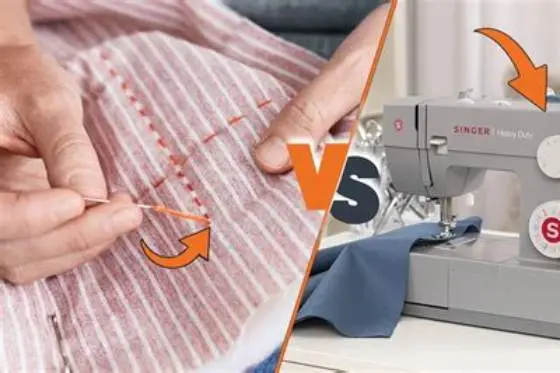
A sewing machine sews a straight seam far faster than your hands can. A practised hand sewer makes tens of stitches a minute. A standard home machine runs hundreds of stitches a minute. That gap decides most of the argument before anything else is said.
Take a 40 inch seam at 10 stitches per inch. That seam needs 400 stitches. Your hands need about 13 minutes of steady stitching. A machine finishes the stitching itself in under a minute. Speed is measured in stitches per minute, and the maths is that simple.
Threading a machine and winding a bobbin takes minutes. Threading a hand needle takes seconds. A two inch tear is fixed by hand before the machine is even threaded. A dress, a pair of curtains or a quilt top is hours of hand work and well under an hour on a machine.
There is more to it than speed. A machine stitch is even, every time, and that evenness holds a seam together under wear. Hand stitches vary with your attention, and a tired hand leaves loose stitches. The sections below weigh what speed buys against what control costs. Before you commit to anything, it is worth looking at choosing between janome singer brother.
| Job | By hand | By machine |
|---|---|---|
| 40-inch straight seam | about 13 minutes | under a minute of stitching |
| Two-inch tear repair | a few minutes | longer, once setup counts |
| Trouser hem | half an hour, neat and invisible | a few minutes, stitching shows |
The pick for switching: Brother CS7000X
Buy the CS7000X when you sew by hand today and want the switch to feel easy. It is computerized, so stitch choice happens on an LCD screen instead of dials you have to learn. It offers dozens of built-in stitches, and its top speed sits in the several-hundred stitches a minute range. The maker's spec sheet lists the exact numbers.
Speed control is the part that matters most to a hand sewer. The machine lets you cap the top speed, so the needle never runs away from you while you learn to guide fabric. A walking foot and a wide table come in the box, and both help on quilts and long seams. The automatic needle threader takes over the fiddliest part of setup.
Its limit is power. A computerized machine with a plastic frame will not punch through many layers of denim or leather the way a metal machine does. If your sewing stays with cotton, linen and light wool, that limit never shows. For heavy cloth, the Singer below is the better buy.
This is the pick because it answers the two worries hand sewers name first: setup faff and runaway speed. Thread it once, set the speed low, and sew a practice seam on scrap cotton. The speed control is the feature to test in the shop, not the stitch count.
Brother CS7000X Sewing and Quilting Machine LCD Display
If you want a machine that will make long seams take minutes instead of evenings, this one brings 70 built-in stitches which shows it's a full-featured machine suitable for much faster work than hand sewing.
- Size CS7000X
- Length 7.0 inches
- Height 12.0 inches
The heavy-cloth alternative: Singer 4423 Heavy Duty
Singer's 4423 is a mechanical machine, so every setting is a dial you turn by hand. It offers a limited set of practical stitches and runs at a higher top speed suited to dense fabrics. Its frame is metal, and that weight keeps it steady when the needle meets thick cloth.
Heavy cloth is where this machine earns its place. Denim hems, canvas bags and layered seams go through without the needle stalling or the fabric bunching. The high top speed sounds fast, and it is, but the foot pedal gives you the whole range from a crawl to full speed.
Dials suit some hands better than screens. There is nothing to scroll through and no menu to remember. The trade is stitch choice: 23 stitches cover straight, zigzag, blind hem and buttonholes, and little else. Decorative stitching is not this machine's job.
Choose the Singer when your sewing includes thick fabric or when you want a machine that feels like a tool, not a gadget. It weighs more than the Brother machines here, so it stays on the table rather than travelling to a class. For light garments alone, the cheaper Brother below does the same work.
Brother XM2701 Sewing Machine
For a hand sewer curious whether a cheap machine will speed things up, this model includes 27 built-in stitches so it meets the basic machine capability test and will sew far faster than hand stitching.
- Length 5.9 inches
- Height 12.0 inches
- Width 15.3 inches
The machine does in a minute what your hands do in a quarter of an hour, and still cannot sew on a button.
The budget way in: Brother XM2701
Brother's XM2701 is the cheapest way into machine sewing that still sews properly. It is mechanical, with dials for stitch and length. It includes a few dozen stitches and several presser feet in the box. It is light enough to lift onto a shelf when the table is needed for dinner.
Two dials run this machine: one for stitch, one for length. The automatic needle threader and the drop-in bobbin take the two fiddliest jobs off your hands. A one-step buttonhole sizes itself to your button, which is the feature beginners notice first.
Light plastic is the frame's weak point, and it shows at full speed. The machine can walk across the table at full speed. Keep a hand on the fabric and the pedal light on a long seam. It will not take the decades of hard use a metal frame shrugs off. For a first machine on light and medium cloth, that trade is fair.
Pick this one when the budget is tight and the sewing is ordinary: clothes, curtains, repairs, simple quilts. It does everything a beginner needs and nothing they do not. If the budget stretches, the computerized pick above is easier to live with.
Control: the jobs hand sewing still wins
Hand sewing does not end when a machine arrives. It moves to the jobs where fingers beat a presser foot. Hems are the clearest case. A slip stitch worked by hand hides inside the fold. A machine hem shows a line of stitching on the outside. Buttons, too, go on faster by hand than by setting up a machine for four stitches.
Basting is hand work for a reason. Long, loose running stitches hold slippery silk or rayon in place while pins slip and the presser foot drags. Pull the basting out after the real seam is sewn, and no trace stays. Beaded and sequinned fabric also stays off the machine, since beads crack needles and sequins jam the feed.
Repairs belong to the hand as well. A two inch tear, a split seam or a loose lining is fixed with a needle and a few minutes. Thread a needle in seconds, work a ladder stitch along the split, and the mend all but disappears. Setting up a machine for the same repair takes longer than the repair itself.
Your needle case fits in a pocket, and no socket is needed. Mending on the sofa, on a train or in a garden chair is ordinary hand sewing. The machine stays home, and that is fine: the two methods share the work rather than fighting over it.
- Running stitch: basting, gathering and tacking layers together.
- Backstitch: strong seams and repairs that have to hold.
- Slip stitch: hems and linings that must stay invisible.
Cost, space and learning: who should buy a machine
The machine costs real money and real space, and both deserve a hard look before you buy. The machine lives on a table, and it needs light, a socket and room for fabric to feed through. A flat the size of a cupboard may not have that space to spare.
Learning takes a few evenings, not a few months. Threading, winding a bobbin and sewing a straight seam are the whole starter set, and every machine manual walks through them in order. Expect the first seams to wander. Scrap fabric is the practice ground, and ten minutes a night for a week is enough to get steady.
Maintenance is small but real. Lint gathers under the bobbin, and the manual tells you how often to brush it out. A fresh needle matters more than any setting: change it when stitches skip or the needle sounds dull going through cloth. When the machine jams or groans, stop and re-thread with the presser foot up before anything else.
Get a machine when you sew whole garments, curtains or quilts more than a few times a year. Keep sewing by hand when your sewing is mends, hems and buttons, and nothing more. The honest test is the next project: if it has long seams, the machine pays for its space in a single afternoon.
Buy the machine, keep the needle. A basic machine turns long seams from an evening into minutes, and hand sewing keeps the hems, buttons and repairs that machines do badly.
Still wondering?
Can I sew a whole garment by hand?
Yes. People sewed every garment by hand for centuries, and a simple top or skirt is still possible. The cost is time: a dress takes several evenings of steady stitching where a machine needs an afternoon. Hand sewing suits one garment at a time, not a wardrobe.
Is a machine seam stronger than a hand seam?
A machine lockstitch is even and strong, and it holds up well under wear. A hand backstitch is the strongest hand stitch and suits repairs and stressed seams. Strength depends more on stitch type, thread and stitches per inch than on which method made it.
Do I still need hand stitches if I own a machine?
Yes, you do. Hems, buttons, basting and small repairs are hand jobs on any machine. Three stitches cover most of it: the running stitch for basting, the backstitch for strong seams, and the slip stitch for invisible hems.
What should a first sewing machine have?
Speed control matters most, so the needle never runs away from you. An automatic needle threader, a drop-in bobbin and a one-step buttonhole make the first weeks easier. A stitch count past 25 or so adds little for a beginner.
Can a machine sew delicate fabric?
It can, with a fine 80/12 needle, 50 wt thread and a slow speed. Sheer fabric still puckers under a presser foot, so test on a scrap first. Beaded or sequinned fabric stays off the machine entirely: beads crack needles and sequins jam the feed.