Computerized vs Manual Sewing Machine: Which Suits You?
Computerized machines suit most beginners, because they set stitch length and width for you. Manual machines suit sewists who want direct control, fewer electronics to fail, and a stitch dial they can see.
On this page (9 sections)
Part of our guide on best sewing machine for beginners

Brother CS7000X Sewing and Quilting Machine LCD Display
Handles everyday beginner and quilting tasks with 70 built-in stitches for utility, decorative and quilting
Check it on Amazon
SINGER® 4423 (Meltwater Blue) Heavy Duty Sewing Machine with
Lets you sew long seams quickly with a top speed of 1,100 stitches per minute for efficient everyday sewing.
See this alternative| Product | maximum sewing speed (spm) | Verdict | |
|---|---|---|---|
| Brother CS7000X Sewing and Quilting Machine LCD Display Brother | 70 built-in stitches (published) versus fallback minimum 23 built-in stitches. | Meets it | View on Amazon |
| SINGER® 4423 (Meltwater Blue) Heavy Duty Sewing Machine with SINGER | 1,100 spm (published) versus required 750 spm. | Meets it | View on Amazon |
Key figures
- CS7000X stitches
- 70 built-in
- CS7000X top speed
- 750 spm
- 4423 top speed
- 1,100 spm
- 4423 stitches
- 23 built-in
- XR3774 stitches
- 37 built-in
- XR3774 top speed
- Around 800 spm
The short version
- Computerized means buttons and a screen; manual means dials.
- Computerized machines remember settings and cap speed, which helps beginners and quilters.
- Manual machines give direct control and are often easier to repair locally.
- Test both types in a shop before you buy, and check the feet and the table.
Computerized vs manual sewing machine: the real difference
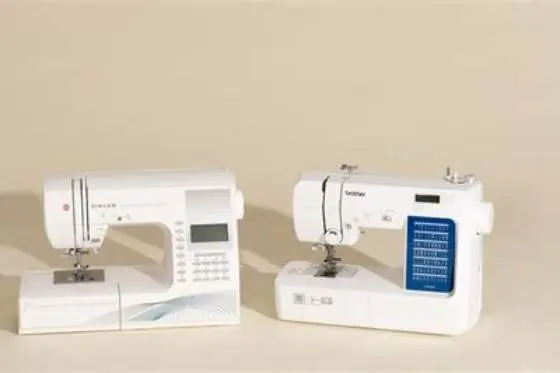
Controls are where the two types differ. Computerized machines pick stitches with buttons and show the settings on a small screen. Manual machines pick stitches with dials, and you set the length and width by turning them. Only the way you tell the machine what to do changes.
Computerized machines add helpers around those buttons. Many set the needle to stop up or down, remember a stitch pattern, and trim the thread at the end of a seam. The speed slider caps how fast the machine can run, which helps a beginner keep control. Manual machines skip most of that. With a manual machine, the stitch you pick comes from a dial, the speed comes from your foot, and the needle stops where it stops.
Neither type is the better machine in every case. Computerized suits a sewist who wants the machine to handle settings. Manual suits a sewist who wants to see every setting on a dial and fix things with a screwdriver. Use the site's Sewing Machine Matchmaker tool to help narrow choices if the decision still feels close. The picks below come from maker listings and dealer spec sheets, not from hands-on testing.
One point of language helps before you shop. Sellers call dial-controlled machines mechanical, and most searchers call them manual. Both words mean the same machine here. Hand-cranked antiques are a different thing entirely, and no new machine in a shop works that way. For the detail, see our notes on quilting sewing machine.
The computerized pick: Brother CS7000X
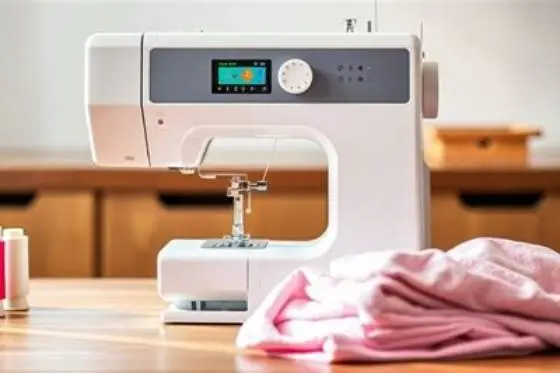
Brother's CS7000X is the pick for most first-time buyers, because it puts computerized help where a beginner feels it. This Brother computerized model lists dozens of built-in stitches, chosen on an LCD display, with one-step buttonholes. Its automatic needle threader pushes thread through the eye at the touch of a lever. Its speed slider caps the pace while you learn.
Brother also lists a drop feed for free-motion work and a jam-resistant drop-in bobbin, which loads from the top without a fiddly case. A set of feet comes in the box, including a walking foot and a quarter-inch piecing foot, plus a wide table and a quilt guide. Its top speed suits steady everyday sewing.
One honest limit is control. Settings live behind buttons and a screen, so a sewist who likes to see a dial will feel one step removed. There is no adjustable presser-foot pressure and no automatic thread cutting, so thick seams still need a firm hand. For everyday sewing, mending, and first quilts, it is the most complete computerized starter here. Owners of a manual machine may add this one for quilting. The walking foot and wide table come in the box. The other half of this decision is choosing for thick material at home.
- 70 stitches chosen on a screen
- automatic needle threader
- walking foot and wide table included
- speed slider caps the pace
- settings hide behind buttons
- no adjustable presser-foot pressure
- no automatic thread cutting
Brother CS7000X Sewing and Quilting Machine LCD Display
Handles everyday beginner and quilting tasks with 70 built-in stitches for utility, decorative and quilting needs.
- Size CS7000X
- Length 7.0 inches
- Height 12.0 inches
The manual alternative: Singer 4423 Heavy Duty
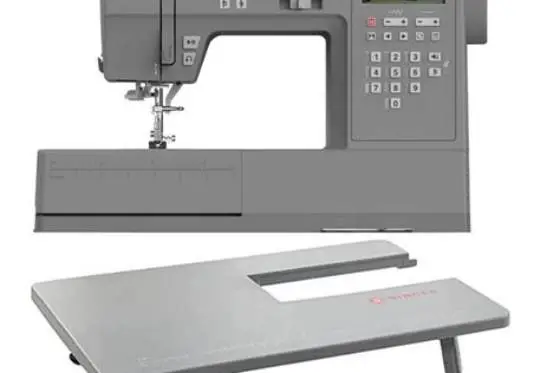
The Singer 4423 Heavy Duty is the manual alternative, and its case is simple. Dials pick the stitch and set the length, so the machine does what the dial says and nothing else. Many Singer mechanical models offer around two dozen stitch patterns, counted as far more stitch applications across basic, stretch, and decorative work. One-step buttonhole and automatic needle threader cover the fiddly jobs.
This Singer also has a full metal frame and a top speed faster than most machines at this size. That speed suits long straight seams and heavy cloth, where a slower machine would labour. The manual lists Class 15 bobbins and standard 130/705H needles, so supplies are easy to find. Singer lists a one-step buttonhole as well, so shirts and cushion covers stay easy.
One trade is stitch range and help. Twenty-three stitches cover everyday sewing, but decorative work runs out of options sooner than on a computerized machine. Without a screen, stitch memory, or speed slider, your foot sets the pace. For heavy fabrics, denim hems, and repairs, that direct control is the point. For quilting variety, it is the limit.
- dials give direct control
- fast top speed for long seams
- full metal frame
- only 23 built-in stitches
- no screen or stitch memory
- no speed slider
SINGER® 4423 (Meltwater Blue) Heavy Duty Sewing Machine with Accessories
Lets you sew long seams quickly with a top speed of 1,100 stitches per minute for efficient everyday sewing.
- Size Medium
- Height 12.0 inches
- Length 6.25 inches
The choice is not about quality. It is about whether you want buttons or dials between you and the needle.
The budget manual: Brother XR3774
The Brother XR3774 is the budget manual machine, and it keeps the dials while adding quilting help. Some Brother mechanical models advertise several dozen stitches, including blind hem, decorative, and quilting stitches, with a one-step buttonhole. Its automatic needle threader and drop-in top bobbin keep setup short. A set of feet comes in the box, including a walking foot and a quilting foot, plus a wide table. Mechanical means every setting sits on a dial you can see.
Its top speed suits everyday sewing and light quilting. Its wide table holds larger pieces while you sew, which matters more than it sounds on a quilt. Its stitch guide shows each pattern, so a beginner finds the right stitch fast. A beginner who sews straight seams and hems will not miss the screen.
Its limits are the same as any simple mechanical machine. It has no screen, no speed slider, and no automatic presser-foot adjustment, so the sewist does the adjusting. It is light enough to carry to a class. For a first machine on a tight budget, it covers the most ground for the least fuss.
- 37 stitches for quilting and garments
- walking foot and wide table included
- simple dial controls
- no screen or speed slider
- no automatic presser-foot adjustment
Computerized vs manual side by side
Put the two types side by side and the choice turns on habits, not specs. Computerized controls remember settings, so a sewist who changes stitches often saves time. Manual controls show every setting on a dial, so a sewist who likes to see the stitch before sewing trusts it. Both types sew straight seams well. Fancy work and repairs are where the gap opens. Quilters who change stitches mid-project feel the difference most.
Repairs split them too. Manual machines have fewer circuit boards, so a local shop can often fix them with standard parts. Computerized machines may need a maker part or a dealer visit when the board fails. That is a general pattern, not a promise about one model. Ask your local shop which type it services before you buy.
Cost follows the same split. Mechanical machines usually cost less than computerized ones with the same stitch range, because the controls are simpler. Money saved buys fabric, thread, and a walking foot. Quilters may still spend the extra on a computerized machine for its memory and free-motion help. Spend on the controls you will use, not the ones on the box.
| What changes | Computerized | Manual |
|---|---|---|
| Stitch choice | Buttons and screen | Dials |
| Speed control | Slider plus foot pedal | Foot pedal only |
| Stitch memory | Often included | Not included |
| Repair | May need dealer parts | Often standard parts |
| Typical cost | Higher | Lower |
Who should buy which
Buy computerized if you sew many kinds of projects and like the machine to remember settings. Beginners gain from the speed slider and the screen, and quilters gain from stitch memory and free-motion help. Buy manual if you sew heavy cloth, mend often, or want the simplest machine that can be fixed locally. Manual also suits a sewist who dislikes screens and menus.
When a dealer is near, try both types before you buy. Sew a straight seam, a zigzag, and a buttonhole on each machine. Thread the needle and wind a bobbin on each, since you will do both often. Easy in the shop means easy at home. One that fights you in the shop will fight you at home too.
Check the feet and the table before you pay. For quilting, the walking foot and wide table count for more than any screen feature. Check the manual for the needle system and bobbin class, so supplies stay easy to find. Machines that take standard needles and bobbins cost less to keep over the years. Keep the manual and the spare bobbins in the same drawer, so setup stays quick.
For most first-time buyers, the computerized Brother CS7000X is the easier machine to live with; the Singer 4423 wins for heavy cloth and direct control.
Still wondering?
Is a computerized sewing machine easier for a beginner?
Yes, in most cases. Its screen shows the stitch you picked, the speed slider caps the pace, and the automatic needle threader handles the fiddliest job. Manual machines are not hard to learn, but they ask the beginner to set everything by hand. For a beginner, the best machine is the one whose controls feel clear in the shop.
Do manual sewing machines last longer than computerized ones?
Manual machines have fewer circuit boards, so there is less to fail and a local shop can often fix them. Computerized machines can last just as long when they are kept clean and serviced. Long life comes from regular cleaning and oiling where the manual asks for it, not from the control type alone.
Can a manual machine quilt?
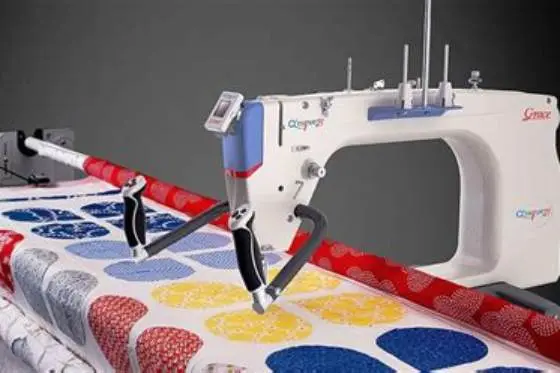
Yes, if it takes a walking foot and lets you lower the feed dogs. Fit the walking foot, use a fresh quilting needle, and quilt in short lines from the middle outward. Computerized machines add stitch memory and free-motion help, but the quilt does not care which type made it.
Why do computerized machines cost more?
The screen, the circuit board, and the extra motors add parts and cost. Manual machines with the same stitch range cost less because their controls are dials and levers. Pay the extra only when you will use the memory, the slider, and the extra stitches.