Rotary cutter or scissors: which cuts stacked layers clean
Use a rotary cutter for cutting three or more layers of fabric straight on a cutting mat to avoid shifting and get clean edges. Scissors excel at controlling curves and single-layer cuts, especially on slippery or heavy fabrics.
On this page (8 sections)
- The short version
- Rotary cutter vs scissors for fabric: when layers and lines matter
- When a rotary cutter holds a straight line on stacked layers and when it drags or shifts
- When scissors control curves, notches and single-layer cuts better
- What surface, blade size and hand pressure each tool needs and what goes wrong without it
- How fabric type - quilting cotton, knits, slippery or heavy - changes the choice
- How to test on scrap for clean edge, fray and hand fatigue before cutting the project
- Still wondering?
Part of our guide on best sewing table
Key figures
- Layers best cut
- 3+ layers rotary
- Curve control
- scissors better
- Cutting surface
- mat needed rotary
- Blade size
- 45mm typical
- Hand fatigue risk
- lower rotary
The short version
- Rotary cutters cut stacks of 3+ layers straight on mats with less shifting.
- Scissors handle curves, notches, and single layers better with more control.
- Cutting surface and blade size impact clean cuts and fabric stability.
- Fabric type influences tool choice: knits and slippery fabrics favor scissors.
- Testing scraps prevents fray, shifting, and hand fatigue before main cuts.
Rotary cutter vs scissors for fabric: when layers and lines matter

Rotary cutters excel when cutting three or more fabric layers stacked and laid on a flat cutting mat. The circular blade slices through multiple layers cleanly without shifting, as long as firm, even pressure is applied.
Scissors work best for one to two fabric layers or when curves and notches require precision. Snipping with scissors keeps fabric stable and helps control awkward shapes that rotary blades struggle with.
Cut quality depends on matching tool to cut style: rotary cutters maintain straight lines well on stacked layers but may drag or shift fabric when cutting curves or slippery materials.
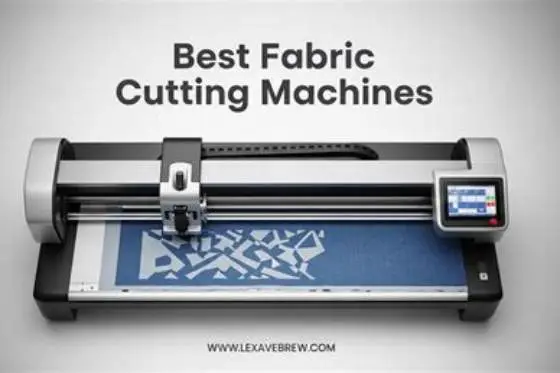
Scissors provide better control of single layers and curved edges but can deform stacks by lifting layers as you cut. For stacked straight cuts, rotary cutters reduce this risk. We go through best fabric cutting machines step by step elsewhere on the site.
| Cut Type | 1-2 Layers | 3+ Layers |
|---|---|---|
| Straight line | Scissors and rotary possible | Rotary cutter preferred |
| Curved line | Scissors preferred | Rotary difficult |
| Notches | Scissors preferred | Rotary not ideal |
When a rotary cutter holds a straight line on stacked layers and when it drags or shifts
Rotary cutters hold straight lines on stacked layers best when cutting on a self-healing cutting mat measuring at least the fabric width. The mat prevents blade dulling and fabric slipping.
Blade size matters; a 45mm blade balances curve cutting and straight slicing well on multiple layers. Larger blades (60mm) handle heavy fabrics but reduce curve control.
Firm, even hand pressure applied straight down prevents shifting layers. The fabric should be smooth and pinned or weighted to prevent movement.
Dragging or shifting occurs if the blade is dull, fabric is too slippery, layers aren’t secured, or the mat surface is damaged or missing.
A dull rotary blade shows its limits quickly by dragging fabric, causing layers to shift and edges to roughen. You can check blade sharpness by cutting a single fabric layer; if it snags, replace or sharpen the blade.
When cutting multiple layers, the rotary cutter’s handle grip and your wrist alignment matter. A loose grip or bent wrist causes uneven pressure, making layers slip sideways. Keep your wrist straight and your grip firm but relaxed to maintain a stable line.

HEADLEY TOOLS Titanium Coated 45mm Rotary Cutter Blades 15 Pack Fits Olfa
Keeps a straight line through stacked fabric without dragging, with a titanium-coated 45mm edge rated to cut 8-16mm of layered material at once.
When scissors control curves, notches and single-layer cuts better
Scissors give you tactile feedback and precise control for curved lines, small notches, and single-layer cuts where accuracy matters.
They allow for subtle angle changes and gentle fabric lifting to avoid distortion, especially on slippery or heavy fabrics.
Small embroidery or applique scissors excel at delicate detail work, while heavier shears manage thick or dense fabrics better.
Avoid scissors if you need to cut many layers stacked straight. They cause layer shifting and hand fatigue.
Scissors cut curves better because you can pivot the tool while holding fabric steady. For example, when making a 3-inch circular applique piece, scissors let you turn the fabric and tool smoothly, avoiding jagged edges.
Avoid using scissors for multiple stacked layers because as you close the blades, the top fabric layers lift slightly, causing misaligned cuts. This is especially true with thicker fabrics where the blades can’t pass straight through all layers.
- Precise curve and notch control
- Better for slippery or heavy fabrics
- No cutting surface needed
- Slower on multiple layers
- Can shift stacked fabric
- Higher hand fatigue
Clean cuts depend on matching rotary cutters and scissors to fabric layers, shape, and surface, not just preference.
What surface, blade size and hand pressure each tool needs and what goes wrong without it
Rotary cutters need a self-healing cutting mat large enough for the fabric to move freely. Using a hard table alone dulls the blade quickly and causes shifting.
Recommended blade sizes are generally 45mm for most quilting cottons. Larger blades suit heavy or multiple layers but lose curve precision.
Even, firm hand pressure keeps fabric layers stable and prevents dragging with rotary cutters. Uneven pressure causes uneven cuts and fraying.
Scissors rely on your hand’s steadiness and fabric stabilization by hand or pins as no cutting surface is strictly needed.
Without the right surface or blade size, rotary cutters cause ragged edges, fabric shifting, and faster blade wear.
| Factor | Rotary Cutter | Scissors |
|---|---|---|
| Cutting Surface | Require cutting mat | No surface needed |
| Blade Size | 45mm typical | Not applicable |
| Hand Pressure | Firm and even | Variable, steady |
| Risk Without Surface | Dragging, dull blade | Less impact |
| Risk Without Sharp Blade | Frayed edges | Blunt scissors dull cut |
How fabric type - quilting cotton, knits, slippery or heavy - changes the choice
Quilting cotton cuts well with rotary cutters on stacks as it holds shape and doesn’t slip much.
Knits and stretchy fabrics benefit from scissors because rotary cutters can distort the fabric layers when rolling the blade.
Slippery fabrics like satin or silk shift easily under rotary cutters unless pinned securely. Scissors offer better control here.
Heavy fabrics or leather require sharp, larger rotary blades or strong scissors designed for thick materials.
Always test the fabric type with your chosen tool to avoid unexpected fray, shifting, or damage.
Heavy fabrics like denim or canvas require a rotary cutter with a 60mm or larger blade to slice through up to four layers cleanly. Smaller blades struggle and cause frayed edges here.
Knits with loose weaves often curl or stretch during rotary cutting, leading to wavy edges. Scissors let you hold the fabric taut and cut slowly, maintaining shape better.
Some slippery fabrics, like charmeuse, benefit from using a rotary cutter with a non-slip mat underneath and fabric clips to keep layers from sliding. Without these, scissors remain the safer bet.
How to test on scrap for clean edge, fray and hand fatigue before cutting the project
Cut a small sample of your fabric stack or single layer on your chosen surface.
Try both rotary cutter and scissors, checking the edges for clean cuts, fraying, or distortion.
Notice how your hand feels after cutting: rotary cutters generally cause less fatigue on multiple layers.
Adjust blade sharpness, pressure, or fabric stabilization methods based on this test before cutting your main fabric.
This test prevents costly mistakes and fabric waste.
- Cut scrap pieces with a rotary cutter on your mat applying firm pressure.
- Cut the same scraps using scissors, focusing on curves and edges.
- Compare edge neatness and note any fraying or shifting.
- Assess hand comfort and fatigue after each tool use.
- Decide which tool suits your project needs best.
Choose rotary cutters for multi-layer straight cuts and scissors for curves and slippery fabrics.
Still wondering?
Can a rotary cutter cut fabric without a mat?
Using a rotary cutter without a cutting mat dulls the blade quickly and causes fabric to shift. Always use a self-healing mat sized to your fabric for clean, stable cuts.
How many layers can a rotary cutter cut cleanly?
Typically, rotary cutters handle up to 6 layers of quilting cotton cleanly, but this depends on blade sharpness, fabric type, and applying firm pressure.
Are scissors better for very slippery fabrics?
Yes, scissors give more control on slippery fabrics since you can hold the fabric steady and cut slowly, reducing shifting and fraying.
What blade size should I choose for general quilting?
A 45mm rotary cutter blade suits most quilting cotton and general layered cutting. Larger blades work better for heavy fabrics but reduce curve control.
How can I avoid hand fatigue when cutting many layers?
Rotary cutters require less hand strength than scissors for multiple layers, especially on straight cuts, reducing hand and wrist fatigue.