Crochet or knitting: which is easier when you're starting out
Crochet is usually easier for a complete beginner. You work with one live loop on a single hook, so tension feels simpler and dropped stitches don’t unravel much. Knitting holds many live loops on two needles, which creates fabric with more drape but requires managing multiple loops from the start.
On this page (8 sections)
- The short version
- Knitting vs crochet for beginners: which is easier and why
- Tools and fabric: how stitches and cloth differ
- Practice time: how long it takes to learn basic stitches
- Fixing mistakes: which errors show up and how to repair
- First projects: what to make to learn fastest
- Choosing tools and yarn: what to buy for your first day
- Still wondering?
Part of our guide on best serger for knits
Key figures
- Easier first craft
- Crochet, one live loop
- Basic tool set
- 1 hook vs 2 needles
- Learn chain / cast on
- Varies by practice and yarn
- First usable stitch
- Comes after a few practice sessions
- Fixing a mistake
- Pull back in crochet, ladder in knitting
- Starter yarn weight
- Medium weight, light color
The short version
- Start with crochet if you want faster early wins and simpler fixes.
- Knitting makes drapey, stretchy fabric but needs managing many loops early on.
- Both crafts use the same medium-weight yarn range, so you can try the other without buying new yarn.
- Pick a flat, small project like a dishcloth, scarf, or headband for your first try.
Knitting vs crochet for beginners: which is easier and why
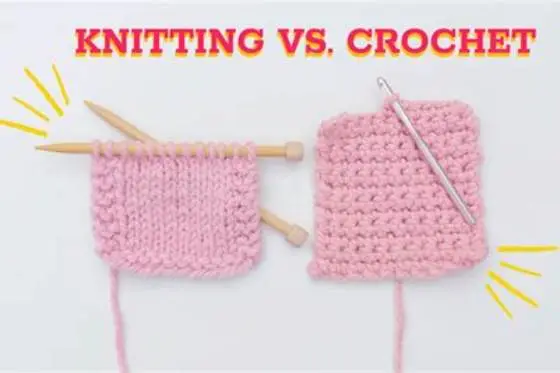
Beginners often find crochet easier in the first week. It uses one live loop on a single hook and fewer loops to manage. This makes tension control and fixing mistakes simpler. Knitting holds many loops on two needles, which takes more focus to keep loops from slipping off.
Crochet starts with chaining and single crochet stitches, pulling one loop through another at a time. This lets you pause mid-row without the work unraveling. Knitting begins by casting on, then forming knit and purl stitches while keeping even tension on all loops. Too loose, and stitches sag; too tight, and loops resist movement.
Choose crochet if you want to finish a project quickly with less worry about dropped stitches. Choose knitting if you want soft, stretchy fabric and plan on garments like sweaters or socks. Crochet’s single loop makes fixing simpler, which builds skills useful for knitting later.
| Feature | Crochet | Knitting |
|---|---|---|
| Tool | 1 hook | 2 needles |
| Live loops | 1 | Many across needle |
| Basic stitches | chain, single, double crochet | knit, purl |
| Fabric | denser, textured at same yarn weight and basic stitches | drapier, stretchier at same yarn weight and basic stitches |
| Fixing | pull back to mistake | use hook or marker to ladder back |
- One live loop, fewer stitches to manage
- Easier to fix mistakes quickly
- Simple tension control with one hook
- Fabric tends to be thicker at the same yarn weight and basic stitches, such as single crochet vs stockinette
- Less drape compared to knitting
Tools and fabric: how stitches and cloth differ
Tools shape how each craft feels. Crochet needs one hook sized per the yarn label, often between 5.0 and 6.0 mm for medium yarn, plus yarn and scissors. Knitting requires two matching needles, sized per the same label recommendations, often 5.0 mm straight or circular needles. Circular needles hold stitches on a flexible cable, helping with wider projects. Needle material affects grip: wood grips yarn more than metal, changing tension for beginners. We go through knitting books for beginners step by step elsewhere on the site.
Stitches build fabric differently. Crochet forms knots with each stitch before starting the next, creating denser, textured cloth. Knitting loops yarn side by side on needles, producing stretchier, flatter fabric with more drape at the same yarn weight and basic stitch patterns. Choosing lace or bulky stitches can reverse density and stretch differences in both crafts.
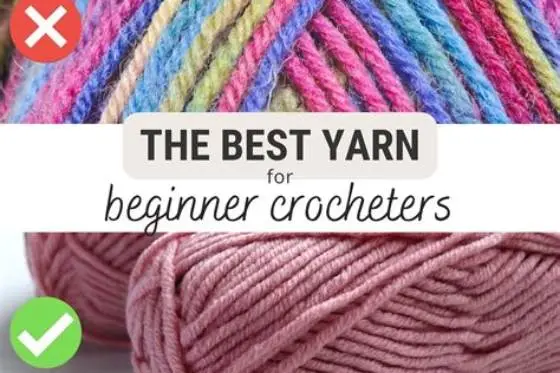
Yarn choice matters more than brand. Pick smooth, light-colored medium-weight yarn with little fuzz to see stitches clearly. Dark, fuzzy, or novelty yarn hides stitches and slows learning. Check yarn labels for recommended hook and needle sizes and stay within those while learning. Yarn thickness and twist also affect tension and fabric feel.

Mayboos 13 Pcs Crochet Hooks Set
Lets you begin crochet on day one with a comfortable 5.5 mm hook matched to medium yarn so stitches are easy to see and tension stays even.
Practice time: how long it takes to learn basic stitches
Practice time depends on your yarn, tension, and frequency of sessions. Many beginners need one or two short sessions to make an even crochet chain that holds consistent tension for about 20 to 30 chains. Knitting cast on takes a similar amount of time to feel even, especially with long-tail or knitted cast on methods for about 20 stitches. Hands tire quickly, so short, frequent practice helps more than long sessions. It helps to understand beginner crochet yarn before going further.
The first real stitch comes after the foundation. Beginner workshops show most learners find single crochet stitches feel natural after a couple of short sessions once their chain is steady. Knitting knit stitches usually take a few short sessions to feel rhythmic, and purl stitches take more practice. Speed is less important than even loops and neat edges.
Stitch height affects fabric growth speed. Double crochet stitches cover more length than knit stockinette at the same yarn weight and basic stitches, so a crochet scarf may feel quicker. Focus first on matching stitch count to your starting chain or cast on and keeping edges straight. Speed improves with practice.
- Crochet path: make a 30-chain, check for twists, single crochet back, count to 30, repeat for 4 rows.
- Knitting path: cast on about 20 stitches, knit every row, count stitches each row, watch edges for added or lost stitches.
- Check tension: lay work flat, measure 4 inches (10 cm) across, note stitch count. Adjust hook or needle size if fabric curls or feels stiff.
- Practice fixes: pull back a few stitches carefully and rework, then continue.
Crochet keeps one live loop, knitting keeps many. This shapes your first week of practice and the way you fix mistakes.
Fixing mistakes: which errors show up and how to repair
Mistakes look different in each craft. In crochet, a missed stitch usually shows as a gap or uneven edge. You spot this quickly because you focus on one loop at a time. In knitting, a dropped stitch appears as a vertical ladder where a column unravels. A twisted stitch looks like a loop mounted backward on the needle. These happen often when you’re learning to wrap yarn consistently. Before you commit to anything, it is worth looking at best crochet books for beginners.
Crochet is easier to fix. You pull the yarn to unravel back to the mistake and rework it, since only one loop is at risk. Knitters fix mistakes using a stitch marker and a smaller needle or crochet hook to ladder back up one column without undoing the whole row. This takes practice to keep tension even. Keep a small crochet hook handy when you knit.
Tension issues cause early frustration. If edges grow wider, you added stitches at the ends. If edges shrink, you missed the last stitch. Mark the first and last stitch on each row with locking markers and count stitches until it feels routine. Relax your grip and let the yarn glide over a finger instead of squeezing tightly. Small changes make a big difference.
First projects: what to make to learn fastest
Choose flat, small, forgiving projects. Flat shapes help you practice the same stitch repeatedly without shaping or increases. You can see rows stack and count stitches easily. Aim to finish in a weekend to keep motivation up. Save circles, garments, and color changes for later, once your edges stay straight for many rows.
For crochet, try a dishcloth in single crochet or a narrow scarf in double crochet. Start with about 28 to 32 chains wide on a hook sized per yarn label using medium yarn. Work until it measures about 7 to 8 inches (18 to 20 cm) square for a cloth, or 48 to 60 inches (122 to 152 cm) long for a scarf. For knitting, a garter stitch dishcloth or headband works well: cast on about 20 to 24 stitches on needles sized per yarn label and knit every row until square.
Finish work carefully. Crochet ends need a yarn needle to weave tails through 2 to 3 stitch posts, changing direction once so they don’t come undone. Knitting ends need the same, plus binding off loosely to avoid puckered edges. Blocking evens stitches: soak the piece, squeeze gently, lay flat to size, and let dry. This evens fabric without stretching it.
- Crochet dishcloth: single crochet, about 28 chains, quick finish, good tension practice.
- Crochet scarf: double crochet, 24 to 28 chains, fast growth, easy to count rows.
- Knitted dishcloth: garter stitch, about 20 stitches, teaches cast on and bind off.
- Knitted headband: garter or rib, about 18 to 22 stitches, short and wearable.
Choosing tools and yarn: what to buy for your first day
Choose based on what you want to make and how you like to fix mistakes. Start with crochet if you want quick gifts, textured blankets, or less worry about dropped stitches. Choose knitting if you want soft drape for garments like sweaters and socks and accept a slower start. Both crafts build yarn control useful for the other.
Buy only what you need. One ergonomic crochet hook sized per yarn label, or a pair of wooden knitting needles sized per label, plus one skein of smooth, light-colored medium-weight yarn, small scissors, and two locking stitch markers are enough for your first project. Wood grips yarn just enough to help control tension. Later, add metal needles or more hook sizes. If you already sew, you likely own scissors and a tape measure.
Check local shops to hold hooks and needles before buying. Comfort is more important than size variety at first. Starter kits for crochet hooks usually cost less than knitting needle sets, but both are widely available in craft stores and online. Compare prices and quality to find what fits your budget and style.
Consider left-handed or accessibility needs. Both crafts can be adapted, but crochet hooks are often ambidextrous and easier for left-handed beginners. Knitting patterns and tools may require specific methods or needles for left-handed use, so check local resources or online videos.
- Crochet: faster early finishes, simple fixes
- Crochet: thicker fabric at same yarn weight and basic stitches
- Knitting: more live stitches to manage early
Start with crochet for the easiest first week, then add knitting when you want drapey fabric.
Still wondering?
Is crochet or knitting faster for a beginner?
Crochet often feels faster early on because double crochet stitches cover more length. Knitting can speed up once knit and purl stitches feel even, but early rows are slower as you manage many loops. Choose based on fabric feel and fixing style, not just speed.
Which uses more yarn?
Crochet usually uses a bit more yarn than knitting for the same area at the same yarn weight and basic stitches, because stitches are denser and overlap more. The difference depends on stitch pattern, hook or needle size, and tension. For a small dishcloth, the difference is small. Start with one skein of medium yarn.
Can I learn both with the same yarn?
Yes. A smooth, light-colored medium-weight yarn works well for both crafts. You can switch between a hook and needles sized per the yarn label without buying new yarn.
What if my edges are uneven?
Count stitches every row and mark the first and last stitch with locking markers. Extra stitches mean you worked into the turning chain in crochet or added an edge stitch in knitting. Missing stitches mean you skipped the last one. Markers and careful counting help fix uneven edges quickly.
Do I need expensive tools to start?
No. One hook or one pair of needles sized per the yarn’s suggested range, two locking markers, and a yarn needle are enough. Add more tools after finishing a small project and understanding your tension.