Learn to crochet from zero: which book teaches, not just patterns
The best crochet books for beginners teach tools, basic stitches like chain and single crochet, tension control, and offer clear, step-by-step photos or diagrams, including mirrored instructions for left-handed learners.
On this page (8 sections)
- The short version
- What a true beginner instruction book must teach before any pattern
- How to tell an instruction book from a pattern collection before you buy
- Which books actually show left-handed stitches with mirrored photos or diagrams
- How to match teaching style to how you learn - step photos vs diagrams vs video links
- Best crochet books for beginners that teach skills, not just patterns
- How to start your first projects after mastering basic skills
- Still wondering?
Part of our guide on getting smooth stretchy seams on knits
Key figures
- Basic stitches taught
- chain, single, double crochet
- Left-handed photos
- in select books
- Recommended book types
- instructional, not just pattern collections
- Visual aids
- photos or diagrams
- Tension explained
- essential for beginners
The short version
- Look for books that cover crochet tools, tension, and basic stitches before patterns.
- Books with clear photos suit visual learners; diagrams suit abstract thinkers.
- Left-handed beginners need mirrored photos or diagrams to follow easily.
- Pattern collections lack foundational teaching; avoid them when starting out.
- Try the Sewing Machine Matchmaker tool for related sewing and craft help.
What a true beginner instruction book must teach before any pattern
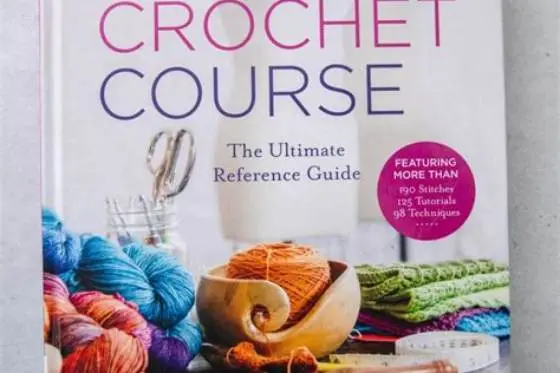
A beginner crochet book must first explain the essential tools: yarn types, hook sizes, and how to hold them. Many starters skip these basics and struggle with later steps. Knowing your materials sets a solid foundation.
Next, tension control is vital. You need to learn how tight or loose to pull your yarn. This affects your finished piece and stitch consistency. Good books show you how to check and adjust tension early on.
The foundation stitches every beginner must master are chain, single crochet, and double crochet. A book that teaches these with clear, slow steps and photos or diagrams will save frustration.
A good beginner book shows how to read crochet symbols and abbreviations. This literacy is essential before moving to patterns. Avoid books that dive straight into patterns without this groundwork. There is more on kits with light yarn and big needles in a separate guide.
Beginners often overlook the importance of choosing the right hook size for their yarn. A 5mm hook with worsted weight yarn is standard, but going smaller or larger changes your tension and stitch size. The book should explain how to match yarn and hook sizes and why it matters.
Another basic skill is joining new yarn and finishing off your work neatly. A good instruction book demonstrates these steps clearly, helping you avoid loose ends or unraveling later. This skill keeps your projects tidy and durable.
| Beginner Instruction Book | Pattern Collection Book |
|---|---|
| Tools explained (hooks, yarns) | Often missing or brief |
| Tension control taught | Rarely covered |
| Basic stitches clearly shown | Assumed known |
| Reading symbols and abbreviations | Not included |
| Step-by-step photos or diagrams | Often only pattern photos |
How to tell an instruction book from a pattern collection before you buy
Check the book's table of contents or index. A true instruction book divides sections by tools, stitches, tension, and reading patterns before showing actual projects. If that sounds like your situation, read up on starting knitting with confidence next.
Pattern collections list mostly finished projects with minimal teaching. They often start with a few stitches but quickly dive into full patterns, assuming you already know basics.
Look for words like 'learn,' 'tutorial,' 'step-by-step,' or 'beginner's guide' in the title or description. Pattern books emphasize 'designs,' 'projects,' or 'patterns' instead.
Photos and diagrams are a clue. Instruction books use multiple progressive images per stitch or technique. Pattern collections usually show one finished object photo and give abbreviated instructions. The other half of this decision is knitting vs crochet for beginners.
Look inside the first few pages for an overview of the book’s teaching approach. Instruction books often include chapters on yarn care, crochet terminology, and troubleshooting. Pattern collections jump straight into projects with brief stitch explanations.
Check the sample pages or online previews if possible. Instruction books show full sequences of how to form each stitch, while pattern books display only completed stitch photos. This difference helps you spot which book teaches versus shows patterns.
Reading user reviews can reveal if a book really teaches beginners or just offers patterns. Reviews mentioning step-by-step guides, clear photos, or support for left-handed crocheters often point to an instructional book. Pattern collections have fewer mentions of teaching basics.
- Contents: tools, stitches, tension sections indicate instruction.
- Language: 'Beginner's guide' vs 'pattern collection' in title matters.
- Photos: step-by-step images mean teaching; single photos mean patterns.
- Descriptions: detailed stitch explanations signal instruction; project focus signals pattern-only.
Which books actually show left-handed stitches with mirrored photos or diagrams
Left-handed crocheters often struggle with standard books showing only right-handed instructions. Look specifically for books that state left-handed support with mirrored photos or diagrams.
Such books put left-hand images next to or instead of right-hand ones, allowing you to copy hand motions exactly. This reduces confusion and speeds learning.
Only a few beginner crochet books offer this feature. Check descriptions or reviews for "left-handed photos" or "mirrored diagrams." Some publishers create special editions for lefties.
If no left-handed book is available, videos may sometimes help, but books with mirrored visuals remain the easiest for self-learners.
- Look for 'left-handed' or 'mirrored photos' in descriptions.
- Check if diagrams flip stitch directions.
- Confirm the book covers basics, not just patterns, in left-handed format.
- Video links can supplement but don't replace mirrored visuals.
Most beginner crochet books skip key basics or left-handed guidance; this helps you pick one that truly teaches from scratch.
How to match teaching style to how you learn - step photos vs diagrams vs video links
Everyone learns differently. Some follow photos best; others prefer diagrams that abstract the stitch shape. Some need videos to see motion and rhythm.
Books with step-by-step photos help visual learners understand exact finger placement and yarn tension. Photos also help spot common mistakes.
Diagrams suit learners who grasp symbols and spatial ideas quickly. Diagrams show stitch placement and sequence clearly, ideal for pattern reading.
Many modern books add video links for motion and pacing. Videos can clarify confusing steps but depend on internet access and device.
Choose a book that matches your comfort: photos for hands-on learners, diagrams for abstract thinkers, videos for dynamic instruction.
| Teaching Style | Best For | Benefits | Drawbacks |
|---|---|---|---|
| Step-by-step photos | Visual beginners | Exact finger/yarn positioning | Can be slow to follow |
| Diagrams | Symbol learners | Clear stitch sequence | Less intuitive for some |
| Video links | Kinetic learners | Shows motion and tempo | Needs internet/device access |
Best crochet books for beginners that teach skills, not just patterns
The best beginner crochet books start by explaining the basics: yarn types, hook sizes, tension, and foundational stitches. They use clear, progressive photos or diagrams for right- and left-handed crocheters.
Such books include detailed instructions on reading patterns and stitches before introducing projects. This approach builds confidence and skill rather than just giving you patterns to copy.
Look for titles specifying 'beginner instruction,' 'step-by-step tutorials,' or 'learn to crochet.' Many include troubleshooting tips, yarn care, and project suggestions that reinforce skills gradually.
Avoid books labeled purely 'pattern collections' or 'designs for beginners' as they often skip teaching tools, tension, and basic stitches.
Some books include practice swatches before projects. These let you try each stitch multiple times without pressure, building muscle memory. Swatches also help you check your tension and understand stitch structure.
The best beginner books explain common mistakes and how to fix them. For example, they highlight dropped stitches or uneven tension, and suggest simple corrections. This troubleshooting guidance prevents frustration.
Look for books that encourage creativity rather than just copying. They might show how to combine stitches or modify patterns once you master basics. This empowers you to design your own projects eventually.
- Clear basics before projects: yarn, hooks, tension
- Step-by-step photos or mirrored diagrams
- Left-handed instructions included when specified
- Pattern reading and stitch symbols explained
- Skill-building projects that reinforce learning
How to start your first projects after mastering basic skills
Once you grasp yarn choice, hook handling, tension, and basic stitches like chain and single crochet, begin with simple projects designed to practice these skills. Scarves, dishcloths, or granny squares work well.
Select patterns in your book that use only the stitches you know. Avoid complex increases, decreases, or shaping until comfortable.
Use stitch markers and measure your gauge (stitches per inch) to keep your work even. Books teaching these habits set you up for success in larger projects.
Practice consistently and don’t rush. Building muscle memory and stitch recognition takes time. Your confidence grows with every loop.
- Identify beginner projects using only learned stitches.
- Gather recommended yarn and hook sizes for those projects.
- Follow pattern instructions, referring back to stitch guides as needed.
- Check tension and gauge frequently to keep size consistent.
- Finish projects slowly, appreciating each skill applied.
Choose a beginner crochet book that teaches tools, tension, and basic stitches first, with clear photos or diagrams, and left-handed options if needed.
Still wondering?
Can a pattern book teach me to crochet from scratch?
Most pattern books assume you know basic stitches and tension. They focus on projects, not foundational skills. For true beginners, an instruction book is essential to learn tools and stitch technique first.
How do I know if a book supports left-handed crocheters?
Check if the book description mentions left-handed photos or mirrored diagrams. Some editions explicitly include these features, which help left-handed learners follow instructions clearly.
Are videos better than books for learning crochet?
Videos show movement and rhythm well, aiding some learners. However, books with detailed photos or diagrams allow you to learn at your own pace without needing internet access.
Why is tension so important in crochet?
Tension controls stitch size and fabric drape. Too tight or loose tension makes your work uneven or the wrong size. Learning to manage tension early avoids frustration.
What hooks and yarn should I start with as a beginner?
Begin with a medium-weight yarn (like worsted) and a corresponding hook size (usually H/8 5mm). These are easier to handle and show stitches clearly for beginners.