How long a sewing machine lasts and when parts usually need replacing
If you're asking how long do sewing machines last, the answer depends on build, use and care. Check your manual for expected service life. Lifespan varies widely by type and maintenance, and regular cleaning and oiling reduces wear as most manufacturers recommend.
On this page (8 sections)
- The short version
- Average lifespan of sewing machines under normal use
- Impact of maintenance on sewing machine longevity
- When common sewing machine parts wear out or fail
- Differences in lifespan by sewing machine type and brand
- How long do sewing machines last: summary and what affects your machine
- Maintenance steps to prolong sewing machine lifespan
- Still wondering?
Part of our guide on best sewing machine for beginners
Key figures
- Average lifespan
- 10-30 years
- Needle replacement
- 8 hours of sewing
- Belt replacement
- 5-10 years
- Motor lifespan
- 15+ years
- Maintenance frequency
- Every 6-12 months
- Common failure parts
- Needles, belts, bobbins
- Mechanical vs Electronic
- Mechanical lasts longer
The short version
- Typical lifespan ranges from 10 to 30 years under home use.
- Regular maintenance can double your machine’s effective service time.
- Needles and bobbins wear out in a few months; motor and belts last years.
- Mechanical machines generally last longer than electronic models.
- Check worn parts early to avoid costly repairs and downtime.
Average lifespan of sewing machines under normal use
Sewing machines used for home projects typically last 10 to 30 years. This range depends heavily on how often and intensively you sew. A machine used a few hours weekly ages slower than one sewing daily for hours.
The type of machine affects lifespan too. Mechanical models, with fewer electronic parts, often last towards the longer end of this range. Electronic or computerized machines offer more features but may have a shorter average lifespan due to complex components.
A key factor is the quality of the machine’s construction and materials. Well-built metal frames and parts tend to endure longer than machines made mostly from plastic. However, proper use and care have an even greater impact on longevity.
Think in total hours not just years and the range makes more sense. A home machine often stays smooth for about 4,000 to 6,000 running hours with light fabric and steady care. That same machine lasts about 25 years at 4 hours a week, but under 6 years at 20 hours a week. Heavy denim or canvas cuts that hour budget faster, so track your weekly hours for a truer forecast. For the detail, see our notes on best sewing machine for fleece.
You will know you are over the hour budget when the motor runs hot after 30 minutes and stitches shorten unevenly. That heat means the motor draws more current as internal brushes wear, and the feed starts to lag because timing slips. Check it by sewing a straight line on two layers of cotton at medium speed and then feeling the handwheel for drag. A smooth turn means years left.
Impact of maintenance on sewing machine longevity
Maintenance changes how long a sewing machine lasts more than almost anything else. Machines cleaned and lubricated every 6 to 12 months often last twice as long as neglected ones.
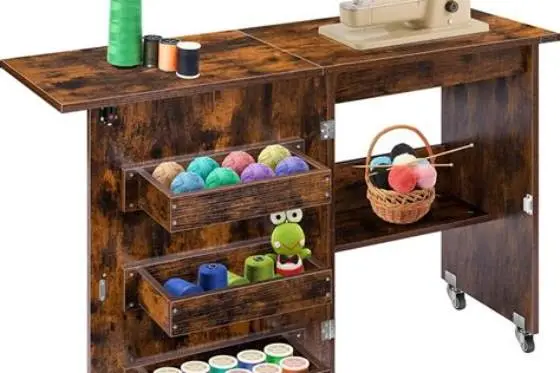
Regularly removing lint and thread debris prevents jams and wear on moving parts. Lubricating the machine’s metal parts reduces friction and protects against corrosion, especially in humid environments. Before you commit to anything, it is worth looking at best folding table for sewing.
Ignoring maintenance risks damage to vital parts like the motor, belts, and gears. Professional servicing every few years helps catch hidden problems before they cause failure. Simple upkeep at home, combined with occasional servicing, keeps your machine sewing reliably.
Skipping oil for a year in a dry heated room lets metal pivot points run dry and you hear a light ticking at low speed. That ticking turns into a whine when you sew fast, and lint packed behind the bobbin case lifts the fabric so tension looks uneven. Wipe the race clean and add one drop of oil to each shiny wear spot and the sound should fade within 20 stitches. If it stays, book a service.
Humidity changes the schedule, so a machine near the coast or in a basement needs oil closer to every 4 months not every 12. You can spot early corrosion as a faint brown film on the needle bar and a gritty feel when you turn the handwheel by hand. Clean that film with a dry cloth, re-oil lightly, and run a test seam on muslin to confirm the feed moves without catching.
- Lint removal– after every 3-5 hours of sewing to prevent buildup.
- Oil application– per manufacturer instructions, usually every 6 months.
- Professional service– every 2-3 years for detailed inspection and repair.

OAIEGSD 32oz Fine Light Sewing Machine Oil and Lubricant
Provides 32 oz of clear, odorless sewing machine oil that lubricates metal parts to reduce wear and extend machine life.
When common sewing machine parts wear out or fail
Some sewing machine parts wear out faster and need routine replacement. Needles dull or bend after about 8 hours of sewing and must be changed frequently to avoid skipped stitches and fabric damage.
Bobbins and bobbin cases wear more slowly but should be checked for cracks or rough edges every few months. Worn bobbins cause thread tension issues and stitching problems.
Belts driving the motor usually last 5 to 10 years before stretching or cracking. Signs of belt wear are slipping, unusual noises, or slower machine speed.
The motor itself often lasts 15 or more years, but overheating or heavy use without breaks can shorten this.
Other parts like feed dogs, tension discs, and electronic components last longer but can fail with age or neglect. Early detection through regular checks prevents unexpected breakdowns.
| Part | Typical Lifespan | Signs It Needs Replacing |
|---|---|---|
| Needle | 8 hours sewing | Bent, dull, skipped stitches |
| Bobbin/bobbin case | Several months | Thread tension issues, cracks |
| Drive belt | 5-10 years | Slipping, noise, slow stitching |
| Motor | 15+ years | Overheating, loss of power |
| Feed dogs | 10-15 years | Fabric not feeding evenly |

SCHMETZ Universal (130/705 H) Household Sewing Machine Needles
Supplies 10 universal sewing machine needles in size 80/12 suitable for replacement to maintain sewing performance.
A sewing machine’s lifespan varies from 10 to 30 years depending on use and care, with key parts needing regular replacement to keep it running smoothly.
Differences in lifespan by sewing machine type and brand
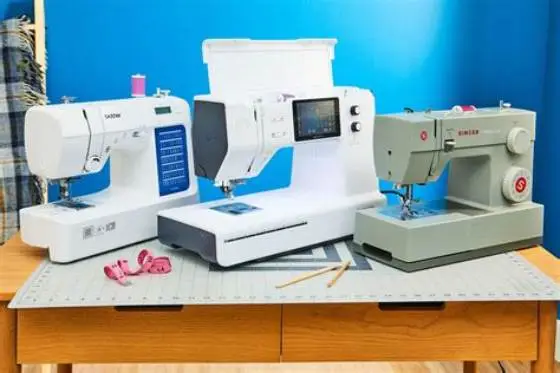
Mechanical sewing machines tend to last longer than electronic or computerized ones because they have fewer sensitive parts prone to failure.
Entry-level machines often have more plastic components and may wear out faster under heavy use compared to mid-range or high-end models with stronger metal parts.
Brands with a reputation for durability usually have better quality control and parts availability, making repairs easier and prolonging the machine’s life.
However, no brand guarantees a machine will last decades without care. Your usage habits and maintenance routines change how long any machine stays reliable.
A computerized machine kept on a surge-protected outlet and dusted weekly often reaches 12 to 18 years. The same model on an unprotected strip near a sunny window may fail at 8 to 10 years when the board overheats. You will see that failure as frozen buttons, blank screens, or stitches that default to straight no matter what you select. Unplug it, let it cool for an hour, and test again and a repeat freeze confirms the board not the foot pedal.
Entry-level plastic gears change the math for heavy sewing. A lightweight machine sewing bags for 6 hours a week may wear those gears in 3 to 5 years. You hear it as a rhythmic clicking under load and you feel fine plastic dust near the handwheel. Brush that dust away, reduce heavy projects, and a mid-range metal-gear model will hold timing far longer.
| Machine Type | Typical Lifespan | Durability Notes |
|---|---|---|
| Mechanical | 20-30 years | Fewer electronics, longer lasting |
| Electronic | 10-20 years | More features, more parts to fail |
| Entry-level | 10-15 years | More plastic, less robust |
| High-end | 20+ years | Better materials, easier to repair |
How long do sewing machines last: summary and what affects your machine
The question 'How long do sewing machines last?' depends mostly on how you use and maintain yours. Expect at least 10 years of reliable use if you sew moderately and follow maintenance guidelines.
Heavier use, neglect, or buying a cheap, entry-level model can shorten your machine’s working life to under 10 years. Well-built mechanical machines, especially from respected brands, can serve over 20 years with care.
Knowing when key parts wear lets you replace them before they cause failure. Needles, bobbins, and belts are the most common replacements. Regular cleaning and oiling keep the machine parts moving smoothly.
Set a reminder to maintain your machine every 6 months. This simple step will avoid costly repairs and failures that cut your machine’s lifespan.
Maintenance steps to prolong sewing machine lifespan
Follow this sequence every 6-12 months or sooner if sewing heavily:
1. Unplug your machine and remove the needle and presser foot.
2. Open the bobbin area and carefully remove lint using a small brush or compressed air.
3. Wipe external surfaces with a soft cloth. Avoid water near electronics.
4. Apply sewing machine oil to metal moving parts as per manufacturer instructions, usually 3-5 drops at pivot points.
5. Check the drive belt for cracks or looseness; replace if slipping or worn.
6. Inspect the needle and replace it if bent, dull, or after 8 hours of continuous sewing.
7. Close the machine and test sew on scrap fabric to ensure smooth operation.
Regular oil and lint removal stop wear and keep your machine running silently. If unusual noises or skipped stitches persist, consider professional servicing.
- Unplug and prepare machine for cleaning.
- Remove lint from bobbin area with brush.
- Oil metal moving parts per instructions.
- Check belts and replace if worn.
- Replace needle regularly.
- Test sew after maintenance.
Still wondering?
Can a sewing machine last over 30 years?
Yes, mechanical machines with proper maintenance can last beyond 30 years. Longevity depends on use, care, and part replacements, especially needles, belts, and lubrication.
How often should I oil my sewing machine?
Oiling is recommended every 6 to 12 months depending on use frequency. Some machines have specific oil points; follow your manual to avoid over-oiling.
What signs indicate my sewing machine needs servicing?
Listen for unusual noises, slipping belts, skipped stitches, or difficulty feeding fabric. Persistent problems after cleaning and needle replacement signal a service need.
Does brand choice significantly affect sewing machine lifespan?
Brand quality influences lifespan but is less important than maintenance and use. High-quality brands typically offer better materials and parts availability.
Can I replace the drive belt myself?
Yes, if you have basic mechanical skills and the right replacement belt matching your model. Otherwise, professional help ensures proper fit and tension.