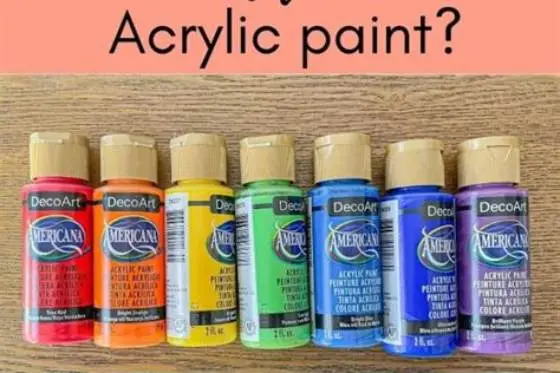
Will fabric markers or acrylic paint last better on felt fabric?
Use acrylic paint mixed with textile medium when the felt must survive careful washing. Fabric markers suit fine lines and dry projects, though rubbing can lift their colour. Polyester felt often resists water-based colour, so test your exact felt before you start.
On this page (8 sections)
- The short version
- Fabric markers vs acrylic paint on felt: what the difference actually is
- How acrylic paint performs on felt
- Do acrylic markers work on fabric and felt, and are they permanent?
- Which option withstands washing better on felt?
- Differences in application and finish on felt
- How to test colour and washability before you commit
- Still wondering?
Part of our guide on fabric markers for black fabric
Key figures
- Wash temperature
- Cold, below 30C (86F)
- Cure time before washing
- Follow the product label
- Marker dry time
- Seconds to minutes
- Paint coverage on wool felt
- Often opaque in one coat
- Wash survival
- Acrylic usually wins
- Marabu fixing
- Iron to fix, per maker
The short version
- Acrylic paint mixed with textile medium handles cold gentle washing better than ordinary fabric markers.
- The medium bottle sets its own mixing ratio, curing and heat-setting steps, so read it before washing.
- Acrylic markers behave like paint in a pen, so treat them like brushed paint.
- Tulip ink markers need no heat setting per the maker, while Marabu Textil Painter needs ironing to fix.
- A scrap test beats a label claim for your exact felt and product.
Fabric markers vs acrylic paint on felt: what the difference actually is
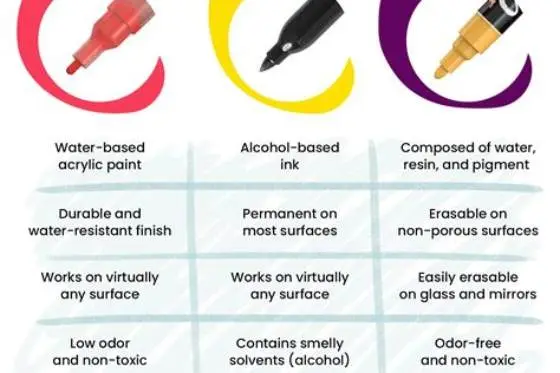
Fabric markers are faster and softer on felt than brushed paint, and that gap drives the whole choice. A marker lays a thin line of ink or paint with one stroke, so the nap stays open and the felt keeps its hand. Brushed acrylic coats the fibres instead, which gives bold colour at the cost of stiffness. Both can last, but they last in different ways.
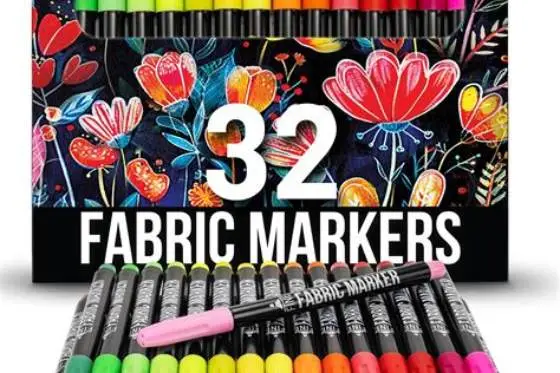
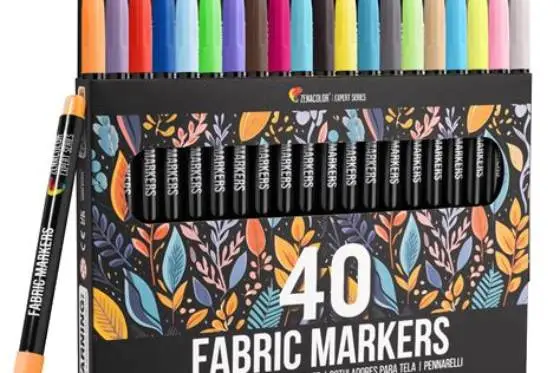
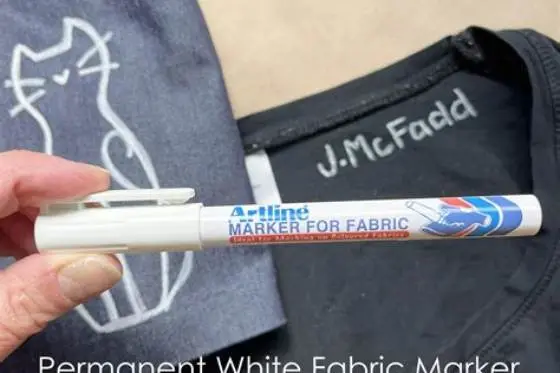
Two marker families share the shelf, so read the label before you buy. Tulip makes ink markers for fabric, and its listed directions say whether the colour needs heat setting, so check the bottle you hold. Tulip Fabric Paint Markers are the opaque kind, made to show on light and dark fabric alike. Water-based textile markers such as Marabu Textil Painter are labelled for iron-fixing, per the maker's instructions.
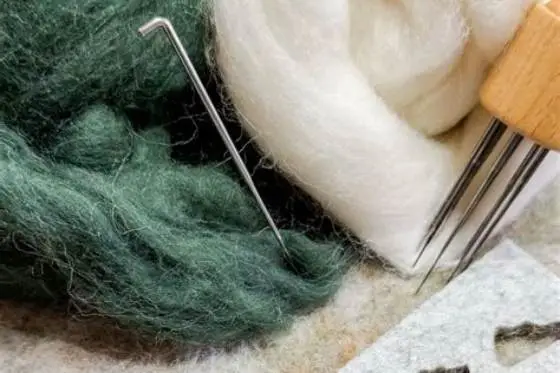
Felt itself changes the result more than the brand does. Wool felt drinks in water-based colour, so ink sinks in and paint grips the fibres. Polyester felt has smooth fibres that can leave colour sitting on top, ready to rub away. Acrylic-fibre felt sits between the two, and dense felt mutes marker ink more than opaque paint. Match the product to the fibre first, then to the project. Read the bolt label or ask the seller for the fibre content before you buy.
| Measure | Fabric marker | Acrylic paint |
|---|---|---|
| Wash survival | Usually spot clean only | Cold gentle washing after the product's stated cure period, if the product allows it |
| Colour range | Convenient ready-made shades | Broad range because colours can be mixed |
| Feel of the finished felt | Usually softer | Stiffer where paint covers the fibres |
| Fine detail and line work | Best with a fine tip | Good with a small brush, but brush marks show |
| Dry time before handling | Seconds to minutes | Follow the paint label and check the surface before handling |
| Cost per finished area | A pen covers a narrow line efficiently | Thin coats cover more area but need tools |
| Reversible mistakes | Some inks lift before they set | Hard to remove once cured |
How acrylic paint performs on felt
Acrylic paint gives the boldest opaque coverage on felt, and wool felt takes it best. The fibres pull moisture from the paint fast, so a thin coat dries quickly and leaves a firm patch. Dark synthetic felt may need a second coat before the colour reads true, and each coat adds stiffness to the nap. It helps to understand top fabric markers before going further.
Plain household acrylic dries hard on felt, so it needs a textile medium made for fabric painting. Liquitex Fabric Medium is one such medium, and Golden's acrylic mediums include products intended for fabric, per the maker. Each bottle carries its own mixing, curing and heat-setting directions, so follow those directions exactly. A medium keeps the paint film flexible on the felt.
Mixing changes the colour as well as the feel, so test the blend on scrap first. Extra medium can lighten a strong colour, while too little leaves the paint stiff. Brush the paint on in thin coats and let each coat dry before the next. Press from the reverse with a pressing cloth if the label asks for heat setting, and test the iron temperature on scrap felt first.

Shuttle Art Fabric Medium
8.45 oz bottle; no felt-specific curing or heat-setting directions published
Do acrylic markers work on fabric and felt, and are they permanent?
An acrylic marker works on felt, yet it behaves like paint, not like ink. The pen holds acrylic paint behind a valve tip, and pressing the tip releases paint onto the surface. That paint film sits on the fibres and dries into a thin skin, so the covered patch feels firmer than the bare felt around it. Lines stay crisp, and small shapes fill neatly, yet the film can crack if the felt folds sharply. We go through felt sewing needles step by step elsewhere on the site.
Pigment ink markers are the other family, and they leave the nap open. Tulip's ink markers soak into the fibres instead of filming over them. Marabu Textil Painter is also water-based, and the label gives its own wash temperature once the colour is fixed by ironing.
Permanent on the label does not mean the mark survives every kind of wear. Friction can rub pigment ink from a raised nap, and an alcohol cleaner can lift or spread it. Acrylic marker paint resists water better once cured, yet the film can flake where the felt bends. Treat a permanence claim as a starting point, then test the exact pen on the exact felt.
- Pigment marker: dries fast, leaves the nap open, vulnerable to rubbing and cleaning
- Acrylic marker: paint-like finish, sharp lines, stiffer covered area
- Colour range: markers give ready shades, paint mixes freely
- Synthetic felt: test adhesion, since smooth fibres can reject ink or paint
- Heat setting: follow the directions for the marker you choose
Felt has no woven threads to grip colour, so every mark sits near the surface and the product choice decides whether it stays.
Which option withstands washing better on felt?
Paint mixed with textile medium usually withstands washing better than any marker. Wash only after the paint has followed the full instructions on its label, including the cure period. Cold gentle washing puts the least stress on the paint film, and a mild detergent helps. Skip the dryer until a scrap test shows the painted felt survives it. For a costume that will be worn and washed, paint with textile medium is the pick. The other half of this decision is best white fabric marker.
Wool felt needs extra care, because heat, moisture and agitation can make it felt further and shrink. The panel can harden or distort around the painted area, and that change does not reverse. Wash wool felt cold, keep agitation gentle and never tumble dry it. Polyester and acrylic-fibre felt avoid that felting problem, though their surfaces can still shed colour or lose a coating.
Markers suit dry projects and careful spot cleaning instead of a wash. Pigment ink can fade or transfer under rubbing, while solvent ink can bleed into nearby fibres. Acrylic-marker paint may survive better than ink, but it still needs the curing steps for that pen. Wash a test scrap with the same water, detergent and drying method planned for the finished item, and let the result decide.
Differences in application and finish on felt
A marker needs almost no setup. You uncap it, draw, recap it and put it away, which suits lettering and narrow outlines. Acrylic paint needs a palette, a brush and a water pot, so it takes longer to start but covers large shapes faster. That trade shapes the whole project: quick detail work favours a pen, while broad motifs favour a brush. The other half of this decision is fabric medium vs fabric softener for acrylic paint.
Paint usually gives the strongest opaque colour, and pale shades show best from a brush. Markers give bright ready-made colours and tighter control for lettering, outlines and small patterns. A second marker pass can deepen the colour, but it can also add stiffness and rubbing. Wool felt accepts colour readily, though its nap can blur a fine line, while synthetic felt keeps edges sharper.
Brush acrylic can reach the back of thin felt, so put scrap paper underneath before you start. Solvent-based marker ink can spread into a halo on the same thin felt, so test both sides of a scrap. Use paint for broad motifs and markers for dry detail work that needs a steady hand. Clean the brush before the acrylic dries, and recap each marker promptly so the tip stays wet.
- Opacity: paint often covers in one pass, markers may need another pass
- Detail: a fine marker tip draws narrow lines with little setup
- Finish: paint feels firmer, marker ink sinks into the fibres
- Cleanup: rinse the brush before acrylic dries, recap the marker promptly
- Bleed: thin felt and solvent ink need a backing test
How to test colour and washability before you commit
Never test on the panel you spent three evenings making. Cut a small scrap from the same felt, ideally from the same batch, and run every check there. One small scrap covers the line, coverage and rubbing checks. Keep the scrap big enough to wash and dry like the real piece. Test wool and synthetic felt separately when a project combines them.
Mark the scrap with the colours you plan to use. Paint one area and mark another, leaving a plain area as your control. Let the painted area follow the cure period on the product label, then rub each mark with a damp white cloth. Note any colour transfer before you wash, since rubbing tells you what handling alone will do.
Wash the scrap with the same water, detergent and drying method planned for the finished item. Keep the test close to real use, since a gentle hand wash says nothing about a machine cycle. Compare the scrap in daylight and check colour transfer, edge halos, cracking, stiffness, peeling and any change in the nap. Choose the product that passes the failure you care about most.
- Cut a small scrap from the same felt as the project
- Paint one area, mark another and leave one plain control area
- Let the paint cure according to its label and room conditions
- Rub with a damp white cloth and note any colour transfer
- Wash as planned, dry as planned and compare the areas in daylight
Use acrylic paint with textile medium if the felt will be washed. Use a fabric marker for fine detail and projects that will stay dry.
Still wondering?
Are acrylic markers permanent on felt?
They can resist washing after curing, but friction can still rub the paint film from felt. Permanence does not promise abrasion resistance. Follow the pen maker's curing directions and test a scrap first.
Do acrylic markers work on fabric and felt?
Yes, though felt holds the paint differently from woven fabric. Acrylic markers leave a paint film, so the covered area may stiffen. Check the label and wash only after the stated cure.
Can I seal acrylic paint on felt with a fabric sealer instead of textile medium?
A surface sealer can protect the paint after it cures, but it may change the felt's hand, sheen or flexibility. Textile medium mixed into the paint usually gives a more flexible paint layer. Test either method on scrap before using it on the project.
Will paint or marker bleed through to the back of the felt?
Brush acrylic can reach the back of thin felt, while solvent-based marker ink can spread into a halo. Put scrap paper underneath and test both sides before starting the finished piece.
Does felt work with a heat-set iron?
Some textile paints and acrylic markers need heat setting, while others do not. Press from the reverse with a pressing cloth, and use the iron temperature printed on the label. Never guess a hotter setting, since the label temperature is the one the maker tested.