Why your body measurements come out wrong with a tape measure
Body measurements come out wrong when a soft tape has stretched, twists around curves, or sits at an angle instead of flat. Check the tape against a rigid ruler first. Then measure over thin clothing, snug but never tight, at eye level.
On this page (9 sections)
- Fit check
- The short version
- Cloth tape measure for body measuring: which tape belongs on bodies
- Flat fibreglass tape: the pick for pattern measuring at home
- Retractable fibreglass tape: the runner-up for a tidy sewing box
- Plain vinyl tape: the budget choice for kits and travel
- Measuring bust, waist and hip without twisting or indenting
- Ease, records and tape care: keeping numbers trustworthy
- Still wondering?
Part of our guide on avoiding back strain sewing

Runs the full 60 inches around a hip or chest with enough to overlap the ends and read the mark, in inches on
Check it on Amazon
Tape Measure Body Measuring Tape
Gives you 60 inches of non-stretch tape that clicks back into its case between fittings, with inch and
See this alternative
Dritz 836 Fashion Color Tape Measure
Dritz tape at the full 60 inches with metric on the reverse, so you can flip between an inch chart and a
See this alternative| Product | tape length (in) | Verdict | |
|---|---|---|---|
| Dritz 5/8" x 60" Tape Measure Dritz | 60 in tape length, printed on the product, against a 60 in requirement. | Meets it | View on Amazon |
| Tape Measure Body Measuring Tape BUSHIBU | 60 in (1.5 m) tape length stated in the bullets, against a 60 in requirement. | Meets it | View on Amazon |
| Dritz 836 Fashion Color Tape Measure Dritz | 60 in tape length, printed in the title as 5/8 by 60-Inch, against a 60 in requirement. | Meets it | View on Amazon |
| Tape Measures 5/8in x 60in Yellow Dritz | 60 in tape length, stated in the title and in the length spec, against a 60 in requirement. | Meets it | View on Amazon |
| Super Tape Measure Fiberglass Dritz | 60 in tape length, stated as 3/4 Inch x 60 Inch in the bullets, against a 60 in requirement. | Meets it | View on Amazon |
Key figures
- Tape length
- 60 in (150 cm)
- Check method
- against a rigid ruler
- Read at
- eye level, tape flat
- Fit test
- snug, no indent
- Clothing
- thin layers only
- Replace when
- marks disagree visibly
The short version
- Check any soft tape against a rigid ruler before measuring.
- Measure over thin clothing, with the tape flat and level.
- Snug means contact without indenting skin or fabric.
- Record each number at once, with the date and clothing worn.
- Replace a tape whose marks visibly disagree with a ruler.
Cloth tape measure for body measuring: which tape belongs on bodies
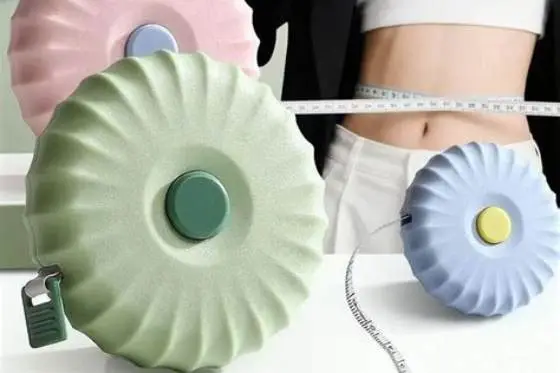
Bodies curve. Tapes must too. Soft tapes follow curves. Bust, waist and hip lines stay covered without bridging. Steel kinks. Bridged curves read long every time.
Material decides truth. Fibreglass tapes keep their marks through normal use; check yours against a ruler yearly and replace it if the marks drift. Plain cloth stretches. Age, heat and pulling all lengthen it.
Length decides sufficiency. 60 in (150 cm) is the common length and covers most bodies with overlap; check your largest circumference first if unsure. Short tapes force joins. Joins invite arithmetic errors.
Printing matters. Clear numbers on both sides let you read from either hand. Faded marks slow reading. Transposed digits follow soon after. We cover best fabric for iron-on transfer in its own article.
Ends matter as much as middles. A frayed zero end shifts every reading by the fray. Metal tips protect the zero point on busy tapes. Check the end before trusting a new tape.
Check the zero end before trusting any reading from an older tape. For body curves, choose the soft tape every time. The right tape makes every later fitting step easier to trust.
- Soft tape: follows body curves without bridging.
- Fibreglass core: resists stretching over time.
- Full length: one reading, no joins to add up.
- Dual scale: inches and centimetres on one tape.
- Clear marks: fewer misreads at eye level.
Flat fibreglass tape: the pick for pattern measuring at home
That simplicity is why it stays the default choice. Flat tapes lie smooth. Numbers read at a glance. No case, spring or lock sits between you and the number. There is more on dress form best for sewing in a separate guide.
Dual scales help. Patterns mix units. Inches here, centimetres there. One tape with both scales avoids conversion slips at the cutting table when patterns and fabric widths use different units.
Width keeps flat. Wide tapes resist twisting. Hips and chest curves stay flat. Twisted tapes read long, since every twist adds path length around the curve and inflates the number you record.
Storage keeps honesty. Roll it loosely or lay it flat in the sewing box. Tight folds and heat age soft tapes faster than gentle use does. If that sounds like your situation, read up on best needle for sewing felt next.
Reading position prevents quiet errors. Numbers read from above at an angle shift against the mark. Bring the tape to eye level, or have a helper read it. Photographing the tape helps when measuring alone.
Helper readings beat mirror readings. Mirrors reverse numbers and tilt the tape. A helper reads level and true. Solo sewists can photograph the tape in place. Standard tapes suit daily work. No springs, no locks, no fuss. Just flat, clear readings.
| Compare | Standard soft pick | Retractable runner-up | Plain spare budget |
|---|---|---|---|
| Length | 60 in (150 cm) | 60 in (150 cm) | 60 in |
| Scale | inches and centimetres | dual scale | inches |
| Storage | rolls or lies flat | retracting case | rolls loosely |
| Best use | pattern measuring | tidy sewing box | spare or travel kit |
- lies flat around curves
- dual scale avoids conversions
- simple to check and store
- can twist if handled loosely
- marks fade with heavy use
Dritz 5/8" x 60" Tape Measure
Runs the full 60 inches around a hip or chest with enough to overlap the ends and read the mark, in inches on one face and centimetres on the other.
- Size 1.6 m
- Weight 0.01 oz
- Height 0.8 inches
Retractable fibreglass tape: the runner-up for a tidy sewing box
Loose tapes tangle. A retracting case pulls the tape back with one button press, keeping the full length coiled flat and clean inside. The case keeps it ready to use.
Cases protect the printed scale. Cases prevent creases. Creased tapes twist more easily, and twists spoil readings on curves.
Springs trade off. Cases add bulk in a small kit, and retraction can snap the tape end, so guide it back slowly with a finger.
Check retractable tapes like any other. Springs do not fix stretched tape. Run the ruler check when the tape arrives and again after heavy use.
Retraction speed deserves respect. A snapping tape can nick fingers and crease itself. Guide the tape home with a fingertip. Slow handling keeps marks flat and readable for years.
Case locks vary in feel. Some lock with a button, others with a squeeze. Test the lock before measuring. A slipping lock shrinks readings mid-measure. Cases suit shared sewing rooms. Tapes stay put and stay clean. Borrowers return them whole. Tools that stay tidy get picked up more often. A tidy box saves hunting time at fittings.
- stays clean in its case
- no tangles in the box
- quick to use and store
- case adds bulk
- spring can snap the end
Tape Measure Body Measuring Tape
Gives you 60 inches of non-stretch tape that clicks back into its case between fittings, with inch and centimetre calibrations on opposite faces.
- Size 18
- Weight 0.71 oz
- Height 0.1 inches
A stretched or twisted tape adds error to every number, so the pattern fits a body you do not have.
Plain vinyl tape: the budget choice for kits and travel
Spares prevent substitutions. A plain 60 in tape in the travel kit beats guessing with string. String stretches and slips. Errors hide until garments fail.
Spares suit checks. Waistbands, hems and alteration fittings all need a tape within reach of the machine during quick checks and pin fittings. A spare at the machine saves trips across the room mid-fitting.
Checks matter more. Compare marks with a ruler before the tape joins the kit. Reject any tape whose marks visibly disagree with the ruler.
Treat spares as consumables. Vinyl and cloth tapes age, fade and stretch. Replace a spare when marks blur or the zero end frays.
Spares need the same checks. Run the ruler comparison on arrival, not months later. Store the spare with its check date noted. A checked spare beats a trusted memory every time.
Kit placement saves fittings. Keep the spare with pins and shears. A tape within reach gets used. A tape in another room gets guessed around. Keep the checked spare in the kit so string never substitutes. That small cost buys real insurance against bad numbers. Kits travel well with a checked spare inside.
- cheap enough to keep spares
- fits any small kit
- better than string or guessing
- needs a ruler check first
- ends fray with heavy use
Dritz 836 Fashion Color Tape Measure
Dritz tape at the full 60 inches with metric on the reverse, so you can flip between an inch chart and a centimetre chart mid-measurement.
- Size 1.6 m
- Weight 0.01 oz
- Height 0.67 inches
Measuring bust, waist and hip without twisting or indenting
Clothing changes every number. Measure over thin, close layers only, never over sweaters, coats or padded garments that add bulk the finished clothing will not have. Note what you wore beside the numbers, so later fittings compare like with like. Place the tape at the fullest point for bust and hip, and at the natural crease for the waist. Measuring alone, set a phone timer and photograph the tape in place, then read the number from the photo.
Level tapes read true. Keep the tape flat and parallel to the floor all the way around bust, waist and hip without letting it sag behind you. Read the number at eye level, or ask a helper to read it.
Tension needs a light touch. Snug means full contact all around the body without indenting skin or fabric or pulling the tape into soft tissue at all. Pulling tighter shrinks the number and guarantees a tight garment.
Landmarks come from the pattern. Patterns state where bust, waist and hip lines sit for their sizing, and those landmarks differ between companies and styles. Follow those instructions, and measure the fullest part where the pattern directs.
Inseam and sleeve lengths need care. Measure along the body line the pattern names, with limbs relaxed. Bent joints shorten readings and distort fit. A helper reads more accurately than a mirror twist.
Posture changes waist readings. Slouching folds the waistline and shortens it. Stand tall and breathe out normally. Measure at the natural waist the pattern names. Level tapes, honest numbers. Tilted tapes flatter nobody. Check level in a mirror.
- Check the tape against a rigid ruler before measuring.
- Wear thin clothing and stand naturally, breathing out.
- Wrap the tape flat and level around the landmark.
- Settle it snug without indenting, then read at eye level.
- Note the reading before moving on.
- Take each reading twice and use the matching pair.

Tape Measures 5/8in x 60in Yellow
A 5/8-inch-wide yellow tape at the full 60 inches, the width and length most pattern instructions assume when they tell you to measure.
- Size 1.6 m
- Weight 0.5 pounds
- Height 0.03 inches
Ease, records and tape care: keeping numbers trustworthy
Ease belongs to the pattern, not the tape. Patterns add wearing ease and design ease to body numbers before cutting, in amounts that vary by style and fabric choice. Adding ease while measuring double counts it and oversizes the garment. A free printable measurement chart keeps the record tidy. Remeasure before each new pattern, and whenever fit starts to feel different.
Records prevent repeat errors. Write each measurement down with its date, the clothing worn and the tape used, so later fittings compare exactly like with like. Bodies change, and old numbers quietly mislead new projects.
Children need fresh numbers each project. Growth moves waist, chest and inseam quickly. Measure again rather than adjusting last season's figures from memory.
Tape care closes the loop. Store soft tapes flat or loosely rolled in a drawer away from heat, sunlight and the ironing board steam that ages coatings. Recheck against a ruler when readings start to disagree between fittings.
Washing changes cloth tapes. Water and heat can shrink or stretch soft tapes. Keep measuring tapes out of the wash entirely. Recheck after any soaking, steaming or long storage in heat.
Heat and light age coatings over time, so keep tapes in a drawer and recheck them yearly. Dated records show how measurements change over time. Careful records prevent repeat fittings later on. Good numbers start with a tape you have checked. Written records beat memory every time.
Buy one checked 60 in (150 cm) soft tape and treat it as a measuring instrument, not a freebie.
Still wondering?
How do I check if my tape measure has stretched?
Lay the tape flat beside a rigid ruler and align the zero marks. Compare marks along the full ruler length. Visible drift means the tape has stretched or was printed off, and it should be replaced.
Should I measure over clothes or on skin?
Measure over thin, close-fitting clothing for pattern work. Thick layers add size. Garments will not have it. Note the clothing beside each number so fittings stay consistent.
Why do my waist measurements change between tries?
Tape level, tension and breathing move the number. Tilt reads long. Tight pulls read short. Stand naturally, breathe out, keep the tape level, and measure twice.
Is a steel tape measure accurate for body measuring?
Steel tapes suit flat work, not curves. They bridge across hollows and kink at edges, which distorts body readings. Keep steel tapes for fabric and furniture, and soft tapes for bodies.