Singer Bobbin Case Loose? Seat It Right and Sew Smooth Again
Your bobbin case feels loose when it is not seated in the hook race, when lint sits under it, or when its latch has worn. Lift it out, clean the race, and seat it firmly. Replace any case that still wobbles.
On this page (8 sections)
- The short version
- Why Your Bobbin Case Feels Loose in a Singer Machine
- Take the Case Out and Seat It Again Until It Clicks
- Front-Load or Drop-In: Know Which System You Have
- The Wrong Bobbin Can Make the Case Feel Loose
- Test and Adjust the Bobbin Tension Screw
- When to Replace the Case and When to See a Shop
- Still wondering?
Part of the guide: Will a 5-piece presser foot kit fit your sewing machine?
Key figures
- First check
- Needle plate screws
- Seating sound
- A clear click
- Tension test
- Dangling case drop
- Screw turns
- Quarter turn only
- Bobbin classes
- 15, 15J and 66
- Test stitch
- Straight stitch on scrap
The short version
- Press the needle plate first: a loose plate feels just like a loose case.
- Reseat the case firmly, then tug it to check it holds.
- Use the bobbin class your manual lists: 15, 15J and 66 are not interchangeable.
- Test tension with the dangling test before you touch the screw.
- No adjustment will save a scored case or a dead latch.
Why Your Bobbin Case Feels Loose in a Singer Machine
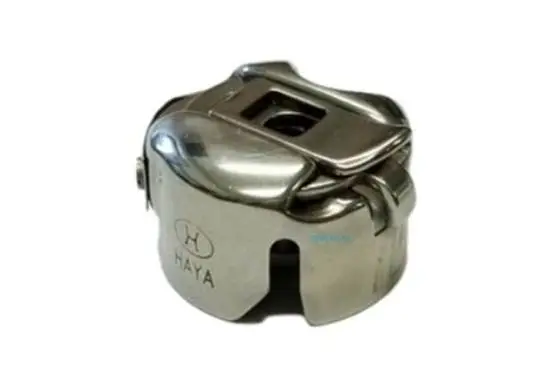
If your bobbin case is loose in your Singer machine, the fix is often quick and rarely needs a shop visit. That small metal cup holds the bobbin and sets the lower thread tension. It sits in a curved track called the hook race, held by a latch or a spring clip. Seated right, it stays put as the hook spins. Seated wrong, it rattles and lets the needle strike it.
Check what is really loose before you touch the case. Press the plate first: a wobbling needle plate can feel just like a loose case, so check its screws. Swap in a fresh needle too, since a bent needle can strike the case and make it jump. Re-thread the top with the presser foot up so the thread seats in the tension discs. These checks cost nothing and rule out the look-alikes.
When the rattle stays, the case itself is the suspect. The latch wears, or the case was never pushed home after the last bobbin change. Each cause has its own fix, and the order below runs from free to a new part. Work through them one at a time and test a seam after each step.
Take the Case Out and Seat It Again Until It Clicks
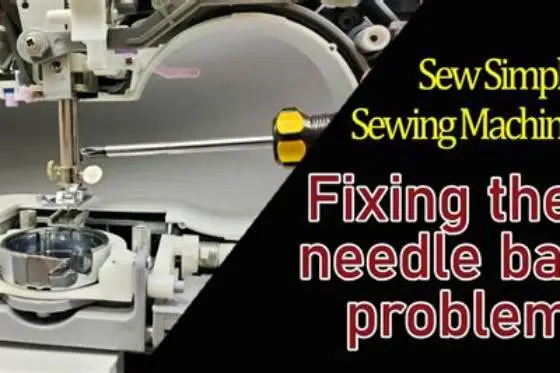
Turn the handwheel toward you until the needle is at its highest point, then switch the machine off. Open the slide plate on a drop-in machine, or take off the needle plate on a front-load machine. Lift a front-load case out by its hinged latch, or lift a drop-in holder straight up. Study the latch, the spring and the rim as you lift: a bent latch or a cracked rim will never hold. It helps to understand loose sewing machine needle bar before going further.
Hold the case up to the light and look inside for scoring, nicks and thread grooves. Rough spots catch thread and throw off each stitch. When the case is scored or the latch flops loose, set it aside for replacement. Buy the replacement class your manual lists for your model, from the maker or a reputable parts seller. The wrong class will not seat, and it can damage the hook.
To seat a front-load case, hold it by the latch with the bobbin inside and the thread tail in the slot. Slide it into the race with the latch open, then let it snap shut. You should feel it lock into place. Give it a gentle tug to check it stays. Drop-in cases have no latch to snap. Set the bobbin in the holder, guide the thread through the slot, and press the holder down until it sits flat. Close the cover and turn the handwheel once by hand to check the needle clears the case.
- Raise the needle to its highest point and switch the machine off.
- Remove the needle plate and lift the case out by its latch.
- Check the latch, spring and rim for bends or cracks.
- Brush lint from the race with a soft brush.
- Press the case home until you hear the click, then tug it gently.
- Turn the handwheel once and check the needle clears the case.

SINGER® Bobbin Case Class 15
A worn or warped case is what makes the bobbin case sit loose, and this is Singer's own Class 15 front-loading replacement with an adjustable tension screw so you can re-tighten the fit and thread pull to spec.
Front-Load or Drop-In: Know Which System You Have
Singer machines use two bobbin systems, and the fix for a loose case depends on which one you own. Front-load machines hide the case behind the needle plate at the front, and the case comes out toward you. Drop-in machines, also called top loading, sit under a clear cover on the bed, and the bobbin drops in from above. If the manual is lost, look at the machine itself. Look for a flat cover on the bed: that means drop-in. Front-load shows as a plate you unscrew at the front. It helps to understand machine stitches uneven before going further.
On a front-load machine the case is a separate metal cup with a hinged latch and a small tension screw. That latch locks it into the race. When a front-load case feels loose, the latch did not catch or the spring under it has weakened. On a drop-in machine the case is often built into the holder under the cover, and the bobbin drops into a fixed cup. There, a loose feeling usually means the wrong bobbin class, a cracked holder, or lint lifting the bobbin out of its seat.
The two systems take different bobbins, and that shapes the fix. Front-load Singers often take Class 15 metal bobbins, while many drop-in Singers take Class 15 transparent bobbins. Class 66 bobbins fit older top drop-in models such as the 66, 99 and 201. Match the bobbin to the system: the wrong size will wobble in the case.
| System | Where the case sits | What holds it | Loose usually means |
|---|---|---|---|
| Front-load | Behind the needle plate | Hinged latch and spring | Latch not caught or spring worn |
| Drop-in (top load) | Under the clear bed cover | Fixed holder and cover | Wrong bobbin class or lint under the bobbin |
The click you hear when the case seats is the whole fix, and most loose cases never got it.
The Wrong Bobbin Can Make the Case Feel Loose
Blame the bobbin before you blame the case. Class 15 bobbins are flat on the top and bottom. Class 15J bobbins have a slight curve on one side and are a little shorter. The two look alike at a glance, yet they are not interchangeable. Hold each bobbin sideways to see it. The Class 15 shows two flat faces, while the 15J shows one flat face and one gently curved face. Put a 15J bobbin in a Class 15 case and it will sit low and wobble, while the thread feeds in fits and starts.
Winding matters just as much as class. Wind a bobbin too full and it will not fit the case, while thread wound loosely crosses over itself and snags. Do not wind past the bobbin's own diameter; an overfull bobbin will not seat. Rewind a sloppy bobbin with the thread guided through the tension disc on the winder. Spinning true, a bobbin is silent; wobbling, it taps the case wall with every stitch.
Metal or plastic is a choice your machine makes for you, not a preference. Machines with a top drop-in bobbin and a thread sensor need plastic bobbins, because a metal bobbin can upset the sensor and the tension. Machines built for metal bobbins should use metal ones. Buy the class your manual names, not the class that looks close.
- Class 15: flat top and bottom, the common front-load bobbin.
- 15J: curved on one side, a little shorter, not a swap for Class 15.
- 66: older drop-in models such as the 66, 99 and 201.
- Transparent Class 15: drop-in machines with a clear cover, so you can see the thread left.
Test and Adjust the Bobbin Tension Screw
Even a firmly seated case can sew badly if its tension is off, so test it before you touch the screw. Thread the case in the normal way, hold the thread tail, and let the case dangle from your hand. Give it a gentle bounce. Watch for a slow, steady drop: that shows the tension is right. If it falls fast, the tension is too loose. No movement means it is too tight. The test takes ten seconds.
Find the tension screw on the side of a front-load case, under a small flat spring. Turn it a quarter turn at a time, clockwise to tighten and counterclockwise to loosen, and test again after each turn. Small moves are enough, and a big turn can damage the spring. Mark the screw slot with a pencil line first, so you can return to the factory setting. Never force a screw that will not move, since a stripped screw means a new case.
Turning the bobbin tension screw is not the first thing to touch; if the machine is under warranty, check with the dealer before adjusting. The same rule holds for drop-in machines, where the tension parts sit inside the holder and are not meant for home adjustment.
When to Replace the Case and When to See a Shop
Reach for a new case when the old one is scored, cracked, or its latch no longer snaps. Needle strikes leave nicks on the rim, and those nicks catch thread on every pass. Once a latch spring has lost its grip, the case will shift even after a perfect reseat. Polish a light burr with a fine emery board if you are sure of the spot. Deep grooves or a bent latch mean the case is done.
Some signs point to the shop rather than a part. Timing trouble is the likely cause of a deep score in the hook race. So does a needle that still strikes the case, or a case that will not seat after cleaning. One shop visit can polish the race and check the timing. If the machine is old and the part is worn, ask the shop to fit the case. Ask them to test a seam before you take it home.
After any fix, sew a test seam on scrap cotton with a fresh 80/12 needle and 50 wt thread. Stitches should look the same on both sides, with no loops underneath and no skipped stitches. If the seam is clean, the case is seated and the tension is right. If loops or nests return, work back through the checks in order. If you are unsure where the trouble sits, try the Sewing Machine Doctor tool. It lets you click where the trouble is and see the fix.
Still wondering?
Can I sew with a loose bobbin case?
No, stop and fix it first. With a loose case, the needle can strike metal, bend, and nick the case. Reseat it and test on scrap before you sew your project.
Why does my bobbin case keep popping out?
The latch is the usual cause. It may not be catching, the spring under it may be worn, or lint may be holding the case proud of the race. Clean the race, check the latch, and seat the case firmly. If the latch will not hold, you need a new case.
Should I adjust the bobbin tension screw?
Only on a front-load case that is out of warranty, and only a quarter turn at a time. Test with the dangling test after each turn. If the machine is new, take it to the dealer instead.
What bobbin does my Singer take?
Your manual lists the class. Class 15 is flat, Class 15J is curved and shorter, and Class 66 fits older drop-in models.
How often should I clean the bobbin area?
Brush out lint after every few projects, and always after sewing fleece or batting. Lint builds fast, so a quick brush after each project keeps the case seated. The whole job takes a minute with a brush.