Straight stitch for quilting: what throat space fits a quilt
You need a sewing machine with at least 8 inches (20 cm) of throat space for throw quilts, and up to 10 inches (25 cm) for queen-size quilts to handle bulk easily. A stitch length adjustable from 1.5 to 3.5 mm ensures precise piecing and quilting with quality straight stitches.
On this page (10 sections)
- Fit check
- The short version
- How much throat space fits quilt bulk sizes
- Stitch length and straight-stitch quality for piecing and quilting
- Feed dogs, plate, and presser foot lift for piecing accuracy and thick seams
- Free-motion quilting: feed dog options and compatible feet
- Speed control, motor power, and stability for quilting sessions
- Bobbins, winding, and needle/thread handling for quilting materials
- Best straight stitch sewing machine for quilting: final fit check
- Still wondering?
Part of our guide on best sewing machine for quilting
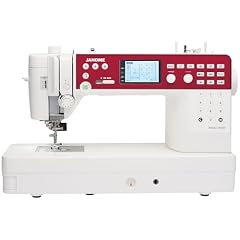
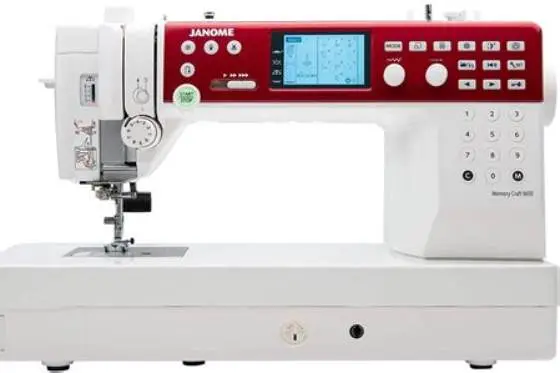
Janome MC6650 Sewing and Quilting Machine
Clears both throw and queen quilts with 10 inches of throat space, hitting the queen-size mark with room to
Check it on Amazon
Brother PQ1600S High-Speed Straight Stitch Sewing Machine
Lets you roll a throw quilt through with 8.7 inches from needle to arm, just over the 8 inches you need for
See this alternative
Janome 1600P QC Straight Stitch Sewing and Quilting Machine
Gives you 9 inches of needle-to-arm room so throw quilts feed without folding, with an inch to spare.
See this alternative| Product | throat space (inches) | Verdict | |
|---|---|---|---|
| Janome MC6650 Sewing and Quilting Machine Janome | 10 inches throat space vs 8-inch minimum - meets | Meets it | View on Amazon |
| Brother PQ1600S High-Speed Straight Stitch Sewing Machine Brother | 8.7 inches throat space vs 8-inch minimum - meets | Meets it | View on Amazon |
| Janome 1600P QC Straight Stitch Sewing and Quilting Machine Janome | 9 inches throat space vs 8-inch minimum - meets | Meets it | View on Amazon |
| Little Rebel Sewing and Quilting Machine with Built-in Stitch The Grace Company | 13 inches throat space vs 8-inch minimum - meets | Meets it | View on Amazon |
| Janome HD8 Straight Stitch Sewing and Quilting Machine w/Table Janome | 9 inches throat space vs 8-inch minimum - meets | Meets it | View on Amazon |
Key figures
- Minimum throat space
- 8-10 inches
- Stitch length range
- 1.5-3.5 mm
- Presser foot lift
- Up to 13 mm
- Motor power
- At least 60 W
- Bobbins
- Class 15 or larger
- Feed dogs
- Standard & drop
- Speed control
- Variable
The short version
- Measure your quilt bulk against throat space before buying.
- Straight stitch quality and stitch length affect piecing accuracy.
- Feed dogs and presser foot must handle thick seams well.
- Free-motion quilting needs drop or cover feed dogs and compatible feet.
- Motor power and speed control help for long quilting sessions.
How much throat space fits quilt bulk sizes
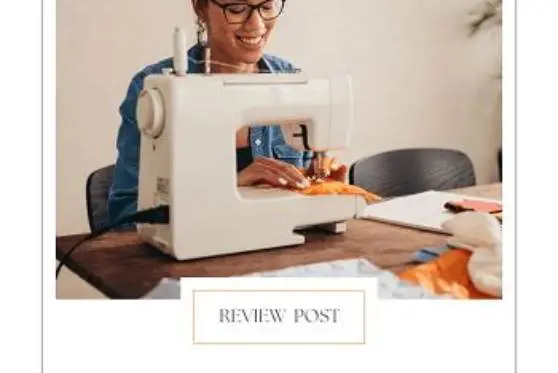
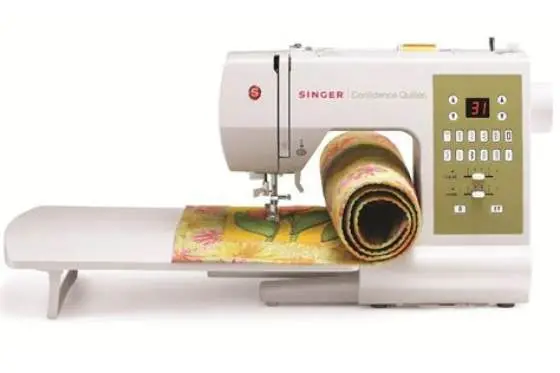
Throat space, or harp space, is the distance from the needle to the machine's right arm. It determines how easily your quilt can fit under the needle while sewing. Baby quilts often need about 6 inches (15 cm), but throw quilts require at least 8 inches (20 cm) to handle extra bulk. Queen-size or larger quilts benefit from 10 inches (25 cm) or more throat space.
This space depends on your largest quilt size and how much bulk you layer under the foot during piecing or quilting. Thicker batting and multiple layers increase the need. Measure your typical project's thickness and width under the foot when feeding it through the machine to estimate required throat space before buying.
Machines with less throat space force you to scrunch the quilt, causing uneven stitching or fabric damage. A larger throat space offers comfort and accuracy, especially when manipulating bulky quilts or free-motion quilting. Balance throat space with your available sewing area, as bigger machines weigh more and take more table space.
Stitch length and straight-stitch quality for piecing and quilting
Stitch length affects seam strength and fabric handling during piecing and quilting. A good quilting machine should let you adjust stitch length from about 1.5 mm for tight seams to 3.5 mm for basting or quilting. Too short a stitch compresses fabric and causes puckering; too long weakens seams. Before you commit to anything, it is worth looking at free motion quilting basics.
Straight stitch quality depends on needle size, thread tension, and feed system, not just the machine's brand. You want a consistent stitch with no skipped stitches or thread nests, especially over thick seams and multiple layers. Look for a machine with a straight-stitch plate that fits the needle snugly to reduce fabric shifting.
The needle size for quilting cotton and batting is usually EU/US 80/12 or 90/14. Use 50 wt thread for piecing and quilting to match fabric weight. Machines that allow precise tension adjustment help maintain stitch quality across varying fabric thicknesses.
Janome MC6650 Sewing and Quilting Machine
Clears both throw and queen quilts with 10 inches of throat space, hitting the queen-size mark with room to maneuver blocks.
- Length 23.9 Inches
- Height 11.54 inches
- Weight 24.25 pounds
Feed dogs, plate, and presser foot lift for piecing accuracy and thick seams
The feed dogs pull fabric through the machine while sewing. For quilting, look for strong, well-spaced feed dogs that handle thick seams without slipping or fabric bunching. A straight-stitch needle plate with a narrow opening stabilizes the fabric for accurate seams and prevents needle deflection. We go through computerized quilting machine step by step elsewhere on the site.
Presser foot lift is crucial for thick batting and multiple fabric layers. A high-lift presser foot that raises up to 13 mm accommodates bulky quilts easily. Lower lifts of 5-8 mm are often not enough and cause dragging or skipped stitches over thick seams.
Check if the machine allows changing presser feet for quilting, including walking or dual feed feet. These assist in feeding multiple layers evenly and improving seam accuracy. A well-lifted foot combined with strong feed dogs prevents puckering and fabric damage.
| Quilt Size | Recommended Throat Space (inches) | Presser Foot Lift (mm) |
|---|---|---|
| Baby | 6 | 8 |
| Throw | 8 | 13 |
| Queen | 10 | 13 |
Brother PQ1600S High-Speed Straight Stitch Sewing Machine
Lets you roll a throw quilt through with 8.7 inches from needle to arm, just over the 8 inches you need for batting bulk.
- Size Standard
- Length 18.1 Inches
- Weight 24.0 pounds
Measure throat space, feed system, and stitch length needed to pick quilting machines that clear your quilt bulk and ensure accurate piecing.
Free-motion quilting: feed dog options and compatible feet
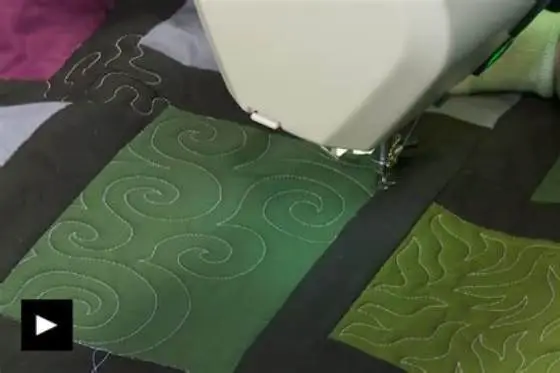
Free-motion quilting requires the feed dogs to either drop below the needle plate or be covered to allow fabric movement in any direction. Most quilting-compatible machines have a feed dog drop lever or cover plate included or available as an accessory. We cover best Singer sewing machine for quilting in its own article.
Compatible free-motion feet are smaller and have a spring-loaded sole to glide smoothly over quilt tops. Ensure your machine accepts these specialized feet or has a quilting foot included. Without this feature, free-motion quilting is very difficult and uneven.
If your budget or space is tight, some mid-range machines offer free-motion capability but may require you to buy the foot and cover plate separately. Confirm these features before purchasing if free-motion quilting is a priority.
Janome 1600P QC Straight Stitch Sewing and Quilting Machine
Gives you 9 inches of needle-to-arm room so throw quilts feed without folding, with an inch to spare.
- Length 7.0 inches
- Height 12.7 Inches
- Weight 31.0 Pounds
Speed control, motor power, and stability for quilting sessions
Long quilting sessions demand a stable machine with a powerful motor and adjustable speed control. A motor power of at least 60 watts handles thick layers without stalling or overheating. Machines with electronic speed control let you sew slowly and steadily, improving seam accuracy.
Heavier machines, usually over 15 pounds (7 kg), resist slipping during quilting and reduce vibration. Lightweight machines may move under your hands while feeding bulky quilts, making controls difficult.
If you plan to quilt large throw or queen-sized quilts regularly, prioritize machines with strong motors and weight. Lightweight portable models suit beginners or small projects but may struggle with bulk.

Little Rebel Sewing and Quilting Machine with Built-in Stitch Regulation
Opens up 13 inches of throat space so even bulky queen quilts glide through, 5 inches beyond what a throw requires.
- Size Large
- Height 16.0 Inches
- Length 35.0 Inches
Bobbins, winding, and needle/thread handling for quilting materials
Quilting uses medium-weight 50 wt thread and batting; this needs bobbins with enough capacity to avoid frequent changes. Class 15 bobbins or larger hold more thread than the tiny ones found in basic machines.
A reliable bobbin winding system prevents thread jams, which cause skipped stitches or thread nests. Machines with adjustable bobbin tension help maintain even stitches.
Needle handling matters too. Use sharp needles sized EU/US 80/12 for piecing and 90/14 for quilting through batting layers. Machines that allow easy needle changes and clear threading paths reduce frustration.
Good thread handling means the machine should accept cotton quilting thread without shredding or breaking under tension, even at varied speeds.
Best straight stitch sewing machine for quilting: final fit check
Match throat space to your largest quilt size: at least 8 inches for throws, 10 inches for queen. Confirm stitch length control from 1.5 to 3.5 mm and quality straight stitch without skipped stitches over thick seams.
Check presser foot lift capability (up to 13 mm) and strong feed dogs with a straight-stitch plate. Verify free-motion quilting features if needed. Ensure motor power is at least 60 W with variable speed and that the machine weighs enough for stability.
Make sure bobbin size and thread handling match quilting cotton and batting needs. Measure your own quilt bulk and feed it under similar machines if possible, or use the site’s Sewing Machine Matchmaker tool for personalized advice.
| Quilt Size | Throat Space (inches) | Stitch Length (mm) | Presser Foot Lift (mm) | Motor Power (W) |
|---|---|---|---|---|
| Baby | 6 | 1.5-3.5 | 8 | 40 |
| Throw | 8 | 1.5-3.5 | 13 | 60 |
| Queen | 10 | 1.5-3.5 | 13 | 60 |
Machines with 8-10 inches throat space, strong feed dogs, and adjustable stitch length suit most quilters.
Still wondering?
How do I measure throat space for my quilt?
Place your quilt bulk folded as you would feed it under the foot and measure from the needle straight to the machine arm. This distance is the throat space needed to sew without scrunching.
Does stitch quality differ between brands?
Yes, but straight stitch quality mostly depends on correct tension, needle, and feed system. Look for a machine with a straight-stitch plate and precise tension control over brand claims.
Can I free-motion quilt on any straight stitch machine?
No. A free-motion-friendly machine must have drop or cover feed dogs and accept free-motion feet. Confirm these features before purchase.
What bobbin type is best for quilting?
Class 15 or larger bobbins hold more thread for quilting. Smaller bobbins need frequent changing, interrupting your flow.
Is a heavier machine necessary for quilting?
Heavier machines (over 15 pounds) stay stable during long quilting. Lightweight models may move and cause inconsistent stitches.