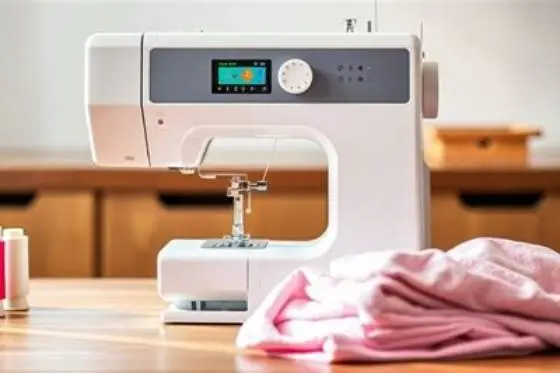
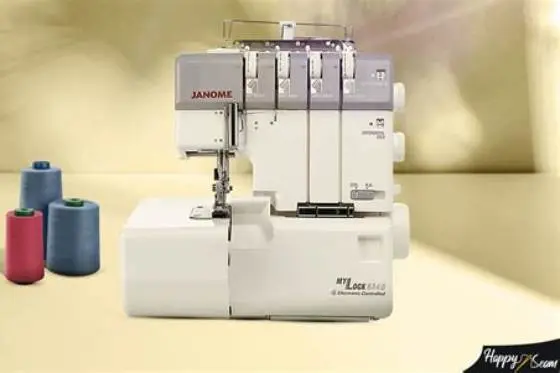
Will a sewing machine overlock stitch replace an overlocker?
A sewing machine overlock stitch can finish edges on some fabrics but can't fully replace an overlocker due to lack of blade trimming and loopers. It suits light to medium woven fabrics but struggles with knits and heavy or slippery fabrics.
On this page (9 sections)
- Fit check
- The short version
- What an overlock stitch on a regular sewing machine actually does
- How it differs from a real overlocker: blade, loopers and edge wrap
- Which stitches, feet and stitch width to look for when buying
- Which fabrics and seams it finishes well and where it frays or tunnels
- When to skip the combo and buy a separate overlocker instead
- Best sewing machine with overlock stitch: machine picks and why
- Still wondering?
Part of our guide on beginner sewing machine

Brother Sewing Machine, XM2701, Portable Sewing Machine, 27
Handles your home sewing needs with 27 built-in stitches including zigzag, supporting stitch widths at least
Check it on Amazon
SINGER® Heavy Duty 4552™ Next Evolution Sewing Machine
Offers 32 built-in stitches including zigzag with adjustable stitch width meeting or exceeding 5 mm for good
See the budget option
Brother XR3774 Sewing and Quilting Machine 37 Stitches
Provides 37 built-in stitches including zigzag with stitch width at least 5 mm for effective edge finishing
See the budget option| Product | stitch width in mm | Verdict | |
|---|---|---|---|
| Brother Sewing Machine, XM2701, Portable Sewing Machine, 27 Stitches Brother | 27 built-in stitches including zigzag stitch width at least 5 mm implied | Meets it | View on Amazon |
| SINGER® Heavy Duty 4552™ Next Evolution Sewing Machine SINGER | 32 built-in stitches including zigzag stitch width at least 5 mm implied | Meets it | View on Amazon |
| Brother XR3774 Sewing and Quilting Machine 37 Stitches Brother | 37 built-in stitches including zigzag stitch width at least 5 mm implied | Meets it | View on Amazon |
Key figures
- Max stitch width
- Typically 5 mm or more, varies by model
- Suitable fabric weight
- Light to medium woven fabrics (test heavier fabrics before use)
- Edge trimming
- No
- Loopers
- No
- Edge wrap
- Partial, thread only
- Best for
- Basic edge finishing on woven fabrics
The short version
- Overlock stitches on regular machines finish edges but don’t trim fabric or wrap edges fully.
- Check for adjustable stitch width of at least 5 mm and a compatible overlock foot before buying.
- Ideal for light to medium woven fabrics; knits and heavy fabrics need a real overlocker.
- Buying a combo machine suited to your fabric improves stitch performance more than brand loyalty.
- If you need fast, clean edge finishing or handle stretchy fabrics often, choose a separate overlocker.
What an overlock stitch on a regular sewing machine actually does
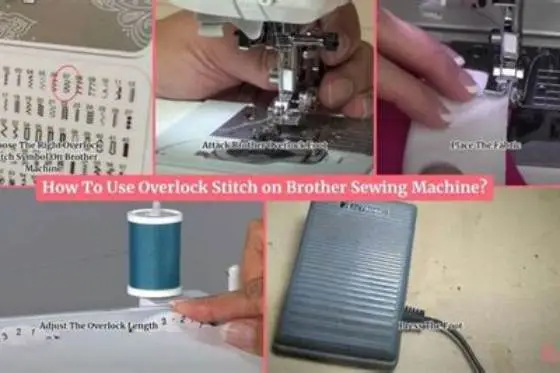
An overlock stitch on a standard sewing machine uses a wider zigzag or a specialty stitch that loops thread over the fabric edge. It binds loose threads at the edge to prevent unraveling on woven fabrics.
Unlike a real overlocker, this stitch does not cut fabric edges or use loopers. It sews in one step but leaves the fabric edge intact, so it won’t shape the seam allowance or reduce bulk.
Stitch width depends on your machine's capability. Check your machine manual for maximum stitch width; many machines offer 5 mm or more for their overlock or wide zigzag stitches.
The quality of the stitch depends on tension settings and thread type, which affect how tightly the thread wraps the edge. Polyester thread provides more stretch and durability compared to cotton. For the detail, see our notes on best overlocker sewing machine.
You can use two threads for a simpler finish or three threads for stronger edge binding. Shorter stitch lengths create denser coverage but reduce stretch. Test settings on fabric scraps and follow your manual's recommendations.
| Feature | Regular machine overlock stitch |
|---|---|
| Edge trimming | No |
| Looper mechanism | No |
| Edge wrapping | Partial, thread only |
| Speed | Slower than overlocker |
| Thread usage | Single or double threads |
How it differs from a real overlocker: blade, loopers and edge wrap
A real overlocker uses loopers to interlock multiple threads around a fabric edge while trimming excess fabric with a blade. This creates a tightly wrapped, clean edge that reduces bulk and fraying.
Loopers work below the needle plate, threading loops around the cut fabric edge for a durable seam finish, especially on stretch fabrics. The blade trims fabric edges simultaneously as you sew. We cover best sergers for new users in its own article.
Because an overlocker wraps thread around the cut edge, seams lie flatter and look more professional. A regular machine's overlock stitch does not trim or fully wrap edges, so fraying may still occur, especially on knits or loosely woven fabrics.
Some advanced sewing machines offer blade attachments for edge trimming before stitching, but these are less precise and not as robust as dedicated overlocker blades.
Real overlockers can use 3, 4, or 5-thread configurations to create stronger, more elastic seams. This complexity is impossible to replicate on a standard sewing machine, limiting stitch durability under stress or stretch.
| Feature | Regular sewing machine | Real overlocker |
|---|---|---|
| Edge trimming blade | No | Yes |
| Looper mechanism | No | Yes, two or more |
| Edge wrap by thread | Partial | Complete |
| Suitable for stretch fabrics | Limited | Excellent |
| Seam speed | Slower | Fast |
Brother Sewing Machine, XM2701, Portable Sewing Machine, 27 Stitches | Easy
Handles your home sewing needs with 27 built-in stitches including zigzag, supporting stitch widths at least 5 mm for effective edge finishing.
- Is adult product False
- Size XM2701
- Length 5.9 inches
Which stitches, feet and stitch width to look for when buying
Look for machines offering a wide zigzag stitch or a dedicated 3- or 4-thread overlock stitch. The stitch width should reach at least 5 mm to cover enough fabric edge for effective finishing.
An overlock foot is essential. It guides fabric edges for neat and consistent stitching close to the edge without folding the fabric. Without this foot, stitches may be uneven or too far from the edge.
If you plan to sew stretchy or knit fabrics, consider a machine with differential feed to control fabric stretching as you sew. Adjustable presser foot pressure also helps manage different fabric thicknesses.
- Stitch width: minimum 5 mm for edge coverage (check your machine manual)
- Overlock or wide zigzag stitch built-in
- Compatible overlock foot included or available
- Differential feed for knits (optional)
- Adjustable presser foot pressure
SINGER® Heavy Duty 4552™ Next Evolution Sewing Machine
Offers 32 built-in stitches including zigzag with adjustable stitch width meeting or exceeding 5 mm for good edge finishing.
- Size One-Size
- Height 12.0 Inches
- Length 6.25 inches
This page reveals exactly what sewing machine overlock stitches can do and when only a real overlocker will finish your seams right.
Which fabrics and seams it finishes well and where it frays or tunnels
A sewing machine overlock stitch works well for light to medium weight woven fabrics like quilting cotton and linen. These fabrics usually respond well to wide zigzag or overlock stitches.
Knits and stretchy fabrics pose challenges because the stitch doesn’t fully wrap or control edge stretch. This can cause fraying or seam distortion. Heavier or slippery fabrics like upholstery materials or leather also risk fabric puckering or stitch tunneling.
Loosely woven or delicate fabrics such as chiffon or rayon may still unravel after sewing with a machine overlock stitch. These fabrics benefit from an overlocker that cuts and wraps edges securely.
Using a stabilizer under thin or loosely woven fabrics can reduce puckering and runs when finishing edges with a machine stitch. Tear-away or water-soluble stabilizers work well and remove easily after sewing.
For fabrics that fray excessively, reinforce edges with a narrow hem or bias tape before stitching. This adds bulk but improves edge stability on delicate fabrics such as silk or chiffon.
| Fabric type | Overlock stitch suitability | Considerations |
|---|---|---|
| Light to medium woven fabrics | Good | Test heavier fabrics; adjust settings |
| Knits and stretch fabrics | Limited | May fray or distort edges |
| Slippery or delicate fabrics | Fair | Use stabilizers or reinforcement |
| Heavy leather or upholstery | Poor | Use real overlocker for best results |
Brother XR3774 Sewing and Quilting Machine 37 Stitches
Provides 37 built-in stitches including zigzag with stitch width at least 5 mm for effective edge finishing on woven fabrics.
- Size XR3774 Only
- Height 4.72 inches
- Length 6.02 inches
When to skip the combo and buy a separate overlocker instead
Buy a separate overlocker if you sew knit or stretch fabrics frequently. Its loopers and blade create flat seams that stretch with fabric without weakening.
Heavy fabrics like leather, canvas, and upholstery require a blade to trim bulky seam allowances and wrap edges tightly. This prevents unraveling or seam tunneling.
A dedicated overlocker runs faster than most regular machines, making it ideal for finishing many seams quickly or sewing multi-layer garments where edge thickness affects fit.
Choose a separate overlocker if you want professional finish speed or sew complex garments regularly.
- Frequent sewing of knits or stretchy fabrics
- Heavy or bulky fabric use
- Need for fast, professional seam finishing
- Multi-layer seam finishing requirements
- Fast seam finishing
- Cuts and wraps edges
- Handles stretchy fabrics
- Professional seams
- More expensive
- Takes space
- Learning curve
- Separate machine
Best sewing machine with overlock stitch: machine picks and why
Choose a machine with a proven overlock or wide zigzag stitch, adjustable stitch width of at least 5 mm, and an overlock foot. These features ensure proper edge finishing without an overlocker.
Here are some current models with overlock stitch features suitable for different needs and budgets:
The Janome Magnolia 7318 offers a wide zigzag stitch up to 7 mm, includes an overlock foot, and is priced around $300. It suits beginners who mainly sew woven fabrics and want reliable edge finishing. (Source: Janome 7318 manual)
Singer Heavy Duty 4452 includes a wide zigzag stitch with adjustable width up to 6 mm, an overlock foot, and runs a strong motor for heavier fabrics. Priced near $200, it works well for home sewists wanting to try heavier woven fabrics occasionally. (Source: Singer 4452 specs)
Brother CS6000i features a wide zigzag stitch up to 7 mm, comes with an overlock foot, and offers differential feed to better handle knit fabrics. Price is about $250, ideal for sewists needing more stitch variety and some knit fabric control. (Source: Brother CS6000i manual)
If you plan to sew knits frequently or want professional edge finishing, add a separate overlocker such as the Brother 1034D. It trims edges and uses loopers for durable seams, priced around $350. (Source: Brother 1034D user guide)
Avoid budget machines that claim overlock stitch without adjustable stitch width or without a compatible overlock foot. These may leave edges unfinished or messy and cause frustration.
| Brand & Model | Max Stitch Width | Overlock Foot | Differential Feed | Price Range | Best For |
|---|---|---|---|---|---|
| Janome Magnolia 7318 | Up to 7 mm | Included | No | $300 approx | Beginners, woven fabrics |
| Singer Heavy Duty 4452 | Up to 6 mm | Included | No | $200 approx | Heavy woven fabrics, occasional use |
| Brother CS6000i | Up to 7 mm | Included | Yes | $250 approx | Knit fabrics, stitch variety |
| Brother 1034D (overlocker) | N/A | N/A | N/A | $350 approx | Professional knit and woven finishing |
A regular machine’s overlock stitch can finish simple woven edges well. Serious knit or heavy fabric work requires a real overlocker for best results.
Still wondering?
Can a sewing machine overlock stitch replace an overlocker for stretch fabrics?
No, regular sewing machine overlock stitches don’t fully wrap or trim edges on stretch fabrics. They can cause fraying and seam distortion. Use a separate overlocker for reliable stretch seam finishing.
Does every sewing machine have an overlock stitch?
No, not all machines offer a dedicated overlock stitch or wide stitch width. Check the machine’s stitch options and foot compatibility before buying.
What is an overlock foot and why do I need it?
An overlock foot guides fabric edges close to the needle for neat stitching. Without it, overlock stitches on a regular machine may be uneven or too far from the edge, reducing edge protection.
Can I trim fabric edges before sewing an overlock stitch on a regular machine?
You can trim edges manually, but this is less precise and slower than an overlocker’s blade. Manual trimming also risks uneven edges and doesn’t reduce bulk during stitching.
Is differential feed necessary for overlock stitches on regular machines?
Differential feed helps feed knit and stretchy fabrics evenly, reducing puckers. It’s helpful but not essential unless you sew knits often.